


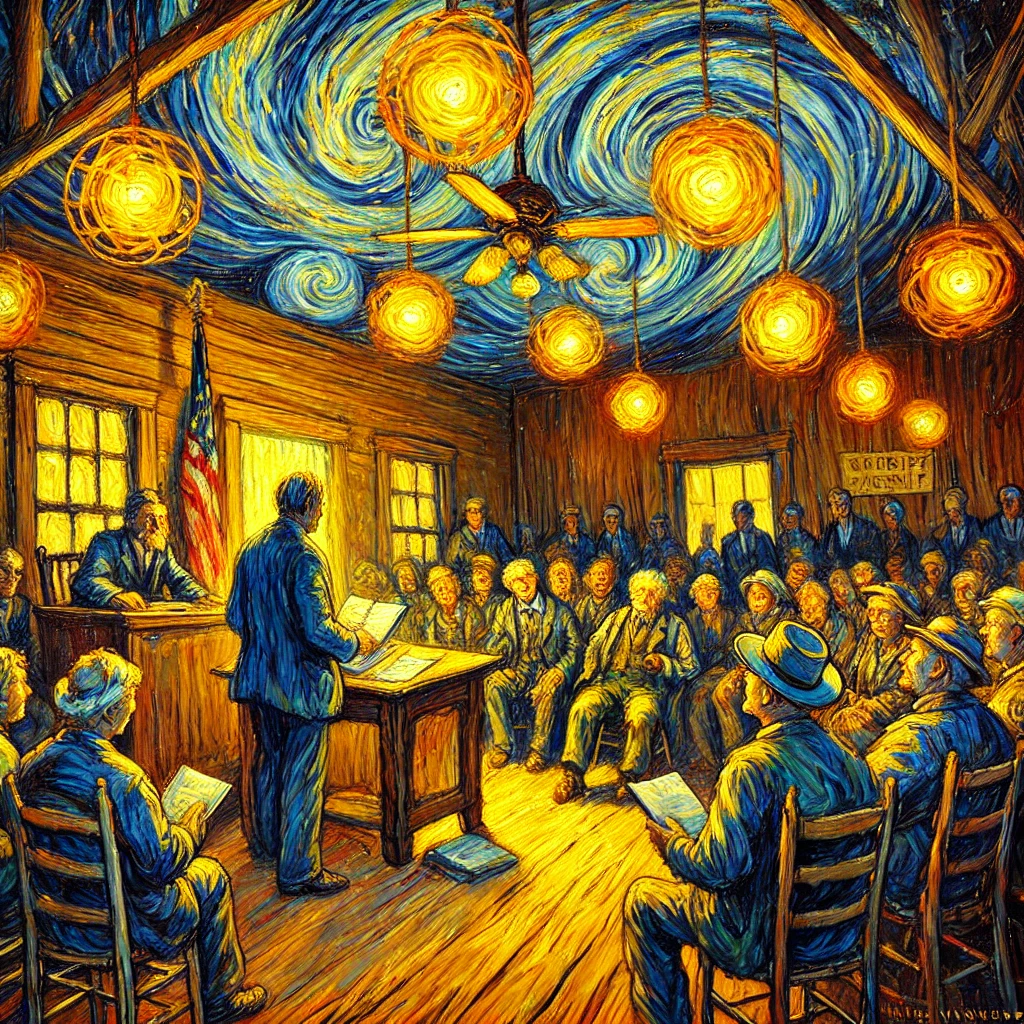
We Passed It Unanimously
By Tom Seest
At Sequatchie Crossing, we tell the stories of Sequatchie Crossing.
Please share this post with your friends, family, or business associates who may want help telling the stories of their legacy.
🎤 Audio Overview
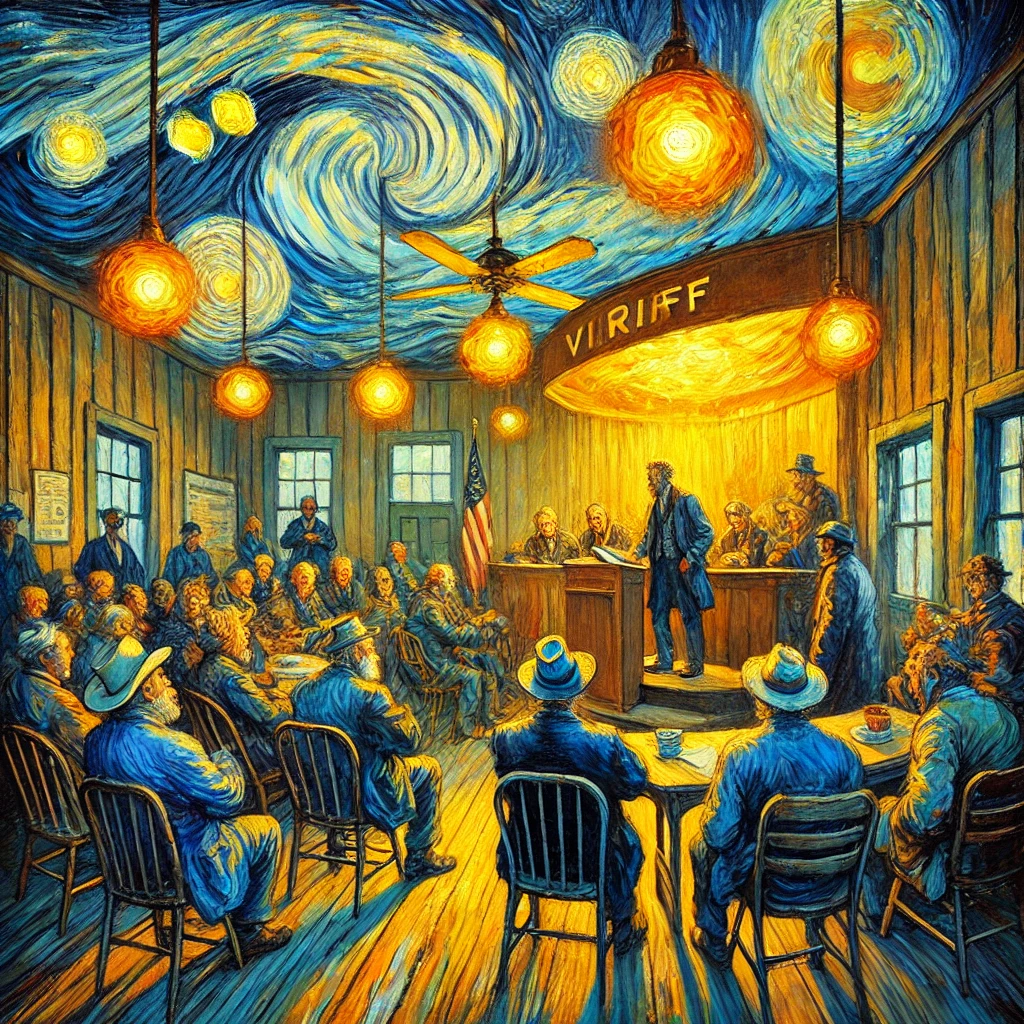
Clovis Strickland Produces the 2015 Minutes
Act I – The Ordinance That Appeared Overnight
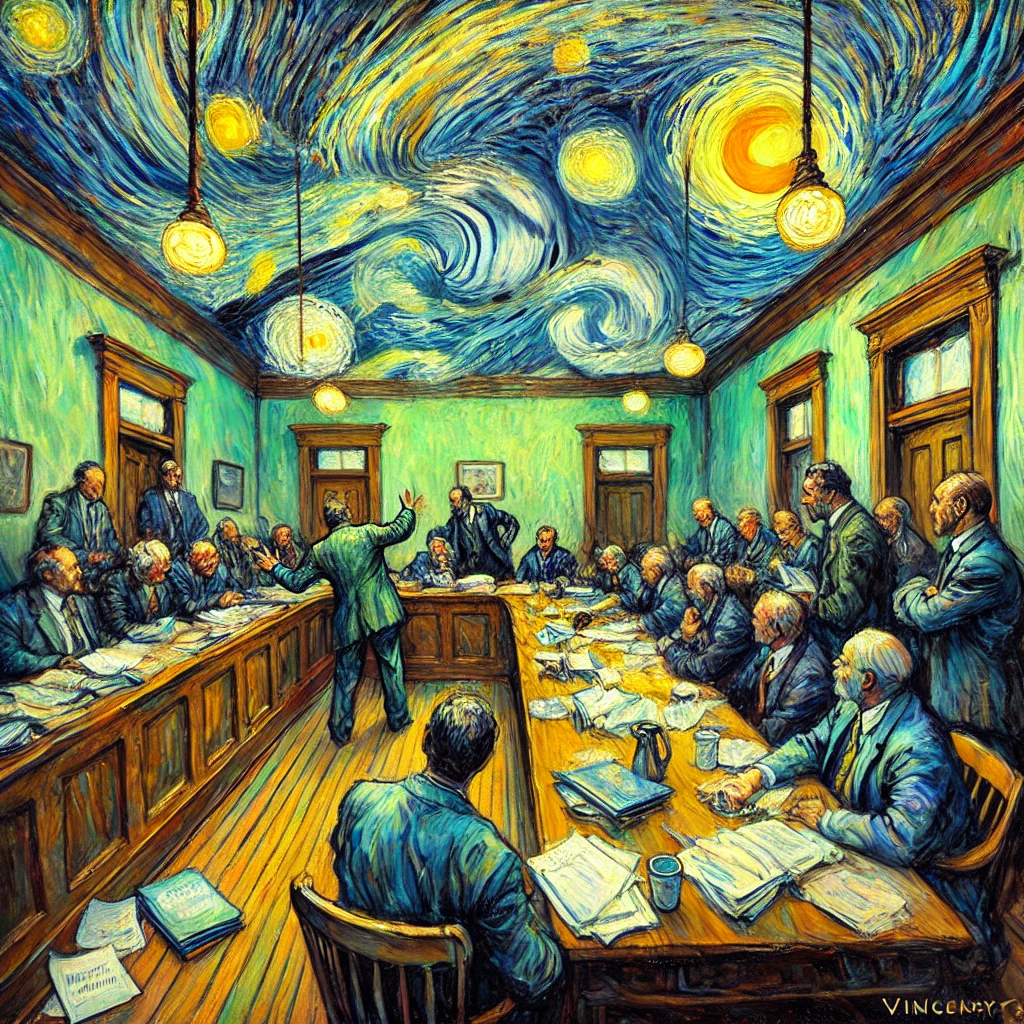
Sequatchie Crossing Town Hall had two reliable smells: lemon cleaner and old arguments.
On Thursday nights, both intensified.
The folding chairs were arranged in a grid that suggested order while quietly admitting defeat. The microphones on the dais looked like they’d been purchased in a hurry during the late nineties and had been resentful ever since. Behind them sat the Mayor, the Clerk, two commissioners who wore the same expression in every meeting, and a third who had perfected the art of looking concerned without committing to any belief.
Boot Barnes sat front row center – because Boot considered the front row his natural habitat. He carried himself like a man whose opinions were not opinions but community infrastructure.
Two rows behind him, Clovis Strickland set his binder on his lap like a preacher setting down a Bible. He had a pen ready. Not because he was anxious to write – because he was anxious for the world to stop pretending it didn’t need writing.
Along the back wall, Sheriff Peeler leaned with his arms crossed, watching the room the way a person watches a dog that’s friendly until it isn’t.
Mabel Dean slipped into a seat near the aisle, purse tucked carefully against her hip as if it contained both cough drops and the moral compass of the town.
The Mayor tapped the microphone with the hopeful aggression of a man trying to wake up an appliance.
“Alright,” he said. “Let’s bring this meeting to order.”
Two people clapped, immediately realized clapping was socially risky, and stopped.
The Clerk began her agenda voice – neutral, procedural, and vaguely threatening.
“First item under new business: Ordinance 22-14, regarding temporary roadside signage and unattended promotional materials.”
Boot’s head tilted, the way a man’s head tilts when he hears a word he plans to fight.
“Regulation,” he muttered, as if the word had spit on him.
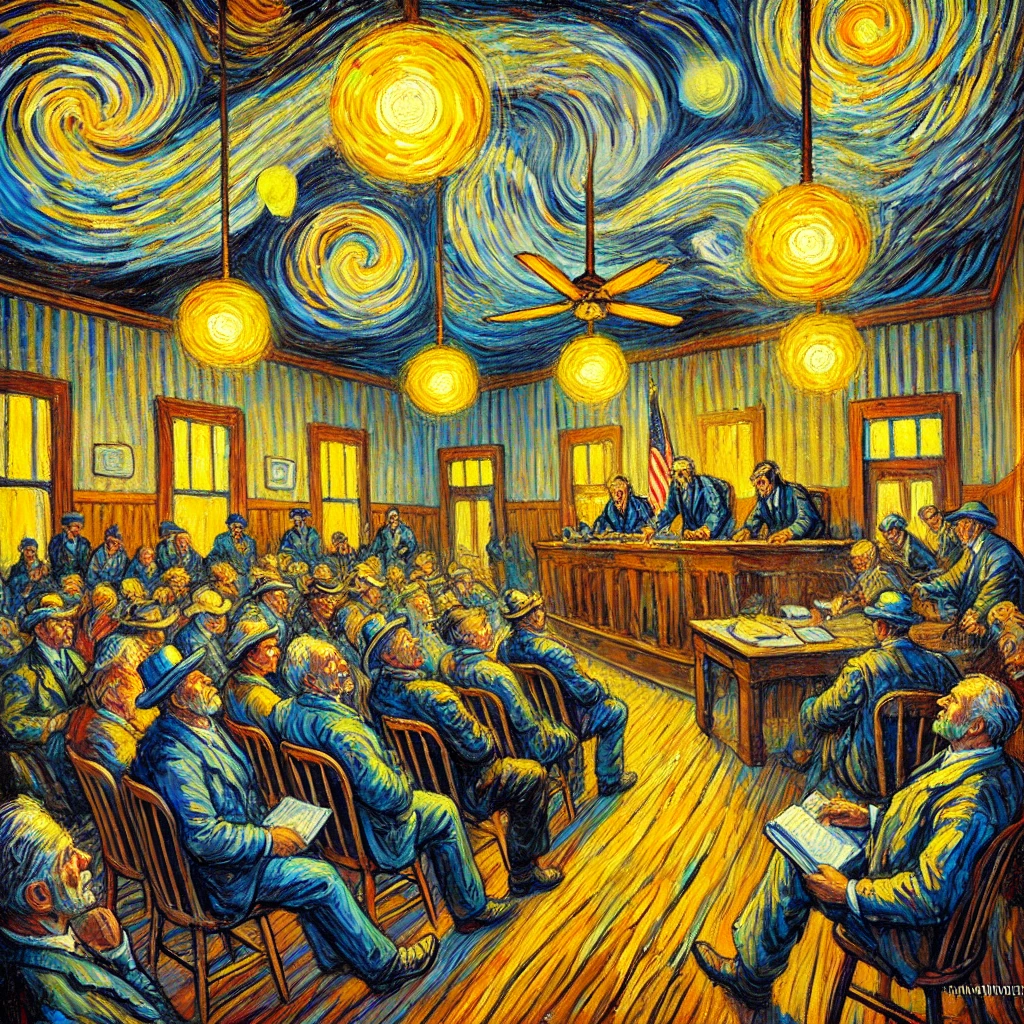
Act I – The Ordinance That Appeared Overnight
The Mayor continued. “We’ve received concerns that this ordinance may not have been properly approved – ”
Boot sat up. “There it is.”
The Clerk cut in fast. “Mr. Barnes. Public comment is later.”
“I’m not commenting,” Boot said. “I’m observing.”
“That’s still comment,” the Clerk replied, with the calm of a person who has a drawer labeled Definitions.
The Mayor tried to keep the train on the tracks. “We’re here to clarify the record.”
And right there – clarify the record – Clovis felt something click.
Not anger. Not delight.
Recognition.
Because in Clovis’s mind, “clarify the record” was never a meeting task.
It was a scavenger hunt.
The Mayor held up a sheet. “Our current records do not include signed minutes reflecting a vote approving the ordinance.”
The room reacted the way it always did when paperwork became relevant: everyone distrusted the paperwork and respected it at the same time.
“So you can’t prove it,” someone said.
“Correct,” the Mayor admitted. “We can’t locate the final minutes documenting approval.”
Boot’s voice went loud enough to be considered a motion. “Then it ain’t real.”
The Clerk’s eyes narrowed. “That is not what that means.”
“It means you’re enforcing something you can’t prove exists,” Boot said. “Which is… exactly the kind of thing I’m against.”
A murmur ran through the chairs – people nodding and frowning in rhythm like they’d rehearsed.
Clovis watched faces instead of words. He’d learned long ago: in Sequatchie Crossing, the argument wasn’t about signs.
It was about who got to say what counted as true.
The Mayor raised his hands. “We’re not saying it was made up. We’re saying we want verification.”
“Verification,” Boot repeated, like the syllables tasted suspicious.
The Clerk said, “We’ll need to consult archival minutes.”
Boot laughed – one short laugh, not joyful, just sharp. “Archival? You mean the box in the closet with the spiders?”
The Clerk did not deny it.
That was what made Clovis’s pen move.
He wrote a single line on his legal pad:
IF THE RECORD IS LOST, IT’S STILL SOMEWHERE.
The Mayor sighed and did what small-town mayors do when the room starts heating: he postponed reality.
“We’ll table this and ask staff to locate the relevant minutes.”
His gavel came down. “Meeting adjourned.”
People stood, gathered coats, gathered opinions, gathered each other. Boot moved into a cluster of residents like a man forming a committee out of pure will.
Sheriff Peeler drifted toward the door, nodding politely, already predicting tomorrow’s phone calls.
Mabel Dean lingered near the front with the gentle worry of someone who wanted peace but had moved to the wrong county for it.
Clovis did not leave.
He waited.
He waited until the room thinned, until the fluorescent lights sounded like guilt, until the Clerk began stacking papers in that decisive way that meant the evening is over, and so are you.
Then he approached the dais.
“Evening,” Clovis said.
The Clerk looked up the way a person looks up when they see a storm arrive carrying a notebook.
“Mr. Strickland.”
“I heard you say ‘archival minutes,’” Clovis said.
The Clerk’s mouth flattened. “Yes.”
“Where are they kept?”
Her eyes flicked – just for a second – toward a door behind the dais: a small door with a sign that read STORAGE in letters that looked apologetic.
“That’s staff-only,” she said automatically.
Clovis nodded. “I’m not staff.”
“No,” she agreed. “You’re… persistent.”
Clovis smiled, as if complimented.
“I can file a records request,” he said.
The Clerk’s tone shifted into reluctant practicality. “You can. It’ll take time.”
Clovis’s smile didn’t move. “Time is fine.”
The Clerk paused, weighing something only she understood: the cost of paperwork versus the cost of letting Clovis Strickland begin a personal investigation.
Finally, she sighed. “Come back tomorrow morning. I’ll see what’s available.”
Clovis nodded like he’d just been granted access to the state archives.
As he left Town Hall, the night air hit him cold and clean, as if the world itself wanted to stay out of municipal drama.
But Clovis was already thinking about boxes.
Old boxes.
Labels.
Years.
And the one year that, in his mind, mattered now like a bright pin on a map:
2015.
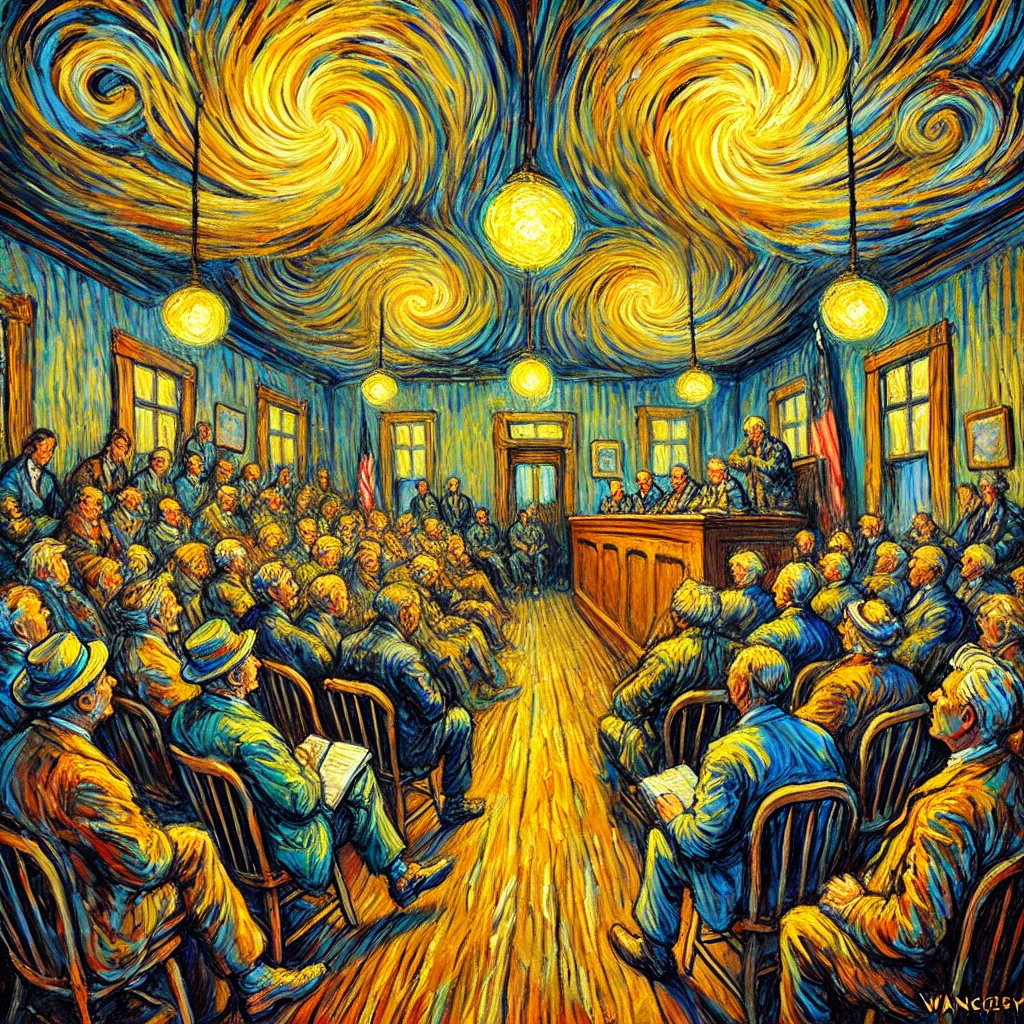
Act I – The Ordinance That Appeared Overnight
Act II – The Back Closet Where Time Goes to Hide
Town Hall in daylight looked less like a battleground and more like a building that wished it had been built for something else. The fluorescent lights were less theatrical. The corners were less shadowy. The hallway carpet still had that same pattern designed to hide stains and accountability.
Clovis arrived at 8:12 AM, which in a small town is considered suspiciously early.
He carried a tote bag with a laptop, a legal pad, and a stack of folders that were color-coded in a way that suggested he did not fear complexity – he merely organized it.
The Clerk was at her desk, already irritated in the manner of someone who’d been irritated since birth and had learned to function through it.
“You’re early,” she said.
“It’s a habit,” Clovis replied.
She handed him a clipboard. “Fill this out. Records request. Specify what you want.”
Clovis took the pen and wrote carefully:
Minutes, agendas, drafts, and final ordinances related to any signage regulation, specifically any ordinance comparable to Ordinance 22-14, for years 2014–2016, with emphasis on 2015.
He added, almost as an afterthought:
Including any handwritten notes or unofficial minutes.
The Clerk read it and made a noise that meant why are you like this.
“You know,” she said, “we don’t keep ‘unofficial minutes.’”
Clovis met her eyes. “You do. You just don’t call them that.”
The Clerk stared at him, then looked away.
“Follow me,” she said.
She led him through a door behind her desk, down a short hallway that smelled like paper and resignation, and into the storage room.
If the main chamber of Town Hall was where civic decisions were performed, the storage room was where civic decisions went to die.
Metal shelves lined the walls. Boxes were stacked in piles that had the posture of long neglect. Some were labeled neatly. Some were labeled in fading marker. Some were labeled with hope instead of accuracy.
Clovis’s eyes lit up, not with joy, but with the calm excitement of a man who had found a maze he understood.
The Clerk pointed. “Minutes are roughly organized by year. Roughly.”
Clovis nodded. “Roughly is fine.”
The Clerk folded her arms. “You can look. You can take notes. No documents leave the building.”
Clovis raised a hand like he was swearing an oath. “Understood.”
“And Clovis,” she added, voice firm, “don’t make a mess.”
Clovis looked around at the decades of mess. “I’m not sure I could.”

Act II – The Back Closet Where Time Goes to Hide
She left him there.
And Clovis began.
He pulled boxes down one at a time. He opened them like they were time capsules. He examined stacks of papers – agendas, minutes, committee reports, memos, newspaper clippings, and, occasionally, something that looked like it had been used to wrap a sandwich.
He worked methodically:
-
Find year.
-
Find month.
-
Find meeting.
-
Identify ordinance discussions.
-
Cross-check names.
-
Look for key phrases: signage, roadside, promotional, litter, nuisance, regulation, enforcement.
He built a timeline on his legal pad.
He was three boxes in when he found something that made his pen pause:
A folder labeled, in sharp black ink:
2015 – SPECIAL MEETINGS – “SIGNS”
Clovis’s heartbeat did that subtle thing it did when he got close to a truth that other people were currently arguing about.
He opened the folder.
Inside were minutes printed on old paper, stapled, with handwritten annotations in the margins.
At the top of the first page:
Town of Sequatchie Crossing – Special Meeting – April 16, 2015
Clovis whispered to himself, “Well, hello.”
He read.
The minutes included a discussion about roadside signs.
The language was strikingly familiar.
There was mention of “unattended promotional materials.” There was mention of “temporary signage.” There was mention of “public right-of-way.”
Then he reached a line – simple, blunt, devastating:
Motion to approve signage ordinance as presented. Seconded. Vote: Unanimous.
Clovis sat back on his heels.
He read it again.
He flipped the page.
There it was in attachment form: a copy of the ordinance itself.
It wasn’t labeled Ordinance 22-14.
It was labeled:
Ordinance 15-07.
But the content – down to the phrasing – looked nearly identical to what the town was currently fighting about.
Clovis’s mind did what it always did: it moved from discovery to implication.
If this was true – if this ordinance existed and was passed unanimously in 2015 – then the entire current argument wasn’t about whether it had been approved.
It had.
The argument was about something else.
And the something else was going to make people uncomfortable.
Because the town loved to argue about “new rules” being forced on “old ways.”
But what did you do when the “new rule” turned out to be an old rule everybody had forgotten?
What did you do when the outrage had no paperwork to stand on?
Clovis carefully slid the pages back into the folder and checked the margins.
There was handwriting, possibly from the Clerk at the time, possibly from a commissioner who liked underlining.
And on the very bottom of the last page, in a scribbled note that looked like it had been written in haste:
“We passed it unanimously.”
Clovis stared at that note as if it were a prophecy.
Then he began copying.
Not the whole thing – he wasn’t allowed to. But he took detailed notes. Page numbers. Dates. Names. Motions. The exact phrasing of the vote.
He wrote so carefully it looked like he was engraving the truth into paper.
And as he worked, he realized something else: there were gaps.
The official binder labeled “2015 Minutes” on the shelf did not include this special meeting.
Which meant the minutes existed – but had been separated.
Misfiled.
Or set aside.
Or quietly forgotten.
Clovis closed the folder and looked around the storage room.
Somewhere in this room, the town’s past had been rearranged by accident or convenience.
And he was now holding a piece of it in his mind like a lit match.

Act II – The Back Closet Where Time Goes to Hide
Act III – The Manila Folder That Changed Everyone’s Tone
Clovis returned to the front office with the careful gait of a man carrying something fragile, even though the fragile thing was simply information.
The Clerk looked up. “Find anything?”
Clovis set his legal pad down gently. “Yes.”
The Clerk’s face tightened. “What?”
Clovis spoke calmly, because he knew calm made people more nervous than excitement.
“There’s a special meeting in April 2015,” he said. “Minutes include a vote approving a signage ordinance. Unanimous.”
The Clerk blinked once, as if her brain needed a moment to accept that history had just walked into her office.
“That can’t be,” she said automatically.
Clovis tilted his head. “It can. It is.”
The Clerk stood, briskly, like a person trying to physically outrun a fact.
“Show me,” she said.
Clovis led her back into the storage room. He pulled the folder out again and held it out like evidence.
The Clerk took it and began reading fast.
Her eyes moved, scanning, then slowing, then stopping.
She read the line.
Her mouth tightened.
She flipped pages.
She found the attachment.
Her face shifted into something Clovis recognized: the look of a person who realizes their job just got harder.
“This is…” she murmured.
“Real,” Clovis supplied.
The Clerk stared at the bottom scribble.
“We passed it unanimously,” she read aloud, and her voice sounded like she was tasting the words for poison.
She looked up at Clovis. “Why wasn’t this in the binder?”
Clovis shrugged. “Because binders are only as good as the hands that fill them.”
The Clerk did not like that answer, because it implied the town’s entire memory system depended on human attention, which was the exact problem the Clerk spent her life trying to correct.
She exhaled sharply. “We need to bring this to the board.”
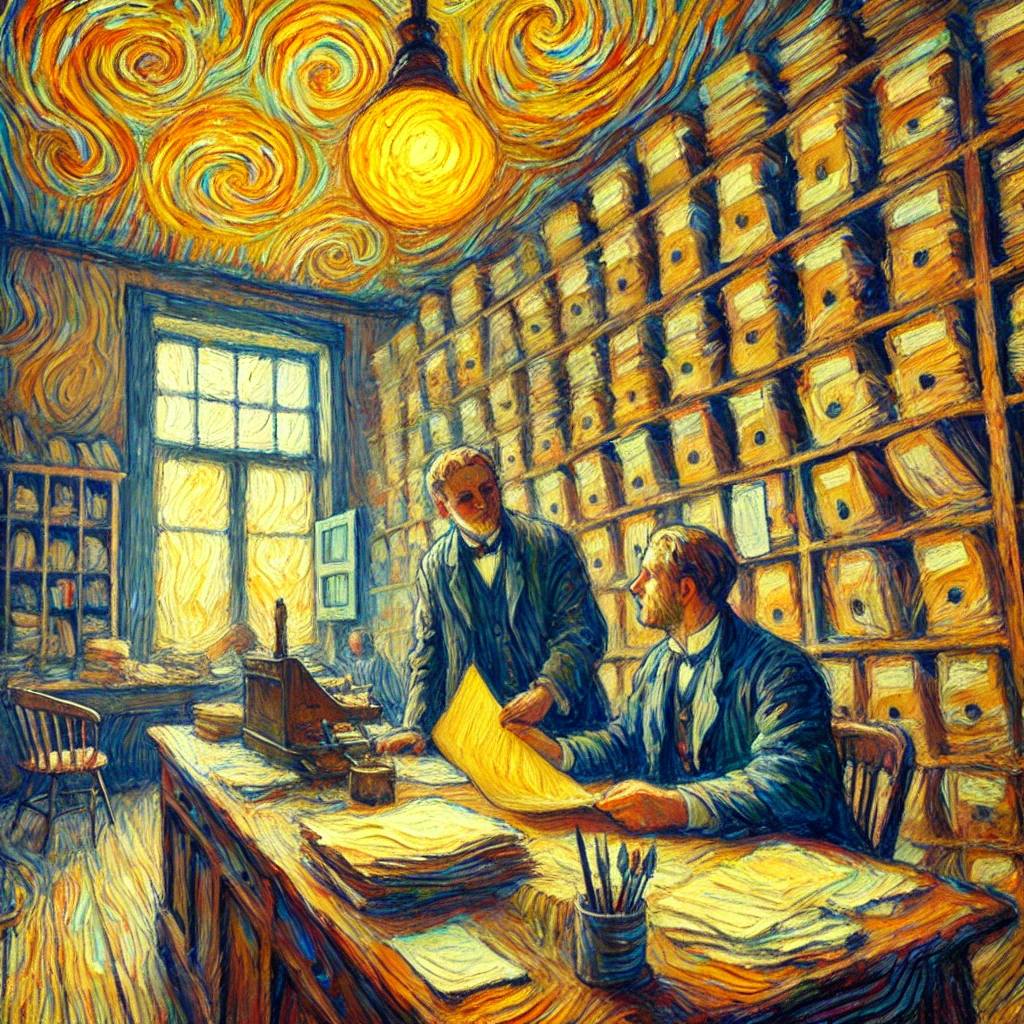
Act III – The Manila Folder That Changed Everyone’s Tone
Clovis nodded. “That’s what minutes are for.”
The Clerk began forming plans with the energy of a person who’d just discovered a leak. “I’ll scan these. I’ll cross-reference. I’ll – ”
“You can’t scan without authorization,” Clovis said gently.
The Clerk paused, then narrowed her eyes. “Don’t cite procedure at me.”
Clovis smiled. “I’m learning from the best.”
The Clerk closed the folder like it might escape.
She walked back to her desk with the posture of someone carrying a heavy tray.
Then she stopped.
She looked at Clovis.
“Do you understand what you’ve found?” she asked.
Clovis’s voice stayed even. “Yes. The ordinance wasn’t invented recently. It was approved. Unanimously. In 2015.”
The Clerk lowered her voice. “Do you understand what that means for tonight?”
Clovis blinked. “It means the conversation changes.”
The Clerk’s expression hardened. “It means people will be angry.”
Clovis nodded. “They already are.”
“Yes,” the Clerk said, “but now they’ll be angry at the past.”
Clovis waited.
The Clerk leaned in. “And people don’t like it when you prove the past is inconvenient.”
Clovis’s smile faded into seriousness.
“That,” he said, “is why minutes matter.”
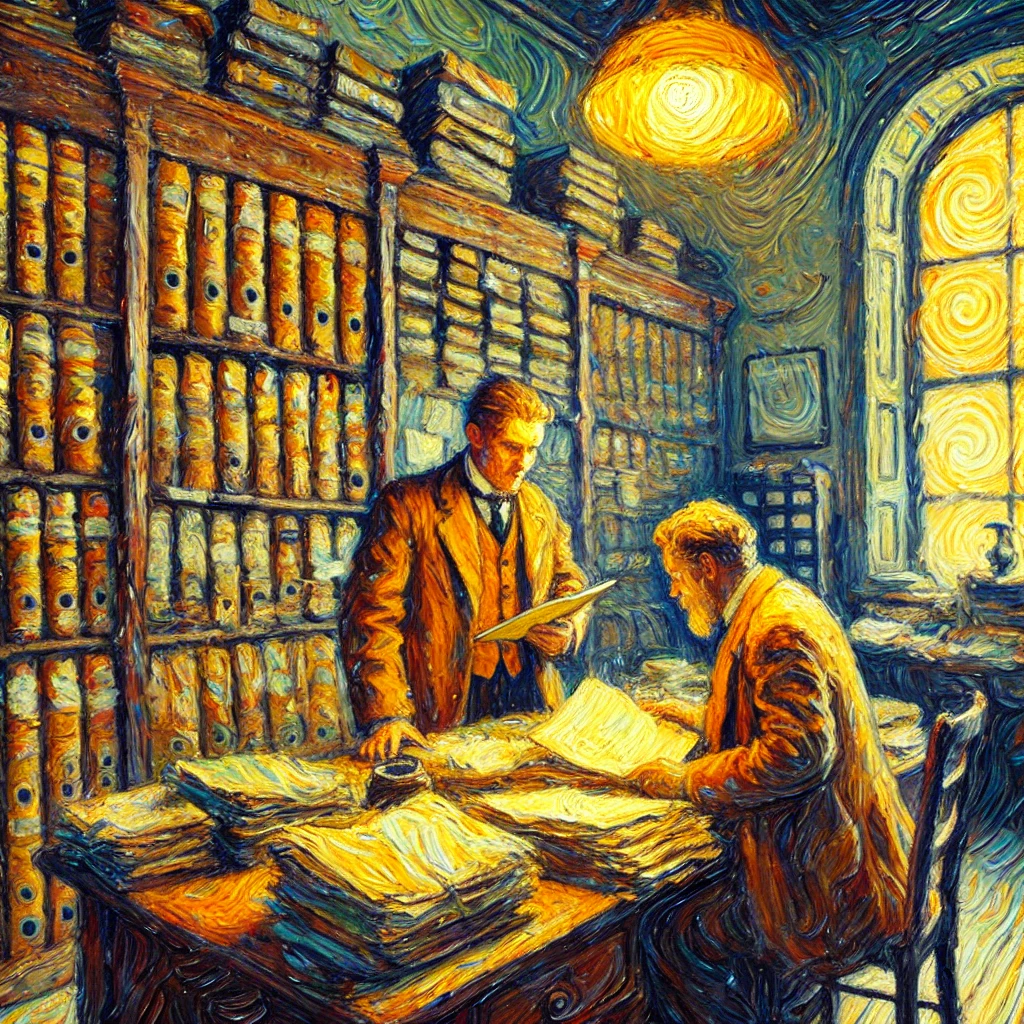
Act III – The Manila Folder That Changed Everyone’s Tone
Act IV – A Meeting Reopened, A Room Rewired
That evening, Town Hall filled faster than usual.
Word travels in Sequatchie Crossing the way smoke travels in a dry field: quickly, regardless of wind direction, and always to the person least equipped to respond calmly.
By 6:45 PM, Boot Barnes was already in his seat, arms crossed, eyes bright with battle.
Mabel Dean brought a small container of muffins, the way she always did when conflict felt inevitable – because feeding people was her most reliable form of peacemaking.
Sheriff Peeler took his place along the back wall again, a human reminder that tonight could go sideways.
Clovis arrived with his binder and his legal pad and the quiet composure of a man who knew he was about to detonate a truth in public.
The Mayor called the meeting to order, and you could hear the tension in his voice, as if he’d swallowed a staple.
The Clerk spoke first.
“Before we revisit Ordinance 22-14,” she said, “we need to address a record correction.”
Boot sat up. “Here we go.”
The Clerk held up a set of papers – copies, now, neatly stapled, with a bright label at the top:
April 16, 2015 – Special Meeting Minutes
A murmur moved through the room like a small animal.
The Clerk continued. “Earlier today, archival minutes were located for a special meeting held April 16, 2015. These minutes document the approval of a signage ordinance.”
Boot’s voice cut through. “What signage ordinance?”
The Clerk’s eyes stayed forward. “One substantially similar to the ordinance currently under discussion.”
Boot stood half up from his chair like gravity had insulted him.
The Clerk’s voice sharpened. “The minutes show the ordinance was approved. Motion, second, and vote were recorded. The vote was unanimous.”
A beat of silence hit – heavy, stunned, and brief.
Then the room reacted the way it always did when reality disrupted a good argument:
It rebelled.
“That don’t mean nothin’,” Boot said, loud enough to be considered a siren. “That’s old paper.”
A man near the aisle said, “Anybody can type that up.”
Another woman said, “Why’d it just show up now?”
Someone else muttered, “Convenient.”
The Mayor lifted his hands. “Please. Let the Clerk finish.”
The Clerk held up another page. “The minutes include an attachment – the ordinance text. It is Ordinance 15-07. It governs temporary signage in the right-of-way, unattended promotional materials, and related enforcement provisions.”
Boot pointed. “We ain’t never voted on that.”
The Clerk did not flinch. “According to the minutes, you did.”
Boot’s face turned into a complicated expression: half indignation, half betrayal, half confusion – Boot could hold three halves at once.
“I wasn’t there,” Boot said.
The Clerk nodded once. “Then you didn’t vote. But the board did.”
Boot’s voice rose. “Then who voted?”
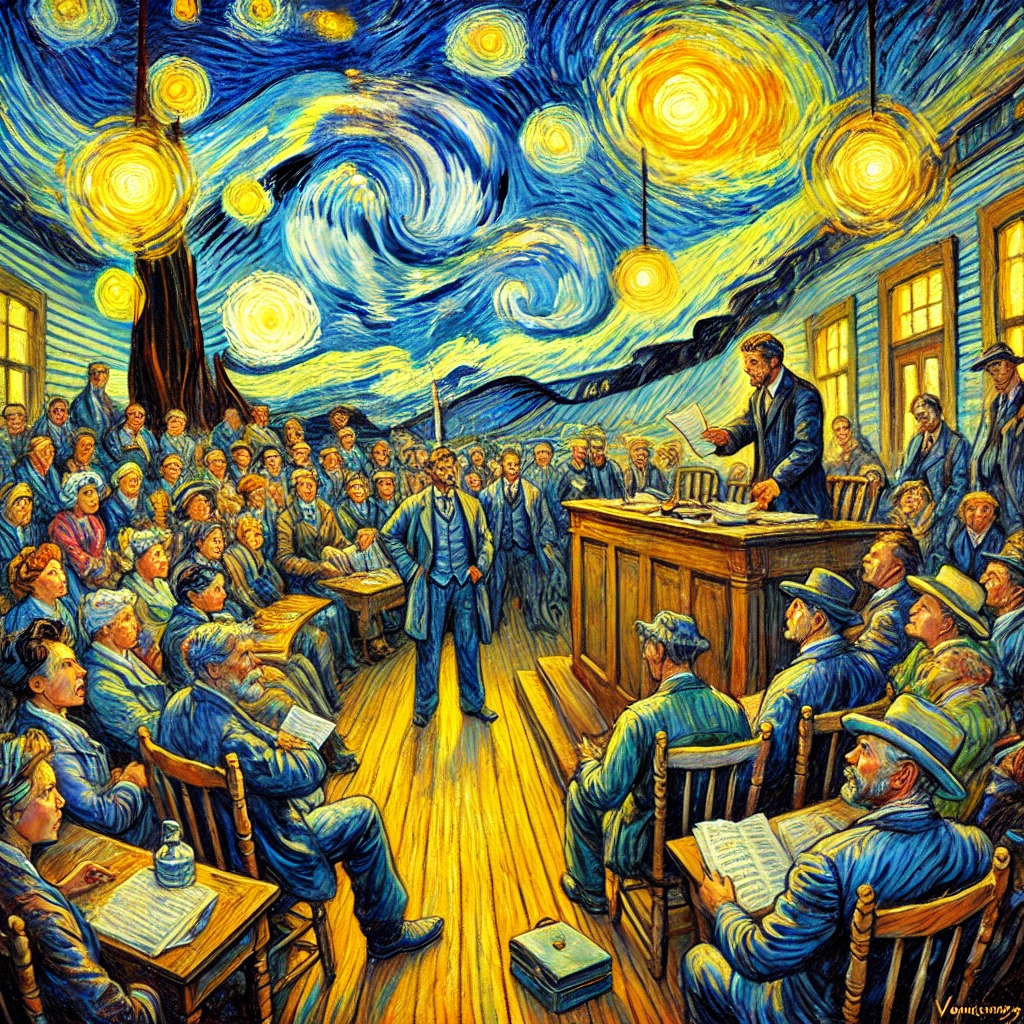
Act IV – A Meeting Reopened, A Room Rewired
The Clerk’s eyes went to the names on the minutes. She read them, one by one, like a roll call of ghosts.
Several current officials shifted in their seats.
One commissioner coughed.
Another commissioner stared at the table like it might offer escape.
Mabel Dean whispered to herself, “Lord.”
Sheriff Peeler did not move, but his eyes sharpened.
Clovis remained silent.
Because the room had now hit the real nerve:
If the ordinance was passed unanimously, then the people who passed it – some of whom were still here, still governing, still presenting themselves as protectors of local tradition – had either forgotten or hoped everyone else would.
And in Sequatchie Crossing, forgetting was acceptable.
But being caught forgetting looked a lot like lying.
The Mayor cleared his throat. “This indicates the ordinance existed prior to the recent enforcement – ”
Boot cut in. “So why wasn’t we told?”
The Clerk replied, “It was public record.”
Boot’s voice sharpened. “Public record don’t mean public knowledge.”
A woman near the back said, “That’s true, honestly.”
The Mayor tried again. “The question before us now is not whether the ordinance exists. It does. The question is whether we want to amend it, repeal it, or clarify enforcement.”
And right then, the room changed shape.
Because you could feel the confusion settle into something else:
Not outrage about a “new rule.”
Outrage about being reminded that the town had been capable of rules the whole time.
Clovis watched it happen the way a weather watcher watches clouds turn.
He’d brought the minutes.
Now the minutes were bringing consequences.
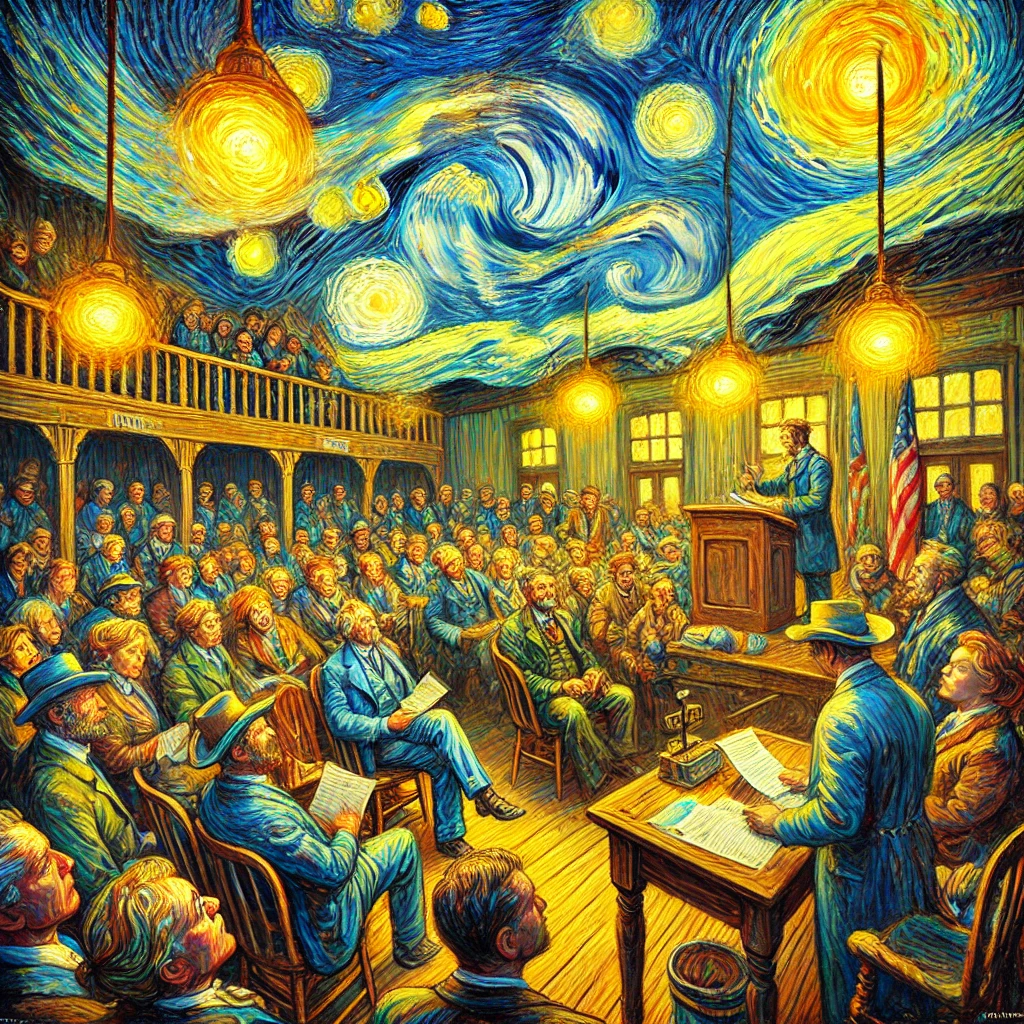
Act IV – A Meeting Reopened, A Room Rewired
Act V – Boot Barnes Declares the Past Invalid
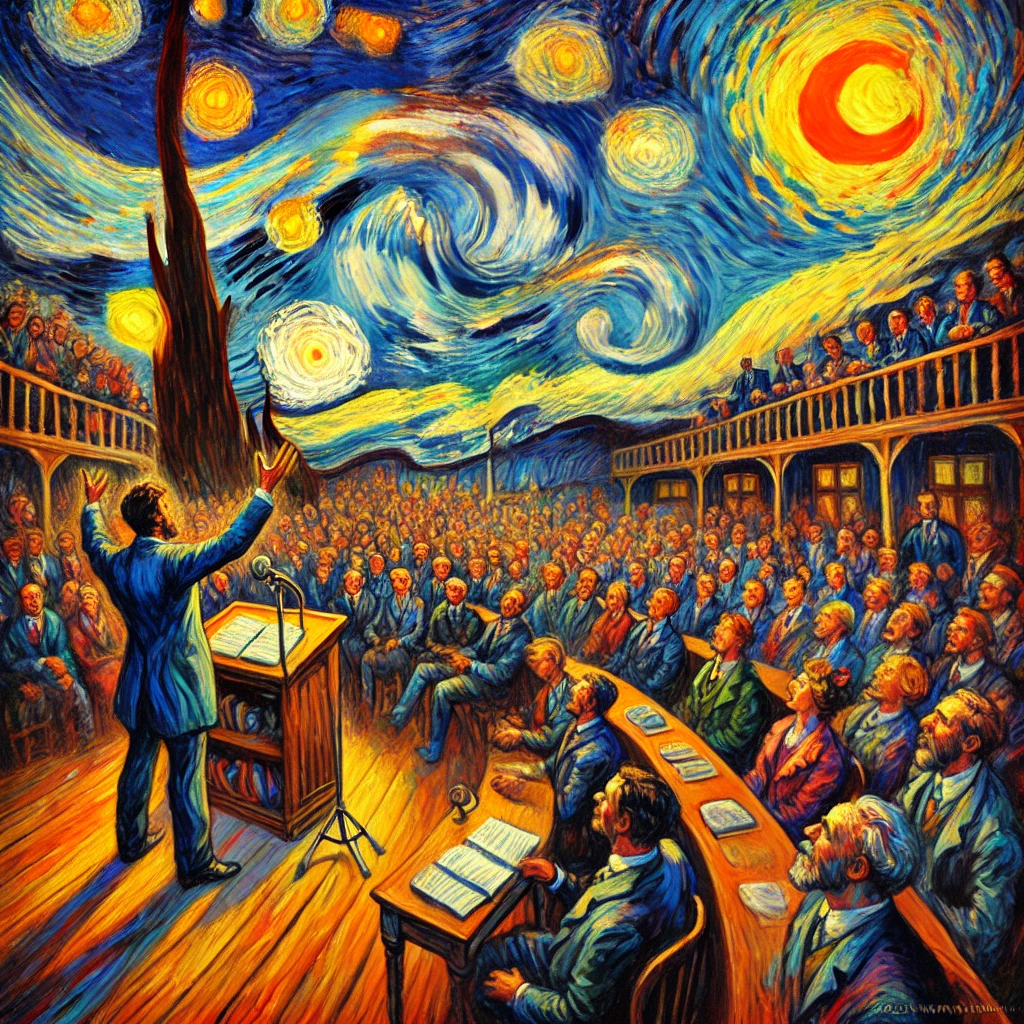
Boot Barnes walked to the microphone during public comment like he was walking to testify at the end of the world.
He did not adjust the microphone. He leaned into it as though the microphone owed him attention.
“I don’t care what that paper says,” he began. “I care what we’ve been livin’. We ain’t been livin’ under no sign ordinance.”
A murmur of agreement.
Boot continued, building rhythm. “If you pass something and don’t enforce it for ten years, it’s not a law. It’s a suggestion somebody forgot about.”
The Clerk muttered, not quite under her breath, “That is not how law works.”
Boot heard her anyway. “That’s exactly how it works around here.”
A few people laughed. The laughter was not joy. It was recognition.
Boot pointed at the dais. “And I’m tellin’ you right now: producing old minutes don’t make it right. It makes it sneaky.”
Clovis sat still, pen idle.
He didn’t interrupt Boot. Boot deserved his speech. Everyone did. It was how the town processed shame: by converting it into volume.
Boot pivoted toward the crowd. “And if y’all wanna enforce this now, after all these years, then be honest. Say you want control. Don’t pretend it’s ‘the record.’”
He stepped away from the mic, satisfied, as if he’d just declared a doctrine.
Then a different resident approached – a woman with a stack of printed pages and the energy of someone who had read too much online.
“I want to know who hid those minutes,” she said.
The room hummed.
The Mayor spoke carefully. “We don’t have evidence anyone hid anything.”
The woman’s eyes narrowed. “So you’re saying it was lost?”
The Clerk replied, “Misfiled.”
“That sounds like ‘hid’ with paperwork,” the woman snapped.
Sheriff Peeler shifted slightly, like he was preparing for the moment when someone suggested calling the state.
Then Mabel Dean stood.

Act V – Boot Barnes Declares the Past Invalid
She moved to the microphone slowly, as if she hoped gentleness might lower the temperature of the room.
“I just want to say,” she began, “I’m not sure we ought to be mad at the minutes.”
A few people turned, startled – Mabel was not known for choosing conflict.
She continued. “We’re mad at each other. The minutes are just… paper.”
Boot muttered loudly, “Paper can be a weapon.”
Mabel smiled sadly. “So can words.”
She looked toward the dais. “If it was passed in 2015, then maybe we should talk about why nobody remembers. Maybe we should talk about why we didn’t care until it touched us.”
The room got quiet, because Mabel had a gift: she could say hard things softly enough that people listened before they reacted.
Then she added, “And maybe we should talk about why we can’t stand being wrong.”
Boot scoffed, because that last sentence landed too close to home.
Clovis watched the room, not speaking, but cataloging.
Because the minutes had not solved the problem.
They had simply moved the fight to a deeper layer:
-
Trust.
-
Memory.
-
Accountability.
-
The uncomfortable fact that the town’s history was not always convenient.
Act V – Boot Barnes Declares the Past Invalid
Act VI – The Unsettling Detail Nobody Wants to Read Aloud
After public comment, the Mayor called a short recess.
People stood in clusters, talking fast.
Boot Barnes gathered a circle like a campfire. “You can’t tell me a law you didn’t know about is valid,” he declared, as if validity were a vote.
A few people nodded as if they’d been waiting their whole lives for someone to say that sentence.
Mabel offered muffins to a group of older ladies, who took them the way you take communion – quietly, reverently, with a side of gossip.
Sheriff Peeler moved through the room, checking the edges, hearing snippets:
“Who wrote it?”
“Who voted?”
“Why now?”
“Convenient.”
“Feels like a setup.”
Clovis remained seated, flipping through his binder.
And then he found it.
A page he hadn’t focused on earlier because he’d been hunting for the vote.
A paragraph in the 2015 minutes under “Discussion” that read, in essence:
-
Complaints had been received.
-
A local business had accused a competing business of placing signs in the right-of-way.
-
The board discussed fairness and “selective enforcement.”
-
The board wanted a rule “so enforcement wouldn’t look personal.”
Clovis’s eyes moved to the names referenced indirectly.
It wasn’t explicit – minutes rarely were – but it was clear enough:
This ordinance had been born out of a feud.
Not a policy initiative.
A feud.
Act VI – The Unsettling Detail Nobody Wants to Read
Clovis felt a slow, sinking amusement, the kind that arrives when you realize the entire civic world runs on personal grudges wearing formal clothes.
When the meeting resumed, the Mayor began to speak about “next steps.”
Clovis raised his hand.
The room froze slightly, because when Clovis raised his hand, something always happened.
The Mayor hesitated. “Yes, Mr. Strickland?”
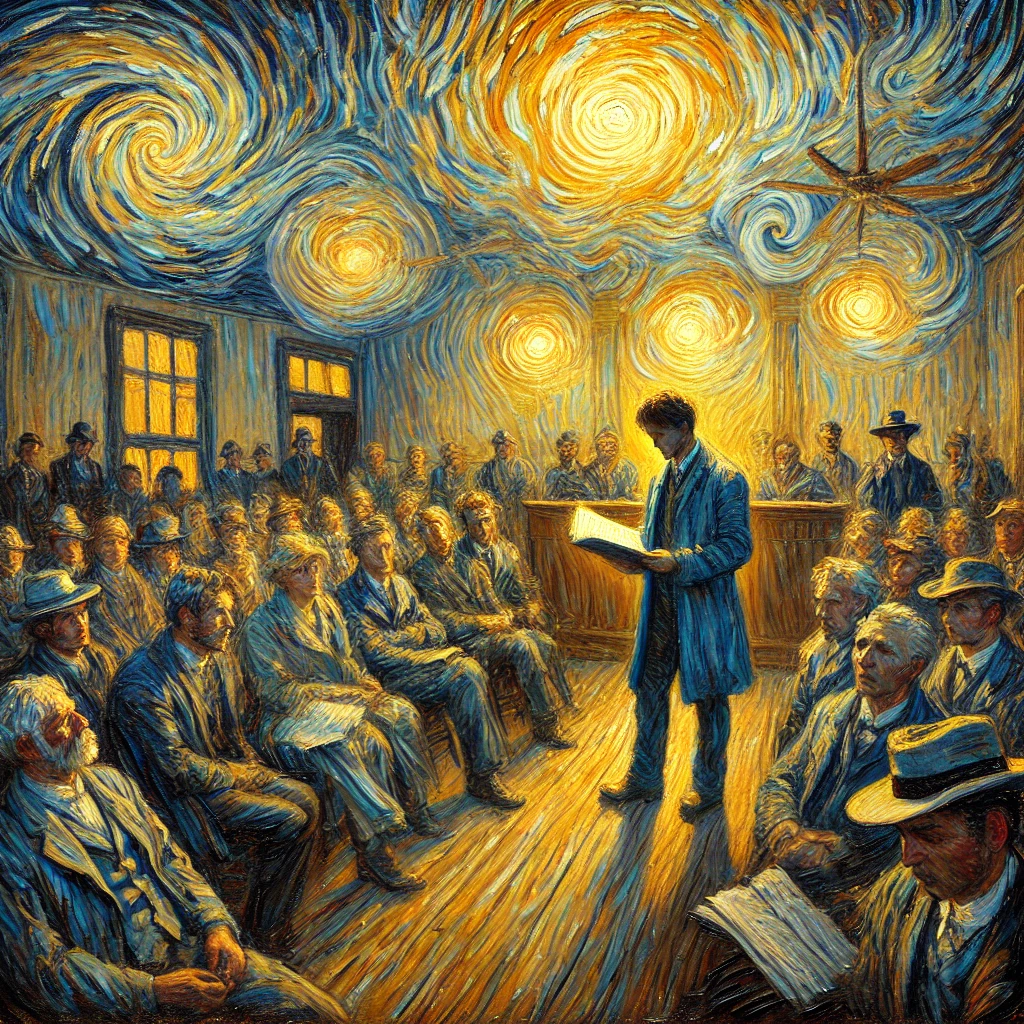
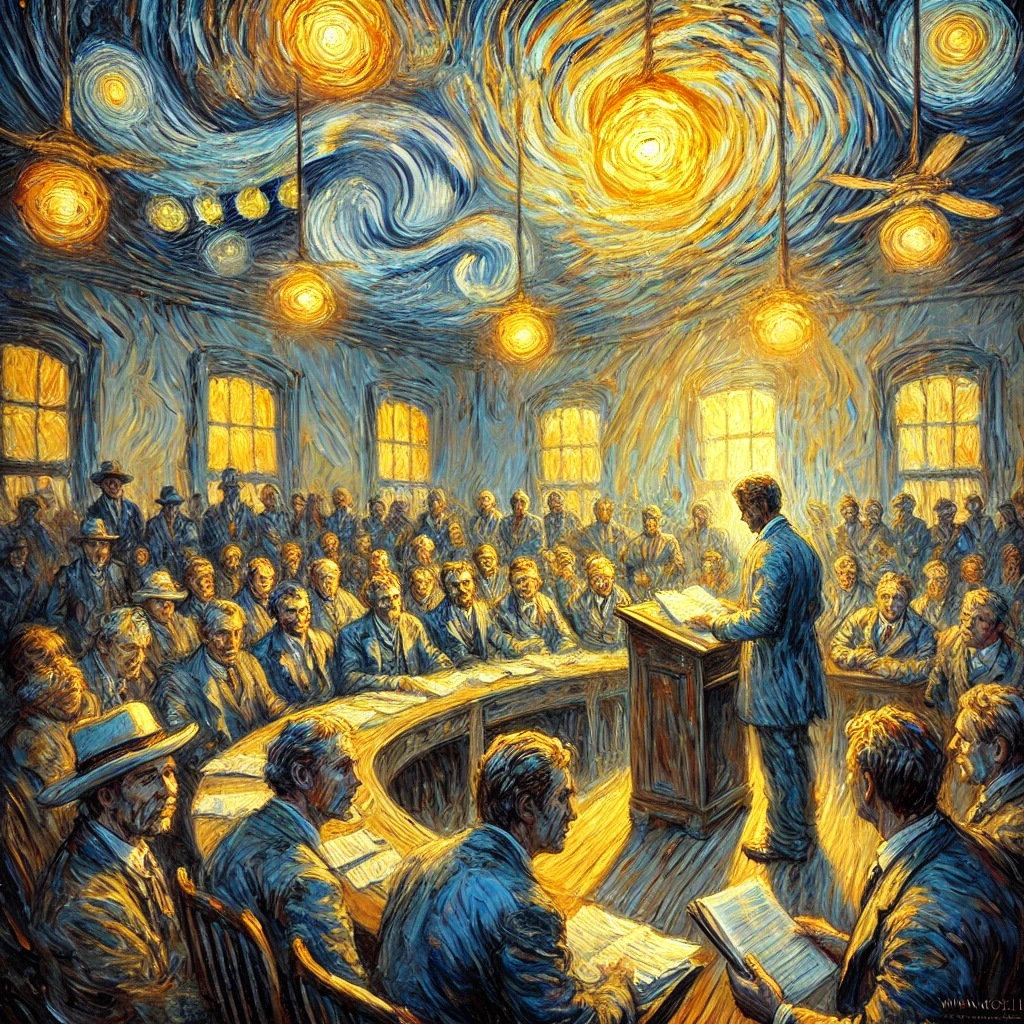
Clovis stood and walked to the microphone, binder in hand.
He opened it carefully.
“I want to add one detail,” Clovis said.
Boot sighed dramatically. “Oh Lord.”
Clovis did not react. “The 2015 minutes note that the ordinance was proposed in response to complaints about selective enforcement and personal disputes around signage.”
The room’s temperature dropped.
Because suddenly, everyone could imagine it:
A decade-old argument. A business rivalry. A neighbor complaint. A board trying to avoid taking sides by creating a rule that could be used later by anyone.
And now – years later – the rule had resurfaced, and the town was acting like it had arrived in the night like an unwanted visitor.
Boot’s voice rose. “So it was personal then, and it’s personal now.”
The Mayor looked uncomfortable. “That’s not what – ”
Clovis continued anyway. “The reason this unsettles people is not the ordinance. It’s the reminder that many things we call ‘tradition’ are simply habits that were never tested.”
The room went quiet again.
Clovis closed his binder. “I’m done.”
He stepped away.
And for the first time that night, nobody had anything immediate to say.
Because Clovis had done something rare in Sequatchie Crossing:
He had made the argument about the town itself.
Act VI – The Unsettling Detail Nobody Wants to Read
Act VII – The Board Tries to Swallow a Decade in One Motion
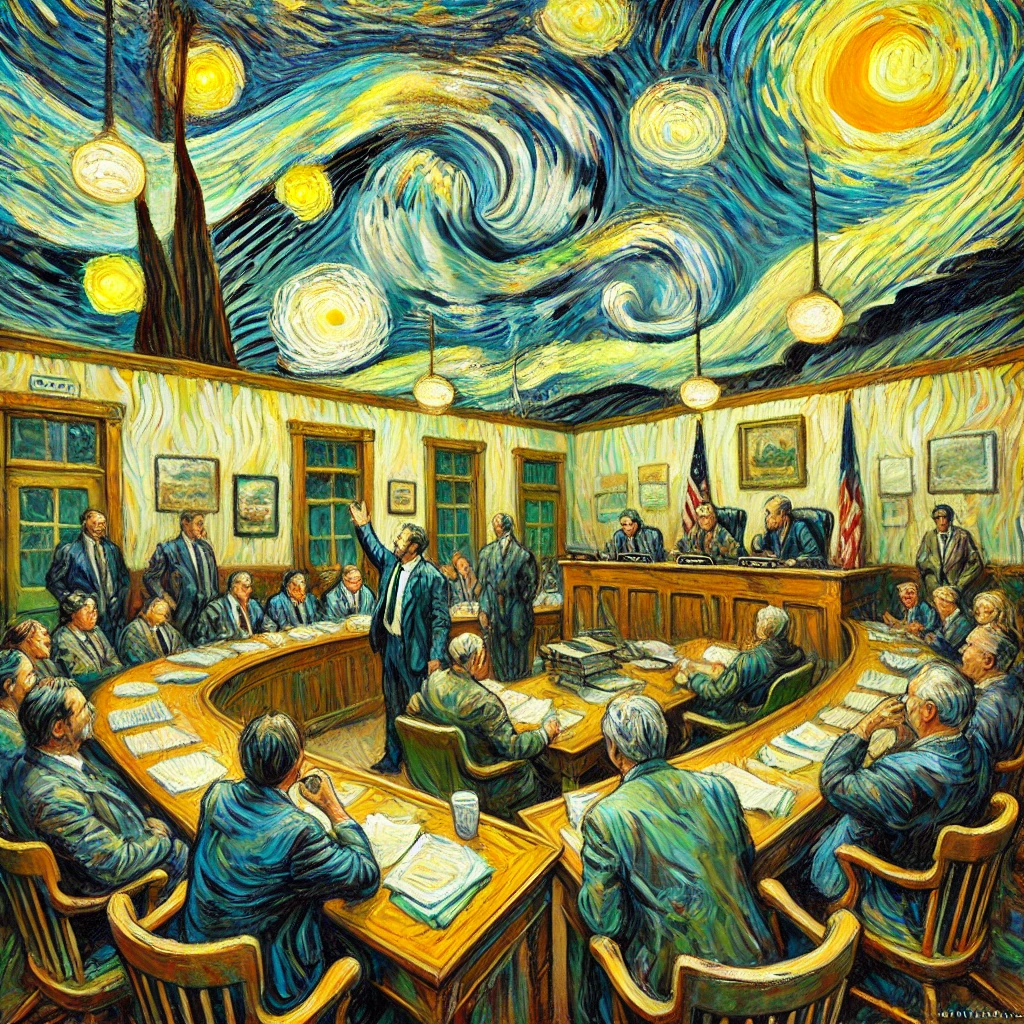
The Mayor attempted to regain control by returning to procedure – because procedure was the only thing that could restrain emotion without actually solving it.
“Given the discovery of Ordinance 15-07,” he said, “we have options. We can reaffirm, amend, repeal, or clarify enforcement policy.”
A commissioner – one of the ones who usually said nothing – cleared his throat and spoke.
“I move we reaffirm the ordinance and adopt an enforcement guideline going forward.”
The room erupted immediately.
Boot stood again. “You can’t ‘reaffirm’ something nobody knew existed!”
The Clerk spoke sharply. “Ignorance is not repeal.”
Boot pointed. “It ought to be!”
Another resident shouted, “That’s not fair!”
Someone else yelled, “What about all the signs we’ve had for years?”
The Mayor banged the gavel. “Order!”
Sheriff Peeler’s posture shifted – still calm, but now alert, like a man who knows the word “order” is often the first sign of disorder.
Mabel Dean raised her hand timidly, then lowered it, realizing timidity was not a recognized parliamentary tool.
Clovis sat and watched the board wrestle with the basic problem:
They had wanted to avoid a fight by saying the record was missing.
Now the record was present.
And it had forced them into a harder fight:
What do you do when the truth doesn’t match the story the town likes to tell itself?
The commissioner who made the motion looked increasingly regretful.
Another commissioner spoke, voice careful. “Maybe we should repeal it and start over.”
Boot nodded vigorously. “There you go.”
The Clerk’s face tightened. “Repealing a valid ordinance because people forgot about it sets a bad precedent.”
Boot shot back, “So does enforcing stuff nobody’s lived under.”
The Mayor rubbed his forehead.
And then – because Sequatchie Crossing could not resist dramatic symbolism – the lights flickered.
Not much. Just once.
But the room interpreted it anyway.
A woman whispered, “Even the building don’t like this.”
Sheriff Peeler muttered, “It’s fluorescent. They do that.”
Nobody listened.
The Mayor asked for a vote to table the whole matter again – because tabling was the town’s favorite form of resolution.
The motion failed.
Act VII – The Board Tries to Swallow a Decade in One Motion
They were stuck.
So they did what stuck people do: they formed a committee.
“We’ll form a Signage Review Committee,” the Mayor announced, as though committees were not the reason the storage closet was full.
Boot laughed. “A committee? That’s your solution?”
The Mayor said, “We need public input.”
Boot spread his arms. “You’re gettin’ public input right now!”
The Mayor’s voice rose, a little desperate. “We need structured input.”
Clovis wrote a note:
STRUCTURED INPUT = SLOWER FIGHT.
The Mayor finalized it. “Committee will review ordinance history, enforcement, and recommend amendments.”
And the Clerk – perhaps out of spite, perhaps out of survival – added:
“And the committee will maintain proper minutes.”
The room laughed uneasily.
Clovis did not.
Because he knew exactly how minutes ended up lost.
They ended up lost when nobody wanted to be responsible for what happened.
Act VII – The Board Tries to Swallow a Decade in One Motion
Act VIII – Clovis Becomes the Problem for Solving the Problem
The next day, the town did what it always did after a public meeting: it held the real meeting in private.
At the diner.
At the feed store.
On porches.
In group texts.
In comments under posts that were somehow about potholes but became about signs.
Boot Barnes was everywhere, telling anyone who would listen that the minutes were “convenient” and “suspicious” and “probably typed up by somebody with an agenda.”
Mabel Dean tried, gently, to remind people that the minutes were dated, stapled, and annotated in old handwriting, but no one wanted evidence – they wanted permission to remain angry.
Sheriff Peeler received three calls from people asking if “forging minutes” was a crime.
He said, truthfully, “Yes,” and then added, “But y’all aren’t gonna like the answer if you turn every disagreement into a criminal investigation.”
By Saturday, the attention had shifted.
It always shifted.
Act VIII – Clovis Becomes the Problem
At first, the minutes were the issue.
Then the ordinance was the issue.
Then enforcement was the issue.
And finally, inevitably, the issue became:
Why did Clovis bring this up?
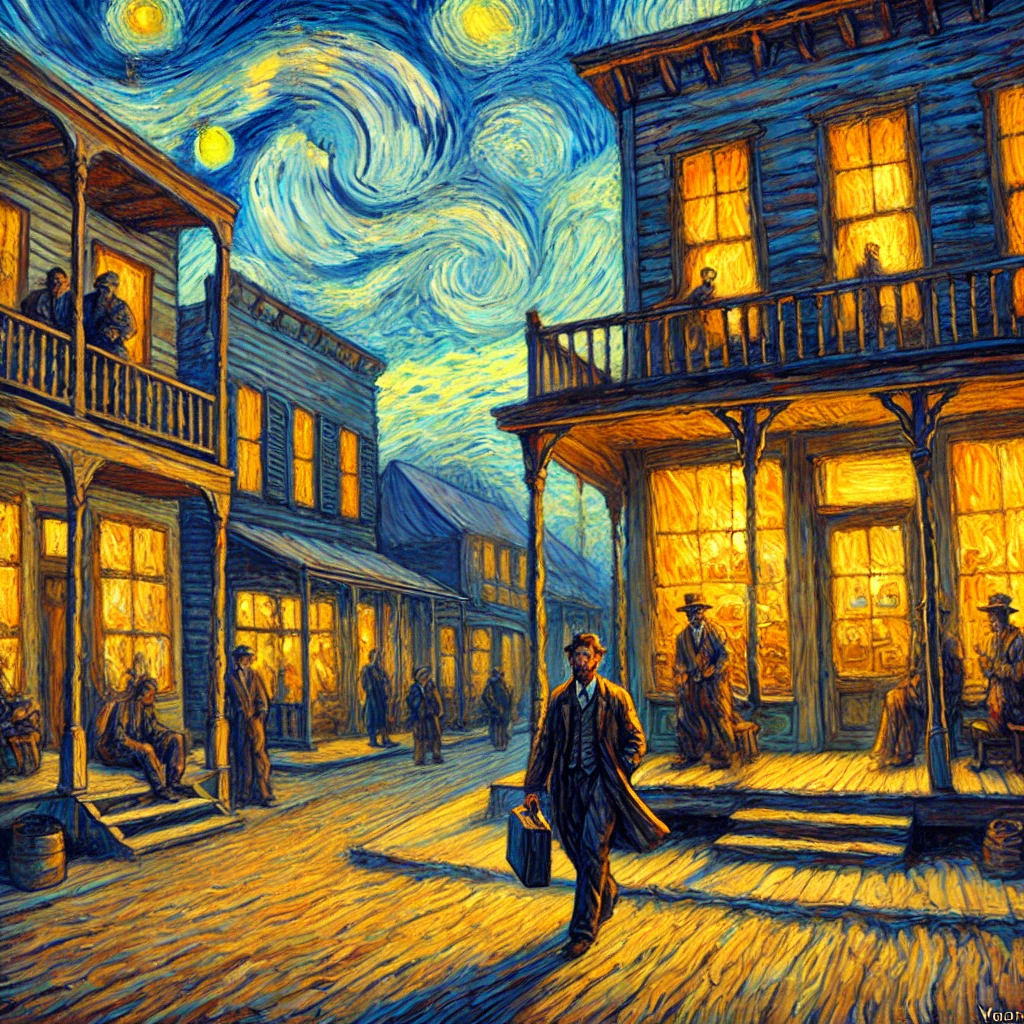
Clovis encountered it at the grocery store when a man near the produce section said loudly, “Must be nice havin’ the time to dig up old trouble.”
Clovis replied calmly, “Trouble doesn’t get old. It just gets renamed.”
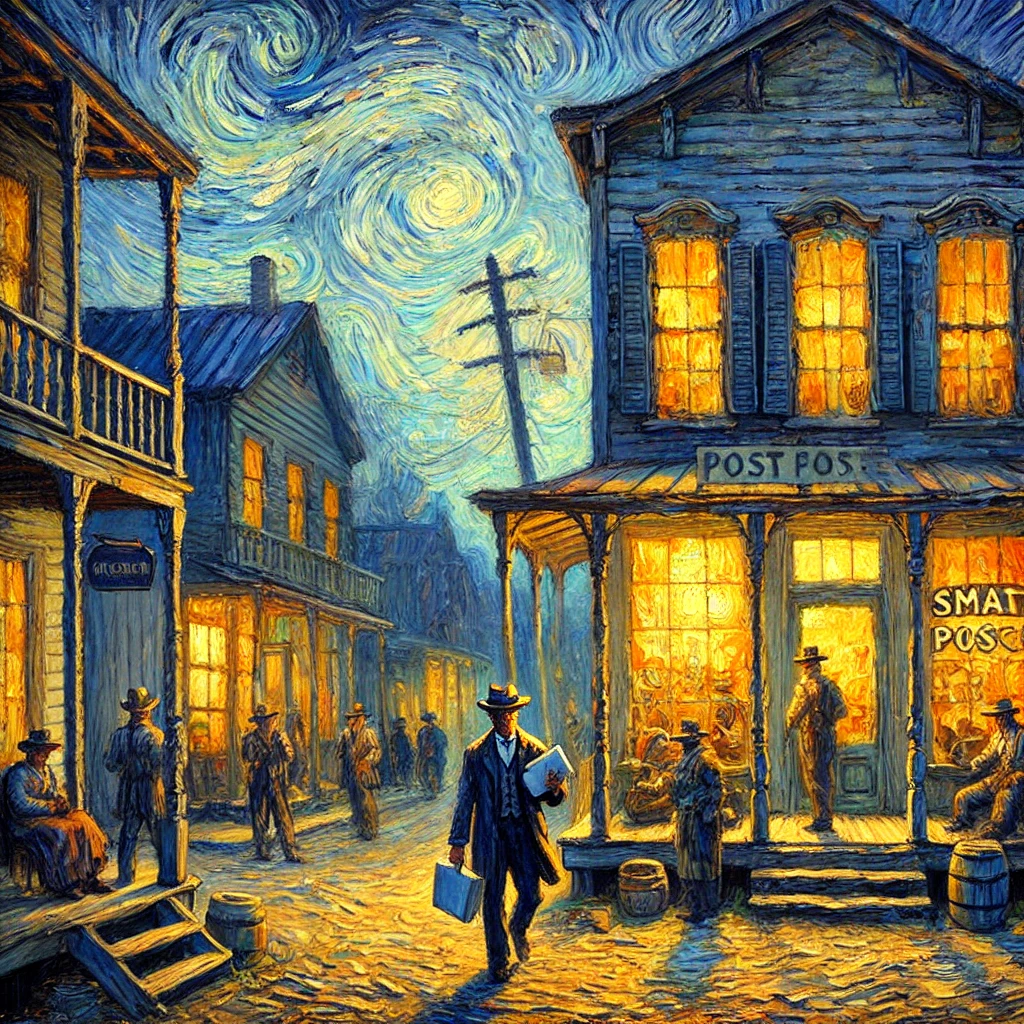
At the post office, someone muttered, “He’s always keepin’ notes. Like he’s buildin’ a case.”
Clovis didn’t respond.
Because it wasn’t worth explaining to a town that believed documentation was a personality flaw.
Then the committee list came out.
The Mayor, desperate to be seen as transparent, announced the committee members publicly.
He named two residents, one business owner, one commissioner, and – because someone on the board said it like it was obvious –
“Mr. Strickland will serve in an advisory capacity regarding the archival record.”
Boot nearly choked.
“Of course,” Boot said, loud. “Of course the man who dug it up gets a seat.”
Clovis said nothing, but he felt the shift.
He was no longer the helpful person who provided information.
He had become the embodiment of discomfort.
He had reminded the town that their memory was unreliable.
And in Sequatchie Crossing, unreliable memory was one of the town’s most cherished freedoms.
Act VIII – Clovis Becomes the Problem
Act IX – “We Passed It Unanimously” Meets “I Don’t Recall”
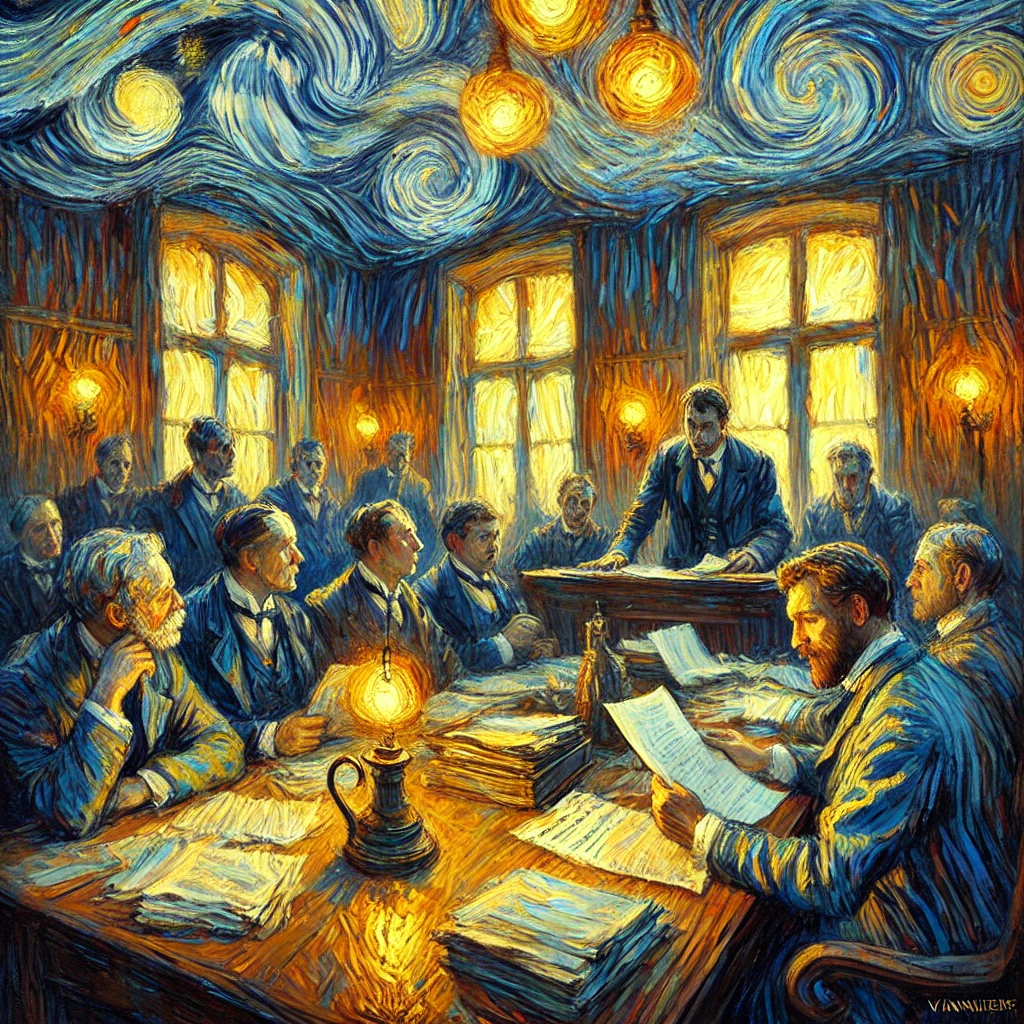
The committee met the following Wednesday in the same Town Hall, but in the smaller conference room – because smaller rooms make conflict feel more intimate.
The Clerk sat at the end of the table with a laptop open and the cautious stare of someone determined not to lose history twice.
Boot Barnes attended even though he wasn’t on the committee, because Boot believed committees were suggestions.
Sheriff Peeler stood near the doorway, not officially invited, but also not the kind of person anyone wanted to uninvite.
Clovis sat with his binder, calm, composed, and quietly prepared to become unpopular again.
The Mayor began. “First task: establish the historical record. Second: discuss enforcement. Third: propose amendments.”
The business owner on the committee – quiet, careful – asked, “Can we see the 2015 minutes?”
The Clerk slid copies across the table, as if distributing documents might defuse the anger that lived inside them.
They read.
The room was silent except for paper shifting and the occasional sigh.
Then the commissioner on the committee – the older one, the one who’d been around – looked up and said something that made Clovis’s pen stop:
“I don’t remember voting on this.”
Boot pounced. “Exactly.”
The commissioner’s face tightened. “That doesn’t mean it didn’t happen.”
Boot waved the paper. “It means you didn’t mean it!”
The Clerk’s voice was sharp. “Minutes record actions, not intentions.”
The commissioner looked down again, uncomfortable. “It says unanimous.”
Clovis spoke for the first time in the committee meeting. “It was a special meeting. April 16, 2015. Attendance list is included.”
The commissioner’s eyes narrowed slightly, scanning names.
Then he pointed at a name.
“That’s me,” he said quietly.
Then he pointed at another.
“And that’s – ”
He stopped.
The room leaned in.
He swallowed. “That’s… someone who’s still on the board.”
The air shifted.
Because now the minutes weren’t just about policy.
They were about people.
And someone – someone still sitting behind microphones – had voted unanimously on a rule they were now acting like had appeared without their consent.
Boot stared, triumphant. “So somebody’s been lyin’.”
Sheriff Peeler’s voice cut in low. “Or somebody’s been forgettin’ and now don’t like how it feels.”
The business owner asked cautiously, “Why would it be misfiled?”
The Clerk answered carefully. “It could be accidental. It could be a transition issue. It could be – ”
Boot said, “Or it could be on purpose.”
Clovis flipped to the last page and tapped the scribble.
“We passed it unanimously,” he read aloud.
Then he said, very calmly, “That note was written by someone in the room in 2015 who thought the decision mattered.”
Boot leaned forward. “Who wrote it?”
Clovis shrugged. “I don’t know.”
The Clerk said quietly, “Handwriting looks like… an old clerk.”
Boot said, “So the clerk knew.”
The clerk snapped, “The clerk always knows.”
Sheriff Peeler murmured, “That’s why the clerk’s always tired.”
The room fell into a silence that wasn’t peace – it was calculation.
Because each person was now doing the same math:
-
If this was real…
-
And it was passed…
-
And it was unanimous…
-
Then the town’s current outrage was aimed at the wrong target.
Or worse:
It was aimed at the right target – but the target wasn’t the ordinance.
The target was accountability.
Finally, the Mayor said, “We need to decide enforcement going forward.”
Boot scoffed. “Enforcement is the problem.”
Act IX – “We Passed It Unanimously” Meets “I Don’t Recall”
Clovis replied evenly, “Enforcement is reality. The question is whether reality is consistent.”
The committee argued for an hour.
They debated grandfathering.
They debated timelines.
They debated “common sense,” which is the town’s favorite weapon because it has no fixed definition.
And throughout it all, the minutes sat there on the table, quiet, printed, unbothered, like a truth that didn’t care how it was received.
At the end, the Mayor attempted closure.
“We’ll draft an amendment proposal,” he said, “and present it next meeting.”
Boot stood. “And what about Clovis?”
The Mayor blinked. “What about him?”
Boot pointed. “He’s the one who started this.”
Clovis looked at Boot, not angry, just steady.
“I didn’t start it,” Clovis said. “I found it.”
Boot’s face tightened. “Same thing.”
Clovis shook his head once.
“No,” he said. “Starting something is creating it. Finding something is admitting it already existed.”
He gathered his binder and stood.
As he left, he heard someone behind him whisper – not cruelly, but with the unsettled respect people reserve for a force they don’t know how to defeat:
“He keeps records.”
Clovis stepped into the hallway, where the lights buzzed and the air smelled faintly of paper.
He didn’t feel victorious.
He felt… responsible.
Because the truth about minutes is this:
They don’t just record what happened.
They determine who gets to pretend it didn’t.
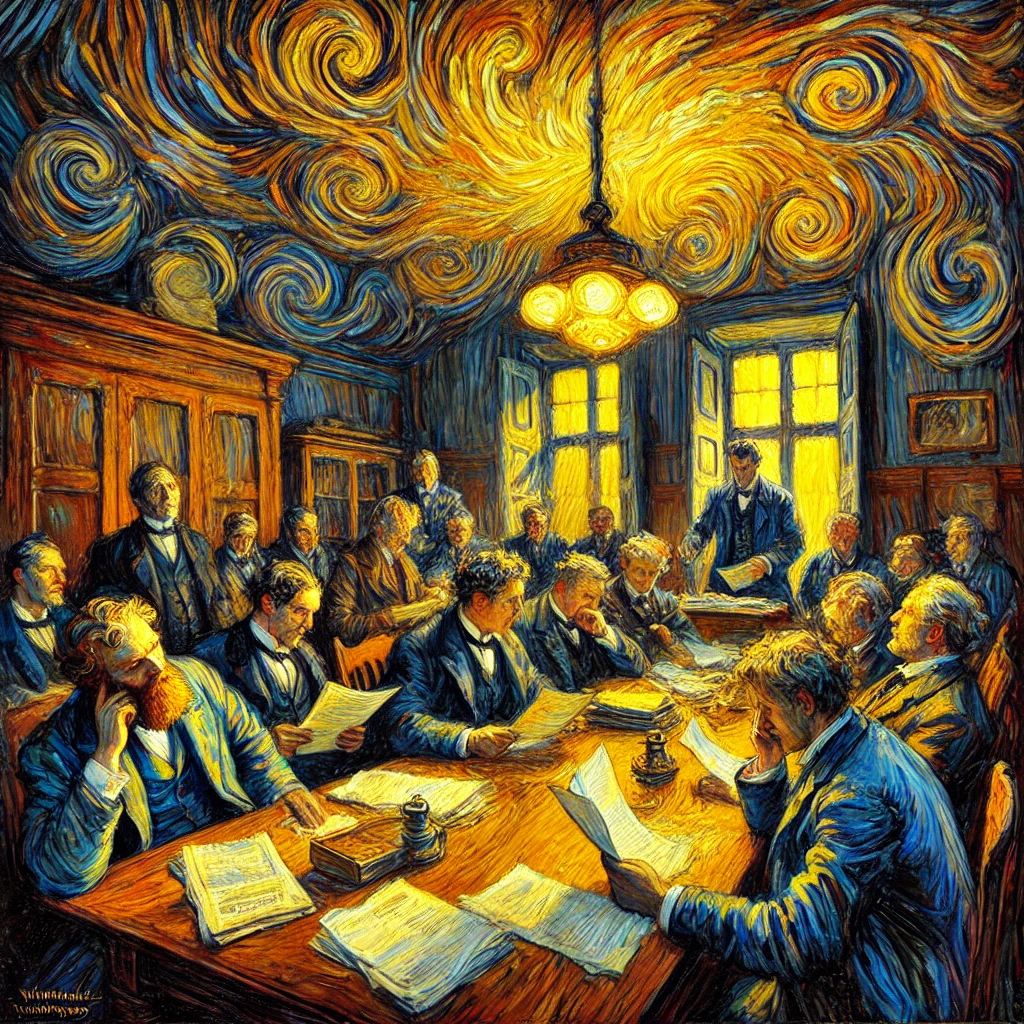
Act IX – “We Passed It Unanimously” Meets “I Don’t Recall”
Epilogue – A Town Learns the Past Has Teeth
At the next regular council meeting, the Clerk opened with a statement that sounded like a vow.
“Minutes will be posted publicly within seventy-two hours,” she said.
The room murmured – some approving, some suspicious, most confused about why anyone would promise that.
Boot Barnes sat with his arms crossed, quieter than usual, as though he’d used up his best outrage and didn’t like what was left.
Sheriff Peeler leaned against the wall again, calmer now that the conflict had shifted from “explosion” to “slow burn.”
Mabel Dean handed out muffins anyway, because she believed food was the only thing that prevented towns from eating each other alive.
And Clovis Strickland sat with his binder, taking notes, as he always did.
Not because he enjoyed conflict.
Not because he wanted power.
But because he understood something the town kept trying to forget:
If you don’t write things down, you don’t avoid consequences.
You just delay them until they arrive with interest.
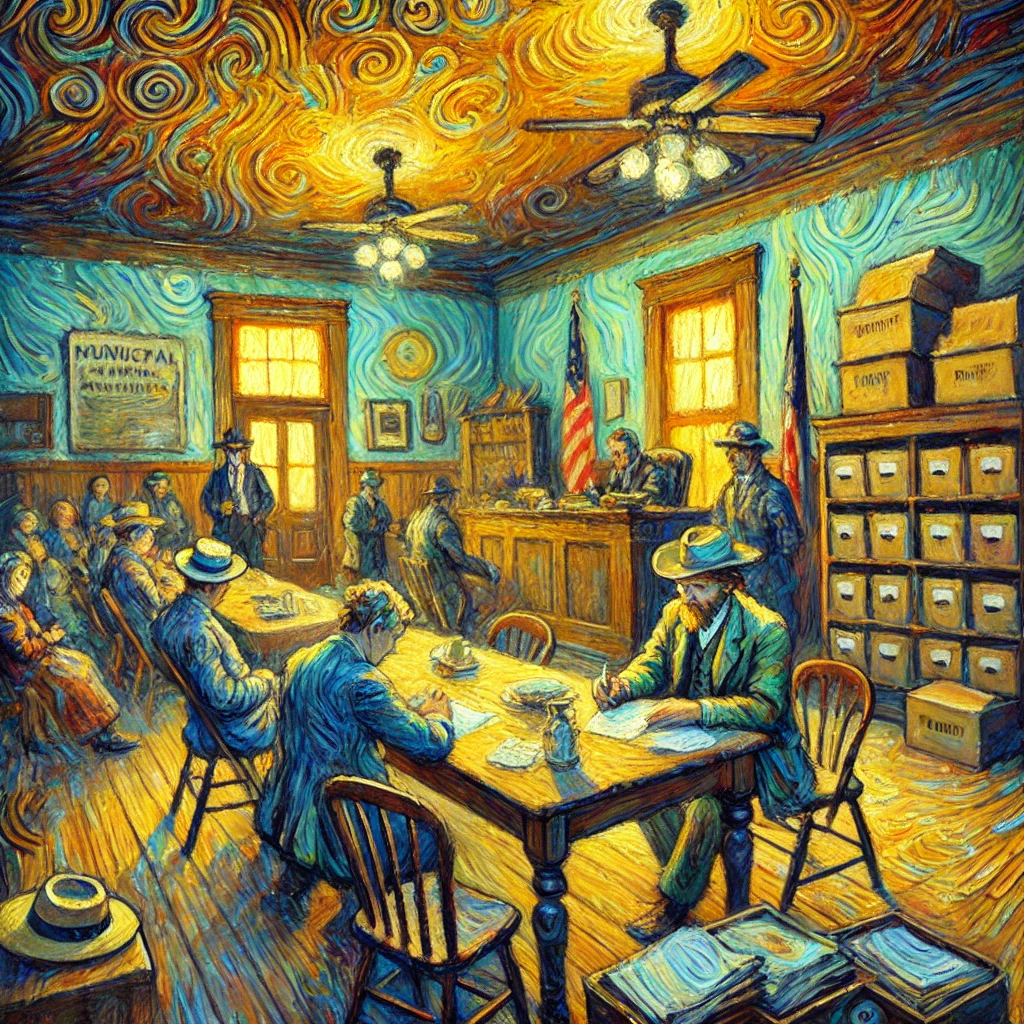
Epilogue – Clovis Strickland Produces the 2015 Minutes
When the Mayor introduced the amendment proposal, the room listened in that wary way people listen when they’ve learned the past can be produced on paper and read aloud.
A commissioner cleared his throat and said, reluctantly, “For the record…”
Clovis’s pen moved.
And somewhere, in the storage closet behind Town Hall, boxes sat quietly – full of other moments the town might someday claim never happened.
But now, the town knew something it hadn’t wanted to know:
The past was not gone.
It was merely filed.
And Clovis Strickland, bless him and blame him, had learned how to find it.
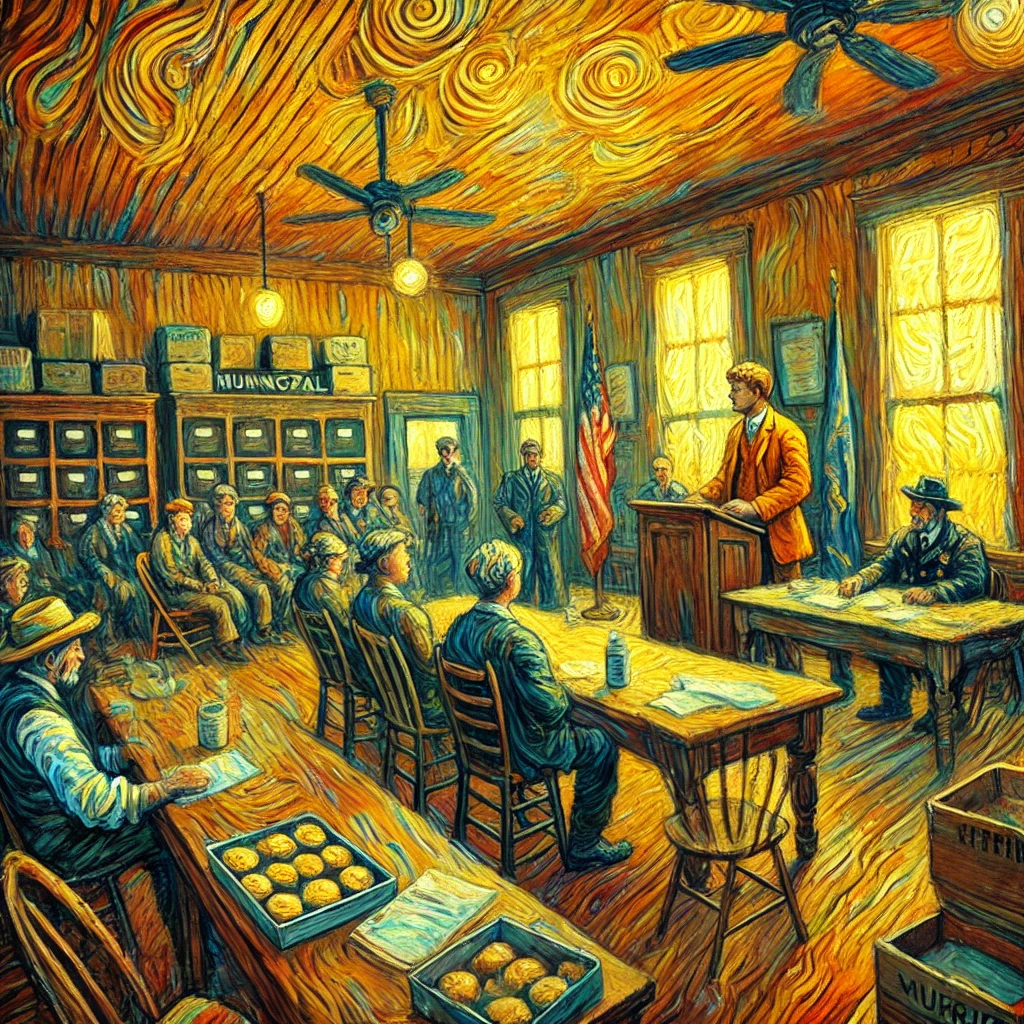
Epilogue – Clovis Strickland Produces the 2015 Minutes
Key takeaways
-
Clovis’s discovery doesn’t end the conflict – it relocates it from “this rule is new” to “we forgot we agreed to this.”
-
The minutes unsettle everyone because they reveal the ordinance wasn’t born from “principle,” but from old local disputes dressed as policy.
-
In Sequatchie Crossing, documentation isn’t neutral – it’s disruptive, because it removes the town’s favorite privilege: plausible forgetfulness.
-
The town’s real fight becomes accountability, not signage – because “we passed it unanimously” collides with “I don’t recall.”
Disclaimer
The events, characters, and civic spectacles described in this article take place in the entirely fictional town of Sequatchie Crossing, a community that exists somewhere between a courthouse bench, a church fellowship hall, and the back table of a diner where people argue about ordinances long after the coffee goes cold.
All individuals appearing in this story are fictional. Any resemblance to real people, living or otherwise, is purely coincidental and likely the result of small towns everywhere sharing the same collection of personalities: the determined note-taker, the passionate critic, the calm lawman, the peace-making baker, and the resident who insists that if they don’t remember voting for something, it probably never happened.
Municipal procedures depicted in this story – such as missing minutes, rediscovered documents, spirited public comment, and debates about whether a rule counts if nobody enforced it for ten years – are exaggerated for satirical effect. No actual town clerk was harmed in the discovery of archival paperwork, and no storage closet was intentionally organized.
The Sequatchie Crossing Dispatch is a work of humorous local fiction inspired by the rhythms, debates, and occasional absurdities of small-town civic life. The stories aim to celebrate community quirks, gentle stubbornness, and the curious way truth sometimes arrives in a manila folder when nobody was asking for it.
If you believe you recognize yourself in this story, please rest assured that it is only because towns everywhere are filled with people who care deeply about their community – and occasionally argue about it loudly.
For the record, however, the minutes still say:
“We passed it unanimously.”

Disclaimer – Clovis Strickland Produces the 2015 Minutes
Real Places Behind the Ruckus – From The Dunlap Directory

Real Places Behind the Ruckus – From The Dunlap Directory
Yes, this story was fictional; even the parts that weren’t true. These places? Absolutely real. Stop by, support local, and keep the Wi-Fi away from livestock:
- Dunlap Airpark
- Romero’s Heating and Air
- UT Performance
- Sequatchie Memorial Gardens Community Cemetery
- Shell
- Foster Falls Campground
- Worth Coffee Co
- The Dunlap Mercantile
- Deer Camp
- S & J RV Park
- StorageSmith
- Clayton’s Septic Pumping and Porta Potty Rentals
- Austin Mitchel Jennifer
- Johnson’s 7
- Dolce In Dunlap

Real Places Behind the Ruckus – From The Dunlap Directory
At Sequatchie Crossing, we tell the stories of Sequatchie Crossing.
Please share this post with your friends, family, or business associates who may want help telling the stories of their legacy.


0 Comments