


No Treatment Plan Offered
By Tom Seest
At Sequatchie Crossing, we tell the stories of Sequatchie Crossing.
Please share this post with your friends, family, or business associates who may want follow the news from Sequatchie Crossing.
🎤 Audio Overview
Engagement Fatigue Declared a Community Issue
Act I: The Condition Is Named
The trouble began the way most civic problems do in Sequatchie Crossing: with a phrase.
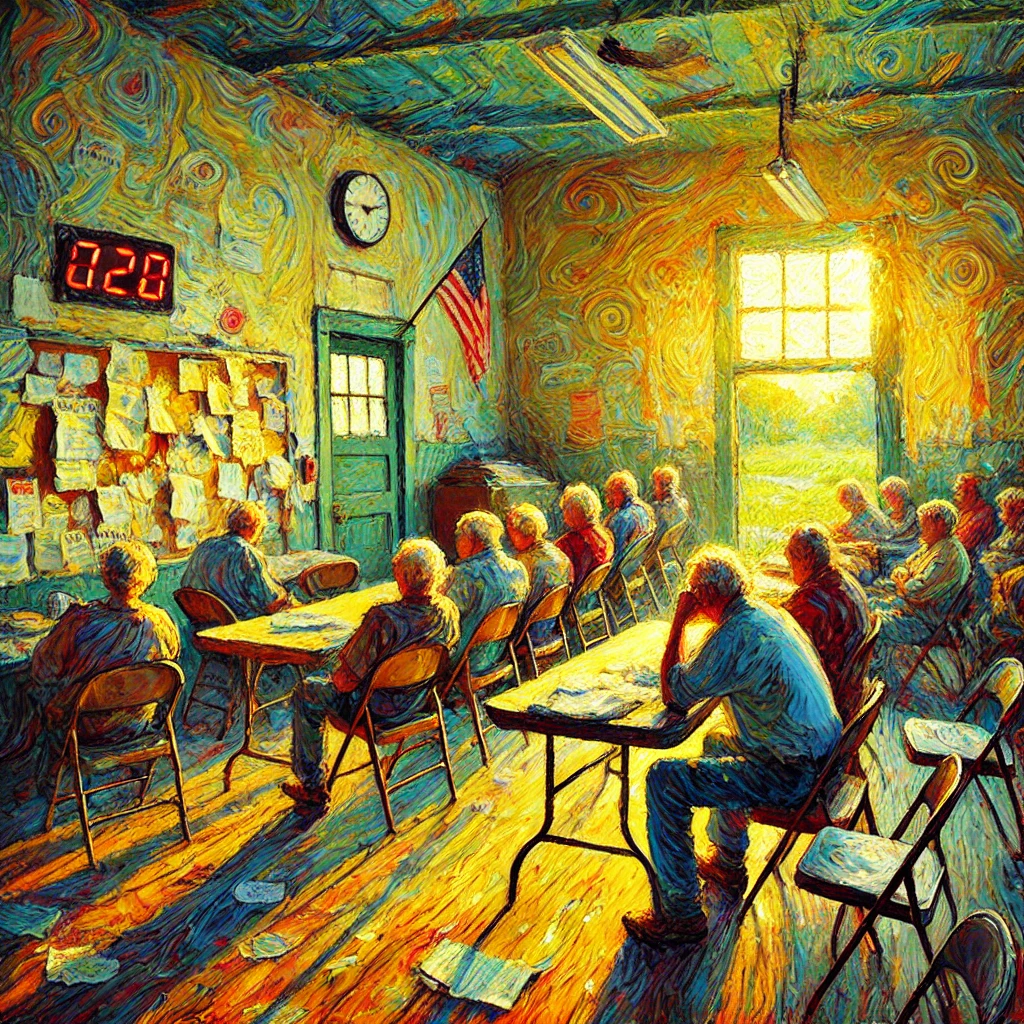
It was spoken quietly at first, almost experimentally, during the opening minutes of a regularly scheduled meeting that had been rescheduled twice, once for weather and once because the projector cable could not be located despite being “right here last time.”
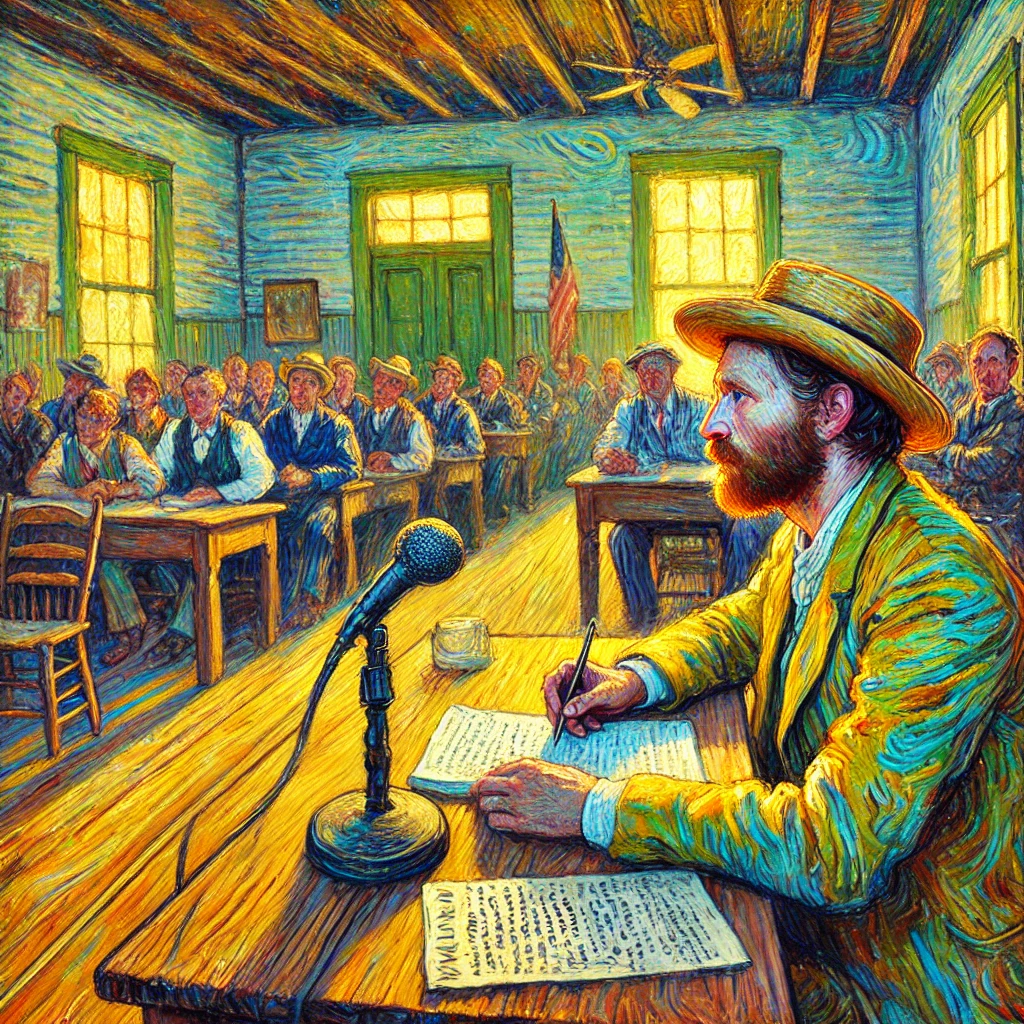
Clovis Strickland cleared his throat.
“I don’t know if this is medical or social,” he said, consulting a yellow legal pad whose margins were already heavily annotated, “but I believe we are experiencing engagement fatigue.”
The room did not respond immediately, which Clovis took as confirmation rather than confusion.
He continued.
“Symptoms include excessive meetings, overlapping initiatives, recurring surveys, and the sudden appearance of community forums no one remembers asking for.”
A pause.
“Also, a generalized sense that participation itself has become a chore.”
This landed.
Boot Barnes, seated three chairs down, leaned back and crossed his arms in the universal posture of a man who intended to agree with something eventually but not until it had been argued properly.
Mabel Dean frowned. She frowned the way people do when they feel personally implicated by a phrase but cannot yet articulate how.
Sheriff Peeler, present but not required to be, scribbled something on the edge of an agenda that would later turn out to be a grocery list.
The clerk looked up.
“Is this on the agenda?”
Clovis nodded.
“Not officially,” he said. “But neither was the Facebook group, and here we are.”
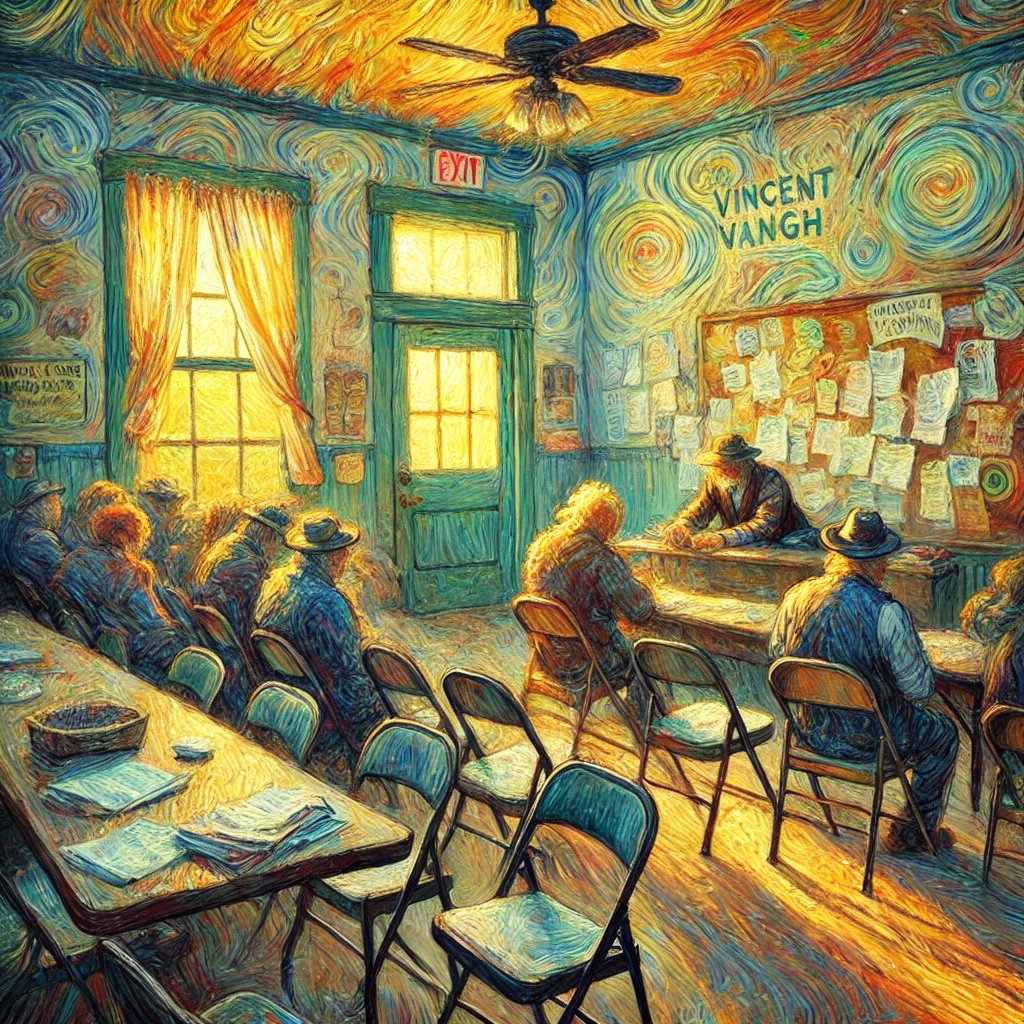
Act I – The Condition Is Named
Act II: A Community That Has Been Asked Too Many Questions
Sequatchie Crossing had always been proud of its engagement.
There were committees for things that existed and committees for things that might exist if the right committee were formed. There were listening sessions, town halls, breakout groups, subcommittees, ad hoc advisory panels, and one experimental “Idea Barn” that was quietly retired after someone tried to bring an actual goat.
At one point, the town had been surveyed so frequently that residents began answering instinctively, without reading the questions, selecting “Strongly Agree” the way one might tap “Accept All Cookies” just to proceed.
“Do you feel heard by local leadership?”
Strongly Agree.
“Would you attend more meetings if they were shorter?”
Strongly Agree.
“Do you believe this survey will lead to meaningful change?”
Strongly Agree.
Later, when asked in person whether they remembered taking any of those surveys, most residents said no, though several recalled being annoyed at the time.
It wasn’t that people didn’t care.
It was that they had been asked to care on a schedule.

Act II – A Community That Has Been Asked Too Many Questions
Act III: The Expansion of Participation
The problem accelerated the moment Sequatchie Crossing decided it needed more engagement.
Someone – no one ever fully owned it – observed that attendance at meetings was low.
“This indicates disengagement,” they said.
The solution, naturally, was to create more opportunities to engage.
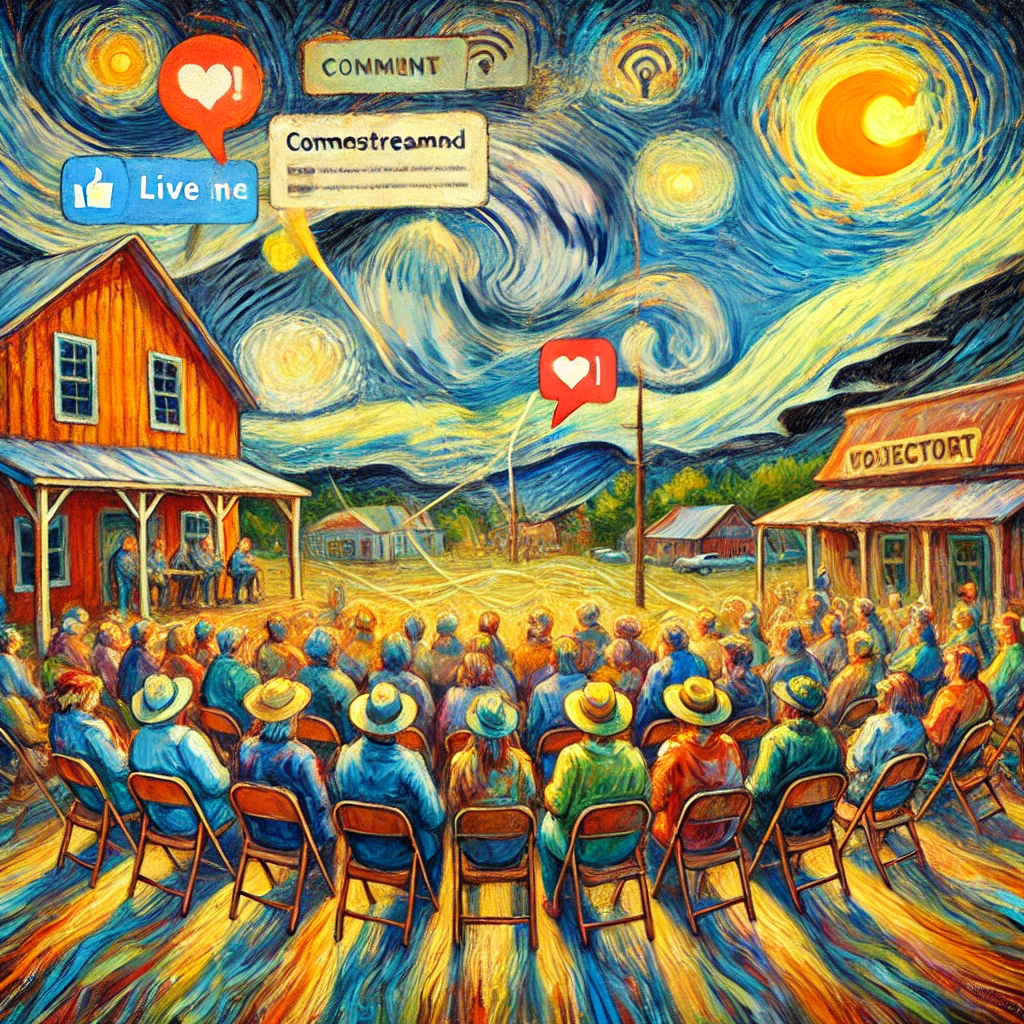
Meetings were livestreamed, recorded, clipped, summarized, reposted, commented on, reacted to, and occasionally misinterpreted by people who had not watched them but felt strongly nonetheless.
Public comment periods were extended, then structured, then timed, then re-extended to allow comments about the structure of public comment.
A digital engagement platform was introduced.
Residents were invited to rank priorities, upvote concerns, downvote nuisances, and submit ideas that would be “reviewed quarterly.”
Within days, the platform filled with issues that had already been discussed at length in at least three other venues.
Within weeks, residents began complaining – not about the issues – but about the number of places they were expected to complain in.
“I already said this at the meeting,” someone wrote.
“Yes,” replied someone else, “but that was in person. This is digital.”
“I also emailed it.”
“That’s asynchronous.”
“And I commented on the post.”
“That was informal.”
“Then where does it count?”
There was no clear answer.
Act III – The Expansion of Participation
Act IV: The Recognition of Fatigue
It was Mabel Dean who first articulated the emotional core of the problem.
“I’m tired of being invited,” she said.
The room went quiet.
“I don’t mean I don’t care,” she clarified. “I mean I care so much I don’t want to fill out another form proving it.”
She described the sensation of opening her email to find three requests for feedback on the same issue, each framed slightly differently, each insisting her voice mattered.
“I believe them,” she said. “I just don’t believe the fourth reminder.”
Others nodded.
A man in the back admitted he had stopped attending meetings not because he disagreed, but because he felt guilty showing up without having read all the preparatory materials, which now included links, appendices, and optional background documents labeled “Optional (Recommended).”
A woman near the aisle said she missed the days when engagement meant waving at someone in the grocery store and saying, “They’re working on it.”
Now, she said, it meant joining a working group.

Act IV – The Recognition of Fatigue
Act V: Engagement Becomes Labor
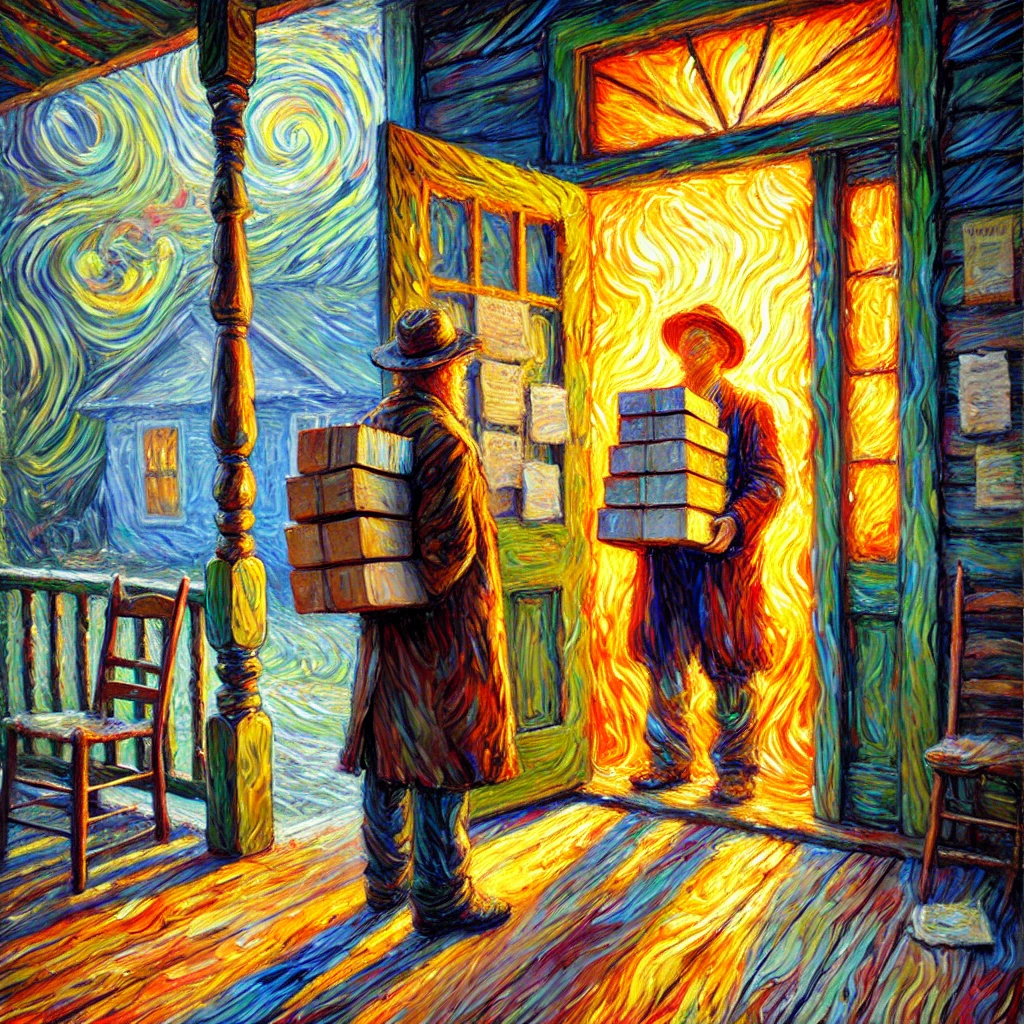
At some point – no one could pinpoint exactly when – participation stopped feeling like a right and started feeling like a responsibility.
Residents were reminded that if they didn’t speak up, they couldn’t complain later.
This logic was applied retroactively, which caused tension.
“You had your chance,” people said.
“Yes,” others replied, “but it was on a Tuesday, during work hours, with a sign-up sheet.”
To stay informed required attention.
To be attentive required energy.
To have energy required rest.
And rest, increasingly, required opting out.
Clovis noted this carefully.
“Engagement,” he wrote, “has become a form of unpaid civic labor, with no clear deliverables.”
He underlined labor twice.
Act V – Engagement Becomes Labor
Act VI: Attempts at Treatment
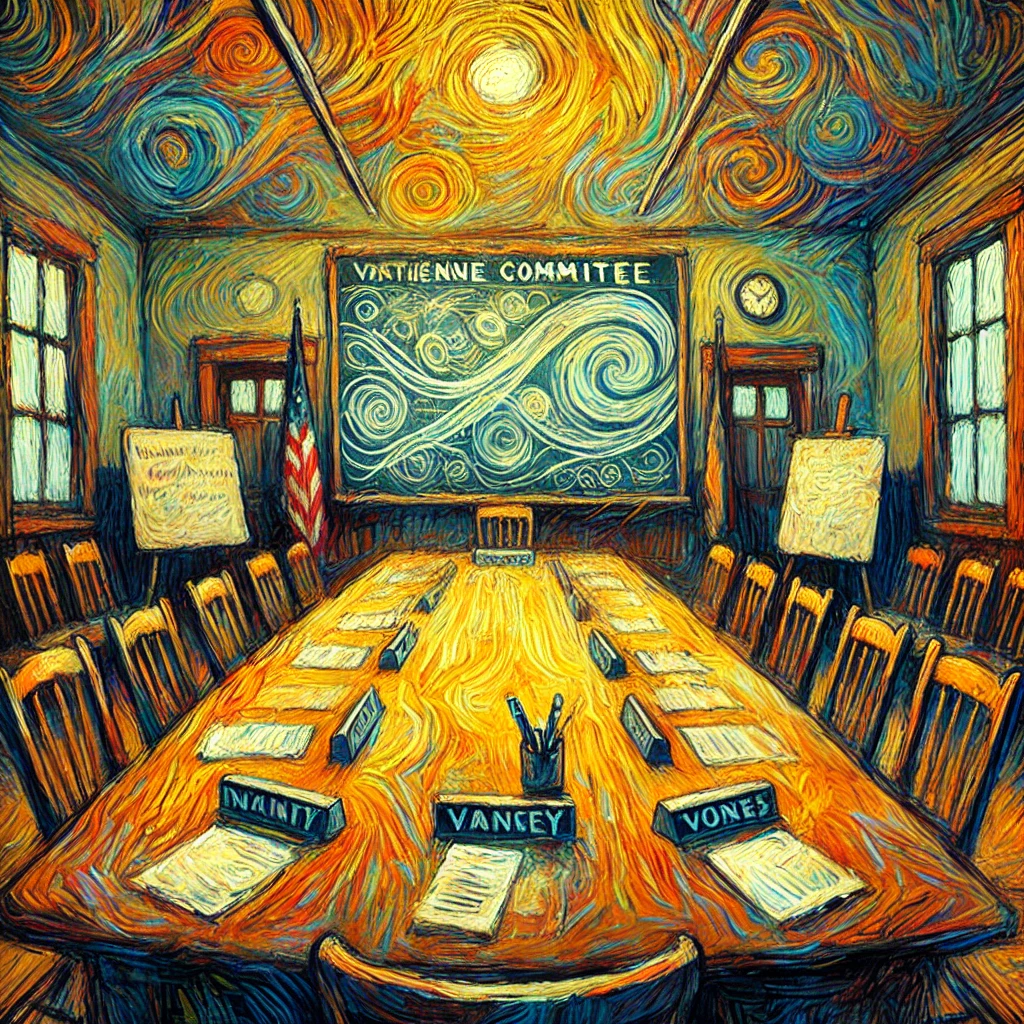
Once engagement fatigue was formally acknowledged, the town did what it always did: formed a committee.
The Engagement Optimization Task Force met three times before agreeing that meeting itself was part of the problem.
They proposed:
-
Shorter meetings (which became more frequent)
-
Clearer agendas (which became longer)
-
Fewer surveys (which became more targeted)
-
Better communication (which increased volume)
At one point, a pilot program suggested “quiet months,” during which no feedback would be requested.
This was immediately criticized as exclusionary.
“What if something happens?” someone asked.
“What if people want to weigh in?”
“What if silence is misinterpreted?”
The idea was shelved.
Instead, a compromise was reached: an Engagement Digest, summarizing all opportunities to engage, distributed weekly.
The digest itself became something people felt guilty for not reading.
Act VI – Attempts at Treatment
Act VII: The Cultural Shift
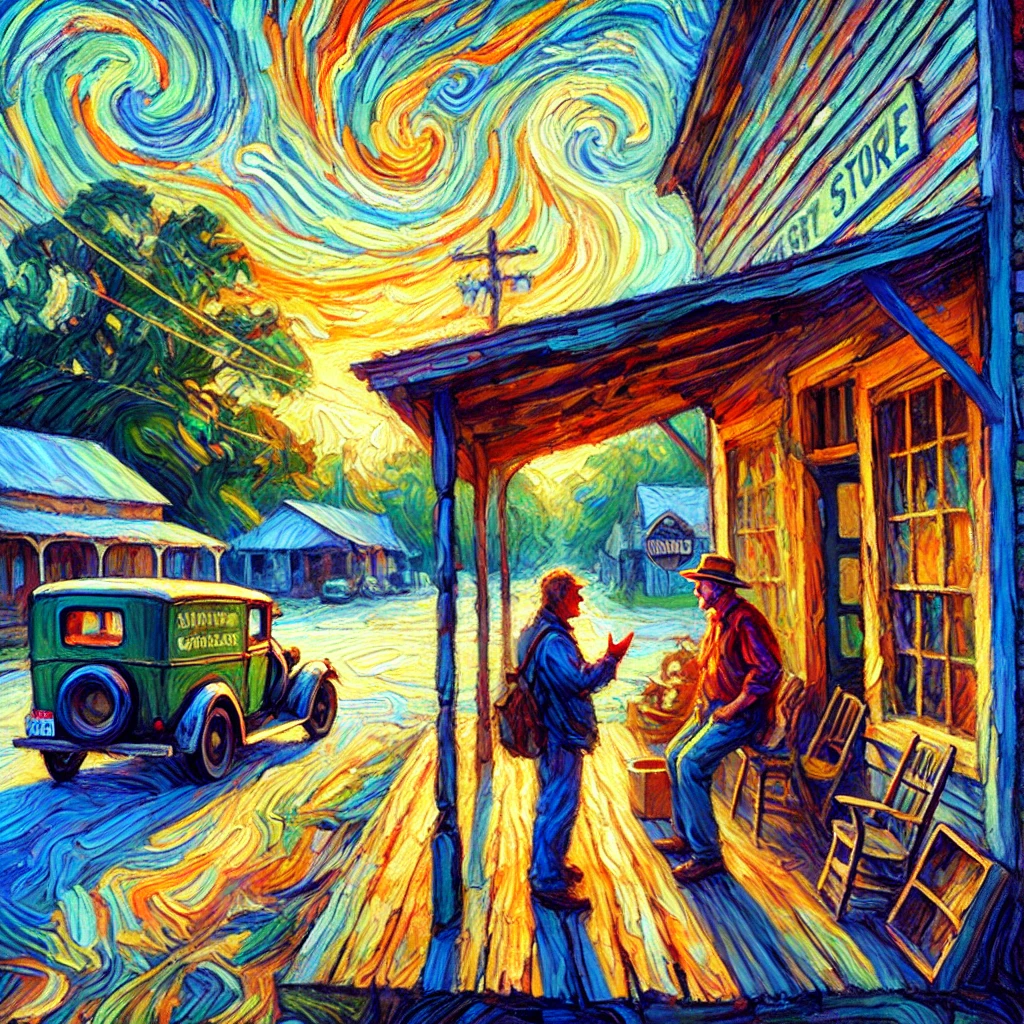
Something subtle changed in Sequatchie Crossing.
People stopped saying, “Did you hear?” and started saying, “Did you weigh in?”
Not participating became suspect.
“Well, you didn’t comment,” someone would say.
“I didn’t have anything new to add.”
“That’s still feedback.”
It was around this time that Sheriff Peeler, who had been observing quietly, offered an uncharacteristically philosophical comment.
“In my line of work,” he said, “we don’t ask people to keep talking once they’ve told us what happened.”
This was noted, then politely ignored.
Act VII – The Cultural Shift
Act VIII: The Quiet Majority Reappears
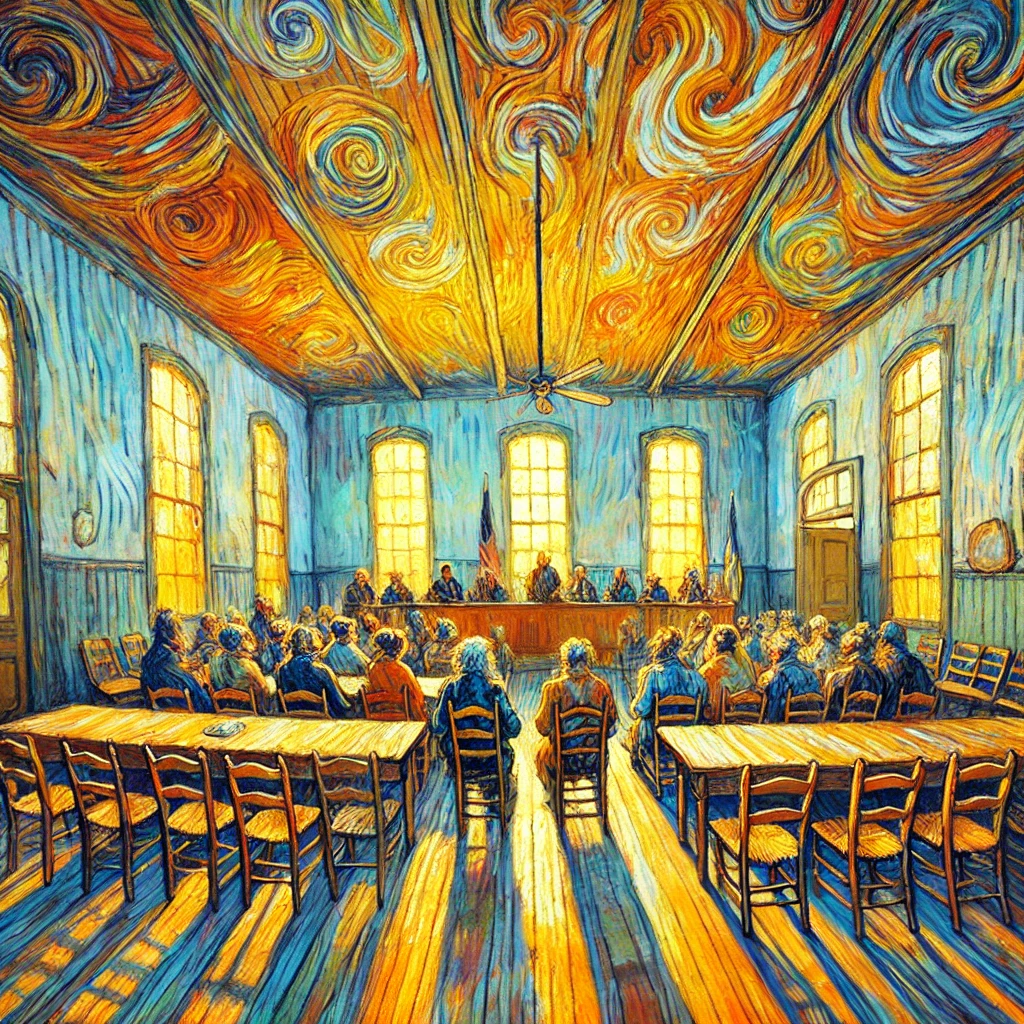
Ironically, as engagement opportunities multiplied, actual participation plateaued.
The same names appeared repeatedly.
The same voices dominated.
Everyone else watched from a distance, increasingly convinced that the conversation had become self-sustaining without them.
This was interpreted as apathy.
But privately, many residents described something else.
“I’m not disengaged,” one said. “I’m saturated.”
Another put it more bluntly.
“I’m full.”
Act VIII – The Quiet Majority Reappears
Act IX: No Treatment Plan Offered
At the final meeting of the quarter, Clovis presented his findings.
“Engagement fatigue is real,” he said. “It is not laziness. It is not disinterest. It is the result of sustained, overlapping requests for emotional and cognitive participation without corresponding resolution.”
He paused.
“There is no cure,” he added. “Only management.”
The clerk asked what that looked like.
Clovis thought.
“Fewer asks,” he said. “Clear outcomes. And the radical idea that sometimes, silence means trust.”
The room sat with that.
No motion was made.
The meeting adjourned on time.
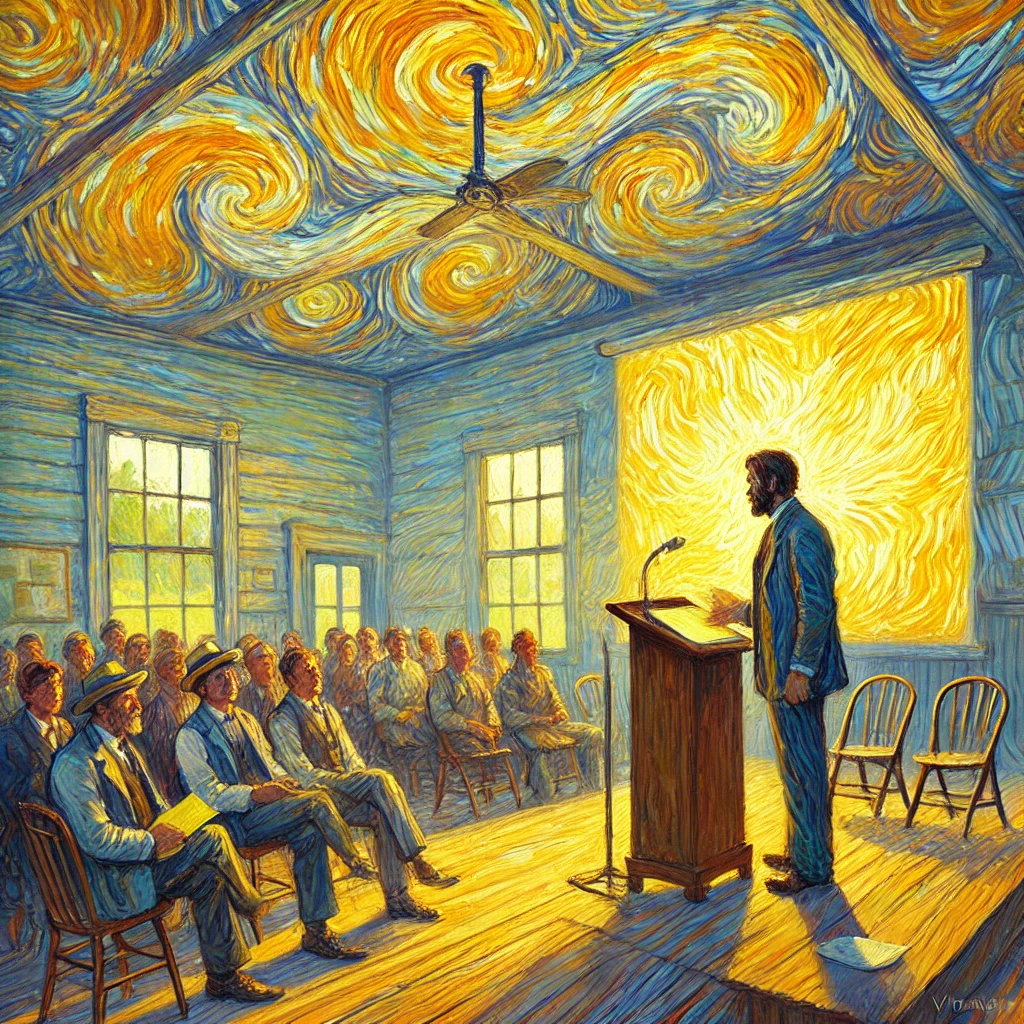
Act IX – No Treatment Plan Offered
Epilogue: A Town Still Involved
In the weeks that followed, something unexpected happened.
Nothing.
No new platform launched.
No new survey arrived.
Meetings continued, but with less urgency.
People spoke when they had something to say.
Others listened without being reminded that they should.
Engagement did not disappear.
It simply stopped being demanded.
And in Sequatchie Crossing, that felt like progress – even if no one filled out a form to say so.

Epilogue – A Town Still Involved
Disclaimer
This story is a work of fiction. Any resemblance to actual meetings, committees, surveys, task forces, engagement platforms, civic initiatives, email digests, or individuals – living, local, elected, unelected, over-engaged, or quietly opting out – is purely coincidental.
Sequatchie Crossing is not a real town, though some readers may experience a vague sense of familiarity, mild recognition, or emotional fatigue while reading. These reactions are not diagnostic and require no follow-up survey.
No actual ordinances were passed, no treatment plans were withheld, and no engagement metrics were harmed in the making of this story.
Participation is optional.
Disclaimer – Engagement Fatigue Declared a Community Issue
Real Places Behind the Ruckus – From The Dunlap Directory

Real Places Behind the Ruckus – From The Dunlap Directory
Yes, this story was fictional; even the parts that weren’t true. These places? Absolutely real. Stop by, support local, and keep the Wi-Fi away from livestock:
- Waste Wipeout
- Dennis Auto Glass Mobile Service
- Avon Representative Brandy Wilkey
- Dunlap Tennessee Overview
- Sequatchie Valley Electrical Pros
- Marshall Renovations
- Cagle Mountain Trading Post
- Free Spirit Hair Studio and Med Spa
- Smalltown Ceramics
- Smokey Ridge BBQ
- Backwoods Fence and Decking
- Sugar Mama’s Cakes by Keisha
- Abilis Home Health
- Running Wild Inflatables
- Standefer-Reed Funeral Home
- Dunlap Masonic Lodge #693

Real Places Behind the Ruckus – From The Dunlap Directory
At Sequatchie Crossing, we tell the stories of Sequatchie Crossing.
Please share this post with your friends, family, or business associates who may want follow the news from Sequatchie Crossing.


0 Comments