



Wind Is Called As an Expert Witness
By Tom Seest
At Sequatchie Crossing, we tell the stories of Sequatchie Crossing.
Please share this post with your friends, family, or business associates who may want help telling the stories of their legacy.
🎤 Audio Overview
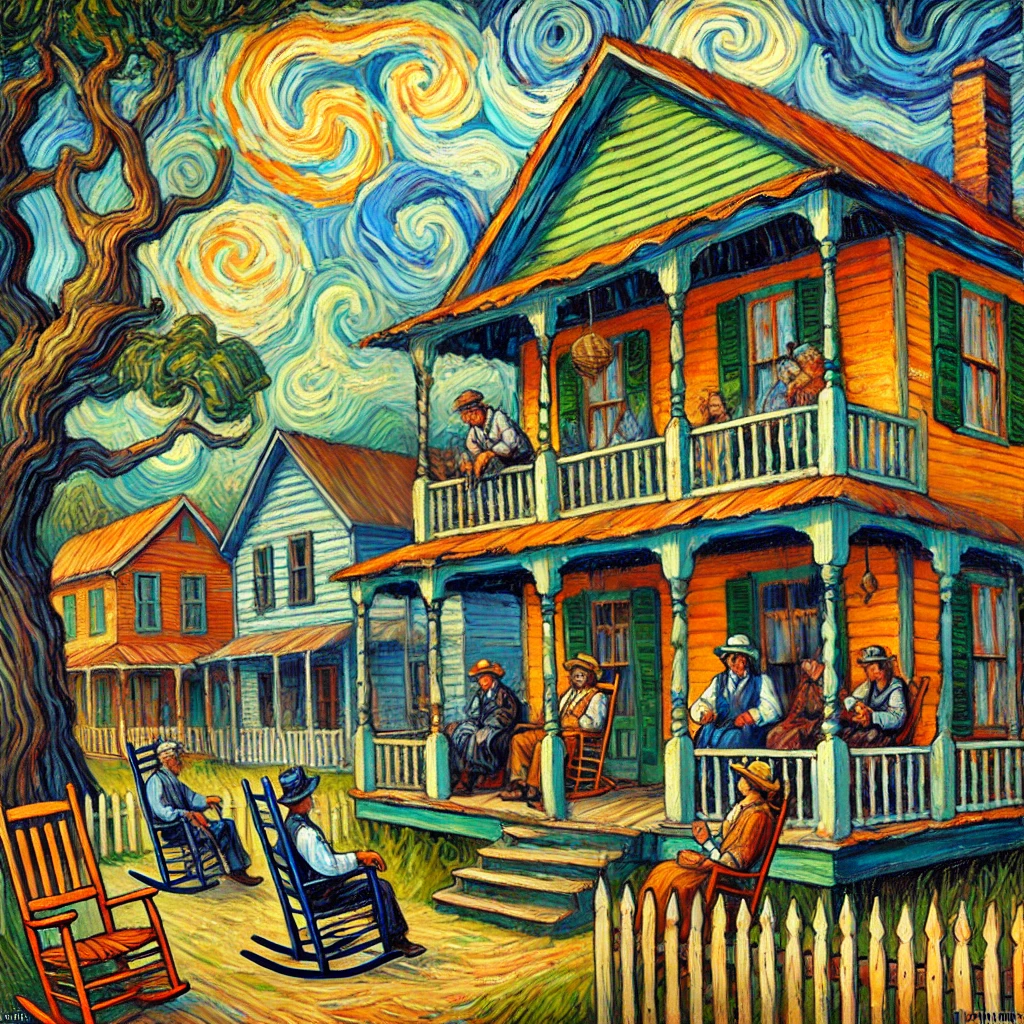
The Question of “Portable”
Act I – A Banner Begins the Trouble
In Sequatchie Crossing, arguments rarely begin with intent. They begin with objects.
A fence post placed three inches too far into a neighbor’s pasture.
A casserole returned without the original lid.
A tractor parked where a mailbox once stood.
And now—most recently—a banner.
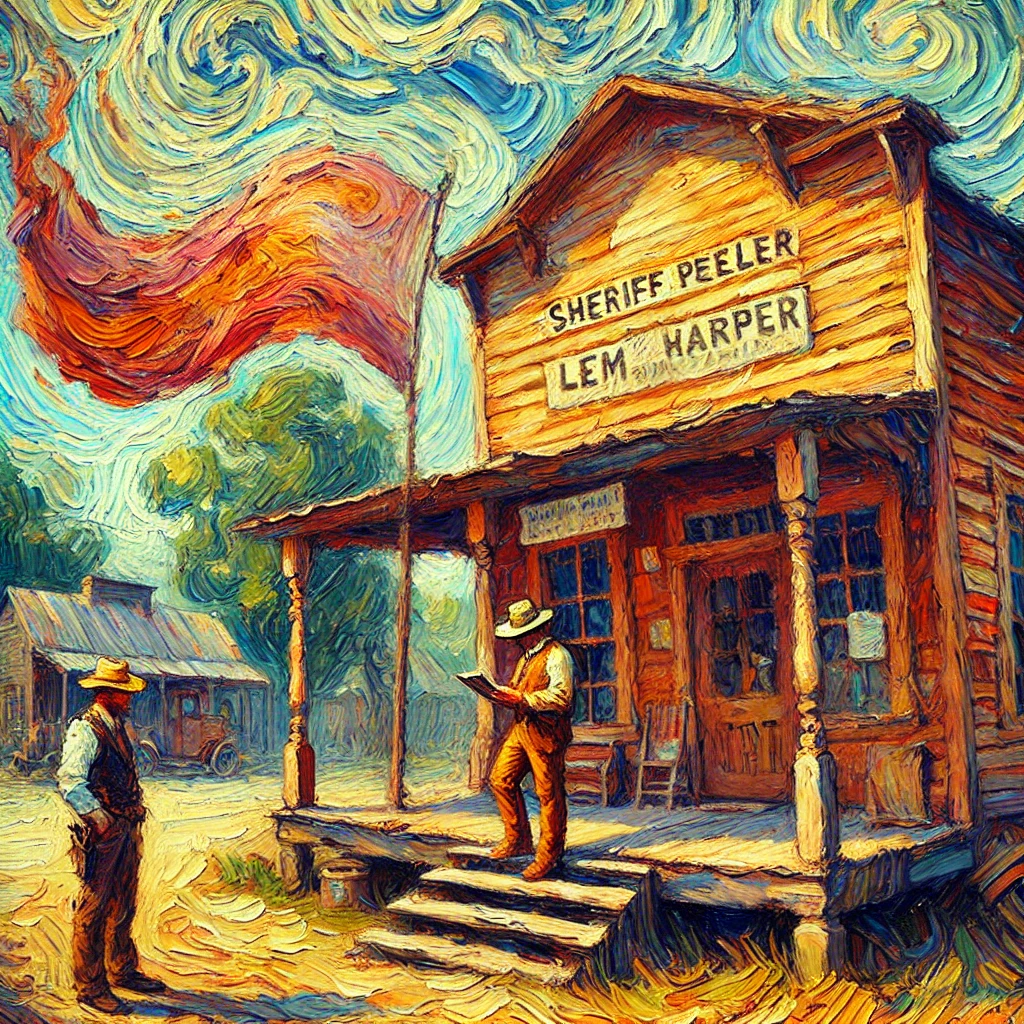
The banner in question belonged to Lemuel “Lem” Harper, proprietor of Harper’s Hardware and Feed, a business whose inventory ranged from galvanized buckets to suspiciously powerful weed killers that Lem insisted were “perfectly safe if you don’t drink them.”
The banner had hung in front of his store for nearly nine years. It read:
SPRING FEED SALE – BUY TWO BAGS, GET A FREE SCOOP
The scoop, locals agreed, was a generous offer.
The banner itself had seen better days. It had faded from bright red to something closer to apologetic pink. The edges curled slightly. One corner bore a repair involving duct tape and what appeared to be a Band-Aid.
Still, the banner had become part of the landscape.
People navigated by it.
“Turn left where Lem’s banner flaps sideways,” they would say.
It flapped sideways often.
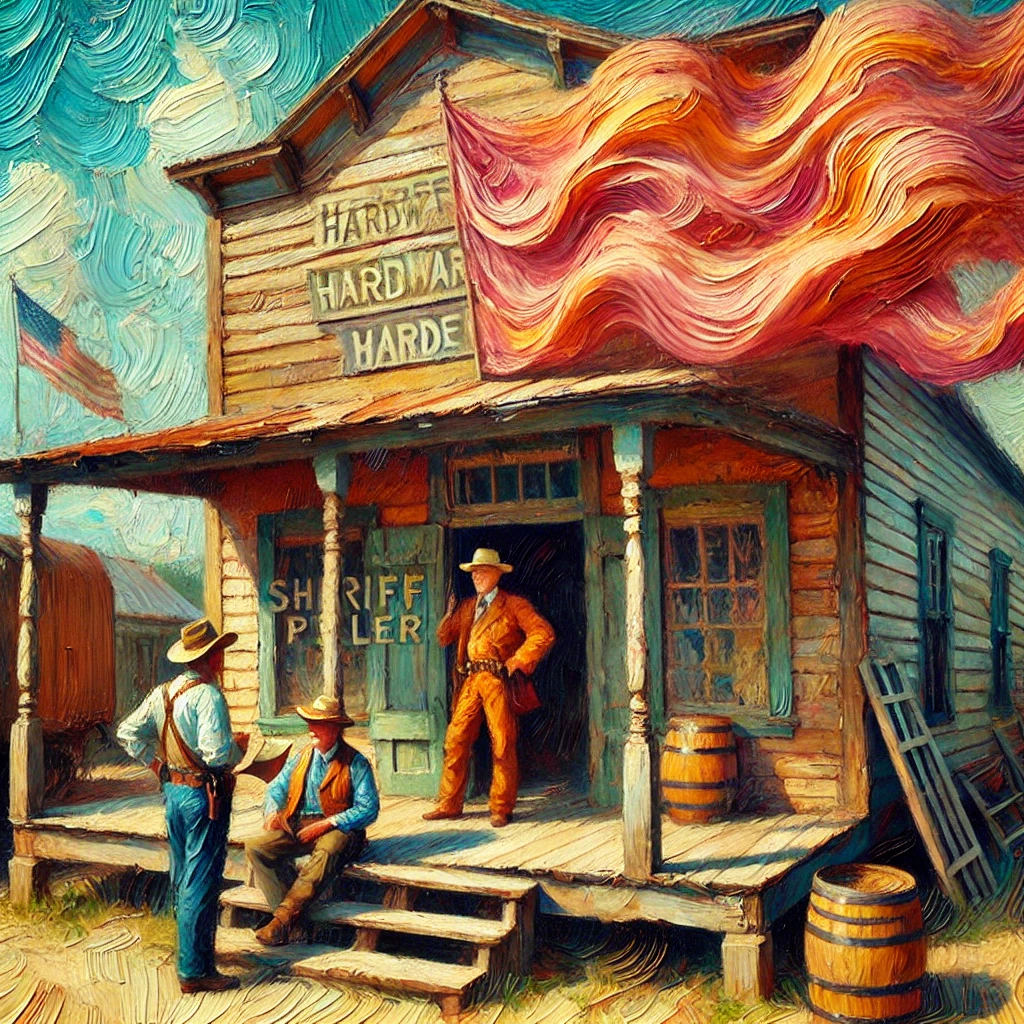
So when Sheriff Roy Peeler arrived one Tuesday morning carrying a clipboard and a mild expression of bureaucratic discomfort, the town sensed trouble.
Sheriff Peeler stood under the banner and looked up at it as though it might explain itself.
It did not.
He consulted the clipboard.
Lem leaned against the doorway.
“Morning, Sheriff.”
“Mornin’, Lem.”
The banner fluttered overhead.
Sheriff Peeler cleared his throat.
“Got a question about this here signage.”
Lem followed his gaze upward.
“You mean the banner?”
Act I – A Banner Begins the Trouble
“Yes sir.”
“What about it?”
Sheriff Peeler turned a page on his clipboard.
“Well, according to Ordinance 14-B—passed back in 2015—portable signage is restricted within town limits.”
Lem nodded thoughtfully.
“That so.”
“Yes sir.”
They both looked at the banner.
The banner swayed gently in the breeze.
Lem scratched his chin.
“Well Sheriff, that ain’t portable.”
Sheriff Peeler blinked.
“Beg pardon?”
“That banner’s been there nine years.”
The wind lifted it slightly, as if demonstrating flexibility.
Sheriff Peeler consulted the ordinance again.
“It says here portable signage includes banners, sandwich boards, and any temporary advertising display.”
Lem crossed his arms.
“Ain’t temporary if it’s been here nine years.”
The banner flapped.
The sheriff looked up again.
“Well,” he said carefully, “the question becomes whether it’s portable.”
At that moment, the wind gusted.
The banner lifted dramatically.
Both men watched it rise and settle again.
Lem tilted his head.
“That right there’s wind,” he said.
Sheriff Peeler wrote something on the clipboard.
Act I – A Banner Begins the Trouble
Act II – Town Hall Seeks a Definition
Within forty-eight hours the matter had escalated.
This was inevitable.
Sequatchie Crossing had many qualities as a town, but restraint was not among them.
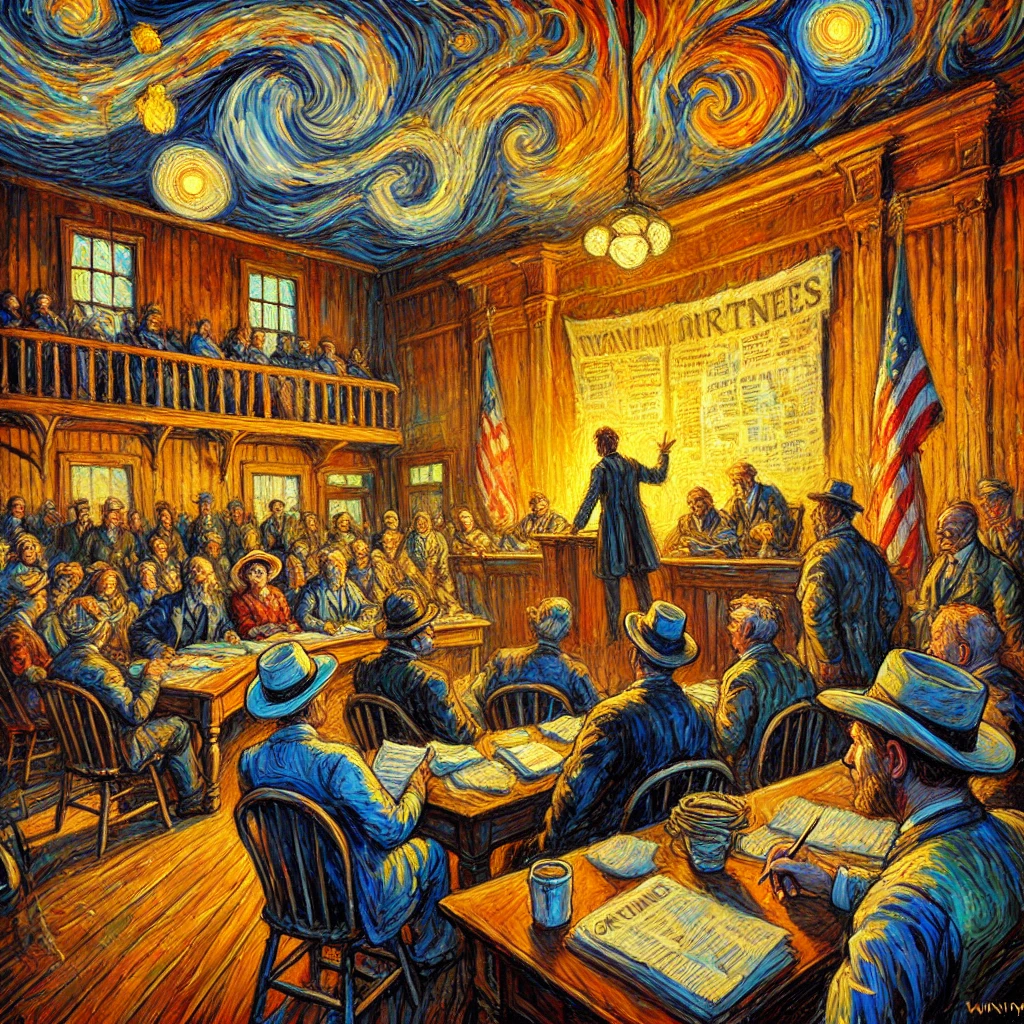
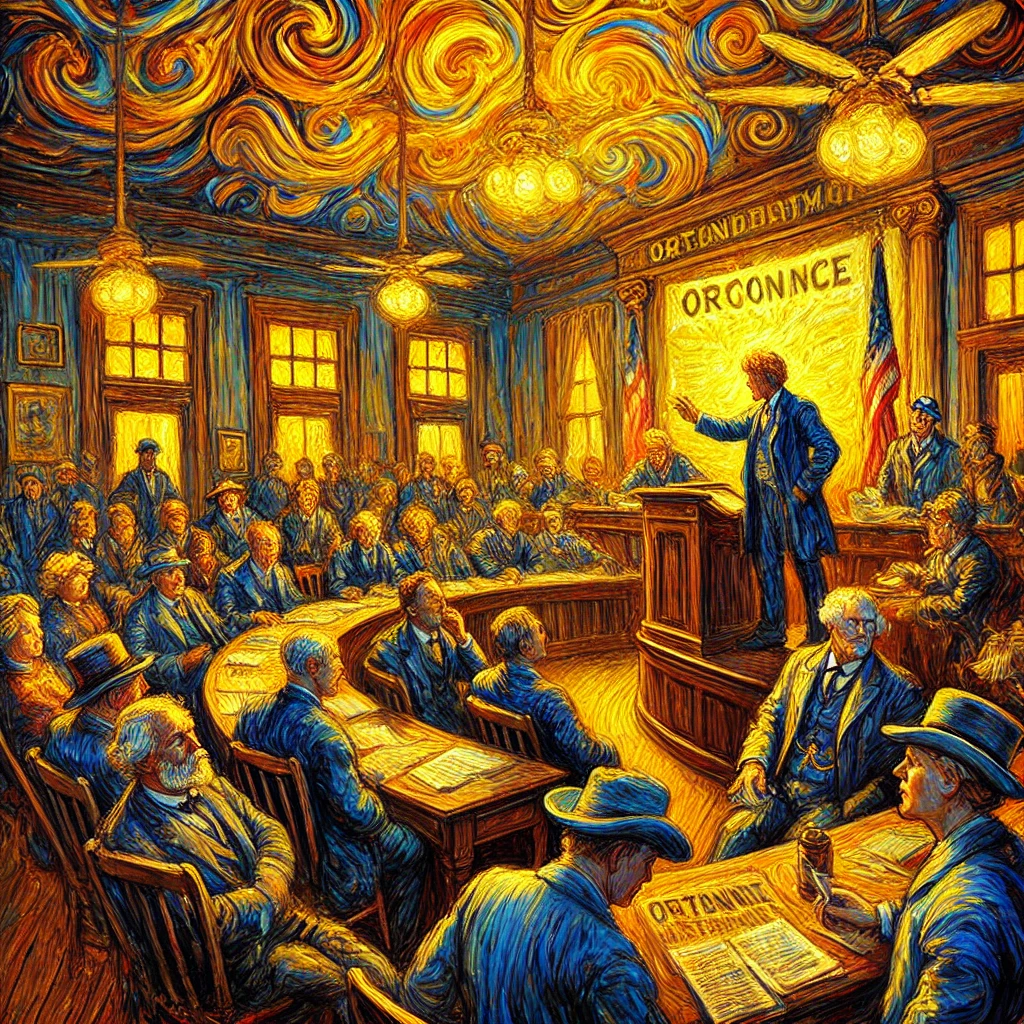
The issue landed on the agenda of the Town Hall Signage Clarification Meeting, called by Mayor Calvin Pickett, who believed strongly in committees and moderately in conclusions.
The meeting drew an unusually large crowd.
At the front table sat:
-
Mayor Pickett
-
Miss Darlene Pruitt, keeper of the town’s records
-
Sheriff Peeler
-
Clovis Strickland, unofficial historian and enthusiastic document collector
In the audience were:
-
Boot Barnes, seated with his hat on his knee
-
Mabel Dean, holding a casserole she claimed was unrelated to the meeting
-
Earl Duggan, who attended every public meeting in case snacks appeared
-
Roughly thirty other citizens, several of whom had brought photographs of banners
Mayor Pickett tapped the microphone.
The microphone squealed.
Everyone winced.
“We are gathered,” the mayor began, “to discuss the definition of portable signage.”
Boot Barnes raised a hand immediately.
Mayor Pickett sighed.
“Yes, Boot.”
Boot stood.
“I got a question.”
“Go ahead.”
Act II – Town Hall Seeks a Definition
Boot gestured toward Lem’s banner, which had been printed on a poster board for reference.
“If it ain’t moved in nine years, how portable is it really?”
The room murmured.
Miss Darlene opened the ordinance binder.
“The wording,” she said, adjusting her glasses, “classifies banners as portable.”
Clovis raised a finger.
“I brought the meeting minutes from when the ordinance passed.”
He produced a folder.
Mayor Pickett leaned forward cautiously.
“What do they say?”
Clovis flipped pages.
“Well,” he said, “they mostly say ‘discussion continued’ for about three hours.”
“That sounds accurate,” Mabel said.
Clovis continued reading.
“There is a note here where Councilman Briggs asked whether a banner nailed to a wall still counts as portable.”
“And?”
Clovis squinted.
“The answer recorded here is… ‘probably.’”
Boot Barnes folded his arms.
“Probably ain’t a legal term.”
The room hummed with approval.
Mayor Pickett rubbed his temples.
“We need clarity,” he said.
Sheriff Peeler cleared his throat.
“Well sir,” he said, “I measured the banner.”
Everyone turned.
“You measured it?”
“Yes sir.”
“And?”
Sheriff Peeler consulted his notes.
“It moved approximately four inches during a wind gust.”
The room fell silent.
Boot Barnes stood slowly.
“You’re telling me wind makes a sign portable.”
The sheriff shifted uneasily.
“That’s… one interpretation.”
Act II – Town Hall Seeks a Definition
Act III – Wind Enters the Record
By the following week, the debate had reached such intensity that the town council agreed to hear expert testimony.
The chosen expert witness was unusual.
But the reasoning was sound.
If wind was responsible for the banner moving, then wind must be consulted.
Clovis Strickland volunteered to represent wind’s perspective.
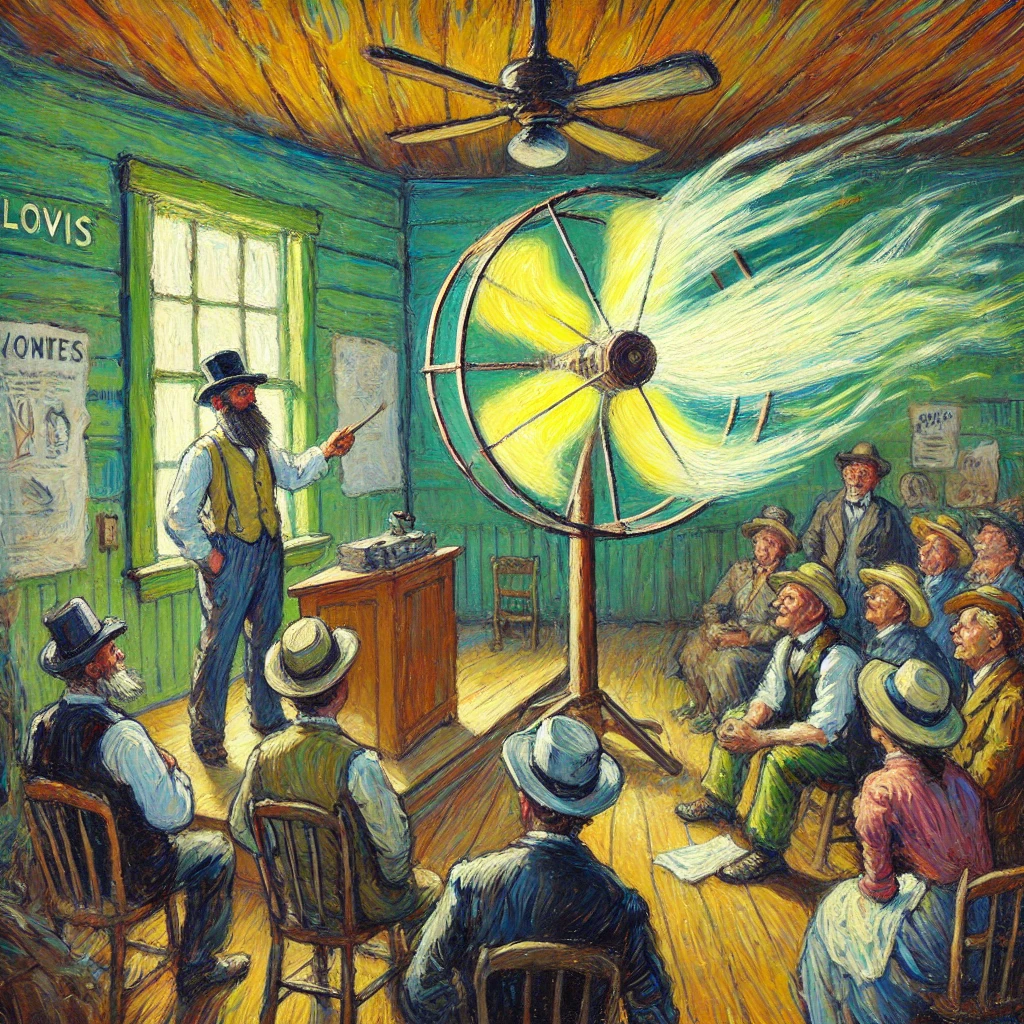
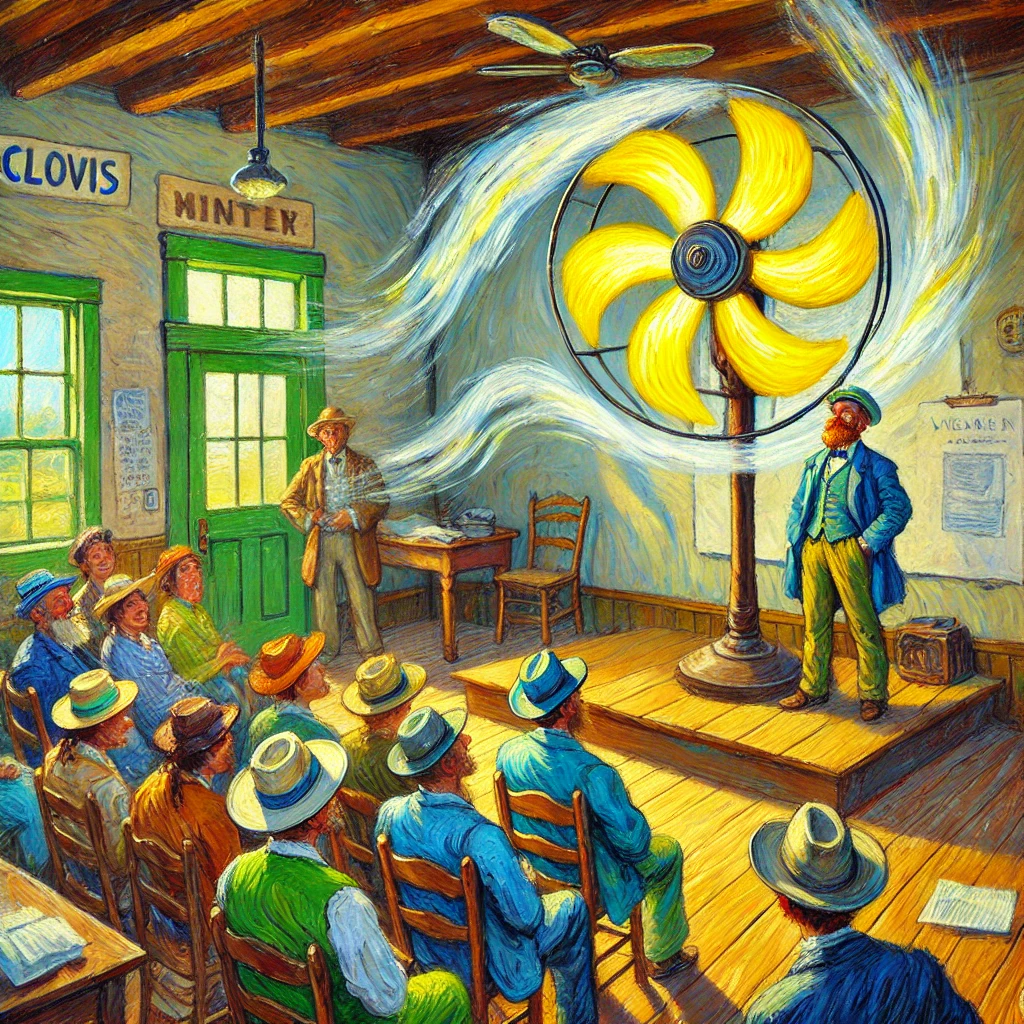
He arrived carrying a box fan.
Mayor Pickett stared at the device.
“Clovis,” he said cautiously, “what exactly is that.”
“A demonstration model.”
Clovis plugged in the fan.
It whirred.
He pointed it toward the banner photograph taped to the wall.
The poster fluttered slightly.
“Ladies and gentlemen,” Clovis announced, “this is wind.”
Boot Barnes leaned forward.
“That seems smaller than usual wind.”
“Scale model,” Clovis replied.
Mayor Pickett raised a hand.
“Clovis, please explain your findings.”
Clovis adjusted the fan speed.
“As you can see, wind applies force to banners. Said banners move.”
The poster trembled.
“Movement,” Clovis continued, “implies mobility.”
Boot Barnes shook his head.
“No sir.”
Clovis frowned.
“What do you mean.”
Boot stood.
“That banner ain’t portable.”
Clovis gestured to the fan.
“It moved.”
Boot nodded.
“So does a tree.”
The room erupted in murmurs.
Mayor Pickett leaned back.
“That… is a good point.”
Clovis looked troubled.
He adjusted the fan again.
The poster lifted and fell.
Mabel Dean raised a hand.
Act III – Wind Enters the Record
“If a banner moves in the wind but the hardware store stays put, which one is portable?”
Silence.
Earl Duggan whispered, “That’s philosophical.”
Mayor Pickett sighed.
“We are drifting away from signage.”
Sheriff Peeler leaned toward the microphone.
“Sir, if I may.”
“Go ahead.”
“I’d like to present evidence.”
He placed a photograph on the table.
The photo showed Lem’s banner during a storm.
It was horizontal.
The town stared.
Boot Barnes nodded slowly.
“Well I’ll be.”
Clovis brightened.
“See?”
Boot pointed at the photo.
“That banner ain’t portable.”
“What do you mean?”
“That banner’s airborne.”
Act III – Wind Enters the Record
Act IV – Definitions Multiply
Over the next hour the council attempted to define “portable.”
They considered several options:
Definition A: A sign capable of being moved by human hands.
Definition B: A sign capable of being moved by wind.
Definition C: A sign capable of being moved by either, provided someone noticed.
Each definition produced problems.
Under Definition A, sandwich boards were portable but nailed banners were not.
Under Definition B, nearly everything outdoors qualified as portable.
Under Definition C, Mabel’s casserole might legally count.
Miss Darlene recorded each proposal in the minutes.
Boot Barnes offered an amendment.
“If wind makes something portable,” he said, “then this whole town is portable.”
Mayor Pickett frowned.
“Explain.”
Boot gestured toward the windows.
“Storm comes through, roofs move, sheds move, trampolines move.”
Clovis nodded thoughtfully.
“Trampolines move a lot.”

Act IV – Definitions Multiply
Earl Duggan added quietly, “I saw one in a tree once.”
Mayor Pickett leaned into the microphone.
“Are we suggesting the ordinance might classify trampolines as signage.”
Miss Darlene stopped writing.
“Please don’t say that out loud.”
Sheriff Peeler flipped through the ordinance again.
“Sir,” he said slowly, “the ordinance never defines portable.”
The room froze.
Boot Barnes looked pleased.
“Well there’s the problem.”
Clovis examined the binder.
“He’s right.”
Miss Darlene sighed deeply.
Mayor Pickett leaned back.
“You’re telling me we passed a law without defining the key word.”
Clovis nodded.
“Yes sir.”
Boot smiled.
“That happens more than you’d think.”

Act IV – Definitions Multiply
Act V – The Outdoor Experiment
In a final attempt at clarity, the council agreed to conduct a demonstration.
They moved the meeting outside.
Lem’s banner was temporarily rehung on the side of Town Hall.
Clovis positioned his fan.
Mayor Pickett stood with a measuring tape.
Sheriff Peeler held the ordinance binder.
Boot Barnes leaned against the courthouse railing.
Mabel Dean distributed muffins.
Clovis switched on the fan.
The banner fluttered gently.
Mayor Pickett measured.
“Two inches.”
Clovis increased the speed.
The banner flapped harder.
“Five inches,” the mayor said.
Boot Barnes crossed his arms.
“That fan ain’t real wind.”
Clovis protested.
“It’s calibrated.”
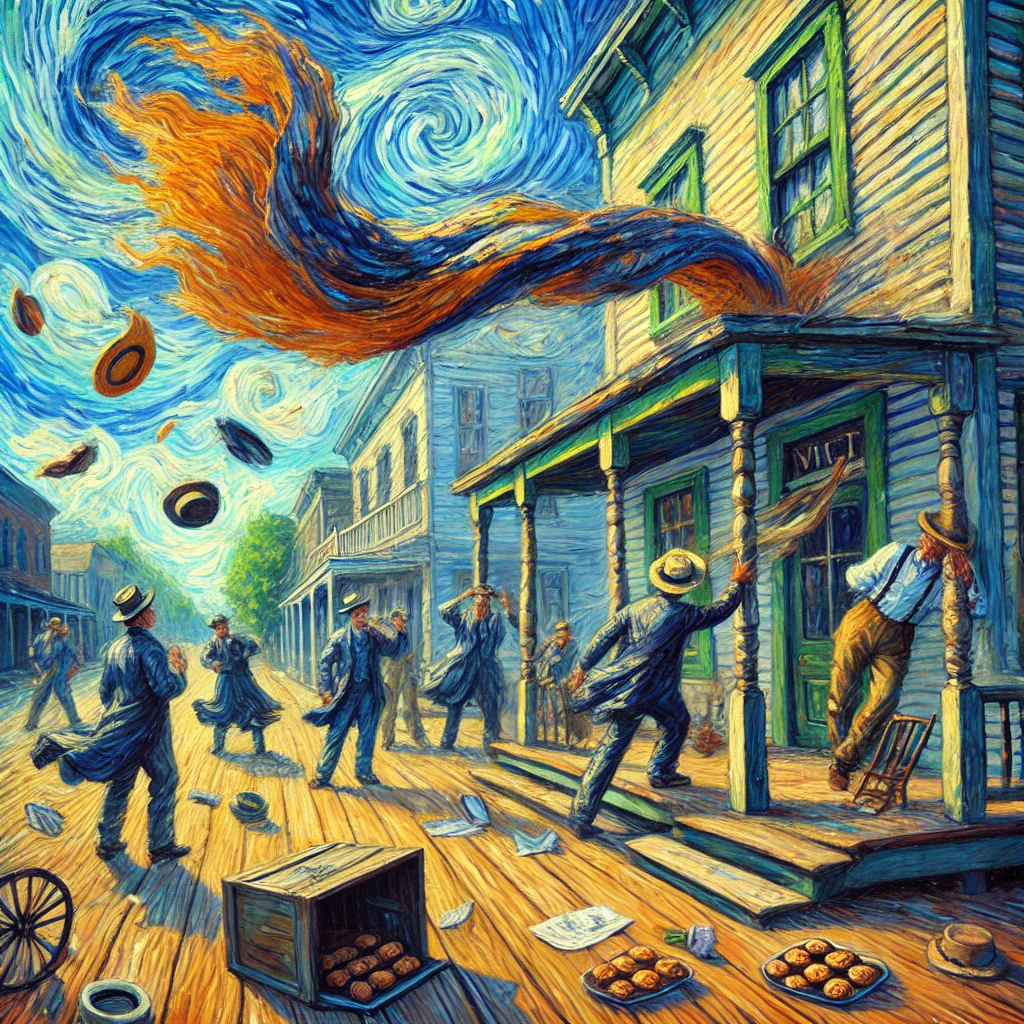
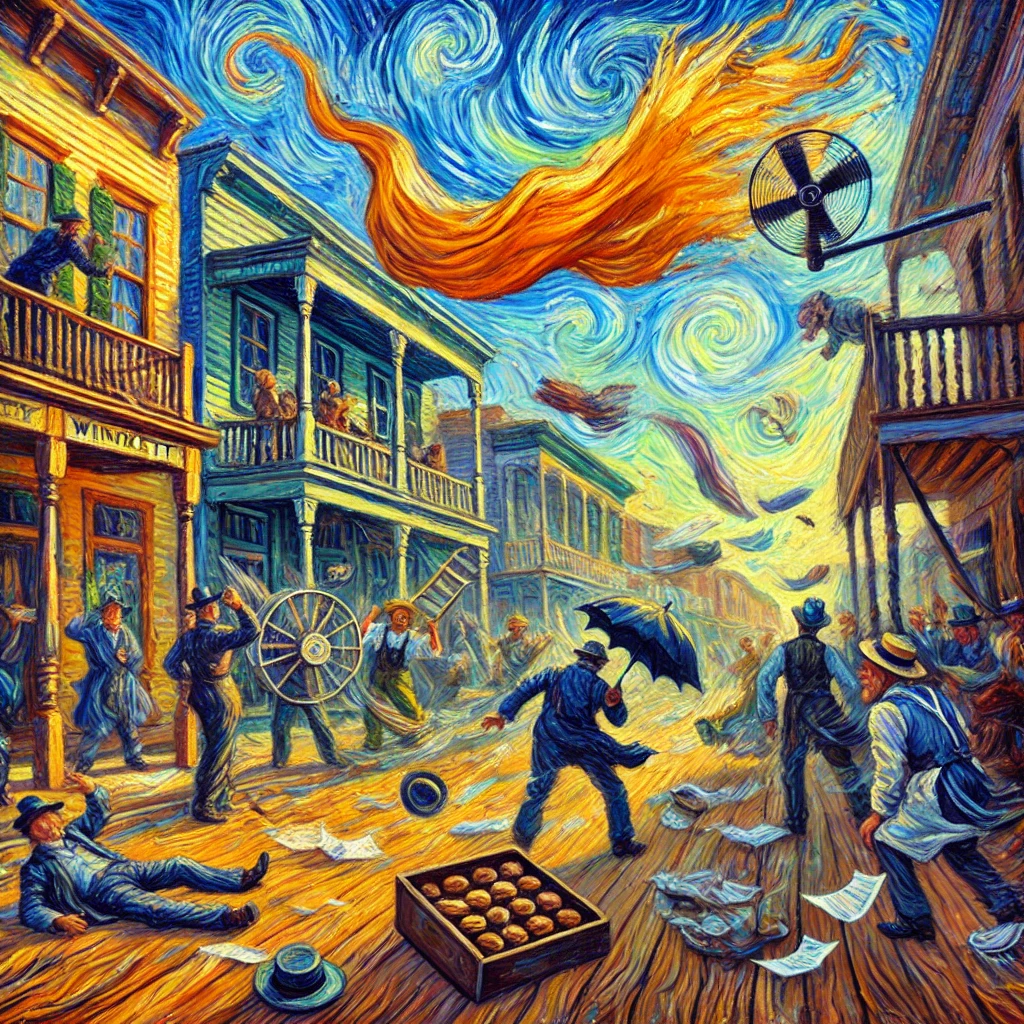
At that moment, real wind arrived.
A gust swept across the courthouse lawn.
The banner lifted dramatically.
Clovis’s fan tipped over.
Act V – The Outdoor Experiment
Mabel’s muffins rolled across the sidewalk.
Mayor Pickett grabbed his hat.
Sheriff Peeler steadied the ladder.
The banner snapped like a sail.
Boot Barnes shouted over the wind.
“Now that’s wind!”
The banner tore loose from one corner.
It swung wildly.
Mayor Pickett measured again.
“Three feet!”
Clovis shouted triumphantly.
“Portable!”
Boot Barnes pointed upward.
“That ain’t portable.”
“What is it?”
“That’s flying.”
The banner finally broke free.
It soared across the square like a confused flag.
Everyone watched as it drifted slowly toward the Baptist church parking lot.
Mabel Dean sighed.
“Well there goes the scoop sale.”
Act V – The Outdoor Experiment
Act VI – The Official Conclusion
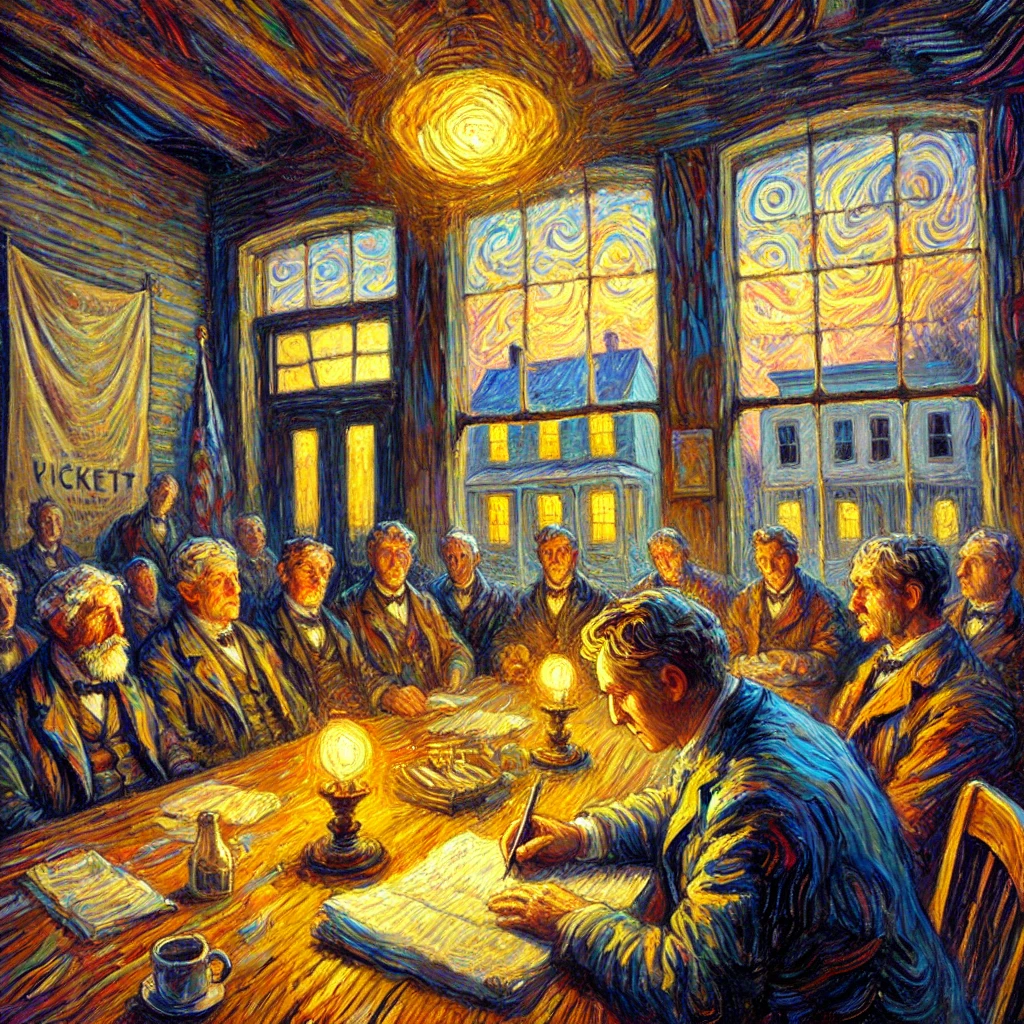
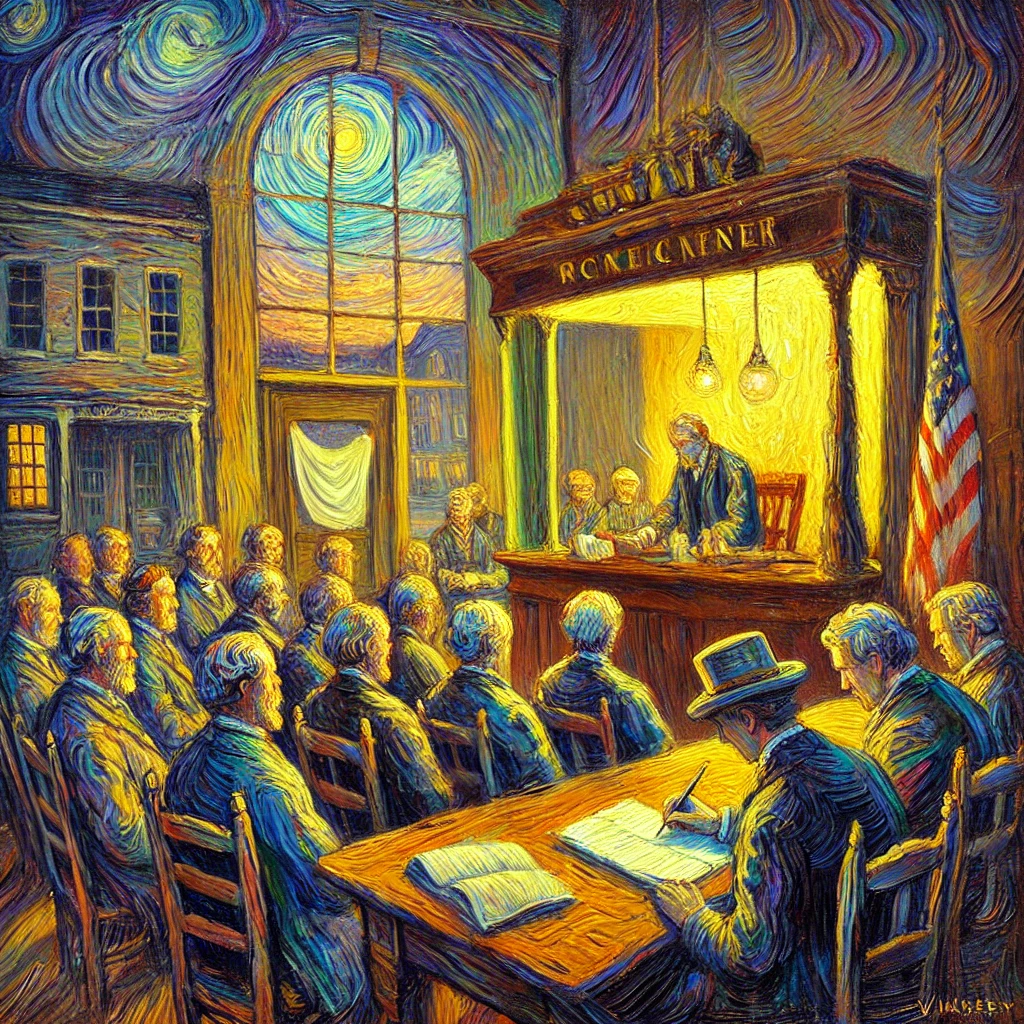
The council reconvened inside.
Everyone looked tired.
Mayor Pickett removed his glasses.
“After careful consideration,” he said, “the council will issue a clarification.”
Miss Darlene prepared her pen.
Mayor Pickett read from a sheet of paper.
“Portable signage shall be defined as any advertising display intended to be moved by human action and not primarily by weather.”
Boot Barnes nodded approvingly.
Act VI – The Official Conclusion
“That sounds reasonable.”
Clovis raised a hand.
“What about wind-assisted movement.”
Mayor Pickett glared.
“We are not adding wind clauses.”
Sheriff Peeler closed the ordinance binder.
“So Lem’s banner is…?”
Mayor Pickett paused.
He looked out the window.
The banner was draped over a church sign across the street.
He sighed.
“Grandfathered.”
Boot Barnes tipped his hat.
“That’s how most laws end up.”
Act VI – The Official Conclusion
Epilogue – Wind Offers a Final Opinion
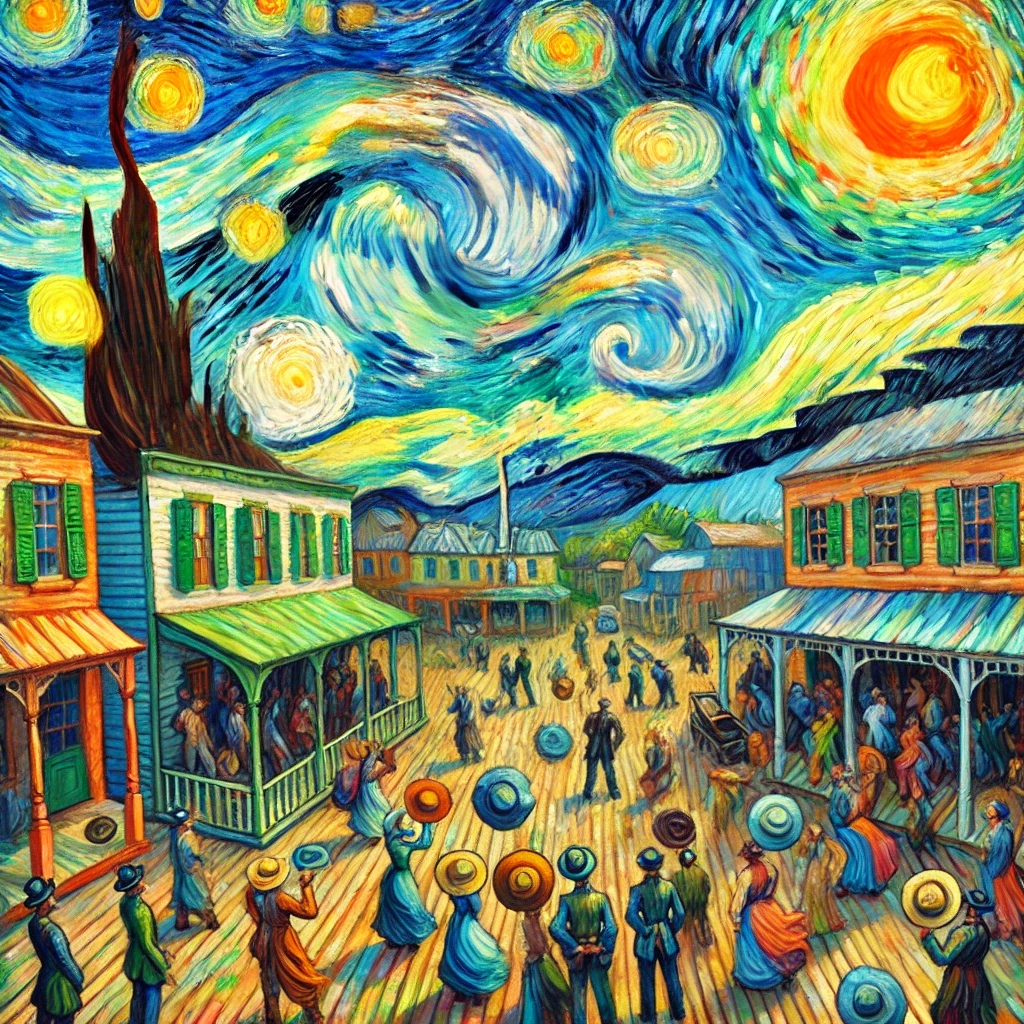
Later that evening, the wind returned.
It moved through Sequatchie Crossing with the quiet confidence of something that had just testified in court.
It rattled porch screens.
It turned wind chimes into percussion.
It lifted the edge of a newspaper on the courthouse bench.
And, briefly, it tugged at the repaired corner of Lem’s banner where it now hung again—secured by additional duct tape and what appeared to be two fishing lures.
The banner fluttered gently.
Not portable.
Not exactly fixed either.
Just part of the town.
Which, most residents agreed, was the usual legal status of things in Sequatchie Crossing.
Disclaimer – The Question of “Portable”
Disclaimer
The events described in this article occurred in the fictional town of Sequatchie Crossing, where ordinances, weather patterns, and civic logic often intersect in unusual ways. Any resemblance to real signage debates, wind-related testimony, or municipal confusion is purely coincidental—though residents of small towns may find the circumstances suspiciously familiar.

Disclaimer – The Question of “Portable”
Real Places Behind the Ruckus – From The Dunlap Directory
Real Places Behind the Ruckus – From The Dunlap Directory
Yes, this story was fictional; even the parts that weren’t true. These places? Absolutely real. Stop by, support local, and keep the Wi-Fi away from livestock:
- Painted Pony Guesthouse
- Nice Nails in Dunlap
- RiverBend Farm
- Tennessee Dude & Guest Ranch
- Top of the Rock Restaurant and Brewery
- Flowers & Thyme
- Hairitage
- Cates Street Pharmacy
- The Ridge
- Hardee’s Dunlap
- Whitzell Excavation
- Brandon’s Tree Service
- Uplift Fitness Dunlap
- Clayton’s Septic Pumping and Porta Potty Rentals
- Stocker Tire & Services Center
- Sequatchie Liquor
- Valley Fest

Real Places Behind the Ruckus – From The Dunlap Directory
At Sequatchie Crossing, we tell the stories of Sequatchie Crossing.
Please share this post with your friends, family, or business associates who may want help telling the stories of their legacy.

0 Comments