



A Natural Sequel When Someone Suggests Digital Engagement
By Tom Seest
At Sequatchie Crossing, we tell the stories of Sequatchie Crossing.
Please share this post with your friends, family, or business associates who may want follow the news from Sequatchie Crossing.
🎤 Audio Overview
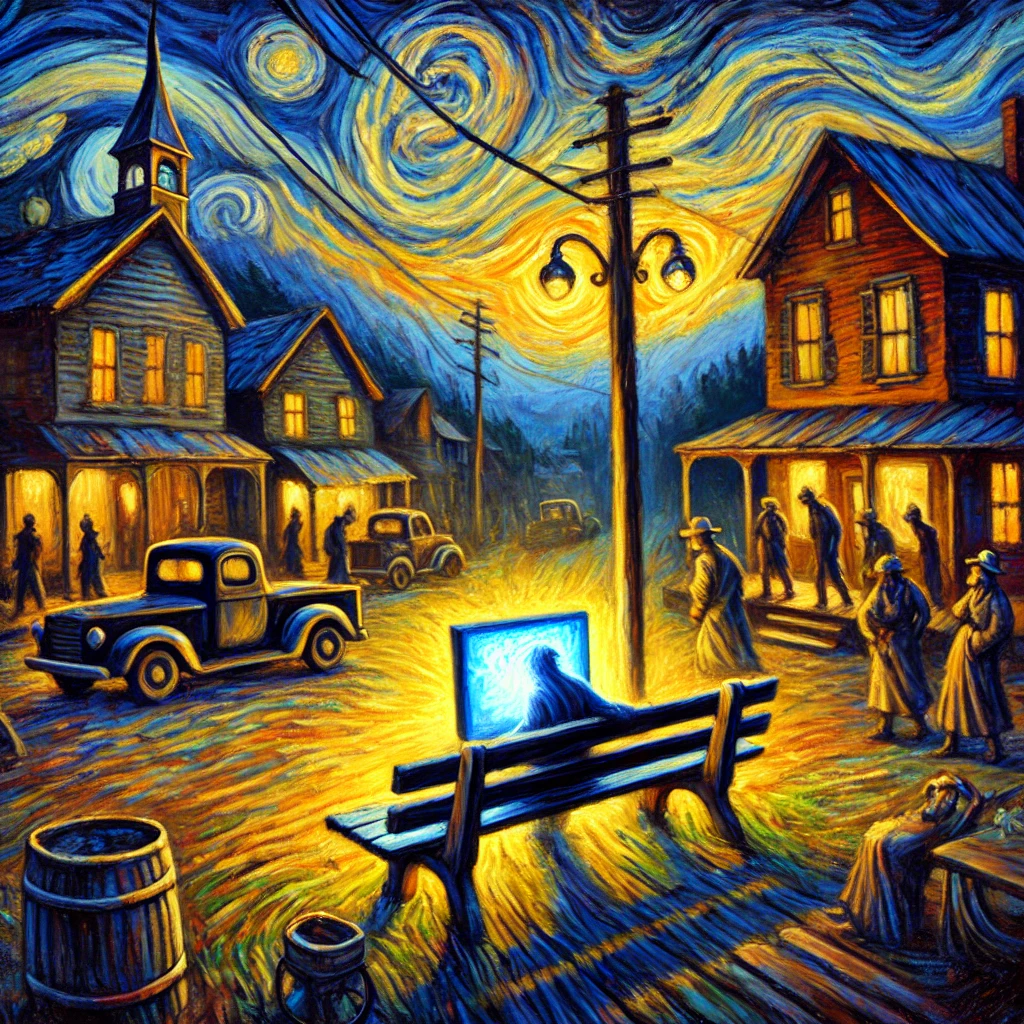
Town Considers Online Comments, Immediately Regrets the Concept
Act I – The Suggestion
Sequatchie Crossing had long prided itself on its ability to ignore things efficiently.
Problems, announcements, ordinances, elections – these were all tolerated best when left unacknowledged. Participation was treated like a hobby, and hobbies were suspicious by nature. If something truly mattered, someone would complain about it later, preferably in person, and preferably at the gas station.
So it came as a surprise to everyone – including the person who said it – when Mildred Pike suggested, during the final three minutes of a sparsely attended Town Council meeting, that the town might benefit from “an online comment section.”
She said it the way one might say, We could open a window, without realizing it was January.
“Well,” Mildred added quickly, already sensing danger, “just as an option.”
There was a pause.
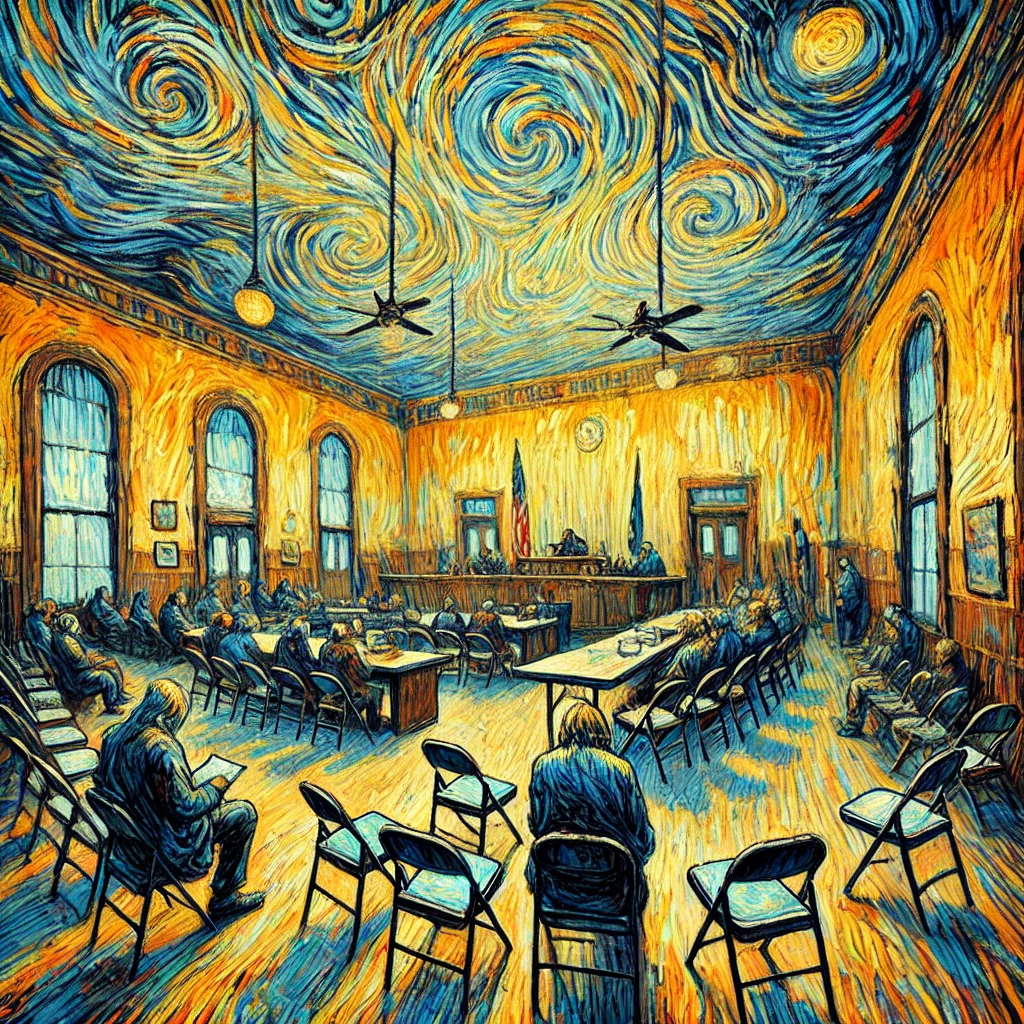
Act I – The Suggestion
Councilman Earl Dobbs blinked slowly, as though buffering.
“You mean,” he said, carefully, “people typing.”
“Yes,” Mildred said. “From home.”
Sheriff Peeler leaned back in his chair, which creaked ominously. “Typing what.”
“Thoughts,” Mildred said. “Concerns. Feedback.”
Another pause. This one longer. Denser.
Mayor Lucinda Griggs, who had campaigned on the promise of transparent governance without ever defining transparency, adjusted her glasses.
“Would the comments be… optional?” she asked.
“They’d be there,” Mildred said. “People could choose to read them. Or not.”
Boot Barnes, who had not been invited but had shown up anyway and was sitting in the back with a thermos, muttered, “That’s not how that works.”
The minutes would later reflect that the motion passed “with general interest and no objections voiced,” which was technically true if one ignored the audible groaning.
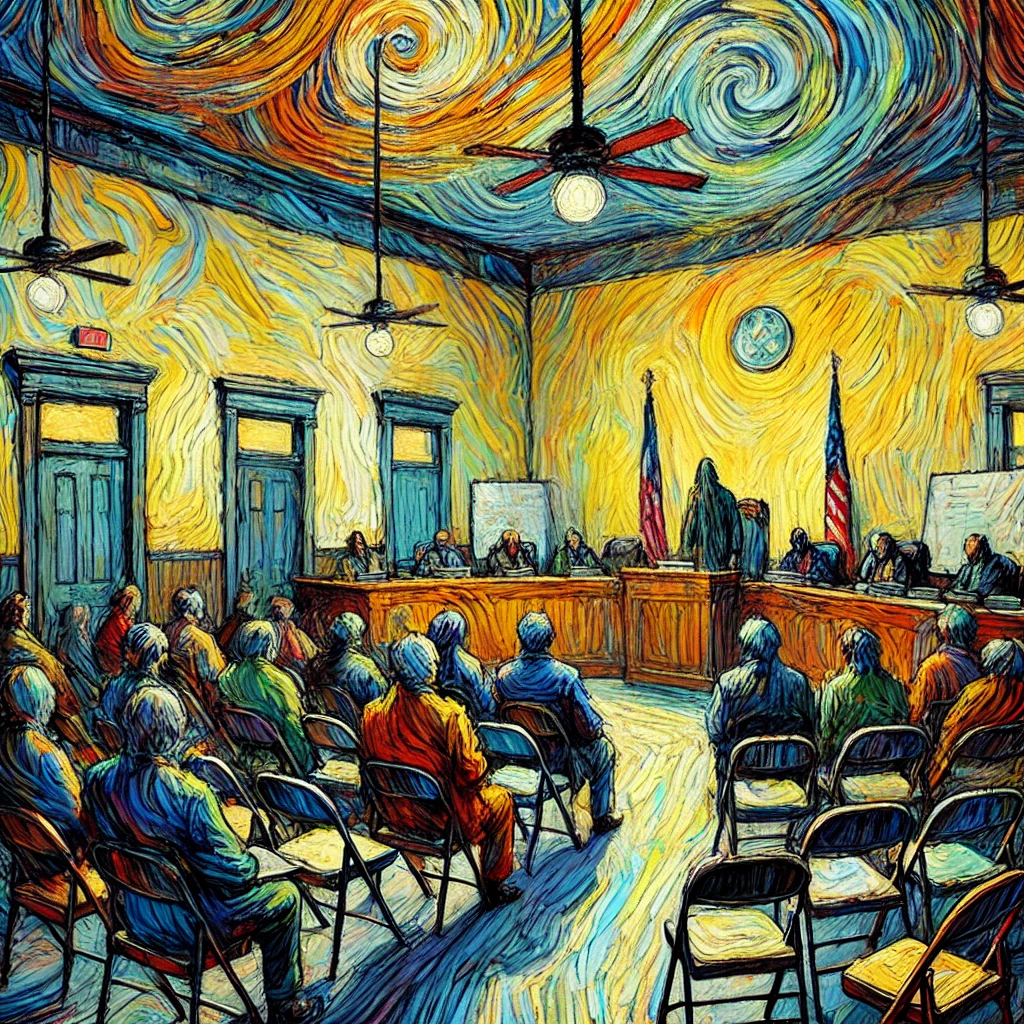
Act I – The Suggestion
Act II – The Platform
The town website had not been updated since the Great Seal Image Incident of 2013, when someone accidentally uploaded a photo of a decorative duck instead of the municipal emblem and nobody noticed for seven months.
Adding a comment section required calling Larry.
Larry was not a web developer. Larry owned a printer. But Larry had once installed a router, and that was apparently enough.
Two weeks later, the feature went live.
At the bottom of each town post – Road Closure on Maple, Water Advisory, Reminder: Burn Pile Regulations – there it was:
Leave a Comment
The button was blue. Too blue, some would later say.
At 8:04 a.m., the first comment appeared.
ConcernedCitizen1974:
Is this where we ask why nothing ever gets fixed or is that another page?
By 8:06, there were seven replies.
By 8:10, someone had used all caps.

Act II – The Platform
Act III – Discovery
People who had never attended a meeting discovered the comment section the way prospectors once discovered gold – suddenly, loudly, and with a sense of moral entitlement.
It was thrilling. Anonymous. Immediate.
Clovis Strickland discovered it at precisely 8:47 a.m. when his niece texted him, UNCLE CLOVIS DID YOU SEE THIS THING followed by fourteen screenshots.
Clovis stared at the screen, horrified and intrigued.
“They’re just saying things,” he whispered.

Act III – Discovery
Within minutes, Clovis had created an account. He chose his name carefully:
SequatchieTruthKeeper
His first comment was measured.
I just want to say that before everyone starts complaining, some of us remember when this town worked just fine without all this typing.
It received seventeen replies, none of which were about that.
By noon, there were comment threads arguing about:
-
potholes that no longer existed
-
potholes that existed only metaphorically
-
whether potholes were a government conspiracy
-
whether the town deserved potholes
A woman named Darlene, who lived three miles outside town limits but felt spiritually included, wrote six paragraphs about parking.
Nobody knew what parking she meant.
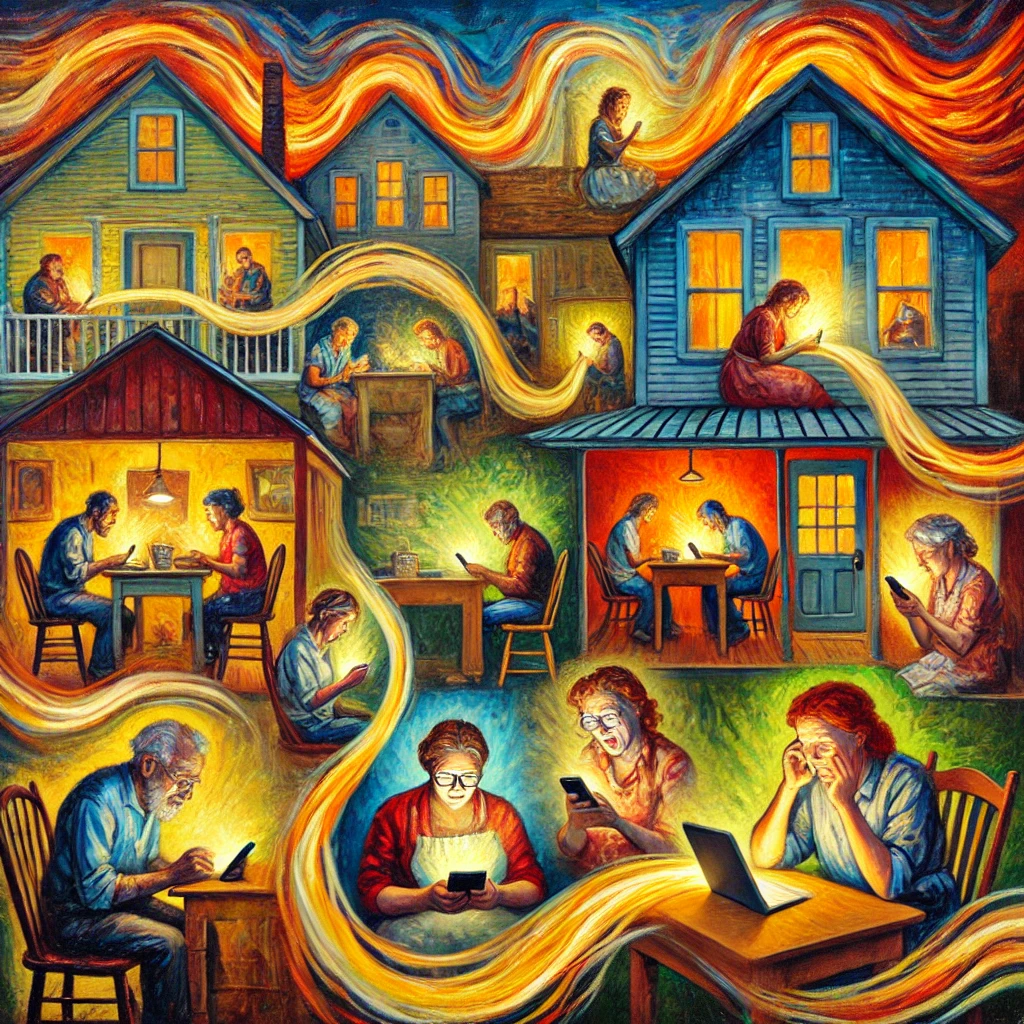
Act III – Discovery
Act IV – Moderation (Briefly Considered)
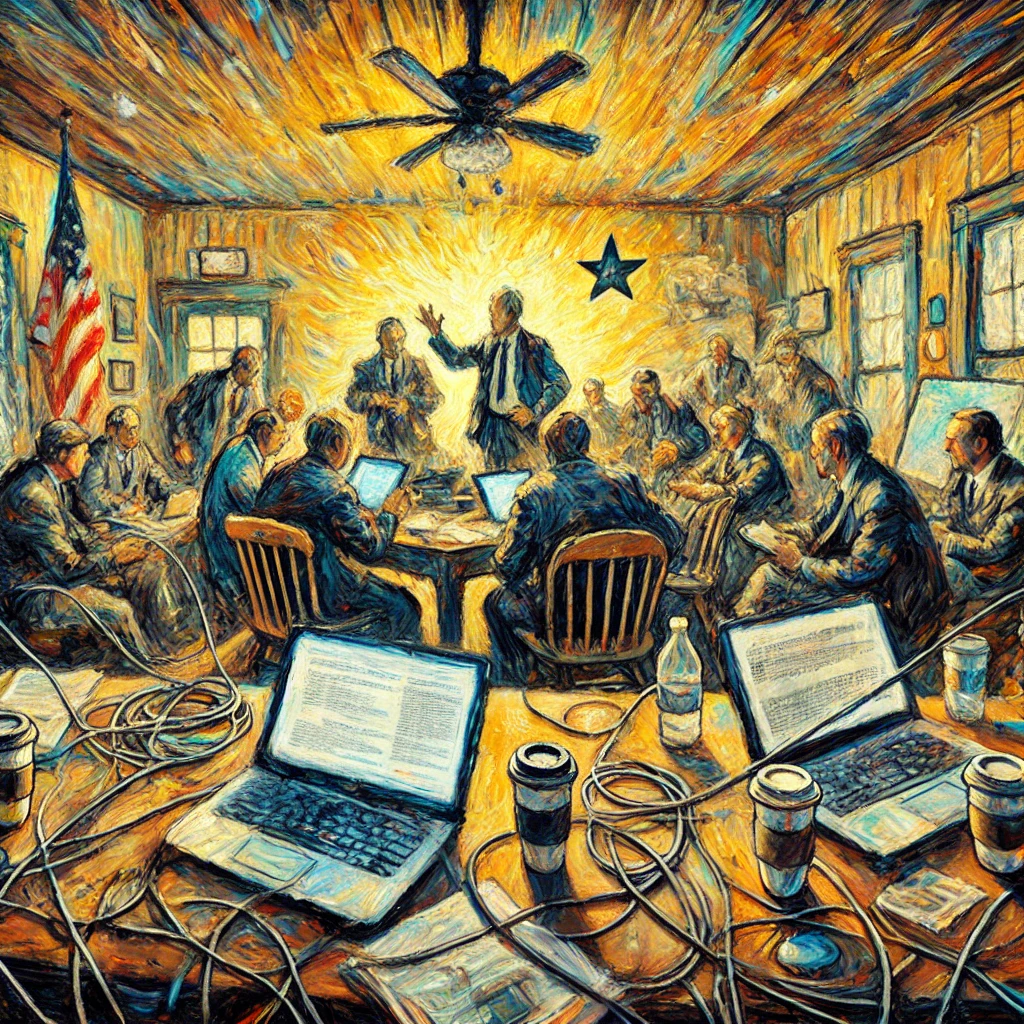
Mayor Griggs called an emergency meeting.
“This was supposed to increase engagement,” she said, rubbing her temples. “Not… whatever this is.”
Mildred, pale but resolute, said, “Technically, they are engaged.”
“Engaged to what?” Earl asked. “Being mad?”
Larry suggested filters.
“What kind of filters,” Sheriff Peeler asked.
Larry shrugged. “Like… bad words?”
Within hours, the filter was live.
It immediately replaced half the comments with strings of asterisks, which only seemed to energize people.
MapleStreetMom:
I can’t believe you censored my comment when all I said was ********** and ********* about the ********* on Cedar Road.
Someone else replied:
That’s EXACTLY what they don’t want you saying.
Boot Barnes began referring to the asterisks as “government snow.”
Act IV – Moderation (Briefly Considered)
Act V – The Experts Arrive
With engagement came experts.
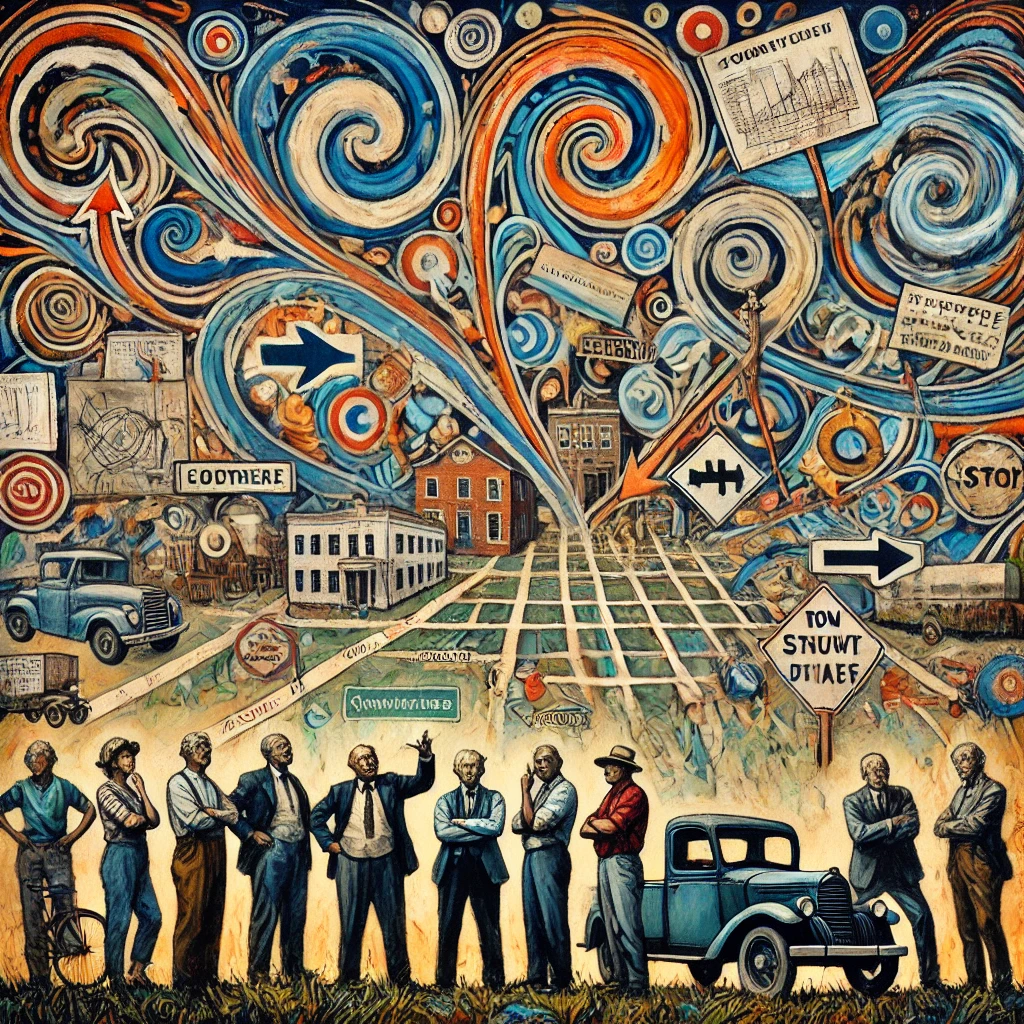
People who had not lived in Sequatchie Crossing long enough to know where the post office used to be began explaining how things should run.
They cited studies. They cited “best practices.” They cited towns no one had heard of.
A man using the name UrbanRevitalizer88 suggested roundabouts.
This comment alone generated 142 replies, including a diagram drawn in ASCII art and a threat.
Clovis posted twelve separate warnings about “outside influence.”
Someone replied, “Clovis, you live on Facebook.”
Clovis did not deny this.
Act V – The Experts Arrive
Act VI – The Silent Majority Speaks (Loudly)
Ironically, the people who had spent years lamenting that “nobody cares anymore” were now furious that everyone suddenly cared at once.
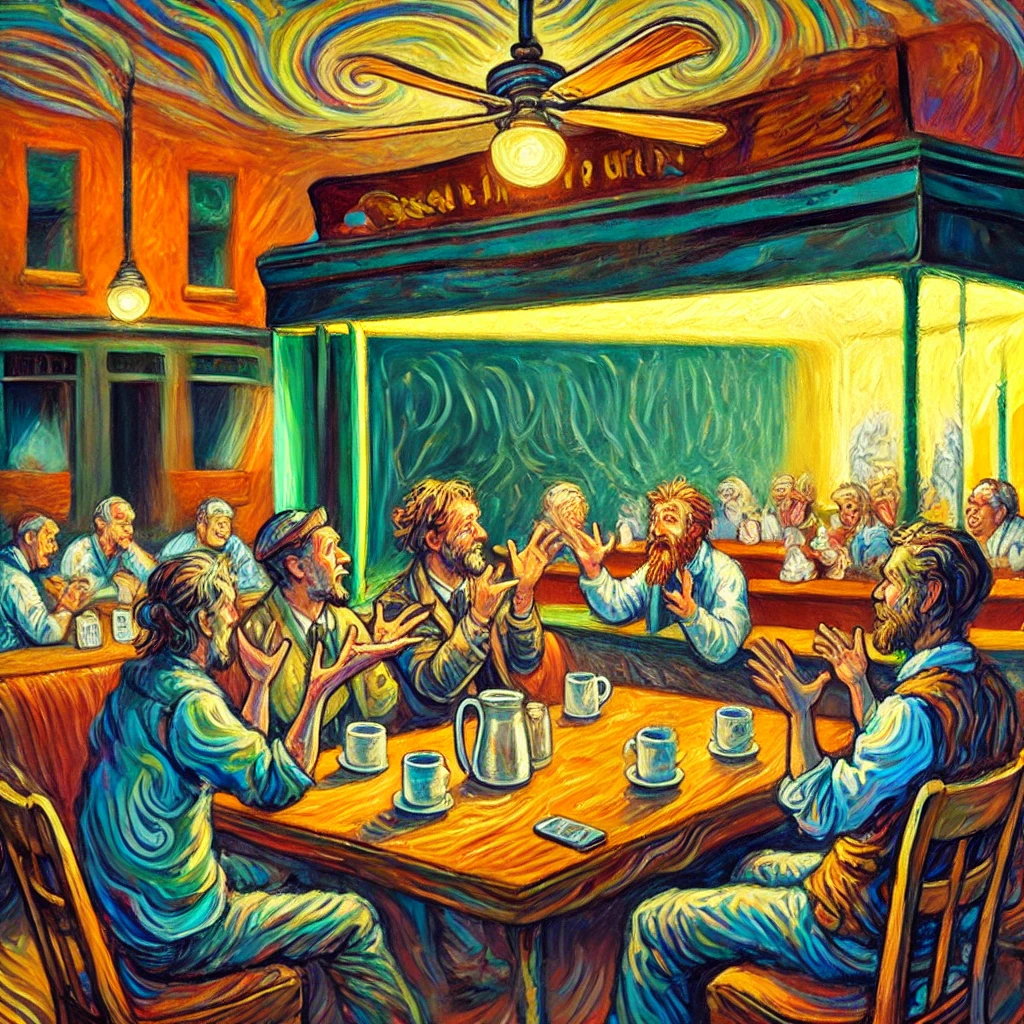
At the diner, Mabel Dean slammed her coffee cup down.
“I liked it better when folks complained in private,” she said. “At least then you didn’t have to read it.”
Her companion nodded. “Now they’re putting it in writing. That feels permanent.”
The comment section became the new town square, except nobody had to look anyone in the eye.
Someone accused the town of deleting comments.
The town had not deleted comments.
Someone accused the town of not deleting comments.
That one was true.
Act VI – The Silent Majority Speaks (Loudly)
Act VII – The Incident
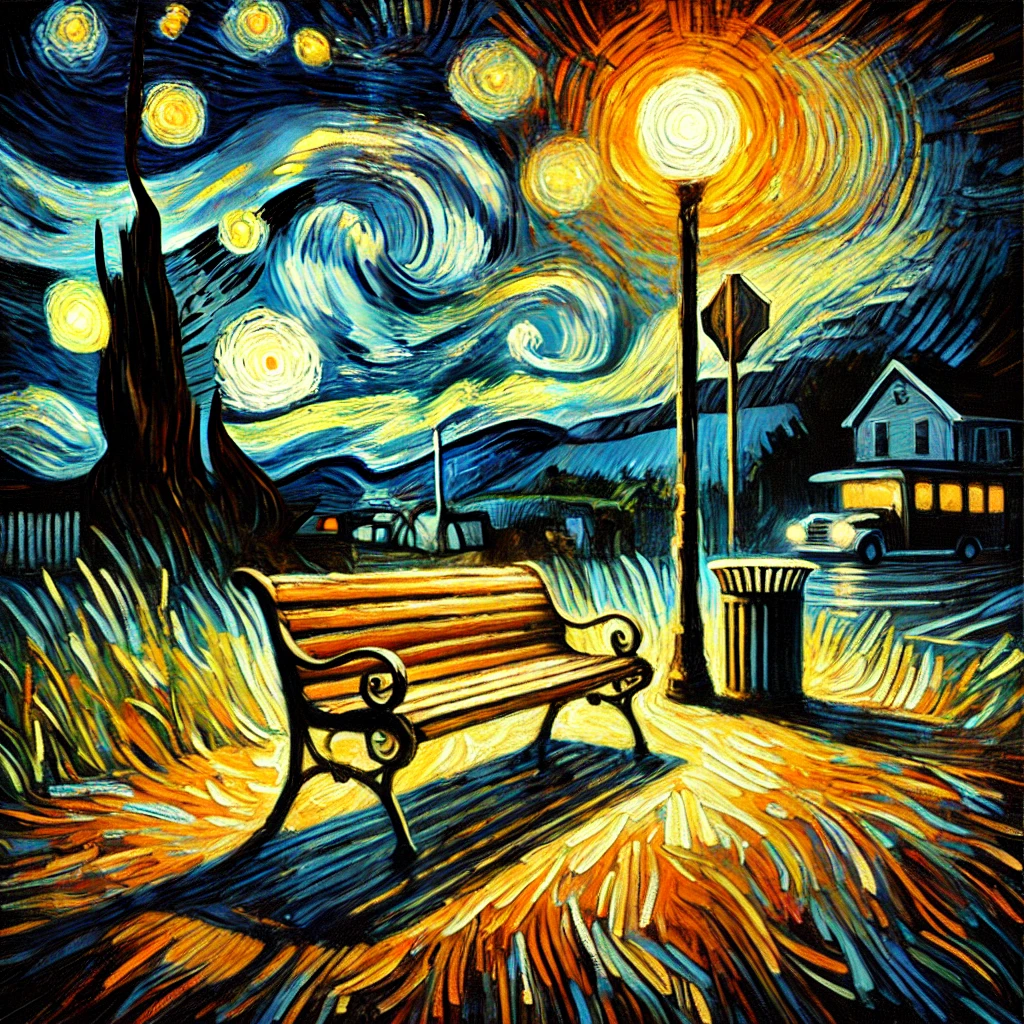
The breaking point came with the post titled:
Town to Consider Park Bench Replacement
It was a simple notice. Two benches. One splintered. One “aesthetically tired.”
The comments reached 312.
Arguments erupted over:
-
bench placement
-
bench materials
-
whether benches encouraged loitering
-
whether loitering was the backbone of democracy
One commenter posted a photo of a bench from 1998.
Another accused the photo of being edited.
By evening, someone had written, “This is why young people leave.”
Nobody involved was young.
Act VII – The Incident
Act VIII – Emergency Shutdown
At 9:43 p.m., Larry pulled the plug.
Literally.
The comment section vanished.
In its place appeared a message:
Comments Temporarily Disabled While We Review Community Feedback
The next morning, the town woke to silence.
And then to complaints about the silence.
People gathered at the gas station to ask why their comments were gone.
“Mine was respectful,” everyone said.
Clovis demanded a paper trail.
Boot Barnes announced he was “considering legal options,” which meant writing something on a napkin.

Act VIII – Emergency Shutdown
Act IX – The Reflection
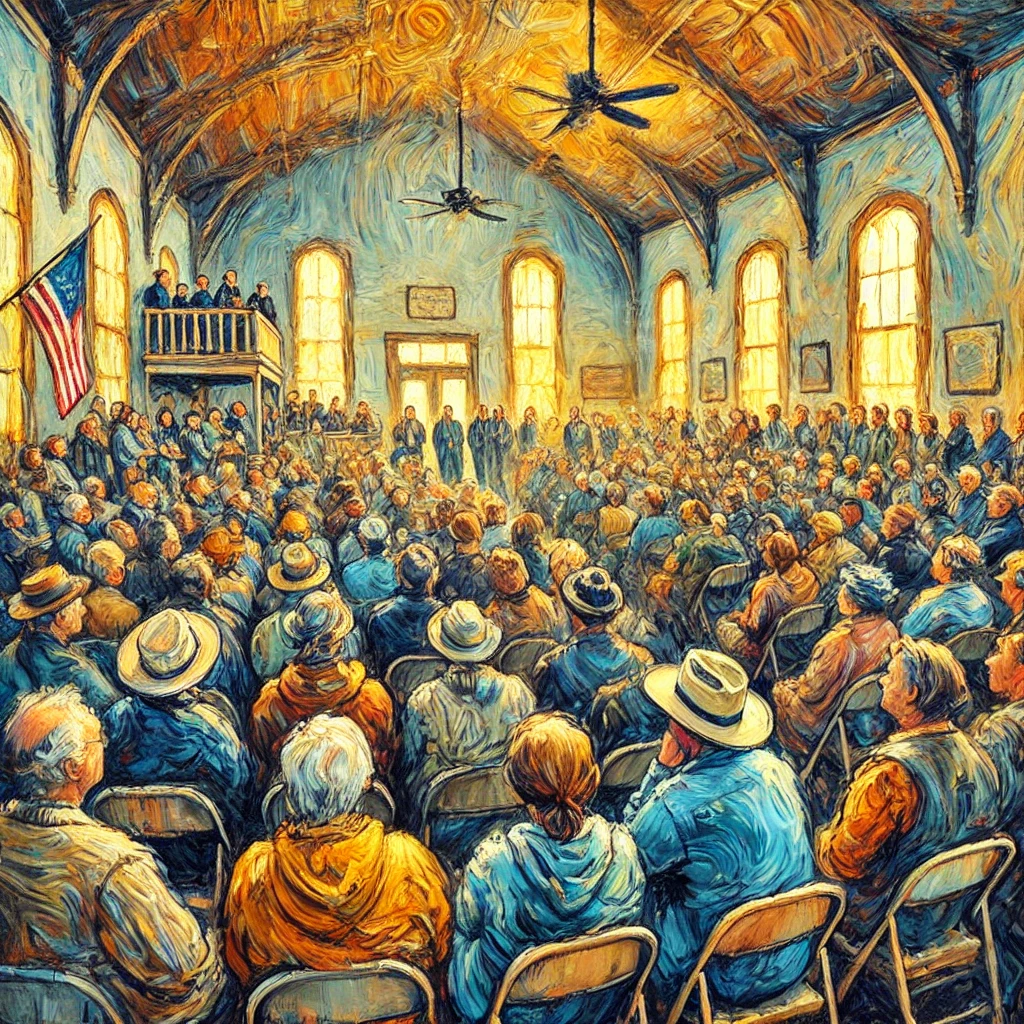
At the next council meeting – standing room only for the first time in memory – Mayor Griggs cleared her throat.
“We’ve learned a lot,” she said.
Mildred nodded. “Mostly about ourselves.”
Earl said, “And about benches.”
Sheriff Peeler added, “And that typing is faster than thinking.”
After much discussion, it was decided that:
-
comments would not return
-
engagement would remain “encouraged”
-
silence would once again be interpreted as apathy, not relief
The minutes recorded “robust community input.”
Act IX – The Reflection
Epilogue – Lessons, Ignored
A month later, someone suggested a town app.
The room went quiet.
Boot Barnes slowly stood up.
“I move that we never speak of this again.”
The motion passed unanimously.
Outside, someone was already typing.
Epilogue – Town Considers Online Comments, Immediately Regrets the Concept
Key Takeaways from Sequatchie Crossing
-
Silence is only comforting until it breaks.
-
Participation is wonderful until it’s inconvenient.
-
Everyone wants a voice; nobody wants a chorus.
-
The internet did not create town conflict – it just added timestamps.
And in Sequatchie Crossing, peace returned the only way it ever truly had:
By pretending nothing happened.
Epilogue – Town Considers Online Comments, Immediately Regrets the Concept
Disclaimer
This story is a work of fiction.
Any resemblance to actual towns, meetings, comment sections, social media platforms, elected officials, unelected officials, self-appointed officials, concerned citizens, anonymous usernames, or people who “were just asking a question” is entirely coincidental – and deeply unfortunate.
Sequatchie Crossing does not endorse, encourage, host, moderate, archive, screen, curate, amplify, suppress, or otherwise accept responsibility for online comments, offline comments, side-eye comments, parking-lot comments, or comments that begin with “I’m not saying, but…”
Opinions expressed by fictional characters are their own and do not reflect official policy, unofficial policy, legacy policy, or policy that was “talked about but never written down.”
No benches were harmed in the writing of this story.
Several feelings were bruised. That was unavoidable.
Readers are advised that engaging with comment sections – real or imagined – may result in elevated blood pressure, sudden expertise, nostalgic certainty, or the uncontrollable urge to type faster than they think.
Proceed accordingly.
Disclaimer – Town Considers Online Comments, Immediately Regrets the Concept
Real Places Behind the Ruckus – From The Dunlap Directory
Real Places Behind the Ruckus – From The Dunlap Directory
Yes, this story was fictional; even the parts that weren’t true. These places? Absolutely real. Stop by, support local, and keep the Wi-Fi away from livestock:
- Little Caesars
- Greenehouse Children’s Center
- Cynthia’s Kitchen
- Miller’s Bread
- Spee-D Tires
- Ketner’s Mill
- Agricultural Extension Services
- Applegate Inn
- Greeter Falls Campground
- Natural Affinity – Handcrafted Herbal Essentials
- Bolt Farm Treehouse Tennessee
- Volunteer Eyecare
- Big Dog Development
- The Frozen Frenzy
- Edward Jones – Financial Advisor: Tom Vennero
- Willow Rose Stables – Event Pony Rental
- HUBNER Component Solutions LLC

Real Places Behind the Ruckus – From The Dunlap Directory
At Sequatchie Crossing, we tell the stories of Sequatchie Crossing.
Please share this post with your friends, family, or business associates who may want follow the news from Sequatchie Crossing.

0 Comments