


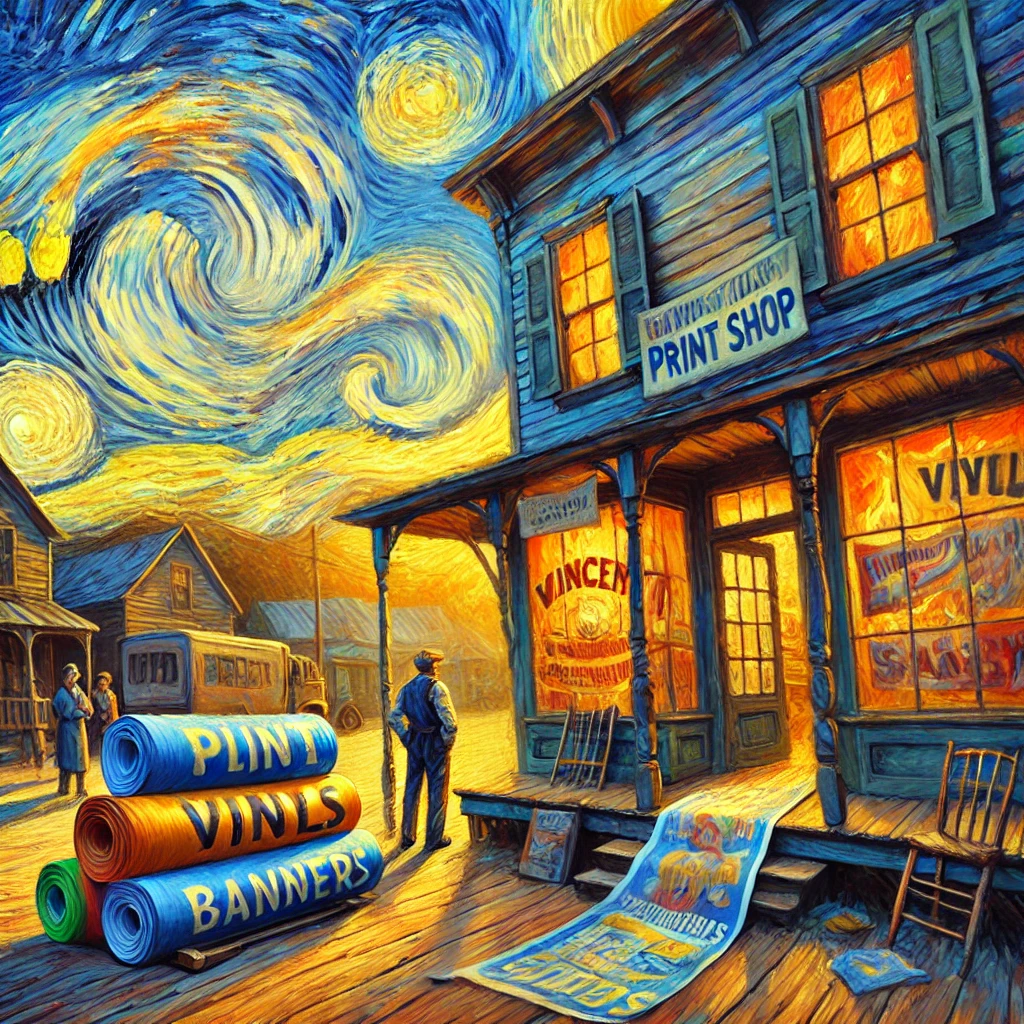
Inventory Becomes Evidence
By Tom Seest
At Sequatchie Crossing, we tell the stories of Sequatchie Crossing.
Please share this post with your friends, family, or business associates who may want help telling the stories of their legacy.
🎤 Audio Overview
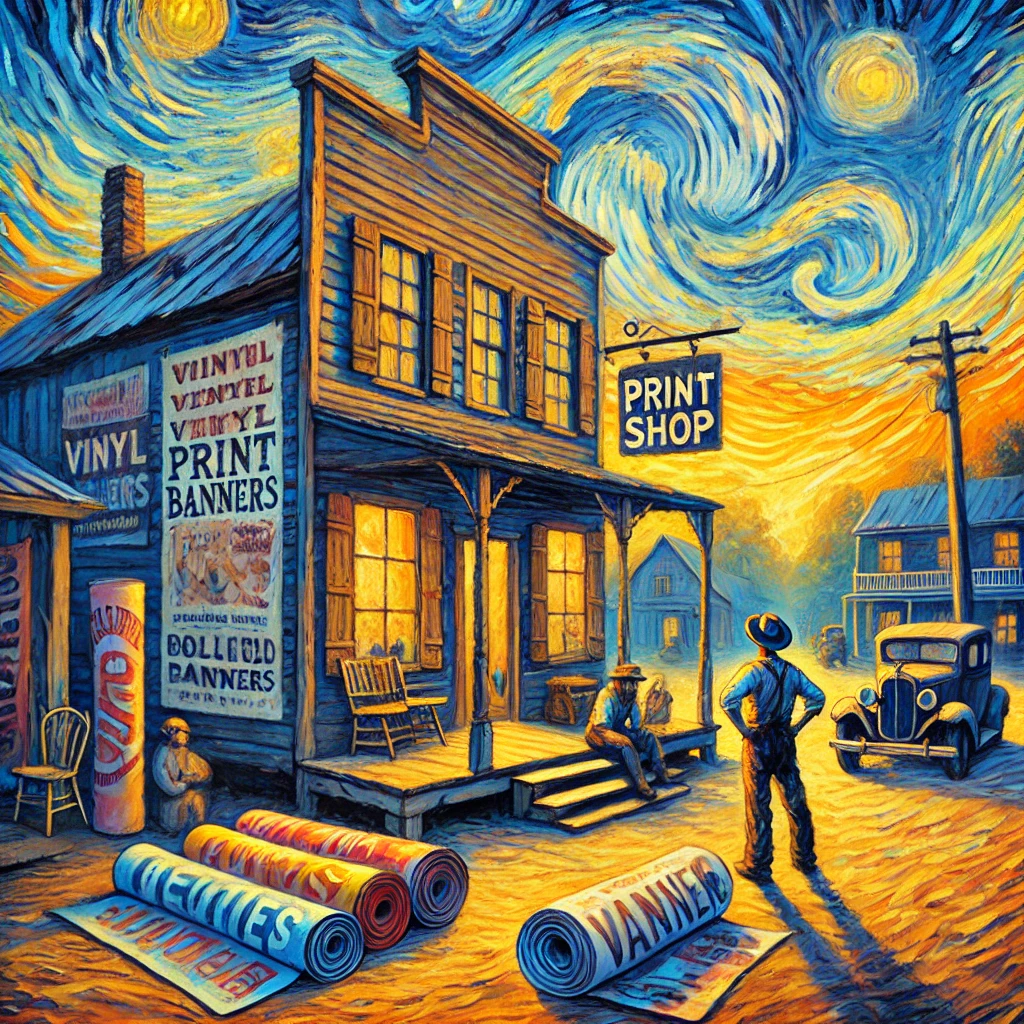
The Printer Who Saw It Coming
Act I – The Back Room That Knew Too Much
At first glance, Barnes & Ink Print Shop looked like the least controversial building in Sequatchie Crossing.
The shop sat between the hardware store and the old feed supply building, its windows decorated with faded posters advertising church suppers, chili cook-offs, and one lingering banner that read WELCOME HOME TROOPS – 2007.
Inside, the place smelled like toner, cardboard, and coffee that had been reheated enough times to qualify as historical.
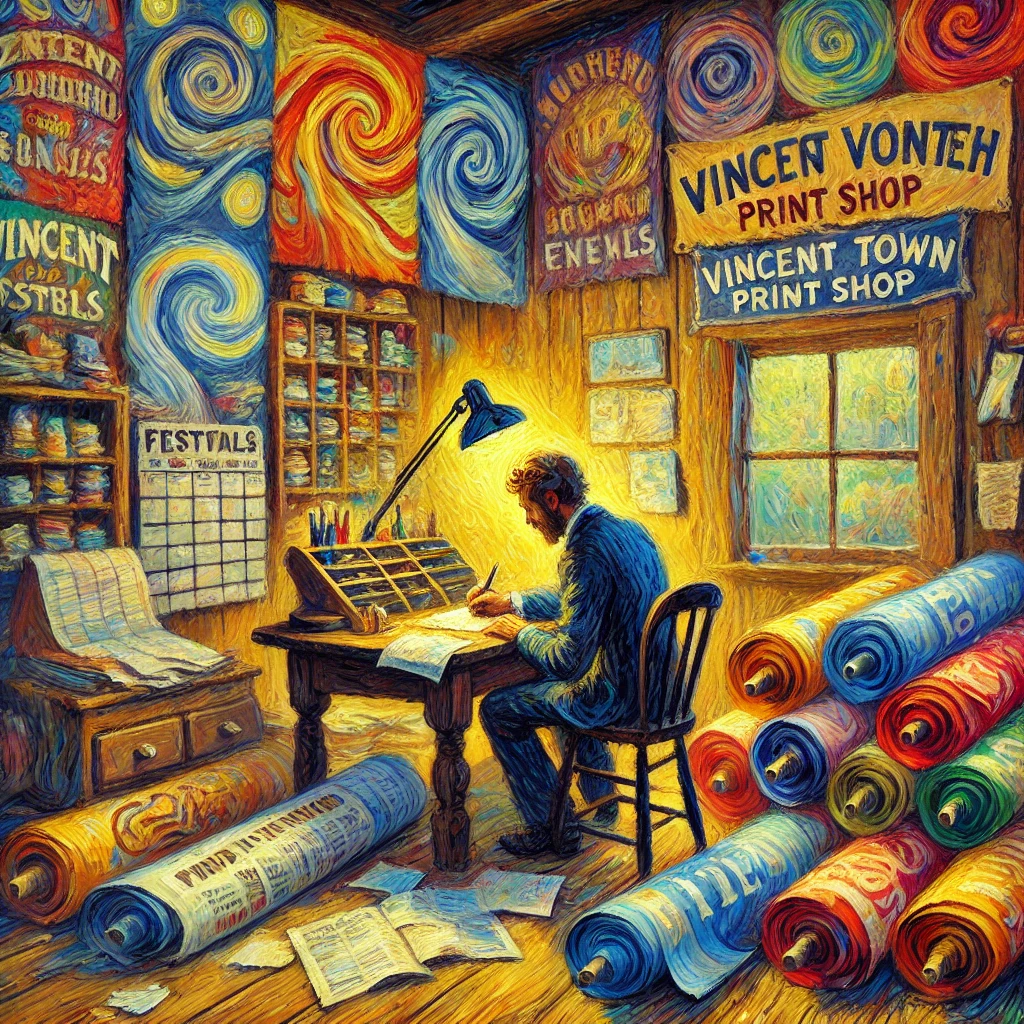
Behind the counter stood Leonard “Lenny” Caldwell, owner, printer, banner-maker, and unofficial archivist of the town’s public enthusiasm.
If something happened in Sequatchie Crossing – festival, yard sale, church revival, zoning dispute, tractor pull, or apology for a zoning dispute – Lenny had probably printed the sign.
He had been doing it for thirty-two years.
Which meant, when the Portable Sign Ordinance suddenly started being enforced eleven years after its quiet passage, Lenny Caldwell was the only person in town who knew exactly how many portable signs existed.
Because he had printed most of them.
And more importantly –
He still had the receipts.
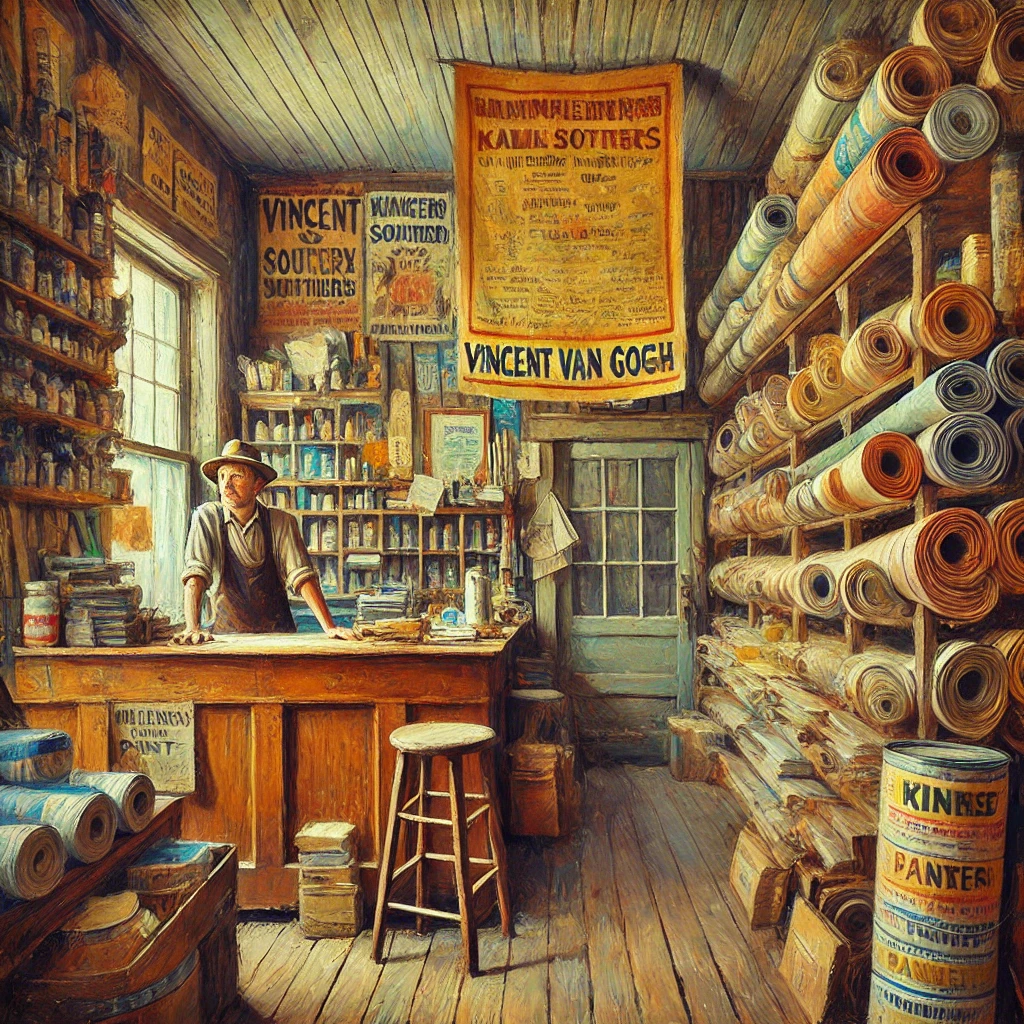
Act I – The Back Room That Knew Too Much
Act II – The Inventory
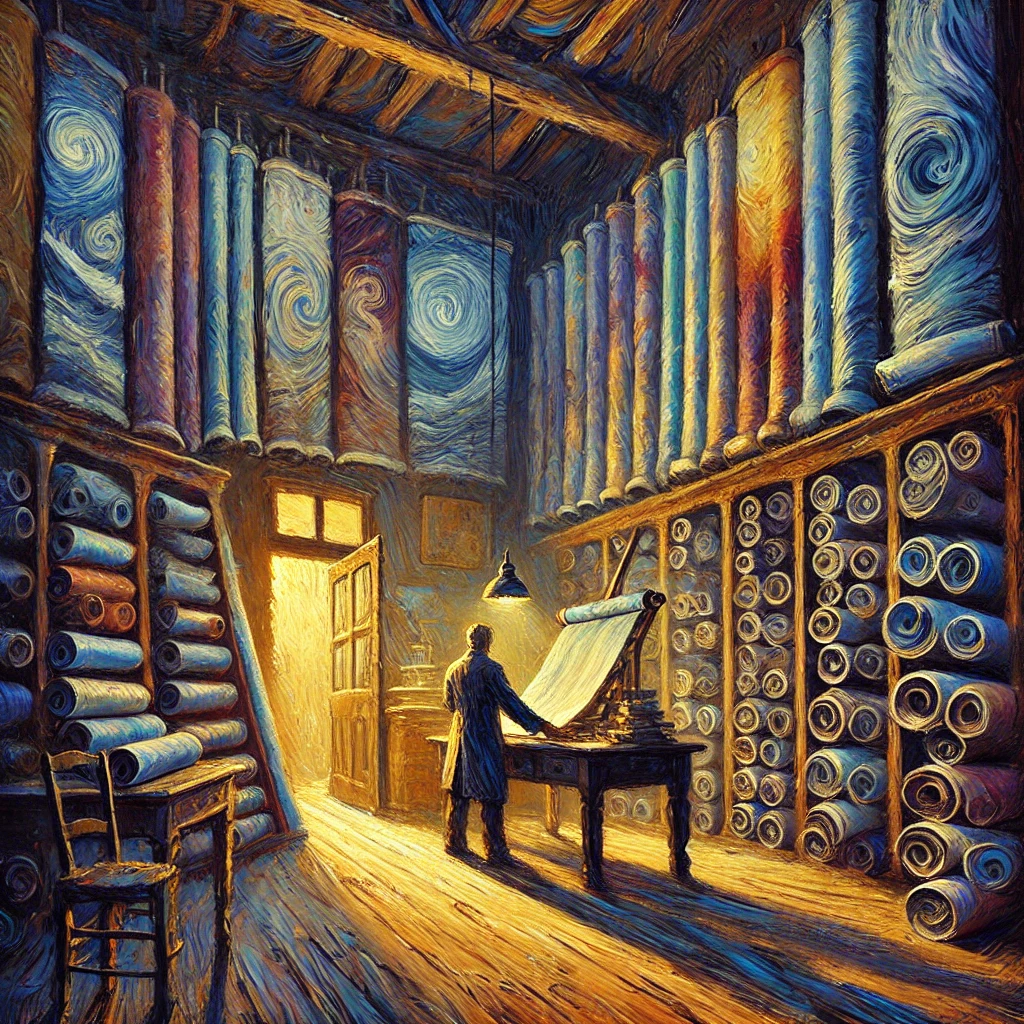
The back room of Barnes & Ink was not organized in a way outsiders would understand.
To the casual observer, it looked like chaos.
But Lenny knew every shelf.
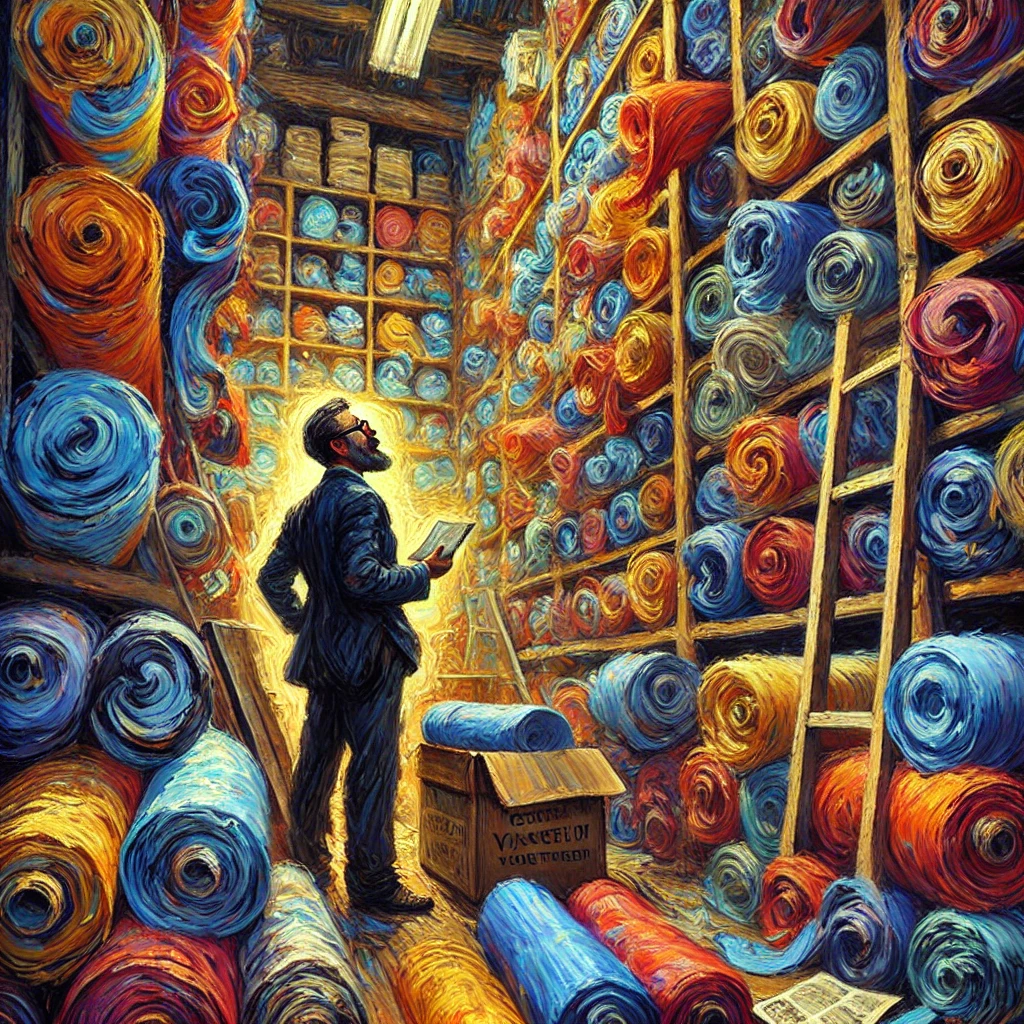
The vinyl rolls leaned against the wall in carefully maintained stacks: red, white, blue, neon yellow, “festival green,” and a shade of orange that existed solely because the Corn Festival Committee once demanded it.
Boxes lined the walls.
Inside them were folded banners.
Some were printed.
Some were blank.
Some had never been picked up.
Others had been reordered so many times Lenny could print them from memory.
When Clovis Strickland wandered in one Tuesday afternoon carrying his notebook and the expression of a man who believed historical documentation was a civic duty, he froze mid-step.
“Good Lord,” Clovis said slowly.
He was staring at a shelf.
Actually, several shelves.
Actually –
An entire wall.
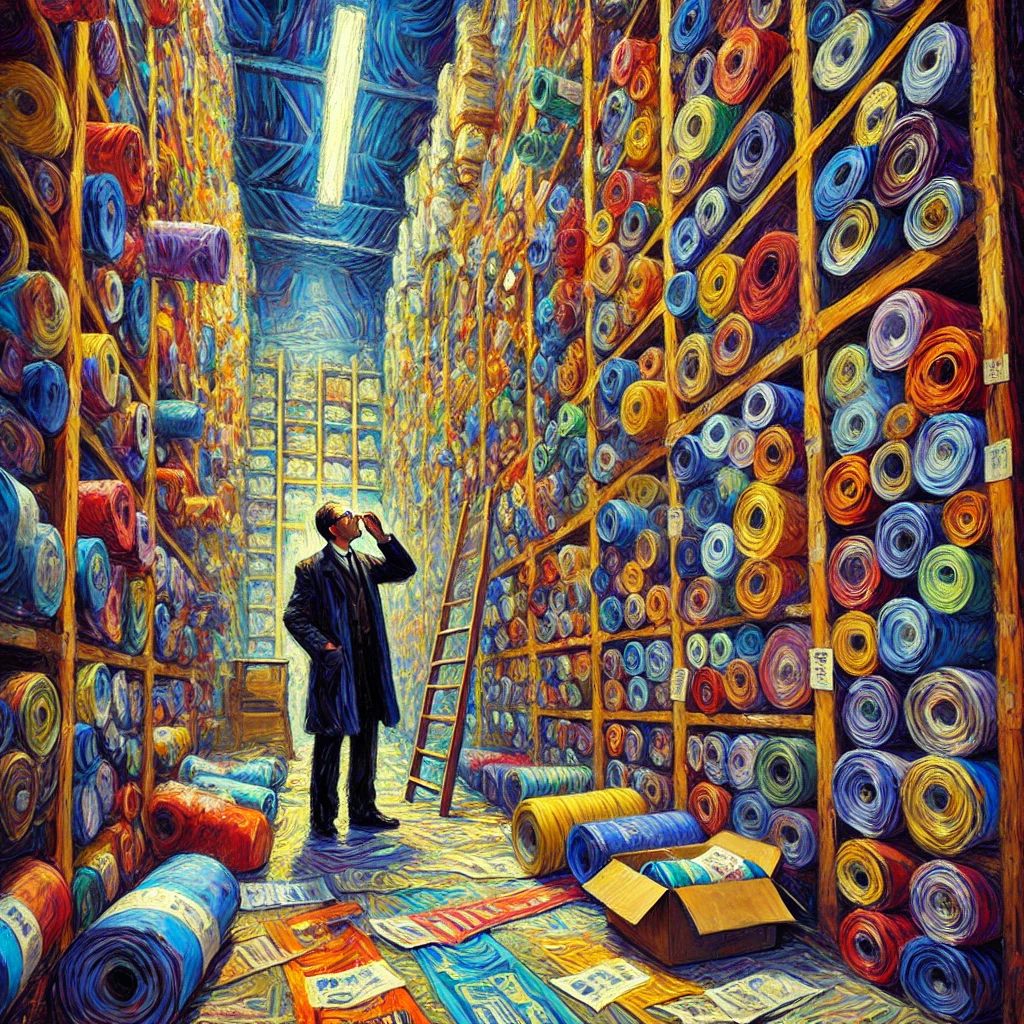
Act II – The Inventory
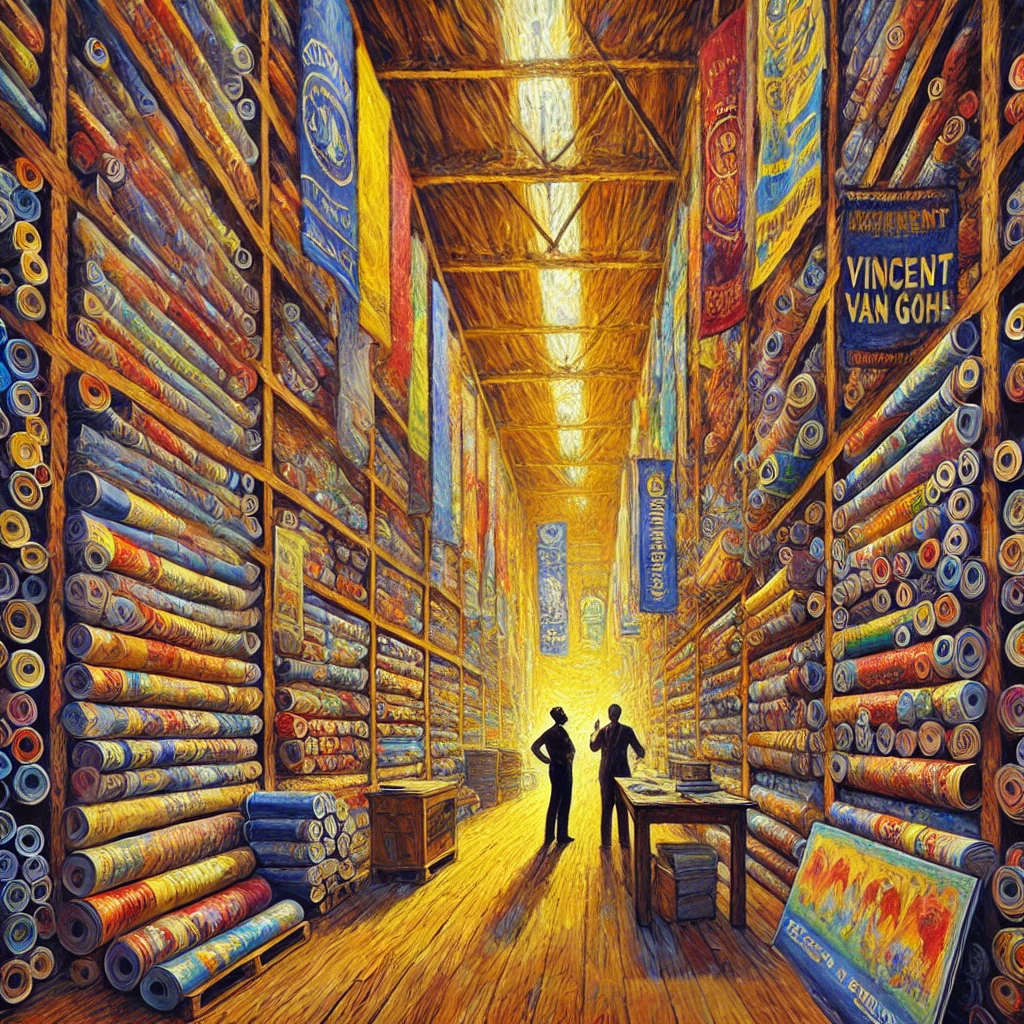
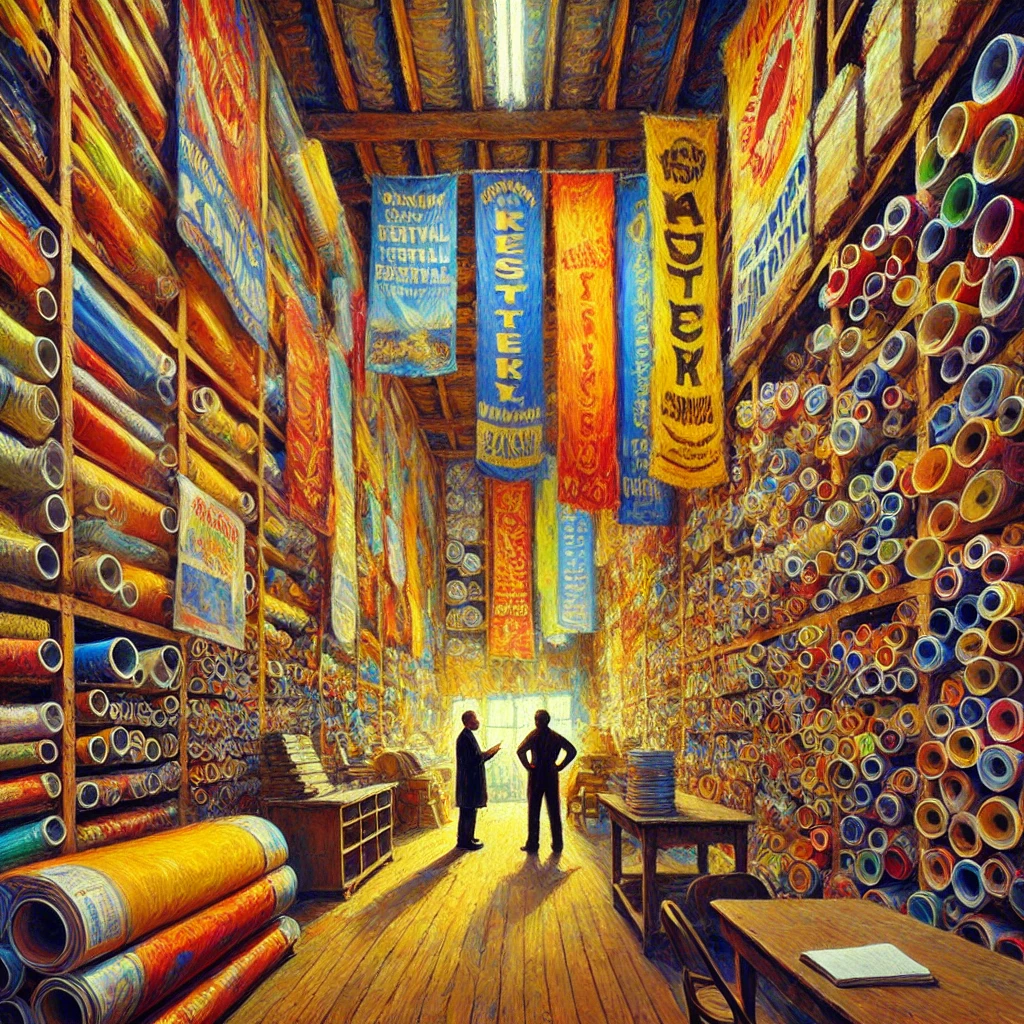
Every shelf held portable banners.
Hundreds of them.
Rolled. Folded. Stacked.
Some labeled.
Some waiting for pickup.
Some that had been abandoned years ago when a business closed but no one came back for the sign.
Clovis removed his glasses and polished them slowly.
“Lenny,” he said.
“Yes?”
“Are these…”
“Yes.”
“…illegal?”
Lenny took a sip of coffee.
“Well,” he said calmly, “they weren’t yesterday.”
Act II – The Inventory
Act III – The Ordinance Meets the Supply Chain
The Portable Sign Ordinance, passed quietly in a council meeting eleven years earlier, had suddenly become the most controversial piece of municipal law the town had ever rediscovered.
Portable signs were defined as:
-
Temporary banners
-
Sandwich boards
-
Inflatable advertising devices
-
Signs attached to trailers, posts, or anything not permanently anchored
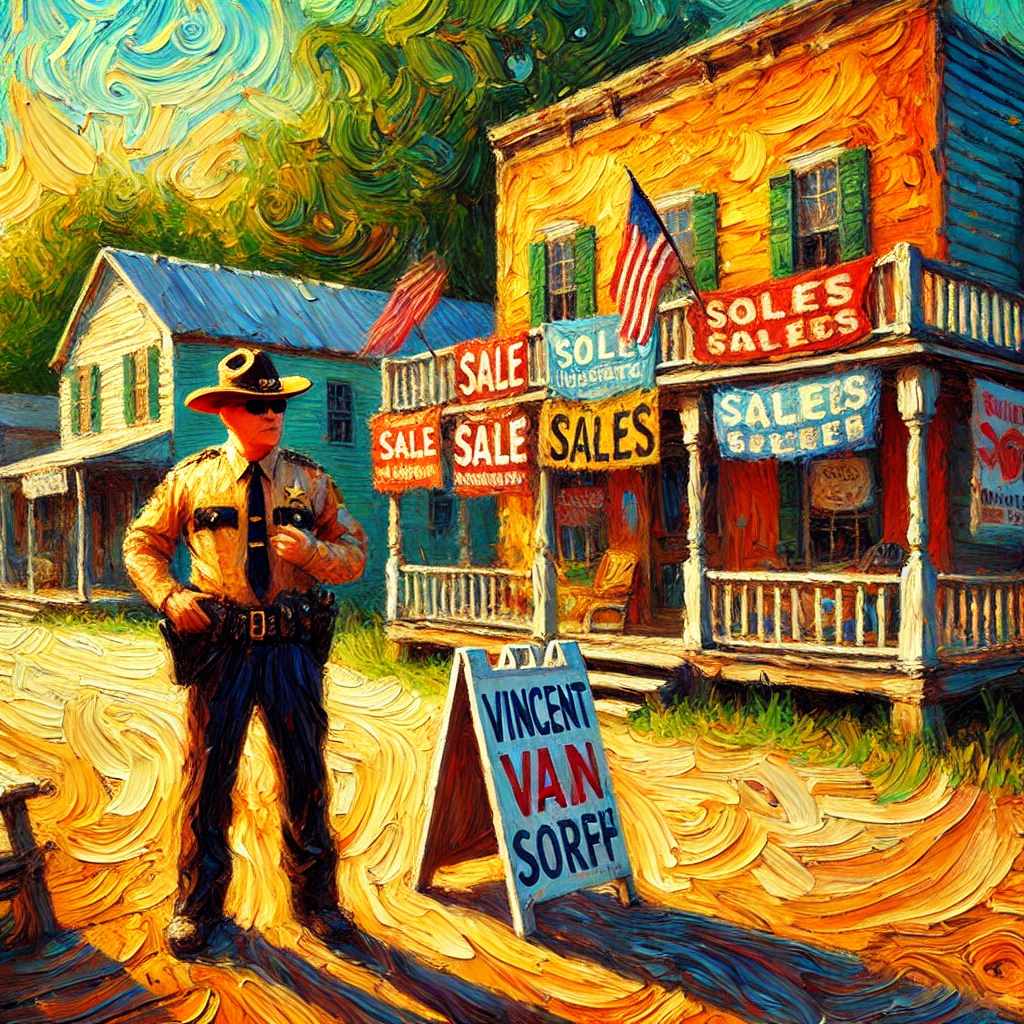
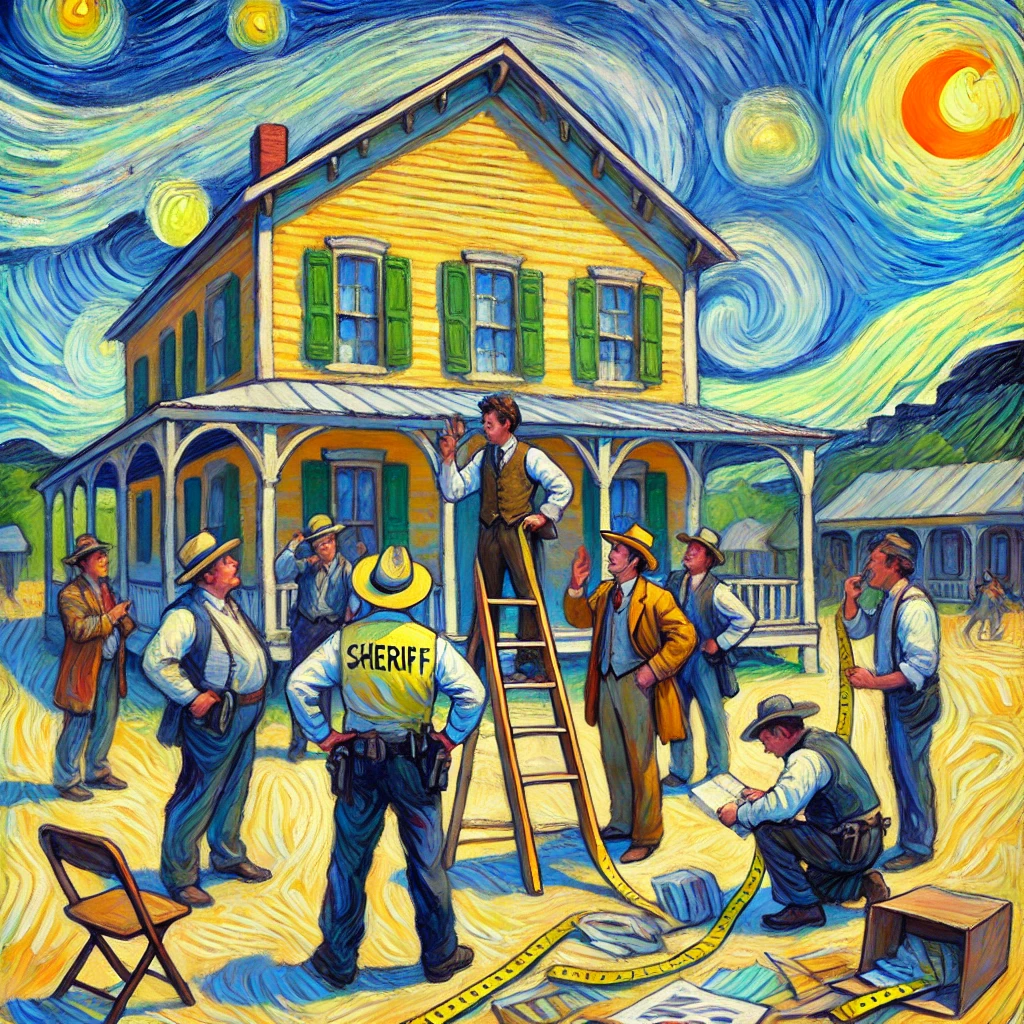
Which, as Sheriff Peeler had recently observed while holding a tape measure beside a lawn flamingo wearing a church fundraiser banner –
“Appears to include half the town.”
But enforcement had begun.
Slowly.
Uncomfortably.
A few warnings here.
A few banners removed there.
Act III – The Ordinance Meets the Supply Chain
A growing sense that something larger was happening.
Which is why Clovis stared at Lenny’s shelves like a historian who had just discovered the town’s entire political archive.
“Lenny,” he said.
“How many banners are in here?”
Lenny shrugged.
“Depends how you count.”
“How do you count?”
“By repeat customers.”
Clovis began flipping through a stack.
Each banner told a story.
VALLEY FESTIVAL – THIS SATURDAY
FUNDRAISER FOR THE LITTLE LEAGUE
NOW OPEN – MAMA JO’S BARBECUE
WE APOLOGIZE FOR THE PREVIOUS SIGN
Clovis looked up.
“Is this… the history of public announcements in this town?”
Lenny nodded.
“Pretty much.”
“And they’re all portable.”
“Correct.”
Clovis closed his notebook slowly.
“Well,” he said.
“This is going to complicate things.”
Act III – The Ordinance Meets the Supply Chain
Act IV – Boot Barnes Connects the Dots
News travels in Sequatchie Crossing the same way weather does.
Gradually.
Then all at once.
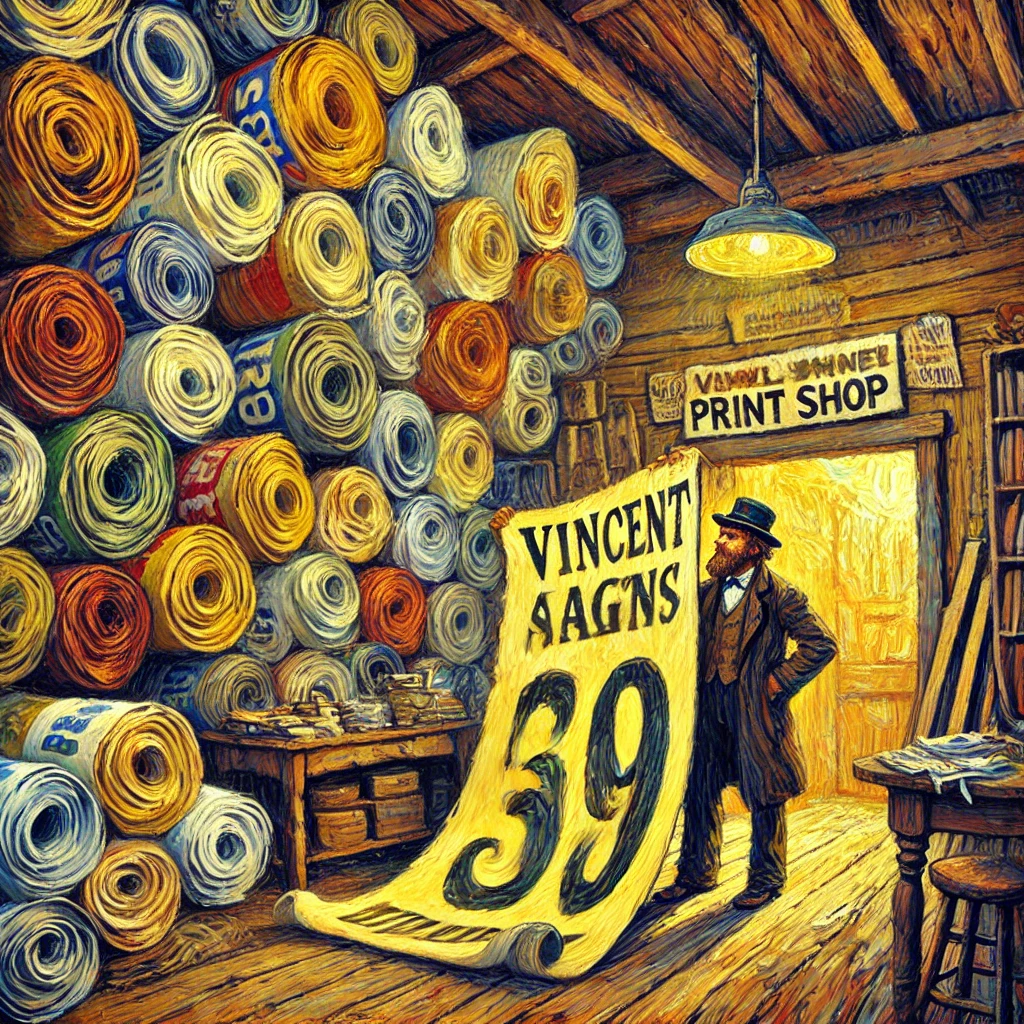
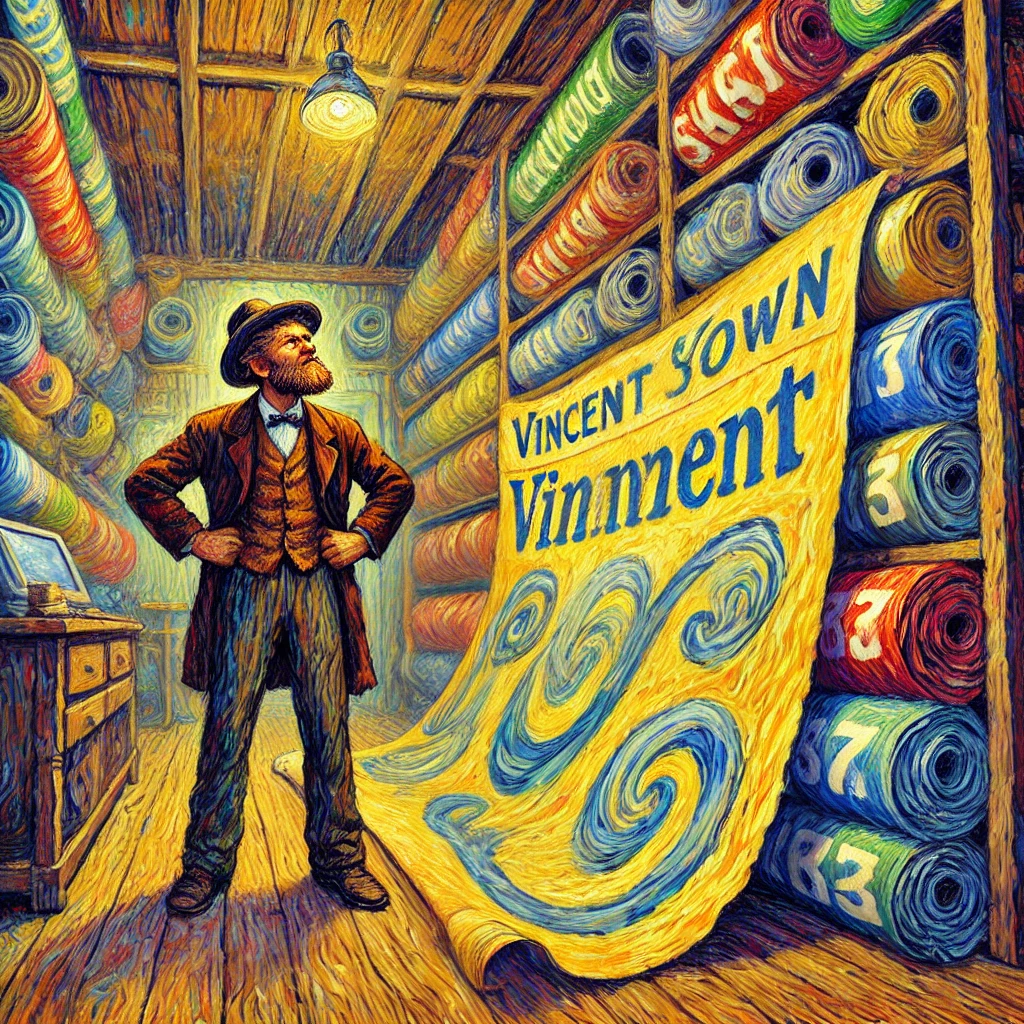
By Wednesday morning, Boot Barnes was standing in the print shop holding a banner that read:
HALF PRICE PORK SANDWICHES – TODAY ONLY
He squinted at it.
“Portable?”
“Portable,” Lenny confirmed.
Boot frowned.
“Illegal?”
Lenny shrugged.
“Depends who’s measuring.”
Boot slowly turned around and looked at the back room.
Act IV – Boot Barnes Connects the Dots
Rows of banners.
Stacks of them.
An entire town’s worth of advertising.
Boot let out a low whistle.
“Lenny.”
“Yeah?”
“You realize this inventory is evidence.”
“Evidence of what?”
Boot gestured broadly.
“Evidence that this ordinance applies to basically everyone.”
Act IV – Boot Barnes Connects the Dots
Act V – The Symbolism Problem
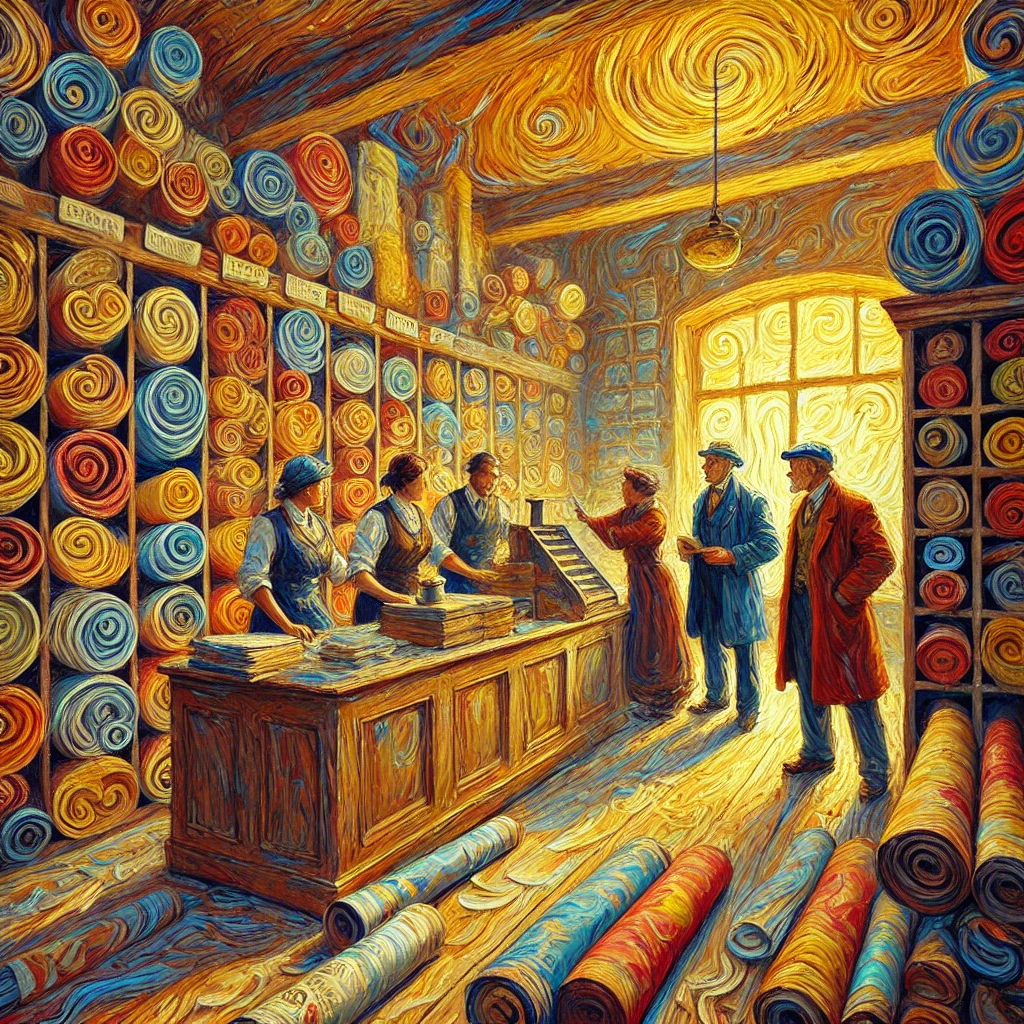
By Thursday, the print shop had become an unofficial meeting place.
People came in pretending they needed copies.
Or envelopes.
Or laminating.
But really they came to see the shelves.
Because something about the sight of hundreds of banners sitting quietly in Lenny Caldwell’s back room had changed the tone of the entire debate.
The banners were not rebellious.
They were not political.
Act V – The Symbolism Problem
They were simply…
Normal.
Evidence of years of everyday life.
Church bake sales.
School fundraisers.
Business openings.
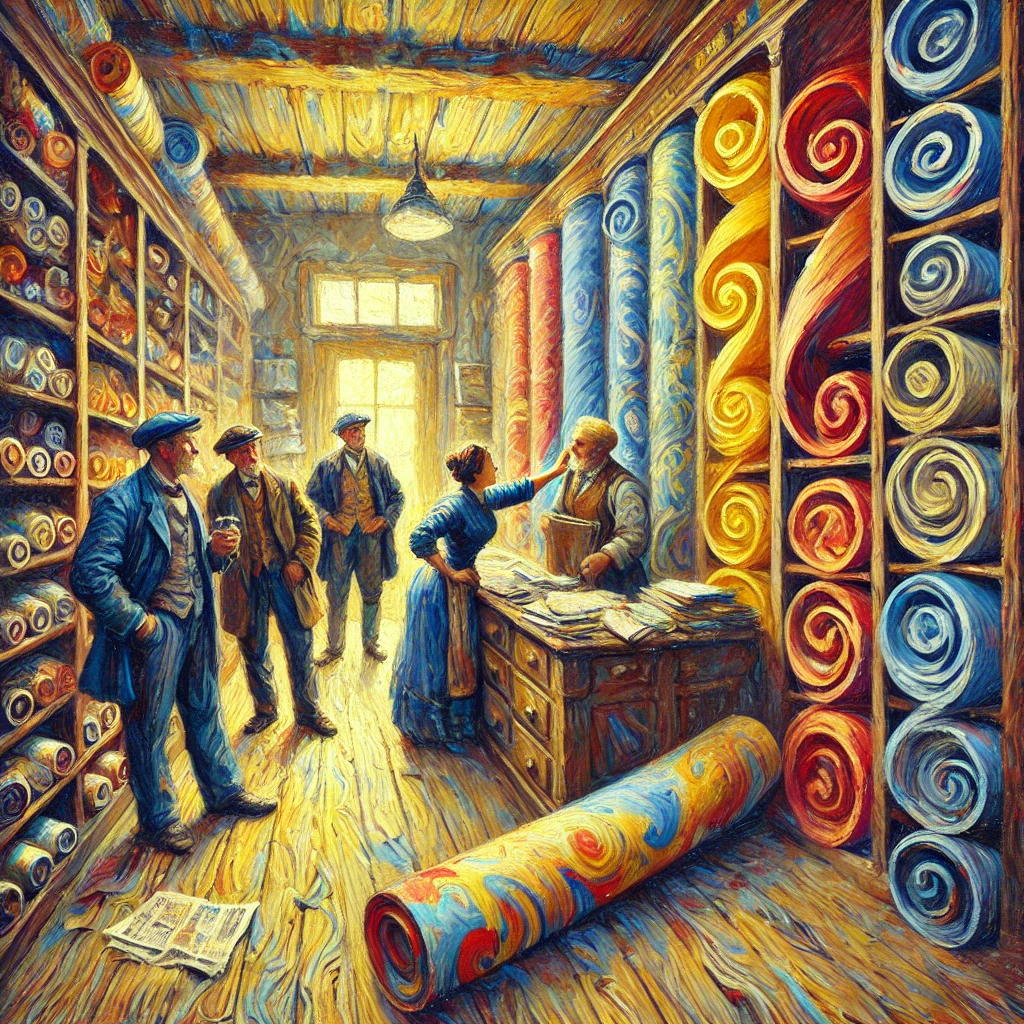
Sheriff Peeler wandered in late Thursday afternoon and stared at the shelves for a long time.
Finally he said softly:
“Lenny.”
“Yes, Sheriff?”
“How many warnings have I written this week?”
“Seven.”
Peeler nodded slowly.
Then he looked back at the shelves.
“Feels like we’re about ten thousand short.”
Act V – The Symbolism Problem
Act VI – Inventory Becomes a Narrative
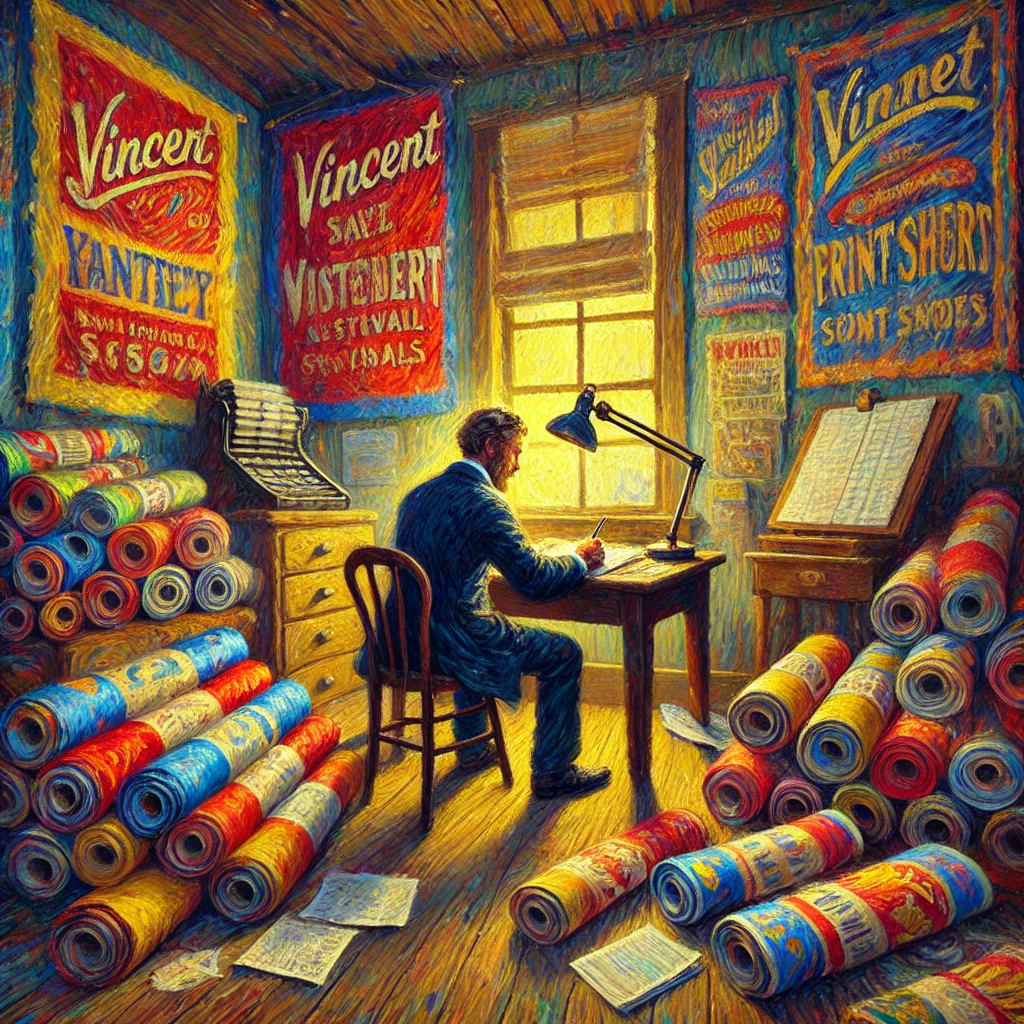
Clovis began cataloging the banners.
Not officially.
Just… academically.
He started with a spreadsheet.
Columns included:
-
Event type
-
Year printed
-
Customer
-
Whether the event still existed
-
Whether the banner had been reused
Within two days he discovered something fascinating.
Act VI – Inventory Becomes a Narrative
Many banners had been reprinted repeatedly.
Same message.
Same design.
Year after year.
Which meant something subtle but important:
The banners weren’t temporary advertising.
They were tradition.
The Corn Festival banner appeared every August.
The church revival banner appeared every spring.
The high school car wash banner appeared every summer.
These weren’t random signs.
They were seasonal signals.
Clovis wrote in his notebook:
“Portable signage appears to function as a cyclical communication system tied to local rituals.”
Which was a complicated way of saying:
“That banner means summer is starting.”
Act VI – Inventory Becomes a Narrative
Act VII – The Town Council Realizes Something
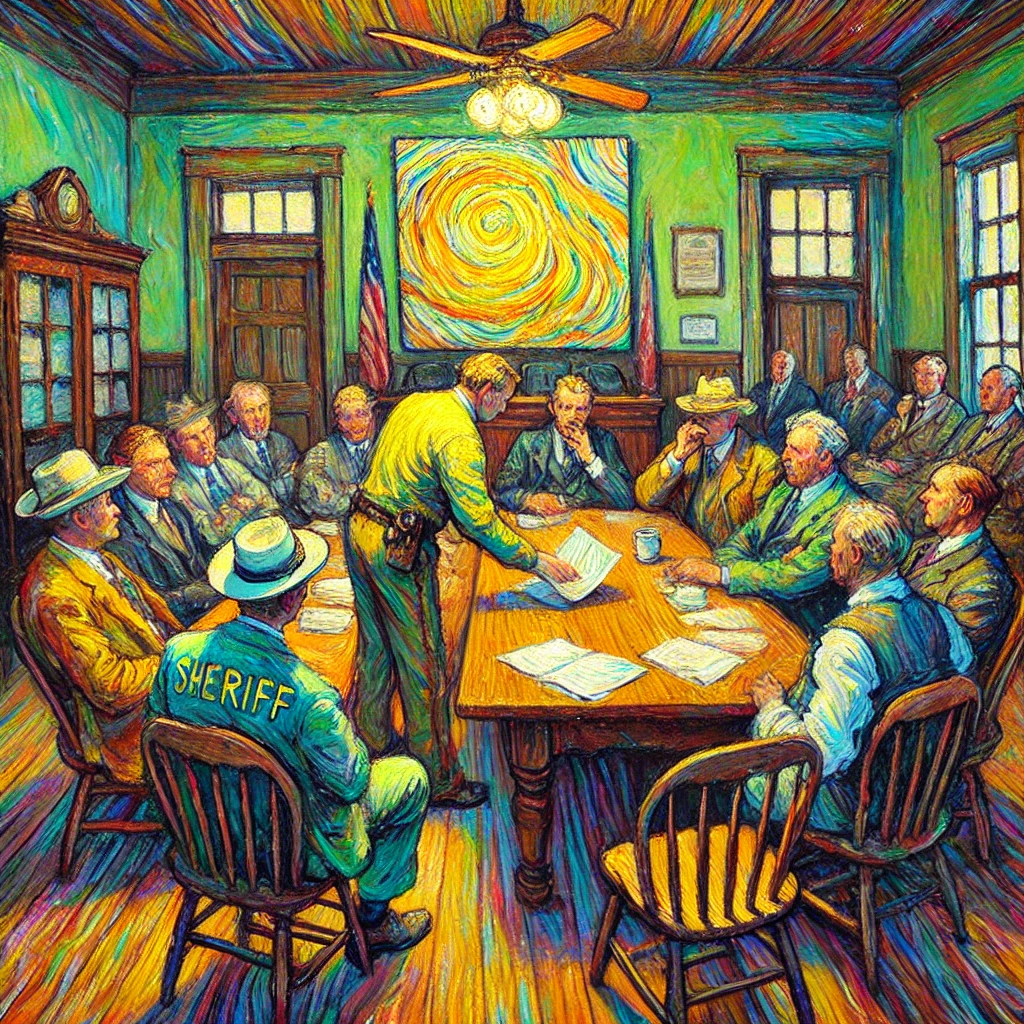
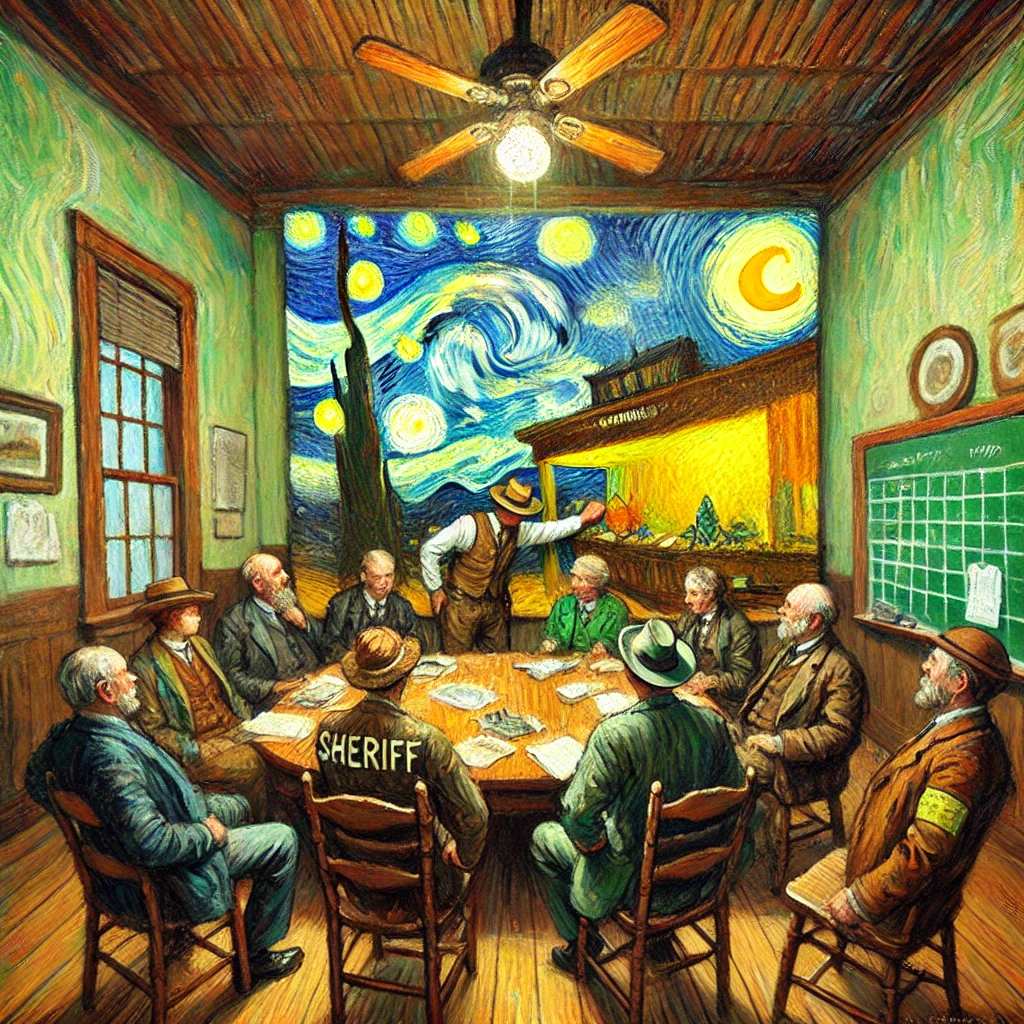
At the next town meeting, Mayor Pickett brought up the issue carefully.
“We have received… feedback… regarding enforcement.”
Council members nodded.
Sheriff Peeler cleared his throat.
“There’s also the matter of inventory.”
The council looked confused.
“What inventory?”
Act VII – The Town Council Realizes Something
Peeler slid a photograph across the table.
It showed the back room of Barnes & Ink.
Shelves.
Banners.
Stacks of them.
One council member leaned closer.
“Is that… all portable signage?”
“Yes.”
Another council member asked quietly:
“Is that just from this year?”
Peeler shook his head.
“Thirty years.”
Silence fell over the room.
Finally someone asked the question everyone was thinking.
“So… if we enforce this fully…”
Peeler nodded.
“Then most of that becomes illegal.”
Act VII – The Town Council Realizes Something
Act VIII – The Printer Testifies
Eventually, someone suggested the obvious.
“Maybe we should talk to the printer.”
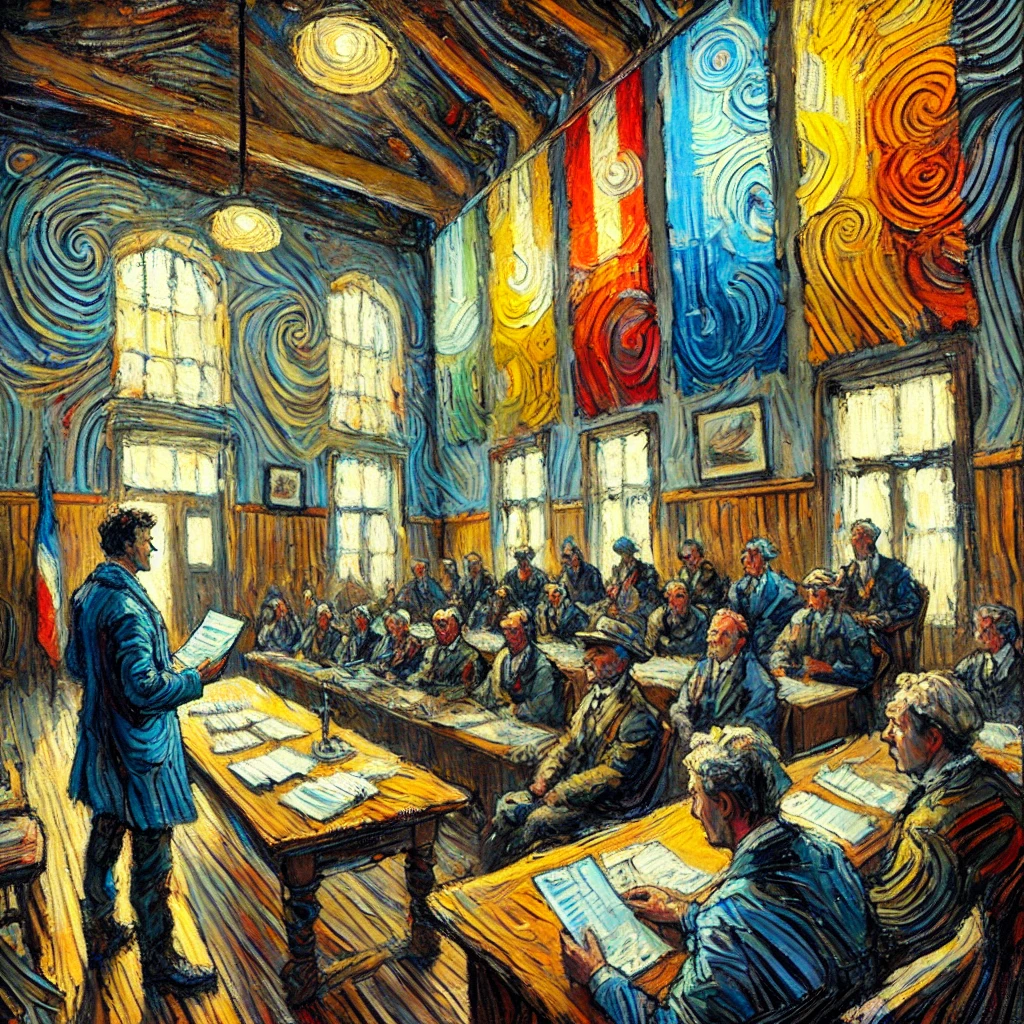
So Lenny Caldwell found himself standing in front of the town council with a stack of invoices.
He spoke calmly.
“Portable banners are the cheapest way for small businesses to advertise.”
He laid out receipts.
“Most of my customers are churches, school groups, and local businesses.”
Another receipt.
“Many reuse banners year after year.”
Another.
“They’re not disposable.”
He paused.
“They’re community memory.”
Mayor Pickett leaned back slowly.
“You’re saying these signs are… cultural artifacts.”
Lenny shrugged.
“I’m saying people expect to see them.”
Act VIII – The Printer Testifies
Act IX – The Shift
Something changed after that meeting.
Enforcement didn’t stop.
But it slowed.
Because suddenly everyone understood something they hadn’t before.
The ordinance wasn’t regulating signs.
It was regulating how a small town talks to itself.
Portable banners were how people announced things.
How they celebrated.
How they apologized.
How they invited neighbors to barbecue.
Taking them down didn’t just remove advertising.
It removed a layer of the town’s visible life.
Act IX – The Shift
Act X – The Print Shop Becomes a Museum
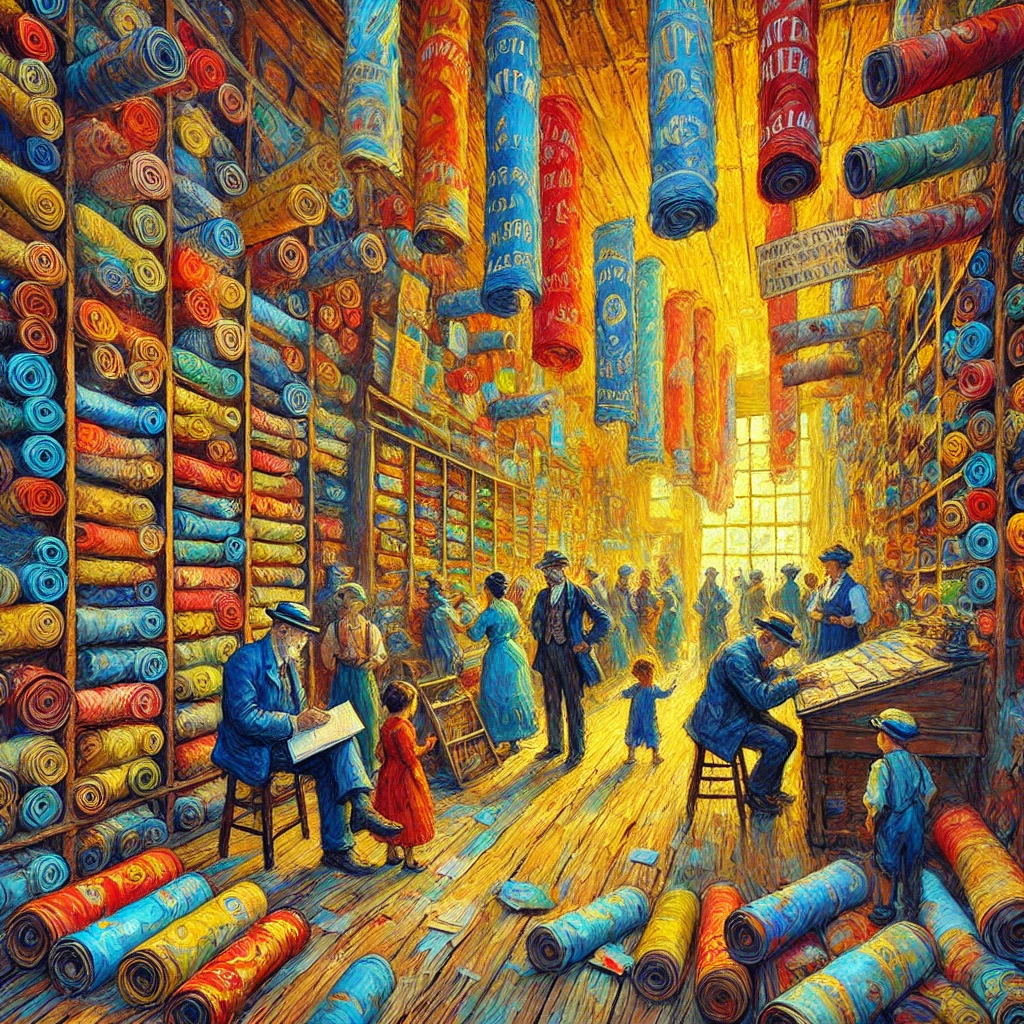
By the following week, people began visiting Barnes & Ink just to see the shelves.
Kids pointed at old festival banners.
Older residents recognized signs from decades earlier.
“Remember this one?”
“That was the year the chili cook-off caught fire.”
“Look – this was the banner for the fundraiser after the flood.”
Clovis stood quietly taking notes.
Because what had started as inventory was becoming something else.
A record.
A physical archive of the town’s public announcements.
Lenny watched people browsing his shelves and shook his head.
“I thought I was running a print shop.”
Boot Barnes chuckled.
“Turns out you were running the town’s memory.”
Act X – The Print Shop Becomes a Museum
Epilogue – The Banner That Stayed Rolled
Late one evening, after everyone had gone home, Lenny stood alone in the back room.
He picked up a blank banner.
Fresh vinyl.
Unprinted.
Waiting.
He thought about the ordinance.
The debates.
The tape measures.
The arguments about what counted as portable.
Then he carefully rolled the banner back up and placed it on the shelf.
Because Lenny Caldwell understood something the rest of the town was only beginning to realize.
The question wasn’t whether portable banners would disappear.
The question was whether the town was ready to stop announcing itself.
And if Sequatchie Crossing had proven anything over the years –
It was that silence had never been its preferred method of communication.
Epilogue – The Banner That Stayed Rolled
Disclaimer
The events described in this installment of Sequatchie Crossing Dispatch are fictional and intended for humor and storytelling. Any resemblance to real ordinances, printers, inventory systems, or banner-related controversies is purely coincidental, though residents of small towns everywhere may recognize the universal truth that sometimes the most ordinary objects – like a stack of folded vinyl signs – turn out to hold the entire history of a community.
Disclaimer – The Printer Who Saw It Coming
Real Places Behind the Ruckus – From The Dunlap Directory

Real Places Behind the Ruckus – From The Dunlap Directory
Yes, this story was fictional; even the parts that weren’t true. These places? Absolutely real. Stop by, support local, and keep the Wi-Fi away from livestock:
- Wilson’s Lawn Care
- Running Wild Inflatables
- Whitwell Dunlap Buy Sell Trade
- Sonic Drive-In
- Farm Bureau Insurance
- Walmart Supercenter
- Painted Pony Guesthouse
- Stocker Tire & Services Center
- El Metate
- Brandon’s Tree Service
- Coops Creek Cabins
- Circle K
- S & J RV Park
- Creation Station
- Stone Creek Farm

Real Places Behind the Ruckus – From The Dunlap Directory
At Sequatchie Crossing, we tell the stories of Sequatchie Crossing.
Please share this post with your friends, family, or business associates who may want help telling the stories of their legacy.

0 Comments