


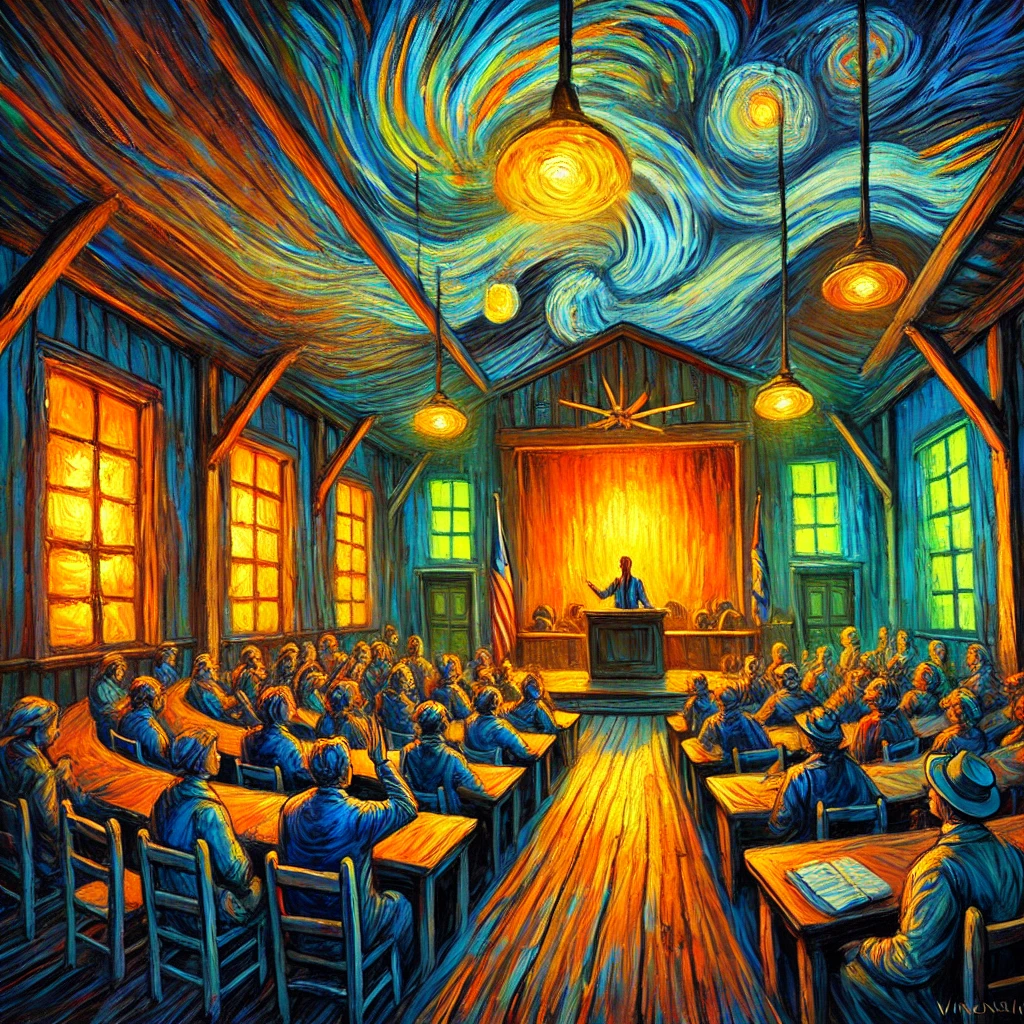
Green Means Go, Red Means Debate About the Light
By Tom Seest
At Sequatchie Crossing, we tell the stories of Sequatchie Crossing.
Please share this post with your friends, family, or business associates who may want follow the news from Sequatchie Crossing.
🎤 Audio Overview
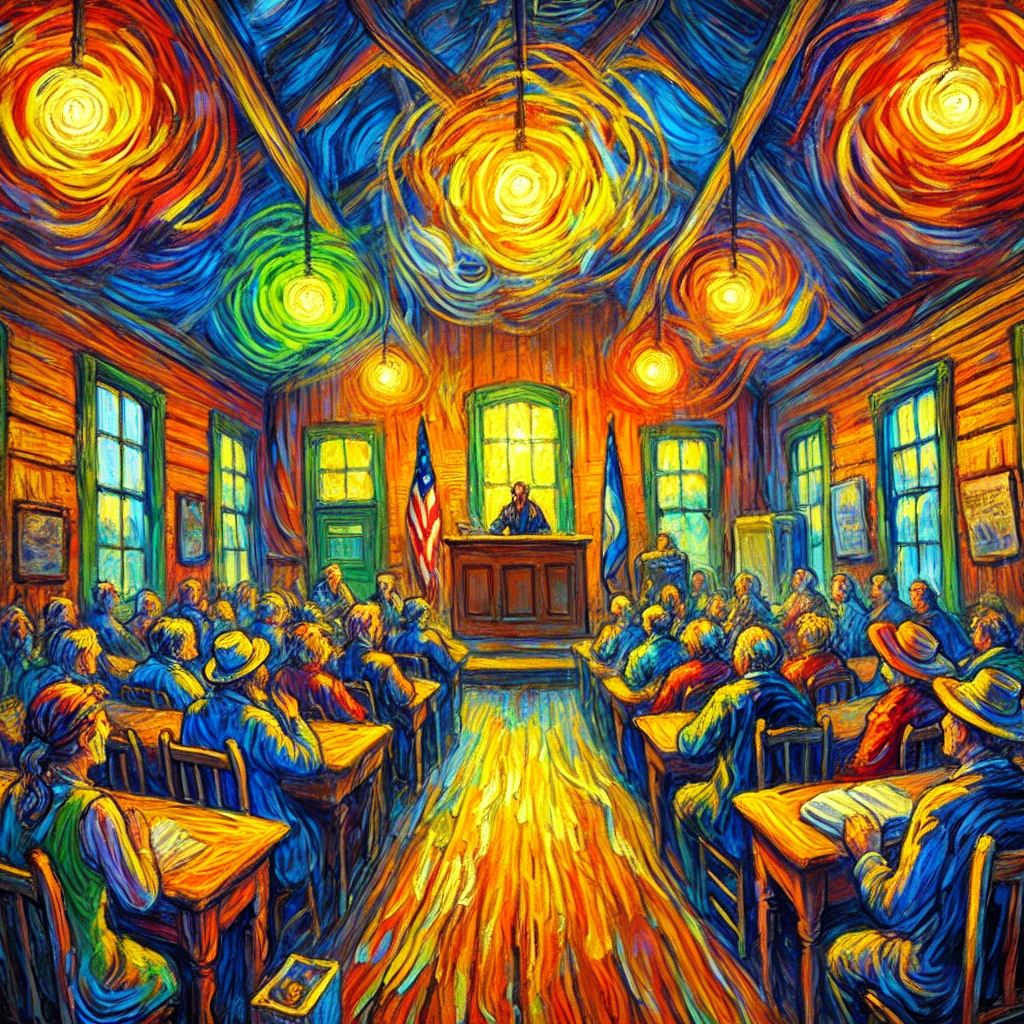
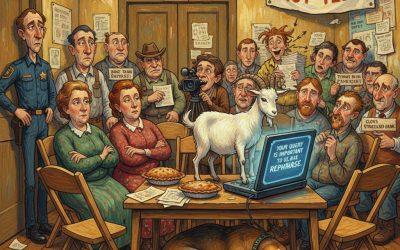
Town Hall Installs ‘Speaking Light’ That Immediately Becomes Symbolic
The idea arrived in Sequatchie Crossing the way most ideas do: late, slightly misunderstood, and already resented by at least three people before it was finished being explained.
The Clerk – whose job description had long since expanded to include “interpreter of common sense” and “emotional shock absorber” – introduced it during a Tuesday night meeting that had already run twelve minutes over schedule due to a dispute about whether the pledge of allegiance should be recited standing, sitting, or “in spirit.”
The idea was simple.
A light.
Mounted above the lectern.
Green meant you could speak.
Yellow meant wrap it up.
Red meant your time had expired.
No shouting. No gavel pounding. No interruptions. Just light.
The Clerk described it carefully, calmly, with laminated handouts and a printed agenda that no one was reading.
“This is not surveillance,” she said, preemptively.
“This is not censorship,” she continued, optimistically.
“This is not symbolic,” she added, fatally.
The light had been installed by the time the sentence finished echoing.
And from that moment on, it was nothing but symbolic.
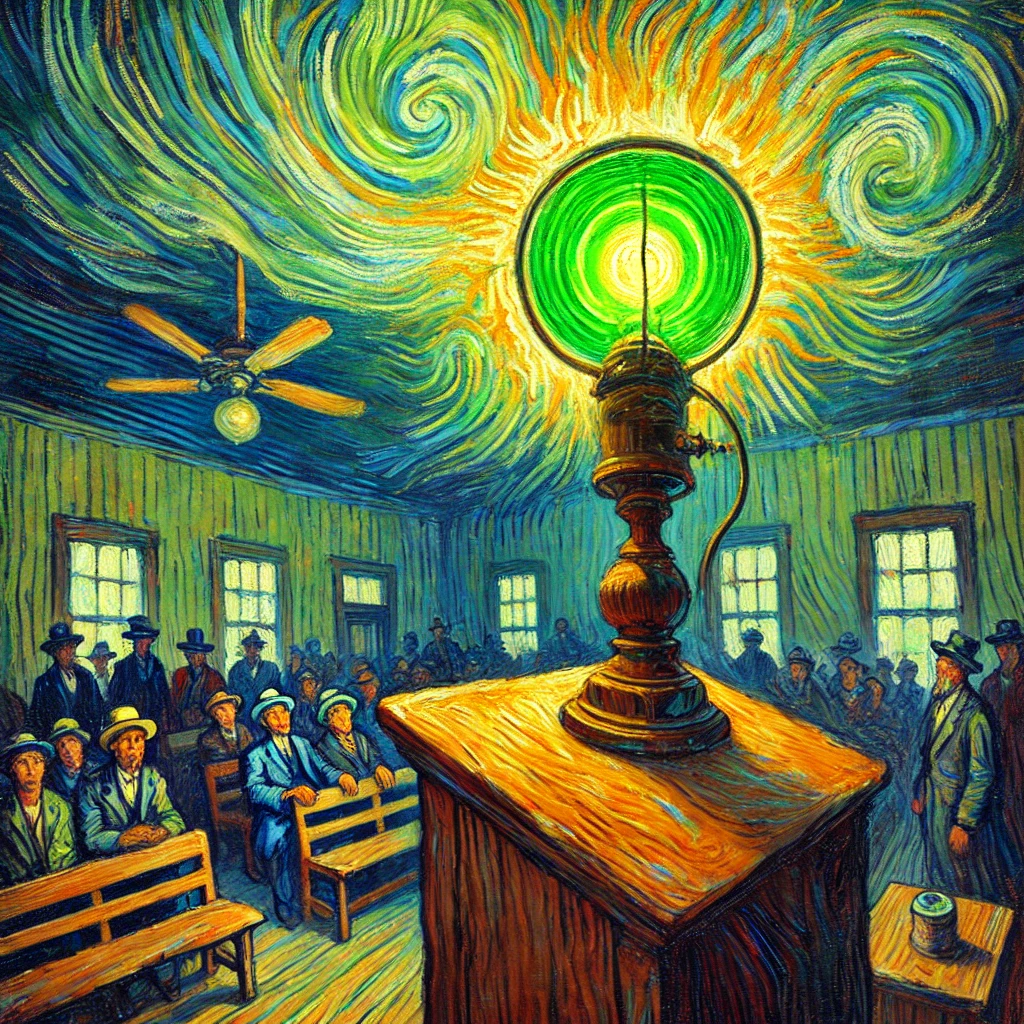
Act I – The First Illumination
Act I: The First Illumination
The light itself was unremarkable.
Three colors.
Plastic casing.
Imported.
Slightly crooked.
It hummed faintly, which some would later claim was intentional.
Clovis Strickland noticed the hum immediately and wrote “possible sub-audible psychological influence?” in the margin of his notebook, underlining it twice and drawing an arrow to nowhere.
Boot Barnes noticed the hum but assumed it was the sound of democracy working.
Sheriff Peeler noticed neither, because he was trying to remember whether he’d parked legally or merely optimistically.
The Mayor – new enough to still believe in process – pressed the button.
The light turned green.
Nothing happened.
No one spoke.
The room stared at the light as though it might begin speaking first.
Finally, a man in the third row stood up – not because it was his turn, but because he felt summoned.
“I don’t appreciate being rushed,” he said.
The light remained green.
“I haven’t even started,” he added.
The light stayed green.
“And already it feels like I’m being timed.”
The Clerk made a note: “Speaker emotionally pre-expired.”
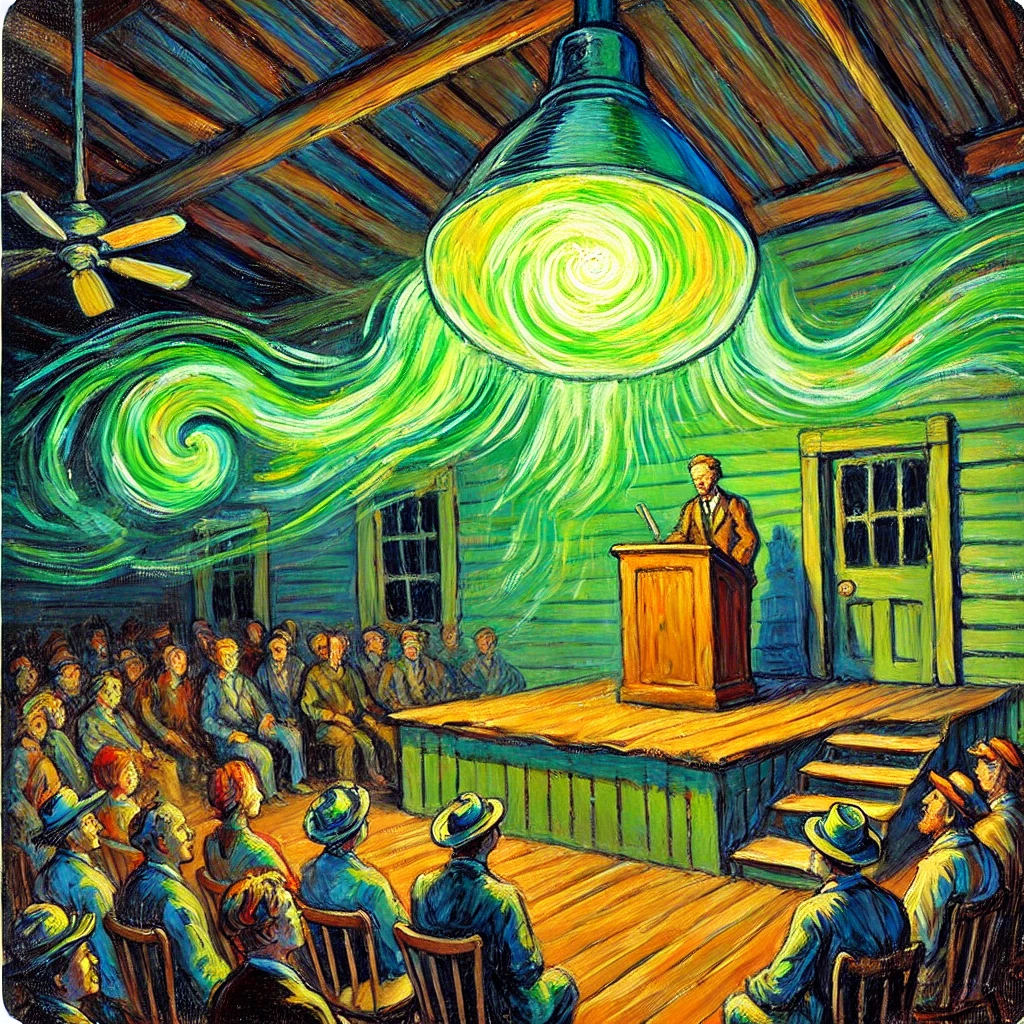
Act I – The First Illumination
Act II: Boot Barnes Tests the System
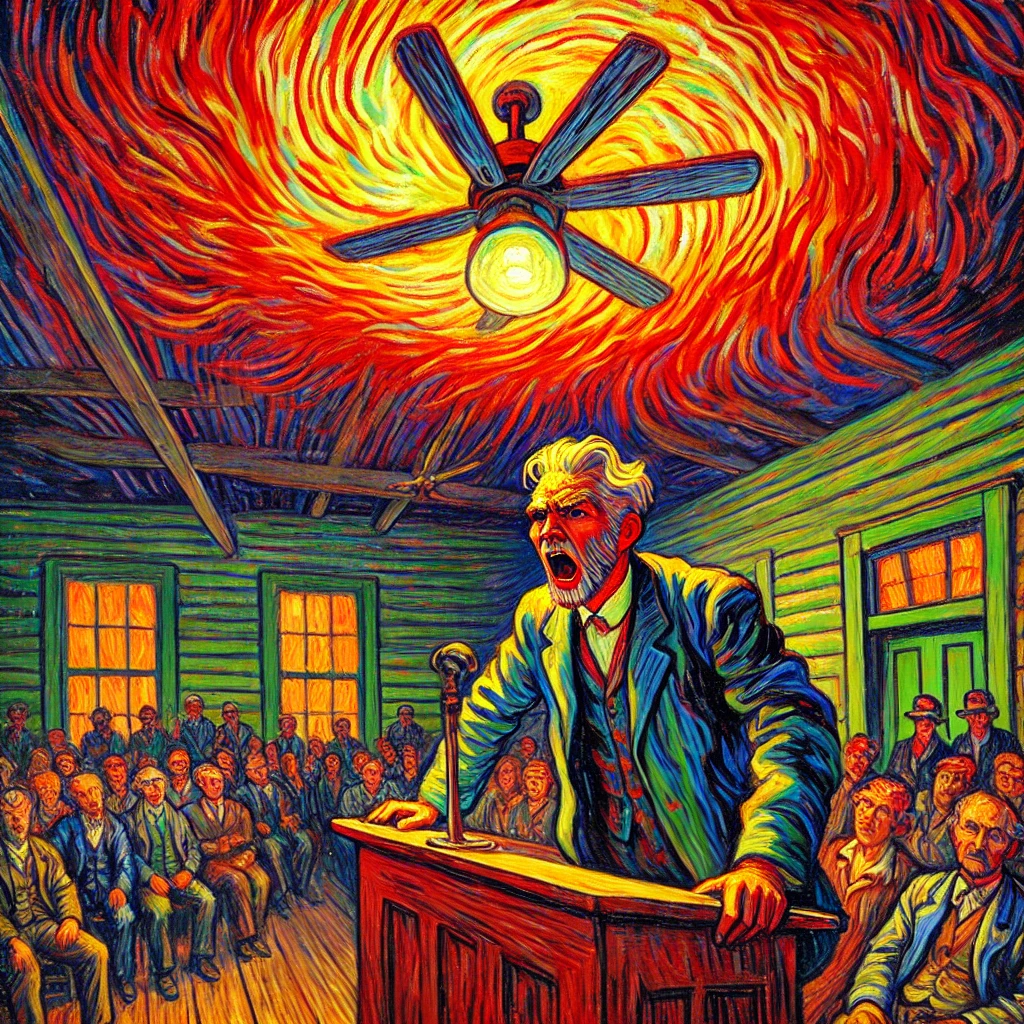
Boot Barnes approached the lectern with confidence earned through decades of uninterrupted opinions.
He placed both hands on the sides, leaned in slightly, and nodded at the light.
“Now this,” he said, gesturing upward, “is already a problem.”
The light stayed green.
“This town didn’t need a light to tell us when to speak. We’ve been speaking just fine for years.”
The light blinked yellow.
Boot froze.
“What does that mean?” he demanded.
The Clerk spoke without looking up. “It means you have thirty seconds.”
“I don’t speak in seconds,” Boot said. “I speak in points.”
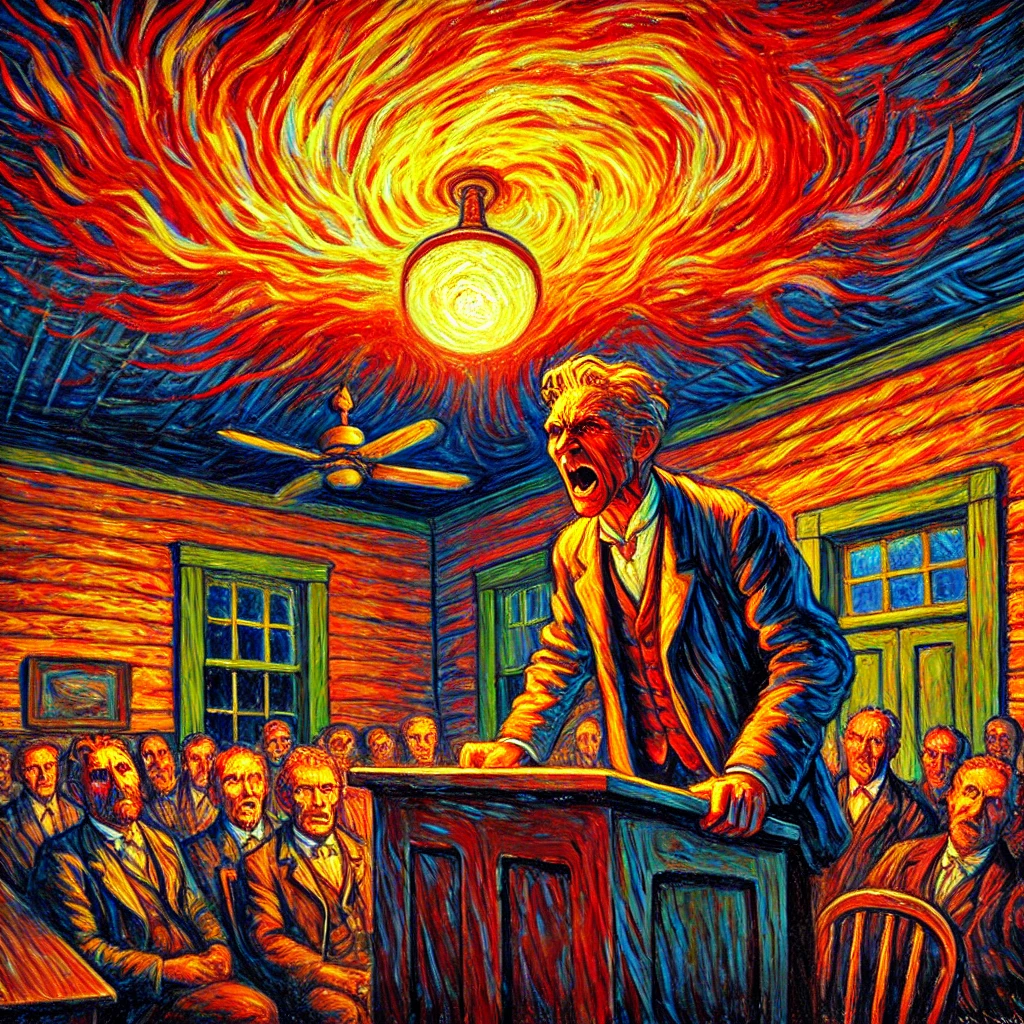
The light blinked red.
Act II – Boot Barnes Tests the System
Boot kept speaking.
The light stayed red.
Boot spoke louder.
The light did nothing.
Boot pointed at it. “See? It’s broken.”
The Mayor leaned toward the microphone. “Mr. Barnes, your time – ”
“I’m not done,” Boot said. “And I don’t recognize that color.”
Someone in the back whispered, “That’s the color of accountability.”
They were immediately shushed for whispering during a red light.
Act II – Boot Barnes Tests the System
Act III: Procedural Panic
Once the light turned red for the first time, the meeting changed temperature.
People leaned forward.
Crossed arms tightened.
Someone unplugged their phone charger out of spite.
A woman asked whether the light applied equally to applause.
A man asked whether silence during green counted as speaking.
Someone else asked whether blinking constituted an extension.
The Clerk flipped to Page 4 of the guidelines.
“There will be no appeals to the light,” she read aloud.
The room appealed anyway.
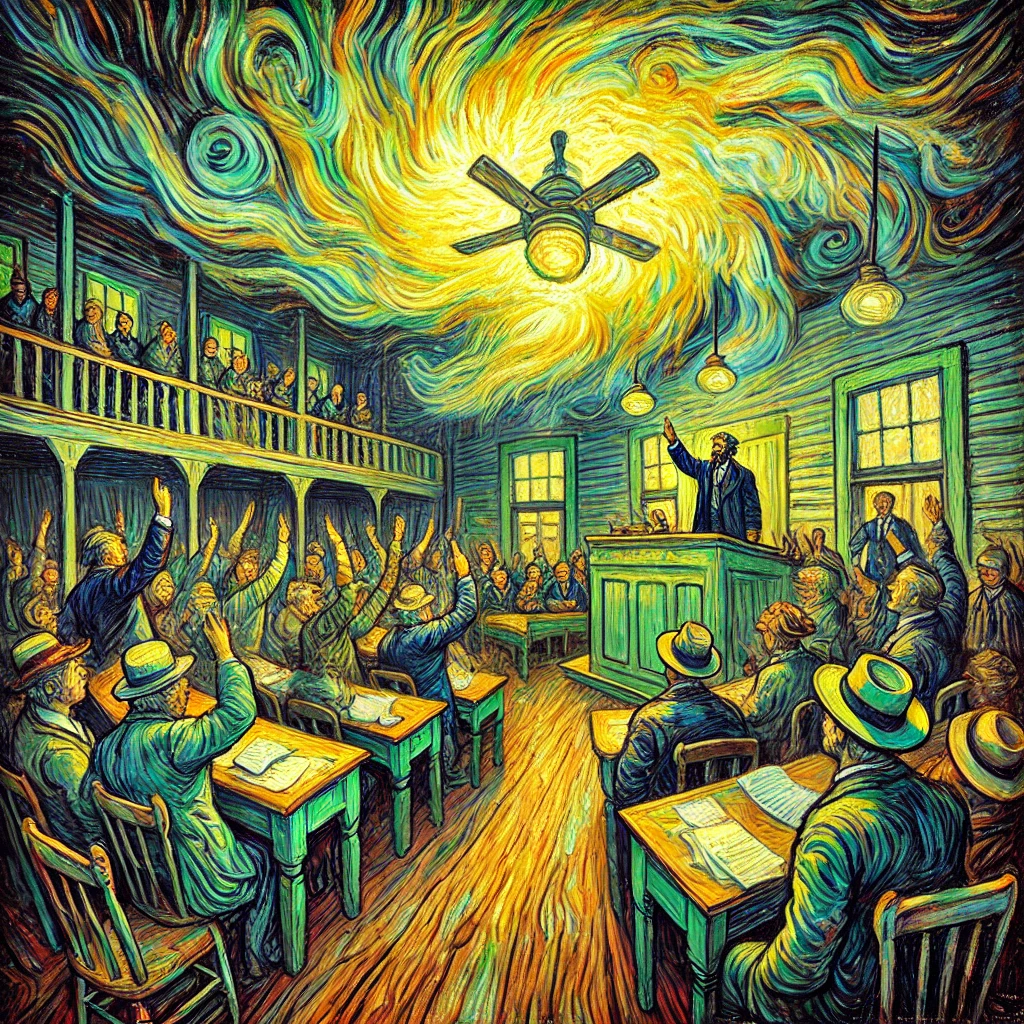
Clovis raised his hand. “For the record, I believe the light is neutral but the interpretation is not.”
The light turned green, unprompted.
Act III – Procedural Panic
Clovis paused.
The Clerk frowned. “I didn’t press anything.”
The light stayed green.
Clovis began speaking slowly, carefully, as though negotiating with a large animal.
“If the light activates without human input,” he said, “we may need to discuss authorship.”
The light blinked yellow.
Clovis nodded. “Point made.”
The light turned red.
Clovis sat down immediately.
Everyone stared at him.
“What?” he said. “It was efficient.”
Act III – Procedural Panic
Act IV: The Symbolism Accusation
It did not take long for the word symbolic to enter the record.
It arrived first as an accusation.
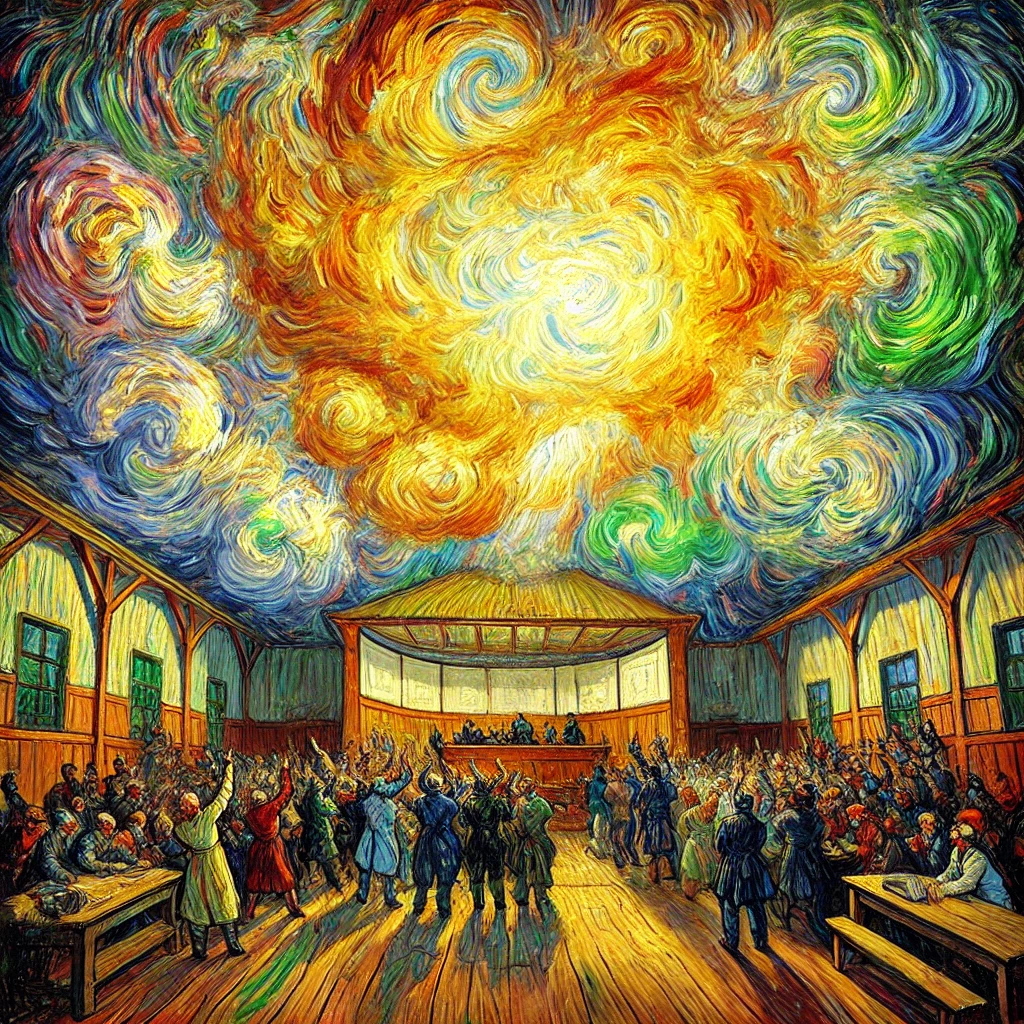
“That light represents who gets heard,” someone said.
“No it doesn’t,” someone else replied. “It represents time.”
“Well whose time?” came the response.
The light remained green throughout the argument, which only made things worse.
A retired teacher stood and asked whether the light had been calibrated for emotion.
A business owner asked whether paying taxes entitled you to longer green.
Someone suggested installing a second light to monitor the first light.
That suggestion was seconded.
The Clerk pinched the bridge of her nose.
Boot Barnes stood again, without waiting.
Act IV – The Symbolism Accusation
“The problem,” he said, “is that this light assumes fairness can be measured.”
The light blinked yellow.
Boot ignored it.
“And I’ve never seen fairness work on a timer.”
The light turned red.
Boot raised his voice. “And I’m not about to start now.”
The Sheriff shifted in his chair.
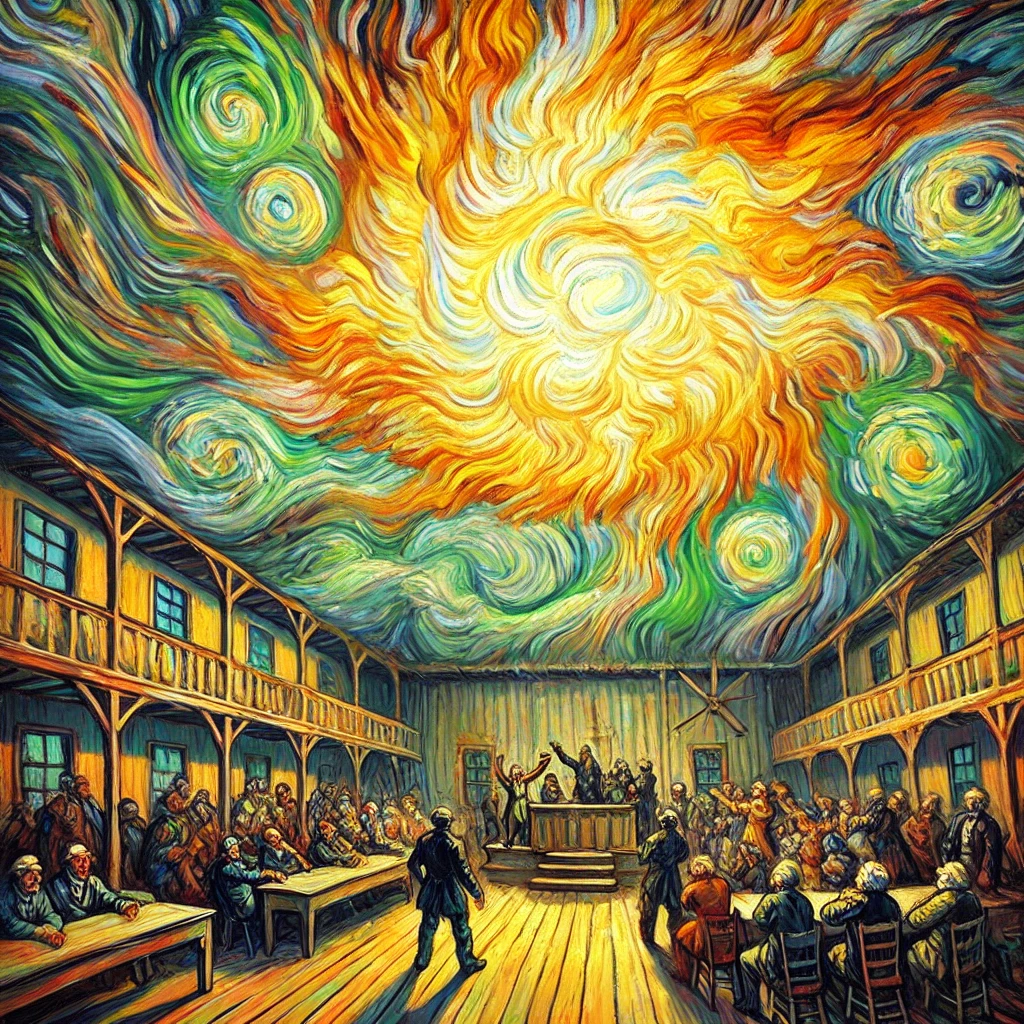
The Mayor whispered, “Is there a way to override it?”
The Clerk replied, “There’s a master switch.”
“Where?”
“In theory?”
Act IV – The Symbolism Accusation
Act V: Daisy the Dog Understands the Assignment
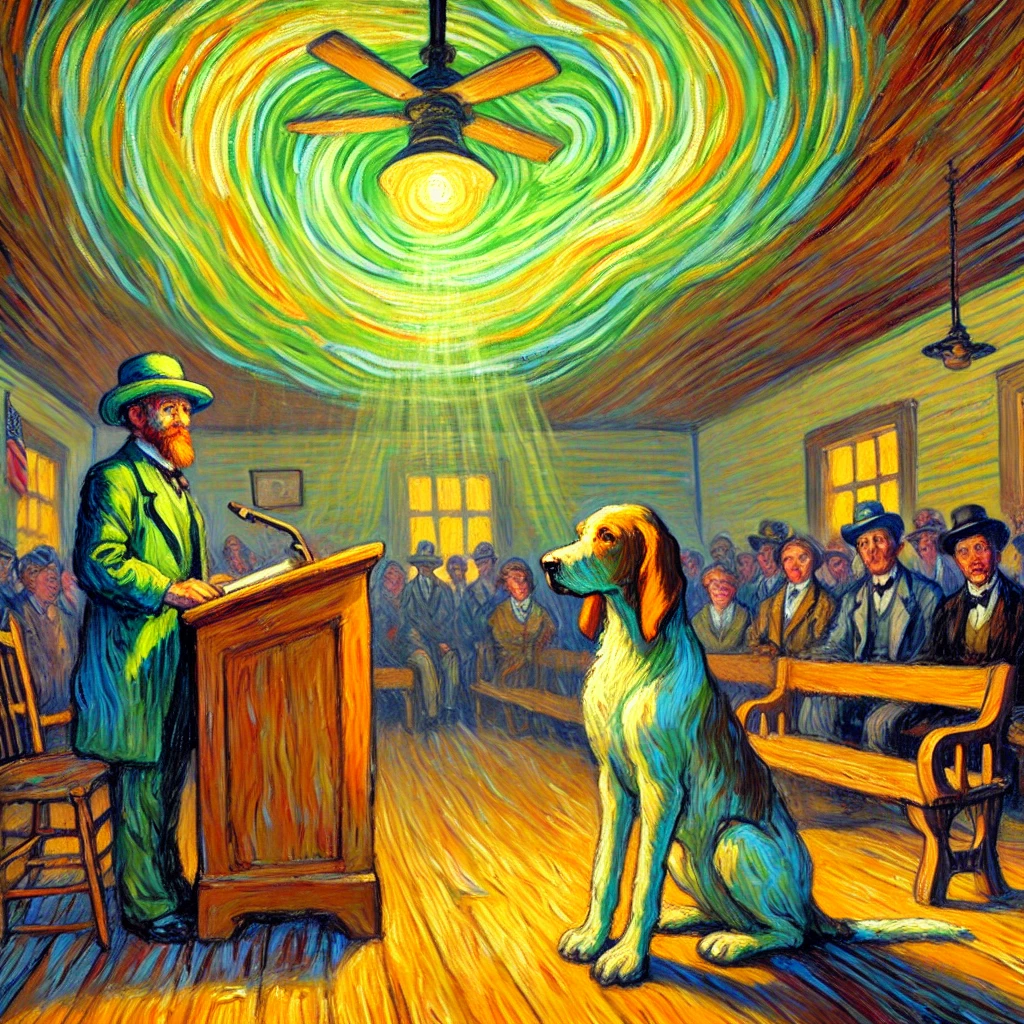
At some point during the fourth discussion about whether yellow meant hurry or warn, Daisy the hound wandered to the front of the room.
No one knew who brought her. No one ever did.
She sat near the lectern.
The light turned green.
Daisy wagged her tail.
Someone laughed.
Daisy barked once.
The light blinked yellow.
The room fell silent.
Daisy barked again.
Act V – Daisy the Dog Understands the Assignment
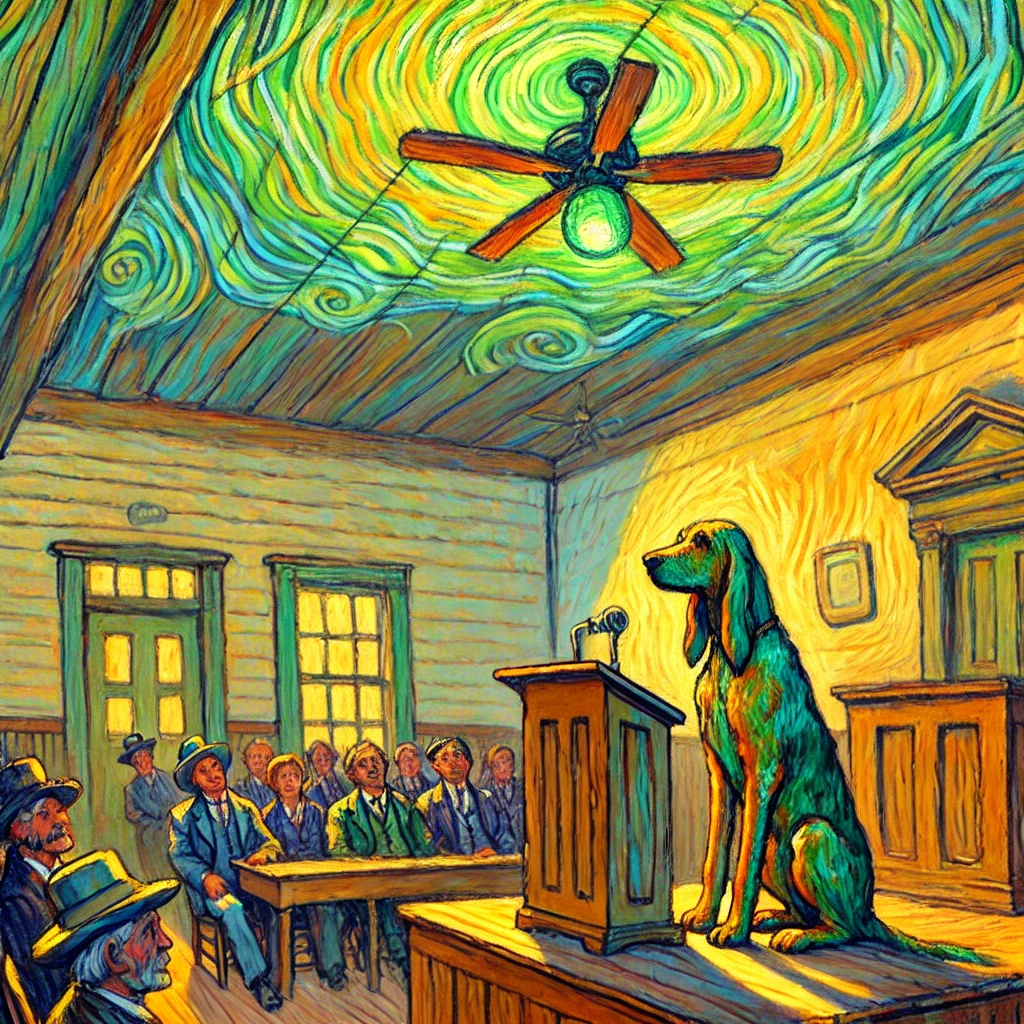
The light turned red.
Daisy lay down.
There was a pause.
Then applause – brief, conflicted, and immediately argued about.
“She followed the rules,” someone said.
“She didn’t challenge the system,” another added.
“That dog gets it,” Clovis murmured, writing “canine compliance model?” in his notebook.
The Mayor cleared his throat. “Moving on.”
No one did.
Act V – Daisy the Dog Understands the Assignment
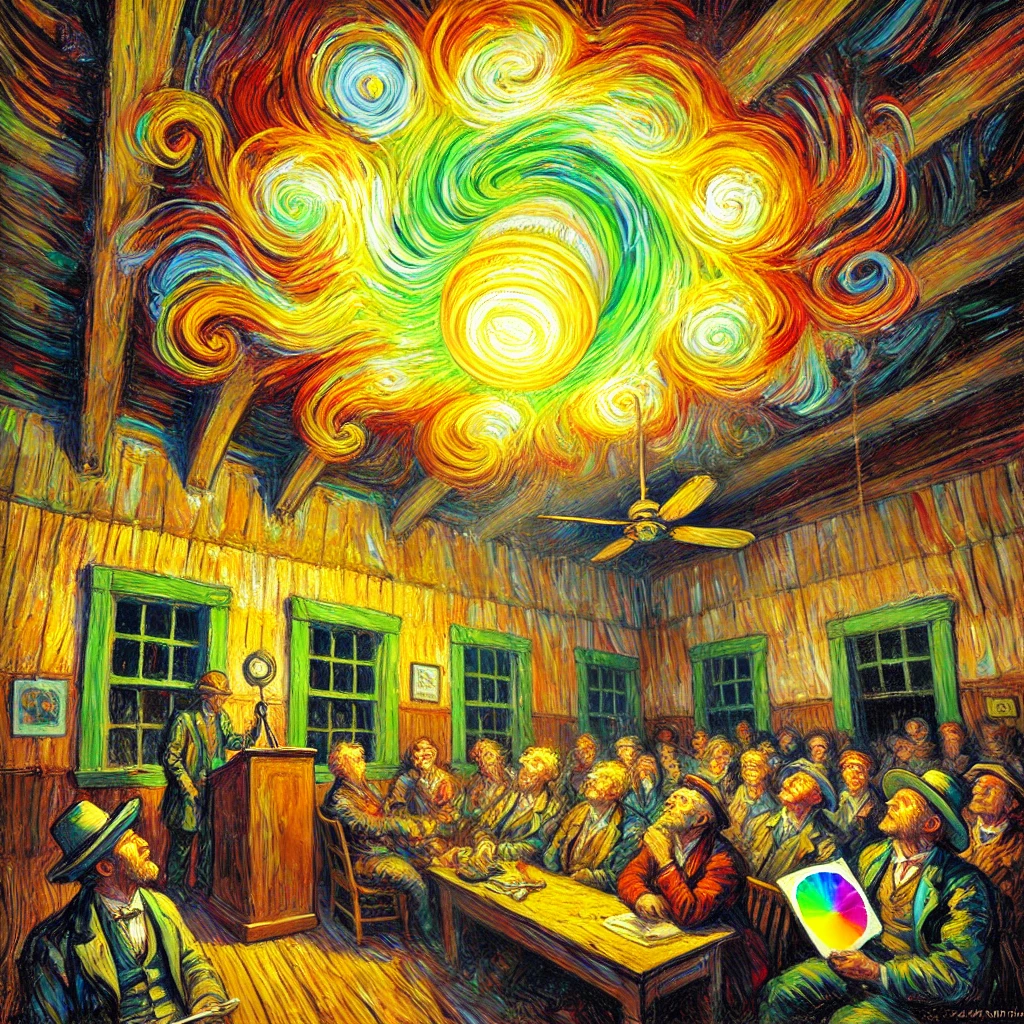
Act VI: The Light Gains Intent
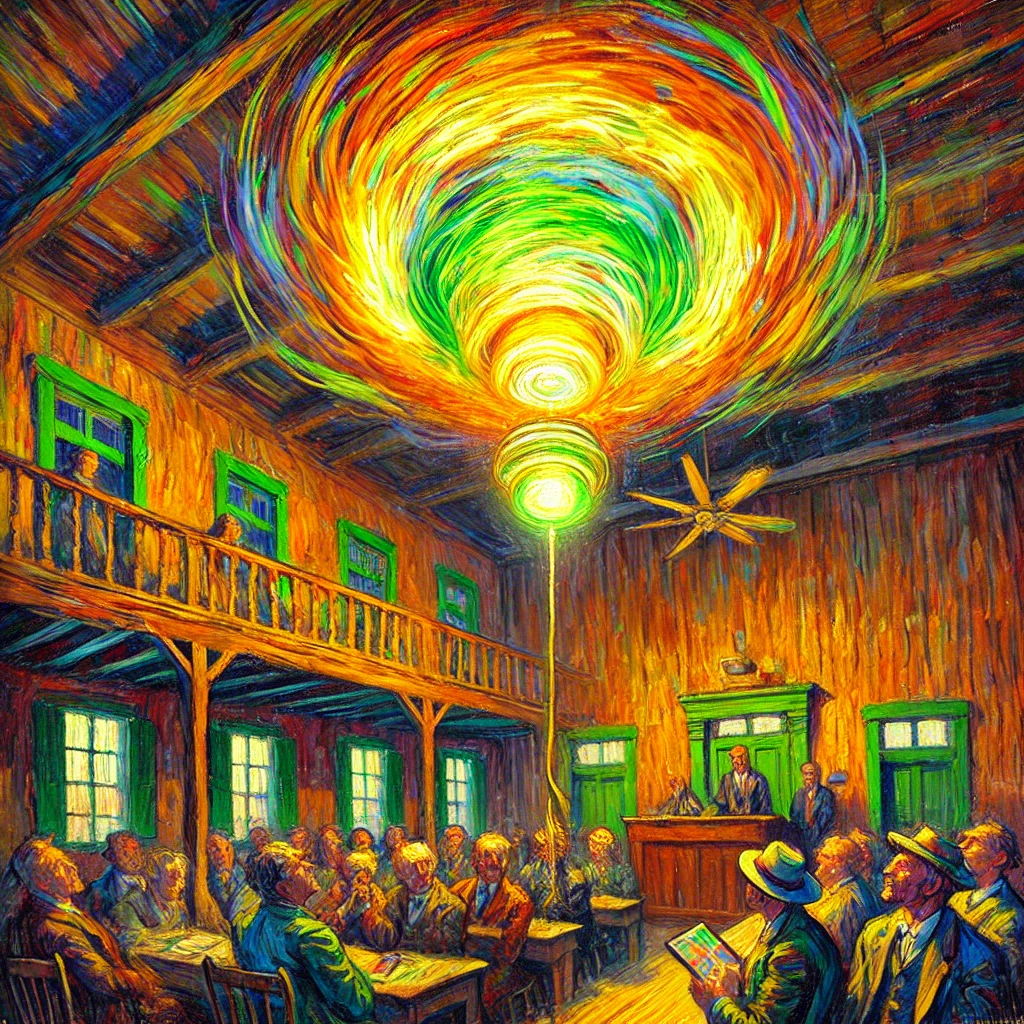
By the third meeting, the light was no longer described as equipment.
It was described as behavior.
“It turns yellow faster for some people.”
“It hesitates before green.”
“It punishes passion.”
“It rewards rambling.”
The Clerk insisted the timing was fixed.
The crowd insisted the experience was not.
Someone brought a stopwatch.
Someone else brought a color chart.
A man claimed the red looked aggressive.
A woman claimed green felt condescending.
Act VI – The Light Gains Intent
The light flickered during a particularly emotional sentence, which was immediately recorded in Clovis’s notes as “possible empathy malfunction.”
Boot Barnes refused to approach the lectern unless the light was turned off.
The light turned green anyway.
Boot glared at it.
“I will not be rushed by an appliance,” he said.
The light blinked yellow.
The Mayor whispered, “It’s just doing what it’s programmed to do.”
Boot replied, “That’s what everyone says right before things get complicated.”
Act VI – The Light Gains Intent
Act VII: Committee Formation (Inevitable)
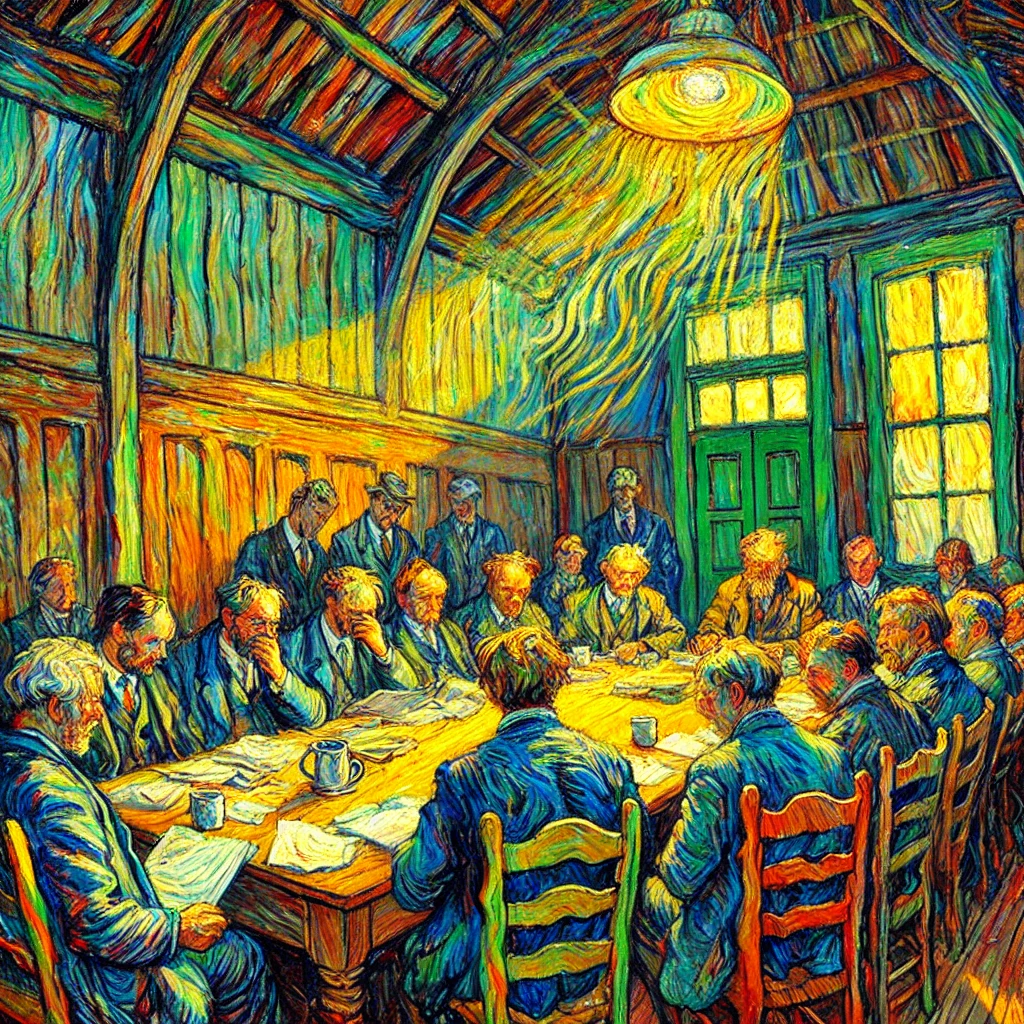
A committee was formed.
Of course it was.
The Speaking Light Review Committee consisted of:
-
One person who believed the light was too strict
-
One person who believed it wasn’t strict enough
-
One person who believed it was symbolic
-
One person who believed symbolism was the problem
-
Clovis Strickland, who believed documentation was destiny
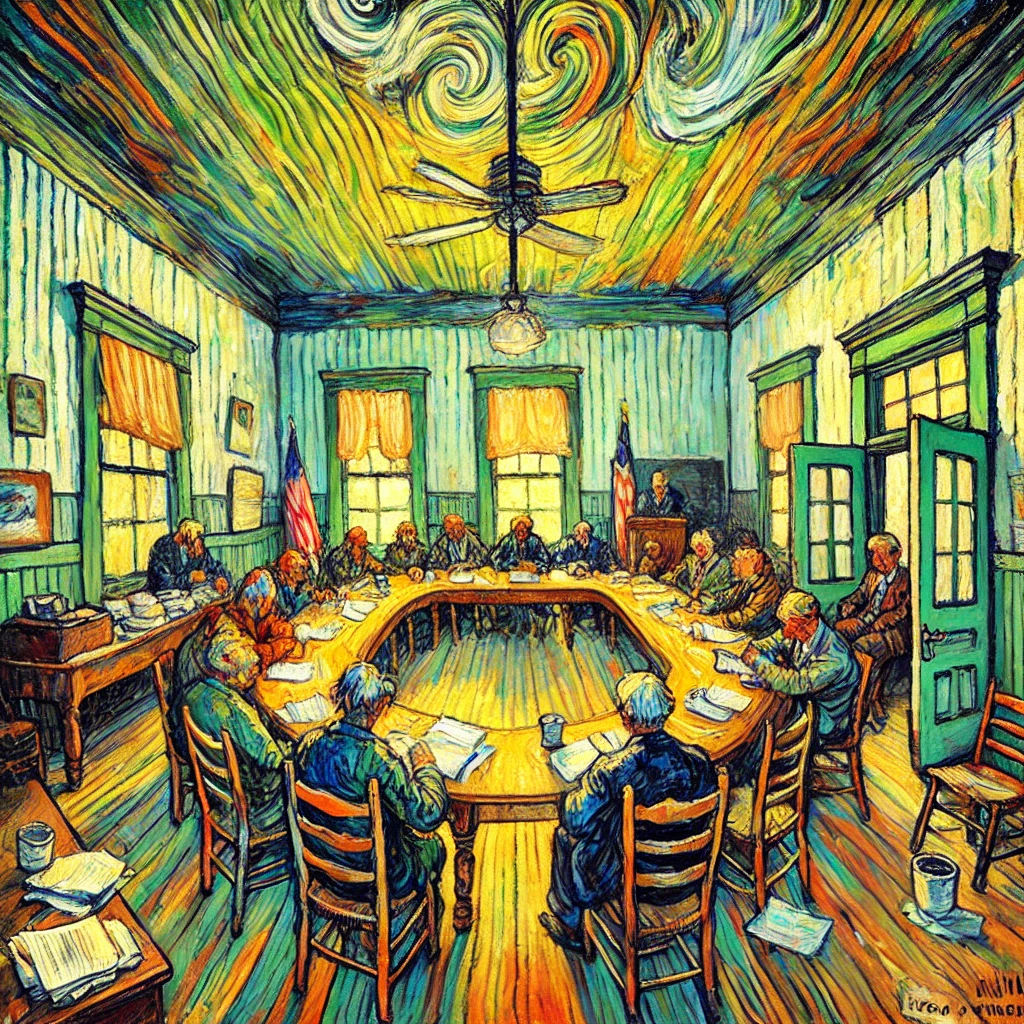
They met twice and adjourned without consensus.
Their report was six pages long.
Act VII – Committee Formation (Inevitable)
It recommended:
-
Keeping the light
-
Modifying the light
-
Studying the light
-
Pausing the light
-
Adding signage explaining the light
-
Removing signage to reduce distraction
The Mayor accepted the report.
No action was taken.
The light remained installed.
Act VII – Committee Formation (Inevitable)
Act VIII: The Public Adjusts (Sort Of)
People began practicing at home.
Timing themselves.
Editing thoughts.
Pausing for effect.
Some grew more concise.
Others rebelled by standing silently during green until it turned red, then speaking anyway.
The Clerk began keeping unofficial tallies.
Sheriff Peeler learned to announce warnings just before red.
Boot Barnes learned nothing.
Clovis began correlating light cycles with speaker outcomes.
Daisy continued to comply flawlessly.
Act VIII – The Public Adjusts (Sort Of)
Act IX: The Meeting That Broke the Metaphor
The meeting that finally settled nothing was scheduled to discuss parking.
It instead discussed the light.
Again.
A speaker reached red and stopped mid-sentence.
The room waited.
The light stayed red.
No one spoke.
The silence stretched.
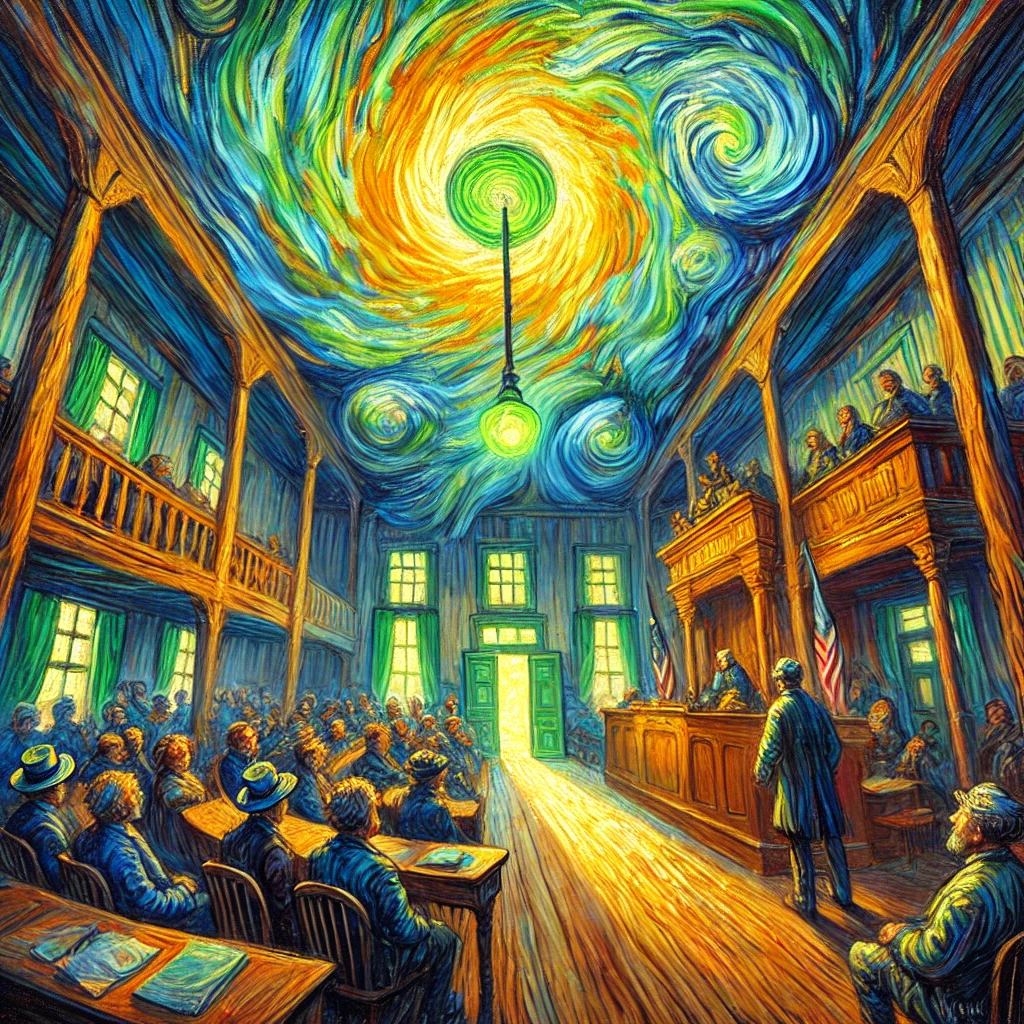
Act IX – The Meeting That Broke the Metaphor
The Mayor looked around. “Does… does anyone want to continue?”
The light turned green.
No one moved.
The Clerk slowly stood.
“This,” she said carefully, “is why we installed the light.”
The light blinked yellow.
She smiled. “And this is why it won’t solve anything.”
The light turned red.
The meeting adjourned.
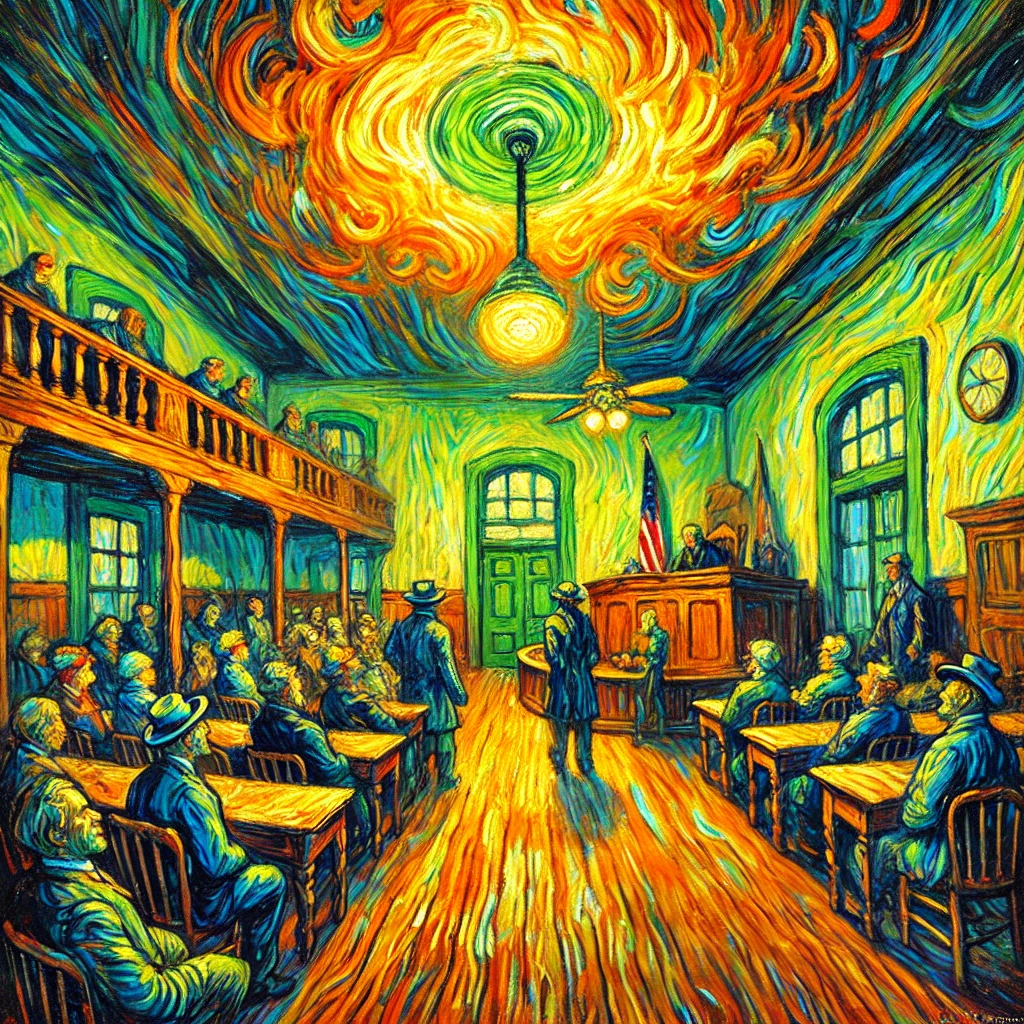
Act IX – The Meeting That Broke the Metaphor
Epilogue: Still Installed
The light is still there.
Sometimes it’s used.
Sometimes it’s ignored.
Sometimes it’s blamed.
It has not improved civility.
It has not ruined democracy.
It has become a reference point.
People now say things like:
“Don’t make me turn the light red.”
“That was a yellow moment.”
“He spoke past green.”
Which, in Sequatchie Crossing, counts as progress.
Or at least documentation.
Clovis has the notes.
The Clerk has the patience.
The light hums.
And the town continues, brightly illuminated, and still arguing about what it means.
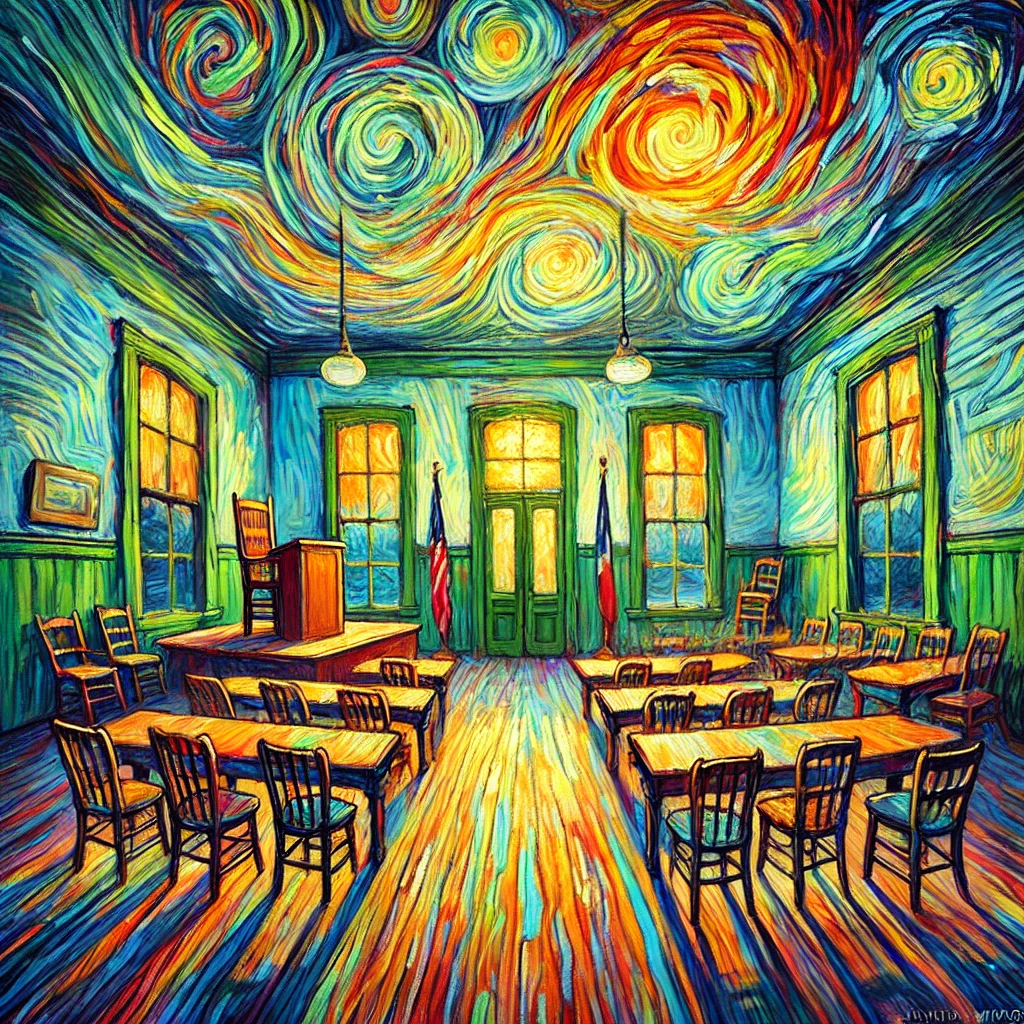
Epilogue – Still Installed
Disclaimer
This story is a work of fiction. Any resemblance to actual town halls, public meetings, elected officials, clerks, lights, buttons, timers, dogs, or persons who believe they are being unfairly timed is purely coincidental.
No real municipalities were observed, recorded, or audited in the creation of this story. Any similarities to real procedures, debates, committees, or prolonged discussions about simple solutions should be understood as narrative devices rather than commentary – unless they feel uncomfortably familiar, in which case that is between the reader and the meeting minutes.
The “Speaking Light” depicted herein does not exist, has no opinions, and cannot be held responsible for feelings of being rushed, silenced, misunderstood, or symbolically illuminated. Any interpretation of colors, timing, or intent is entirely subjective and may vary by speaker, observer, or agenda item.
All characters are fictional, including those who appear confident, confused, overprepared, or emotionally invested in the concept of fairness. Any dogs portrayed are also fictional, though statistically more likely to follow the rules.
Nothing in this story should be taken as legal advice, procedural guidance, or an endorsement of installing electronics to solve human behavior. Results may vary. Meetings may run long.
Proceed at your own pace.
Disclaimer – Town Hall Installs ‘Speaking Light’ That Immediately Becomes Symbolic
Real Places Behind the Ruckus – From The Dunlap Directory

Real Places Behind the Ruckus – From The Dunlap Directory
Yes, this story was fictional; even the parts that weren’t true. These places? Absolutely real. Stop by, support local, and keep the Wi-Fi away from livestock:
- Wendy’s
- Lodge At Fall Creek Falls
- TN Heating & Cooling
- Wildwood Enterprise
- Fireside Camp + Lodge
- Sequatchie Valley Homestead
- Farm Bureau Insurance
- Dunlap Industries
- American-European Motor Works
- Little Cove Campground
- Main Street Automotive
- Willow Rose Stables – Event Pony Rental

Real Places Behind the Ruckus – From The Dunlap Directory
At Sequatchie Crossing, we tell the stories of Sequatchie Crossing.
Please share this post with your friends, family, or business associates who may want follow the news from Sequatchie Crossing.


0 Comments