


High School Band Director Accused Of Using Data to Choreograph Civic Dissent
By Tom Seest
At Sequatchie Crossing, we tell the stories of Sequatchie Crossing.
Please share this post with your friends, family, or business associates who may want follow the news from Sequatchie Crossing.
🎤 Audio Overview
The Algorithm That Marches to Its Own Beat
ACT I – The Parade That Started the Data War
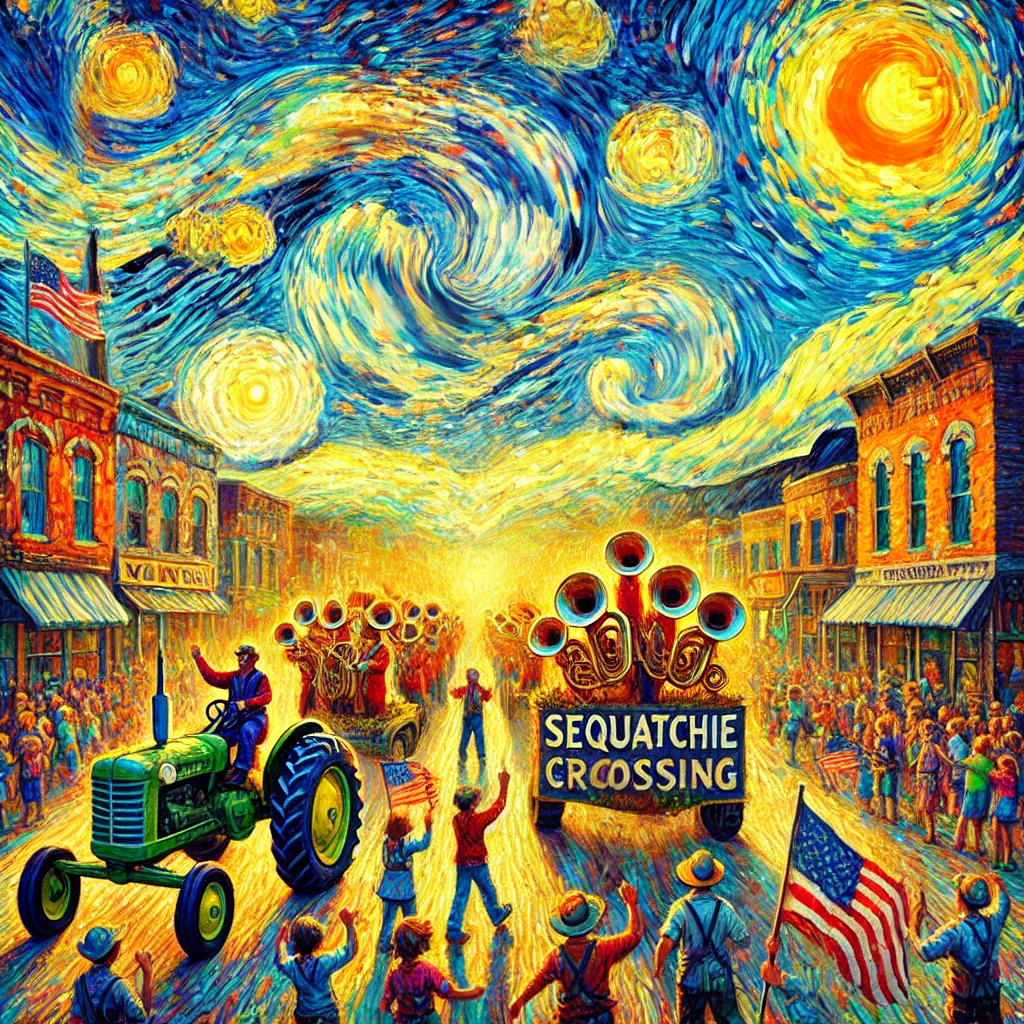
The Sequatchie Crossing Fall Parade began as it always did: with too many tractors, not enough candy, and a sense that something would go wrong just in time to make the front page.
By 9:15 a.m., the sun was already glaring down on Main Street like a stage light. The air smelled faintly of kettle corn, diesel exhaust, and civic optimism. Folding chairs lined the sidewalks, kids held grocery sacks for candy, and every local business had a float that looked like it was assembled in both a hurry and a committee.
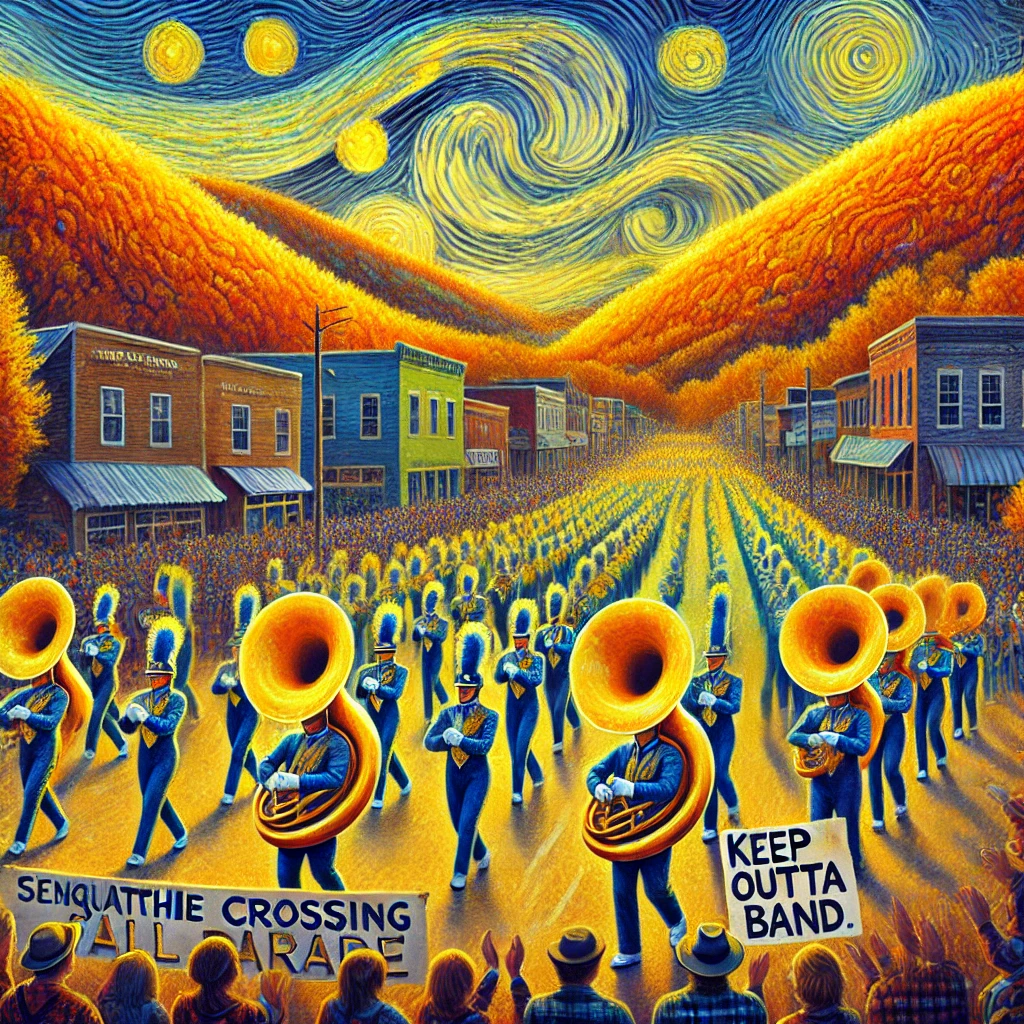
At 9:43 sharp, the Sequatchie County High School Marching Indians came around the corner, tubas gleaming, drums thundering, and parents cheering from the bleachers.
“Here they come!” shouted someone from the bleachers. “Best band in the valley!”
It was true – for all of Sequatchie’s bickering, the high school band was a rare point of pride. They had won state last year for “Creative Choreography in a Limited Budget Environment,” a title the town still didn’t fully understand but celebrated anyway.
Director Randy Clower, a man whose hair was as neatly arranged as his formations, walked ahead of the band, baton in hand, wearing mirrored sunglasses and the confident grin of a man who thought he’d made something special.
And he had – just not in the way he intended.
ACT I — The Parade That Started the Data War
ACT II – Shapes in the Field
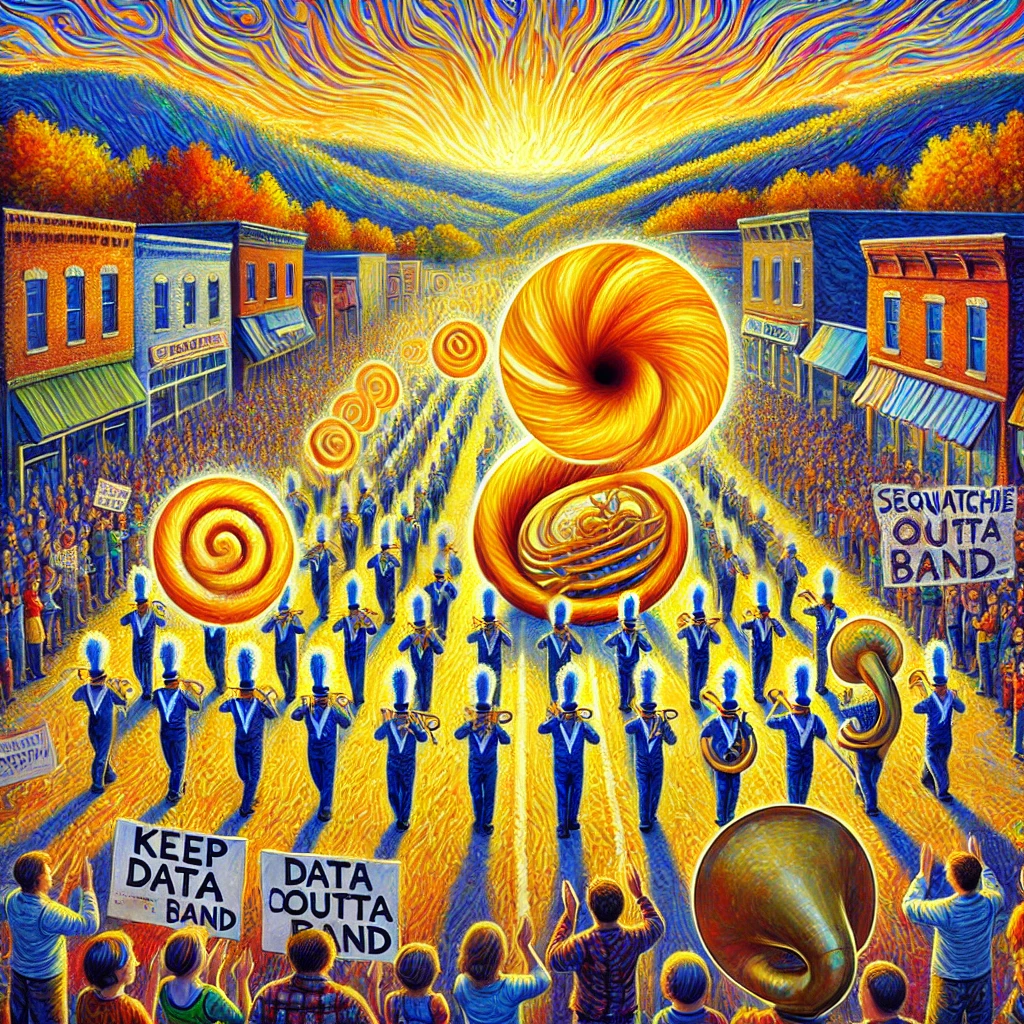
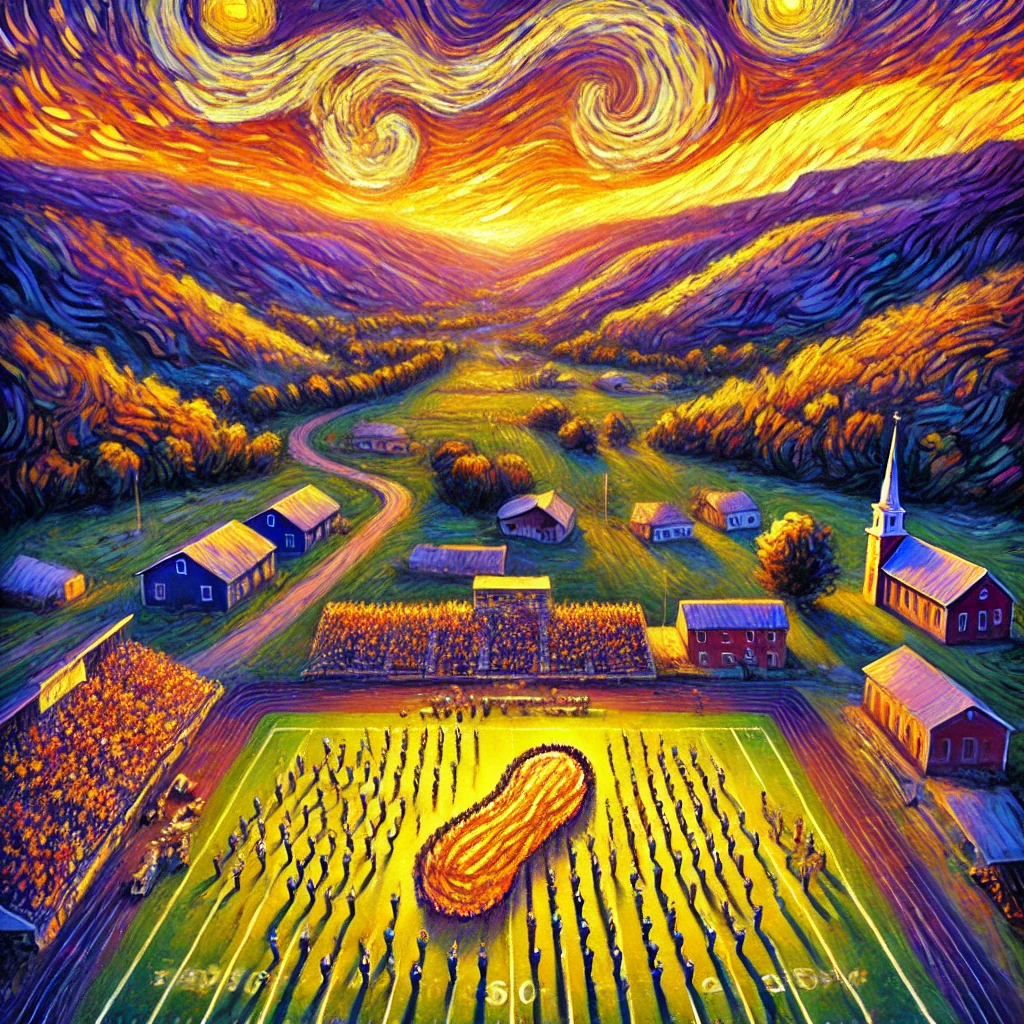
At first, the formations were subtle. The trumpets lined up in a perfect straight line, the clarinets curved into a smooth circle, and the percussion section formed what looked – depending on your political beliefs – like either an infinity symbol or a peanut roundabout.
The crowd clapped politely, until someone near the announcer’s booth gasped.
“Is that… a peanut?”
“Looks like a loop,” said another.
“No,” countered Mabel Dean, clutching her church program like a legal brief. “That’s a peanut. A peanut roundabout.”
Silence fell. Then came the murmurs.
“Oh Lord, not again…”
Within seconds, phones were out. Facebook livestreams began. Someone tagged #RoundaboutRevenge.
By the time the band hit the bridge of “Eye of the Tiger,” Sequatchie Crossing had erupted – online and off.

ACT II — Shapes in the Field
ACT III – The Roundabout Reopens
To an outsider, it might have seemed absurd that a small Tennessee town could be so divided over the shape of an intersection. But Sequatchie’s peanut roundabout debate had history.
Two years ago, the County Planning Committee proposed building a traffic roundabout at the intersection of Highway 8 and Old Main – a noble idea that spiraled out of control when someone drew it shaped like a peanut to “save space.”
It split the town in half.
One side wanted a traditional circle.
The other wanted nothing at all.
And a third – mostly Facebook warriors with too much time – wanted the peanut, calling it “a symbol of Sequatchie’s unique spirit.”
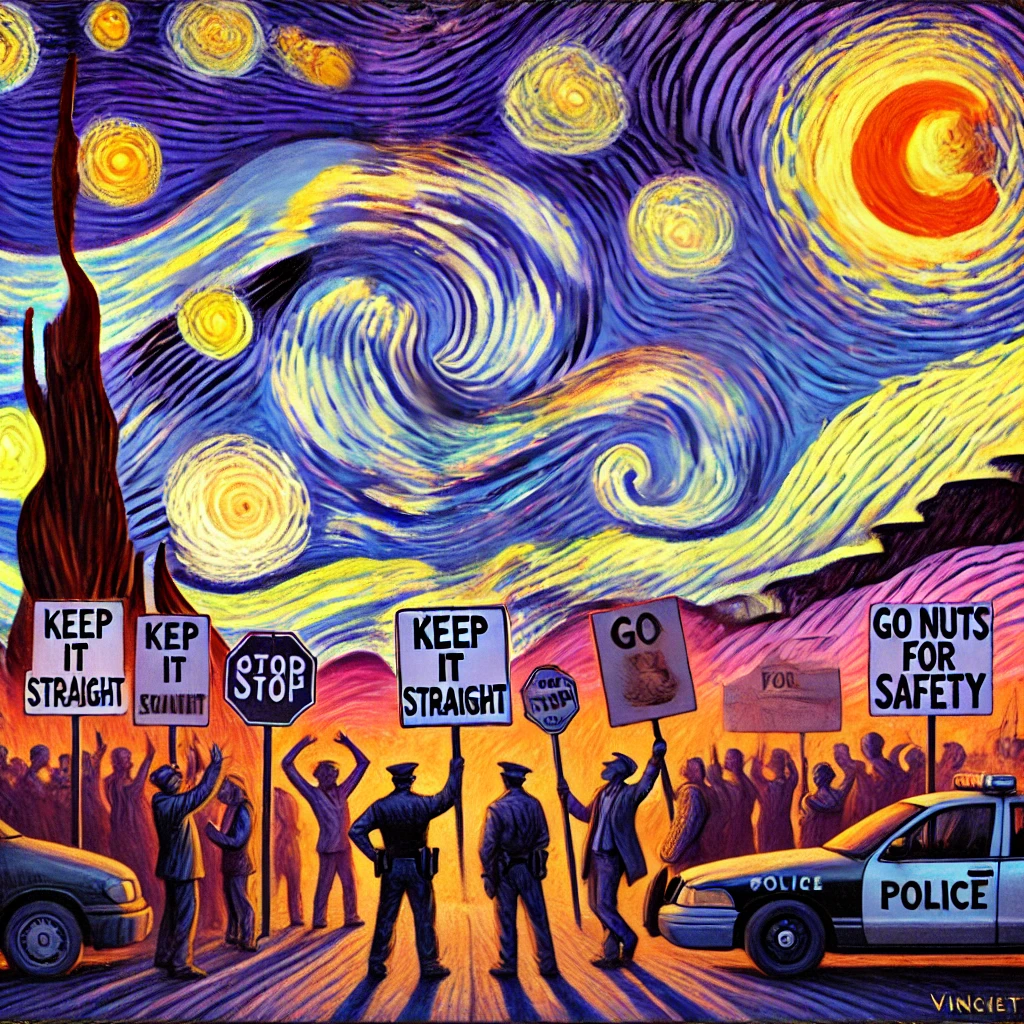
T-shirts were printed: “Go Nuts for Safety.”
Counter-shirts read: “Keep It Straight, Keep It Safe.”
Now, with the marching band apparently taking sides through geometry, old wounds reopened.
By sunset, the town was buzzing louder than the clarinet section.
ACT III — The Roundabout Reopens
ACT IV – The Leak
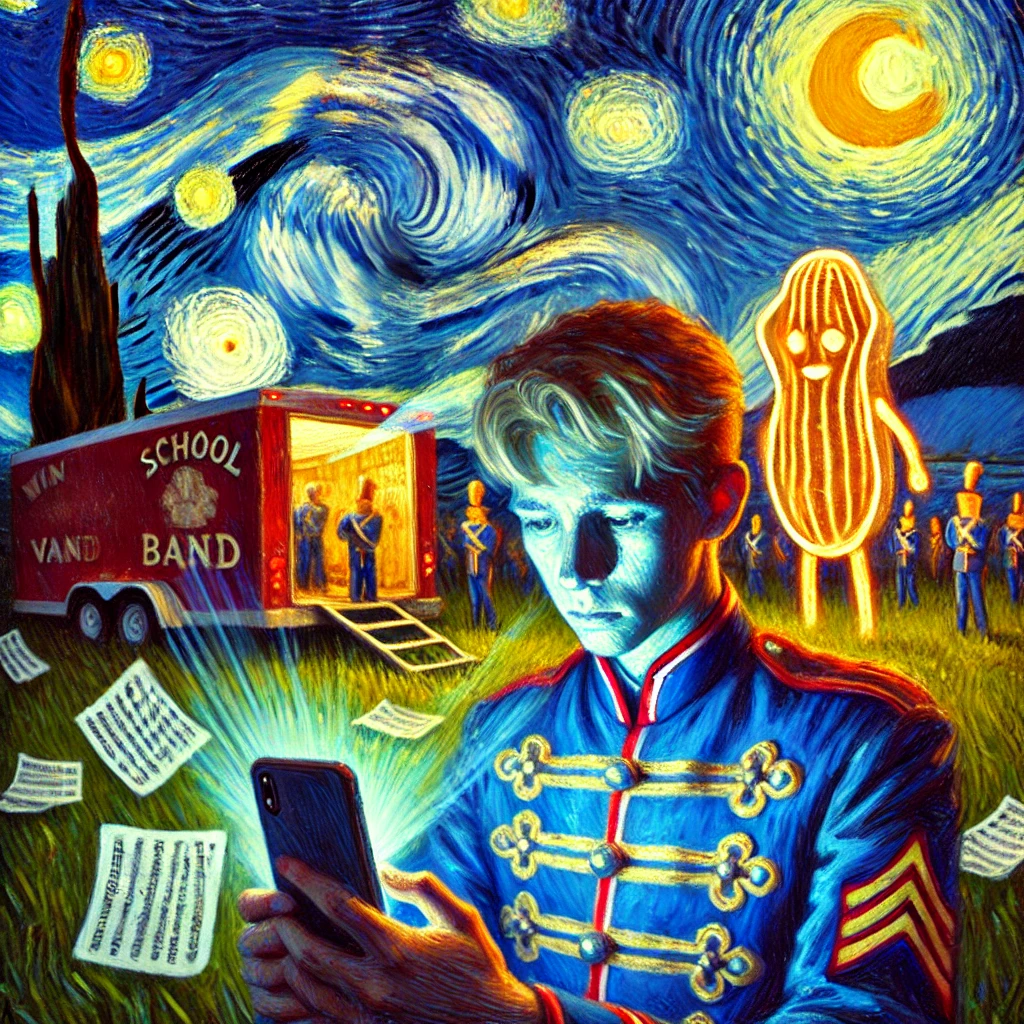
The next day, sophomore Tanner Puckett, a trombonist with acne, braces, and an accidental sense of justice, posted a video to TikTok titled:
“Our Band Director Is Using AI to Spy on Y’all.”
In the video, Tanner leaned against a stack of drum cases behind the field house.
“So, uh… turns out Mr. Clower’s been using something called TempoGauge.AI,” he said. “It analyzes people’s Facebook posts about the roundabout. Like, it figures out who’s for it, who’s against it, and who’s just angry all the time. Then it assigns us shapes.”
He paused dramatically. “I was a line. My mom’s a circle. My grandma’s a peanut.”
The video went viral locally – 8,000 views by morning, which, for Sequatchie, was the equivalent of breaking national news.
ACT IV — The Leak
ACT V – The Algorithm Exposed
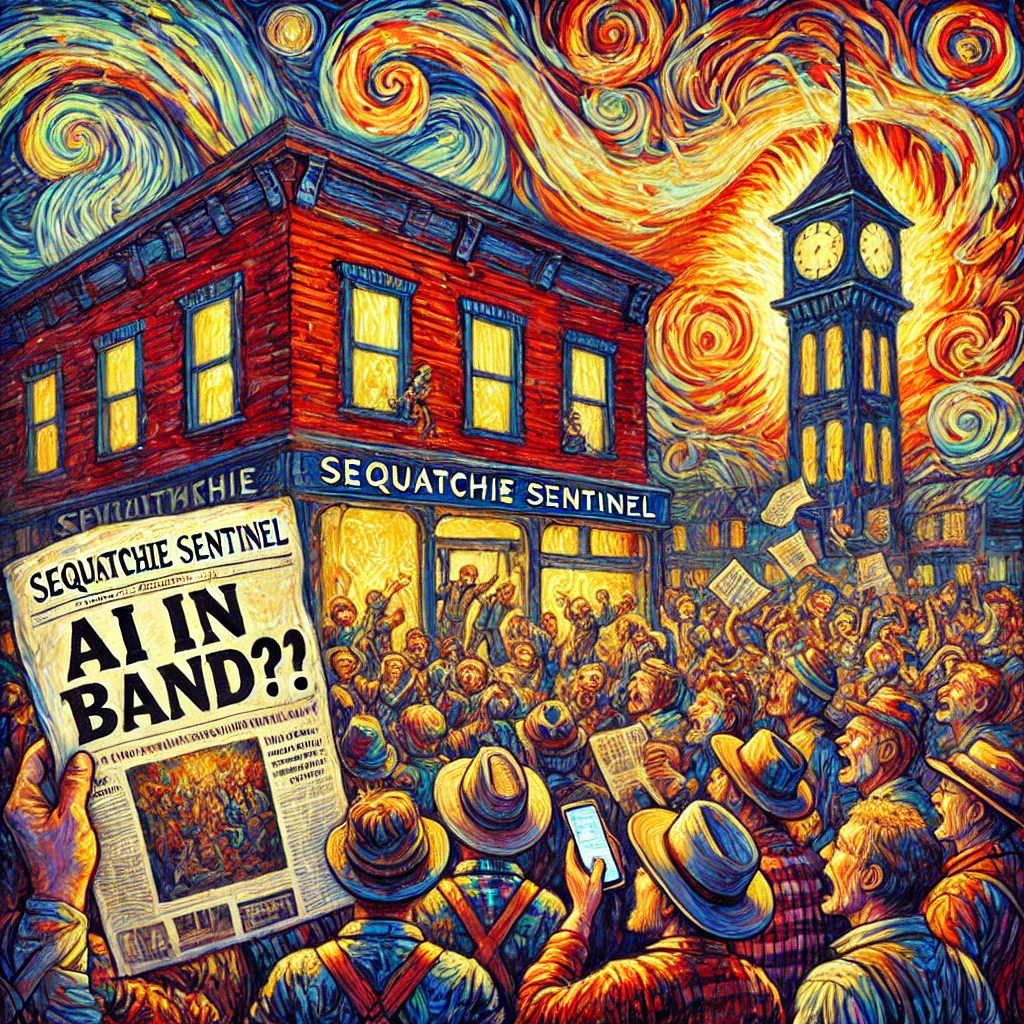
By noon, Principal Dana Hensley had called an emergency staff meeting. The town paper – The Sequatchie Sentinel – printed a headline that screamed:
“BAND DIRECTOR ALLEGEDLY USING ARTIFICIAL INTELLIGENCE TO MEASURE CIVIC SENTIMENT – AND IT’S PLAYING IN MARCHING FORMATION.”
Outside the school, locals gathered in clusters like human algorithms sorting themselves by outrage.
Old-timers shook their heads. “Back in my day, we used drum majors, not data miners.”
Meanwhile, the “Not From Here” crowd – the transplants from Chattanooga, Asheville, and “anywhere with fiber internet” – defended the experiment.
“Everything’s data-driven now,” said Eliot from Fredonia Mountain, who moved in three years ago and introduced himself that way to everyone. “This is just civic engagement 2.0.”
Clovis Delmar, a local fixture with a CB radio voice and the subtlety of a freight train, fired back:
“You call it engagement; I call it witchcraft.”
ACT V – The Algorithm Exposed
ACT VI – Town Hall Meltdown
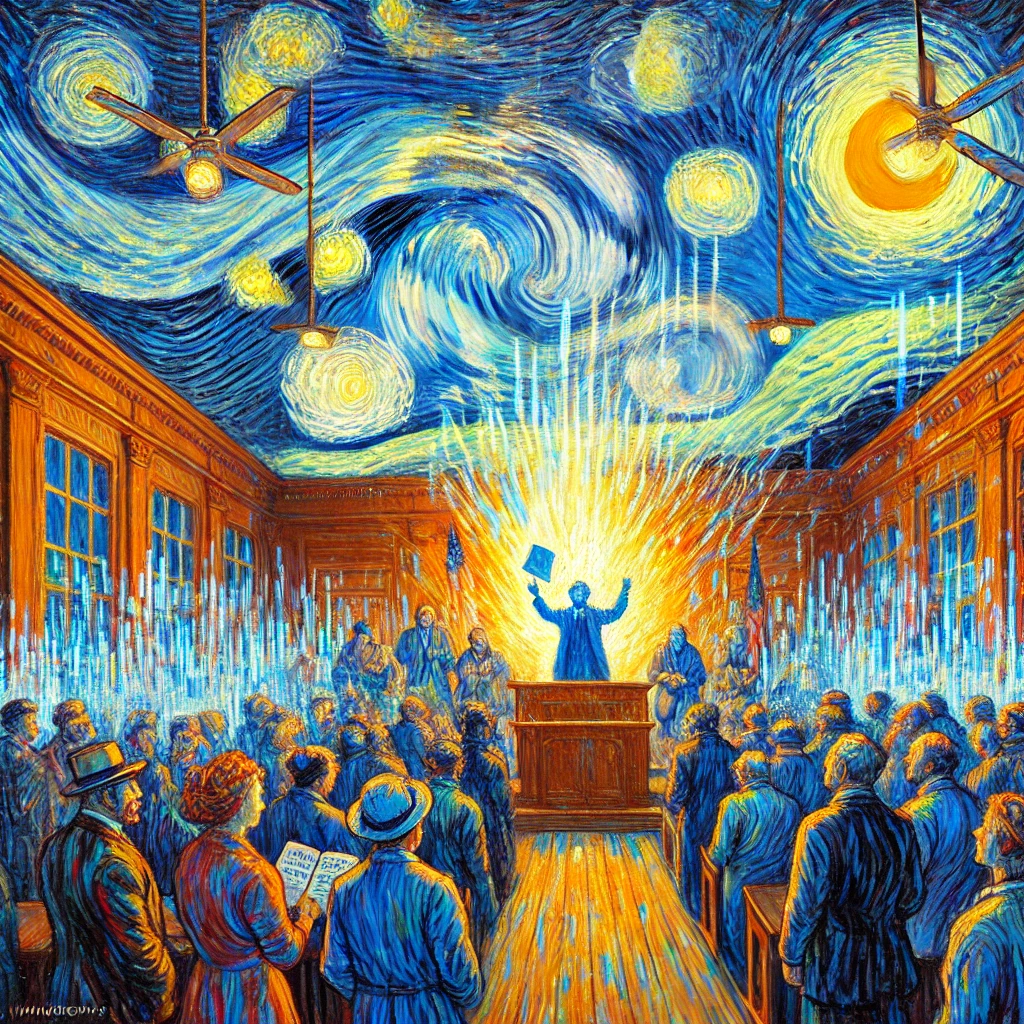
The Town Hall meeting that night was standing room only. Folding chairs filled the floor, and extra seating was improvised with hay bales borrowed from the feed store.
Mayor Dwain Lunsford, wearing his “Sunday tie” and a look of exhausted patience, tapped the microphone.
“Alright now, folks. Let’s keep this civil. We’re here to talk about algorithms, not arm-wrestle them.”
That didn’t help.
Mabel Dean stood first, holding her Bible and a hand-painted sign that read “KEEP BIG DATA OUT OF BAND.”
She spoke with the authority of someone who’s been right about everything since 1974.
“Once you let a machine decide what shape your children march in,” she declared, “you might as well let it preach your sermons and vote your conscience.”
A chorus of amens followed from the back row.
Eliot from Fredonia rose next. “It’s just art, Mabel. It’s expression. The algorithm doesn’t control us—it reflects us.”
Mabel snapped back, “Then I suggest you take a good, long look at your reflection, young man. Because it looks round, wrong, and possibly Californian.”
The crowd roared.
ACT VI – Town Hall Meltdown
ACT VII – The Director Defends Himself
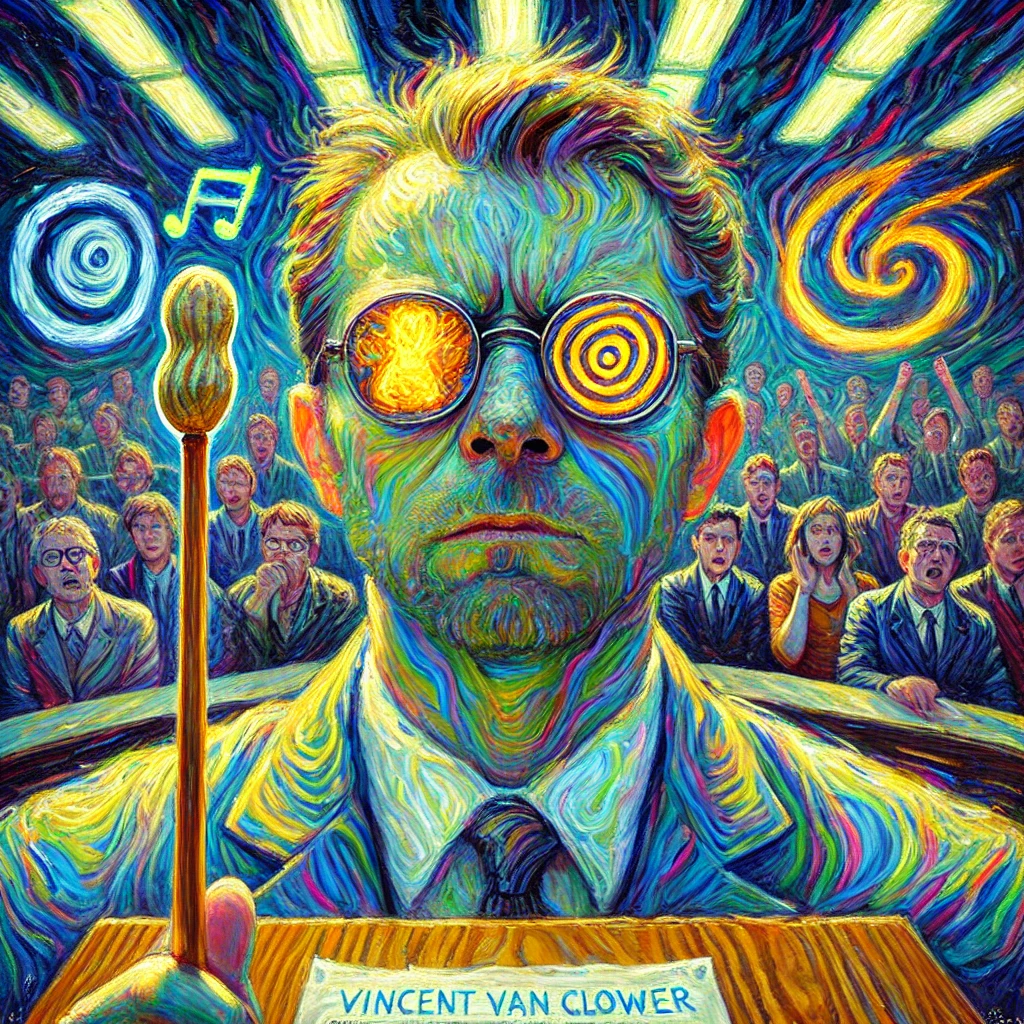
When Director Randy Clower took the microphone, the room buzzed like an amplifier left on standby.
“I didn’t mean for it to get this far,” he began. “TempoGauge.AI was just supposed to help us choose show themes. I fed it local data to find what our community cared about. It said the number one emotional topic in Sequatchie County was ‘roundabouts and regret.’”
Scattered laughter broke the tension for a moment.
Clower continued, “I figured—what better way to unify the town than through art? Shapes, music, shared rhythm…”
“Shared rhythm my foot!” shouted Boot Barnes from the Historical Society. “You’re conducting psyops with piccolos!”
“I just wanted to teach the kids that data tells stories too!” Clower insisted. “I didn’t expect it to divide us.”
“You mean sort us,” muttered Clovis. “Like livestock.”
ACT VII – The Director Defends Himself
ACT VIII – The School Board Responds
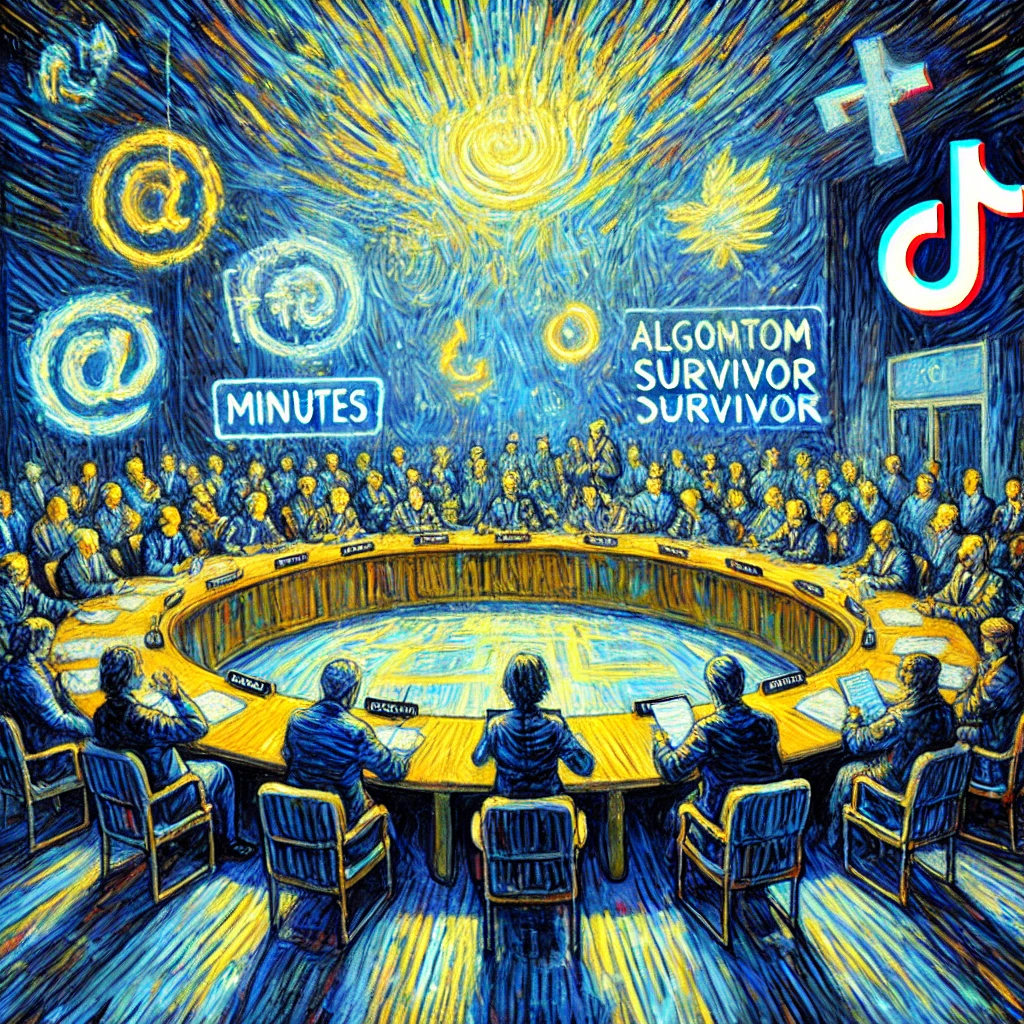
The School Board called a special session the next morning. The official minutes were short, but eyewitnesses said it was “half hearing, half exorcism.”
Board member Nancy Bledsoe opened with, “We can’t have our students being shaped by sentiment algorithms.”
To which fellow board member Raymond Tuggle replied, “Isn’t that basically what Facebook already does?”
The superintendent sighed so loudly it made the local news.
After three hours of debate, the board issued a temporary ban on “algorithmic-assisted marching concepts” pending a full review.
The students, meanwhile, made lemonade out of the fiasco: they started selling T-shirts that read “I’m With the Algorithm (But Only in 3/4 Time)” to raise money for new instruments.
ACT VIII – The School Board Responds
ACT IX – The Moral Divide
Within days, Sequatchie Crossing had split again – but not cleanly.
The Locals: suspicious of AI, nostalgic for “the way things were,” and convinced the peanut roundabout was a metaphor for everything wrong with modern life.
The Not-From-Heres: optimistic, data-friendly, and quick to point out that “AI isn’t evil, it’s just misunderstood – like jazz.”
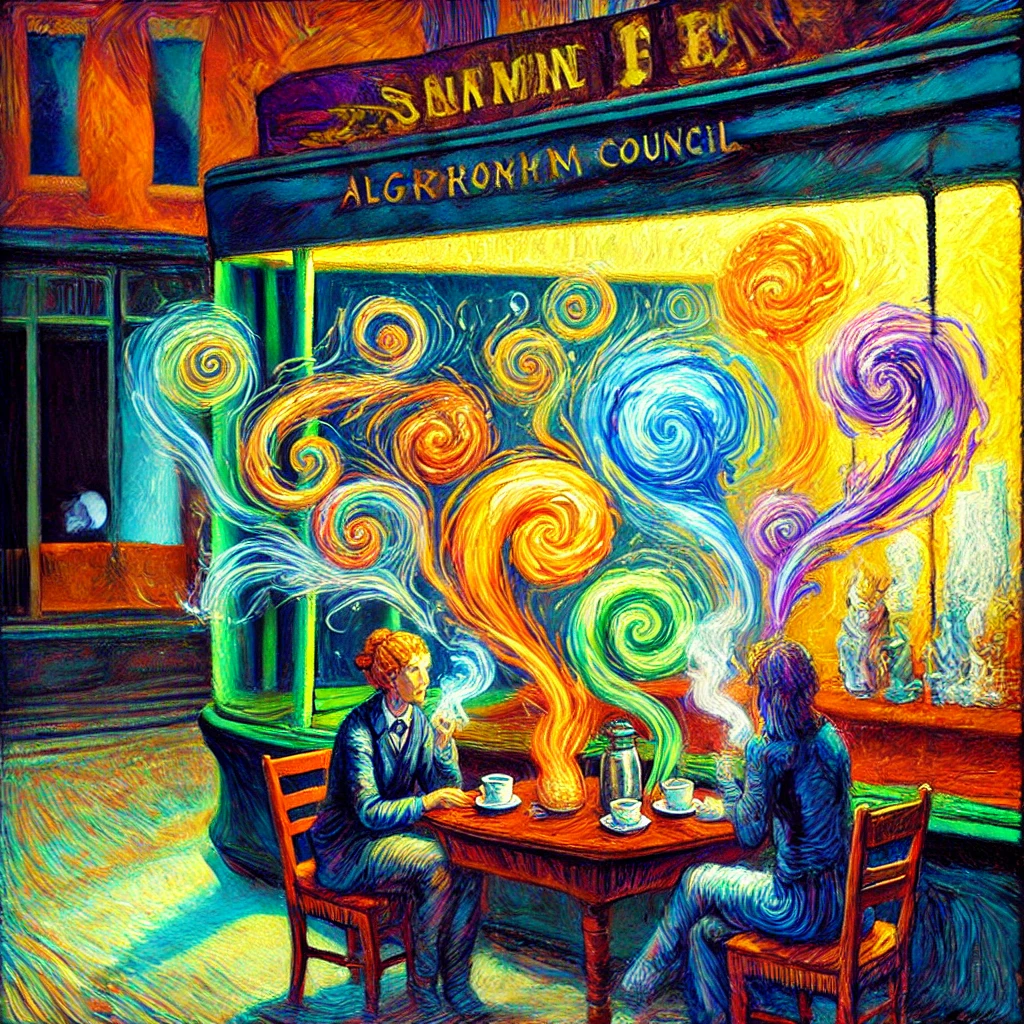
At the Sequatchie Café, the arguments flared daily.
“I’m tellin’ you,” said Clovis, stabbing his biscuit with his fork, “next thing you know the pep band’ll start playing political polls.”
Across from him, Ava Pringle from the yoga studio countered, “Clovis, you think Google is a kind of witchcraft. Last week you accused your thermostat of taking sides.”
“It did!” he barked. “It lowered itself the moment I mentioned taxes.”
Mabel Dean sipped her coffee and sighed. “I miss the days when marching bands just spelled out SCHOOL and nobody got profiled.”
ACT IX – The Moral Divide
ACT X – The Aftermath
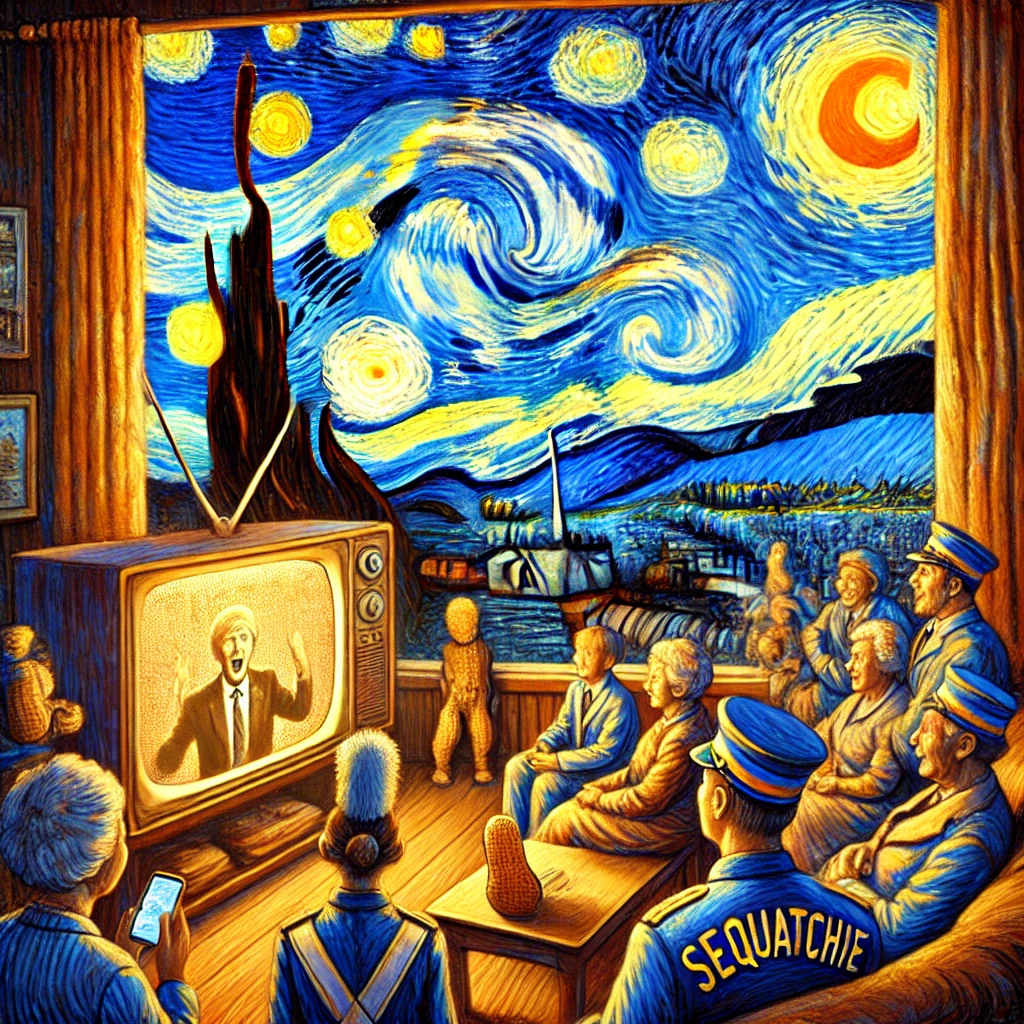
By week’s end, the story had spread beyond the valley. Nashville TV anchors were laughing about “The Peanut Parade Scandal.” One national late-night host quipped,
“Sequatchie Crossing – the only town where the data marches before the people.”
Reporters called it quaint. Locals called it an embarrassment.
But the band kids? They thought it was hilarious.
“Honestly,” said Tanner Puckett in a follow-up interview, “we’re just glad people finally care about marching formations.”
Principal Hensley tried to move on, announcing a new, “completely analog” theme for next season:
“Pride, Tradition, and a Straight Line Down Main.”
That didn’t stop rumors that Clower was quietly working on a new algorithm – one that would detect civic happiness and translate it into tempo changes.
He denied it, but locals noted the school’s Wi-Fi password had been changed to “Syncopate2026.”
ACT X – The Aftermath
ACT XI – Lessons from the Valley
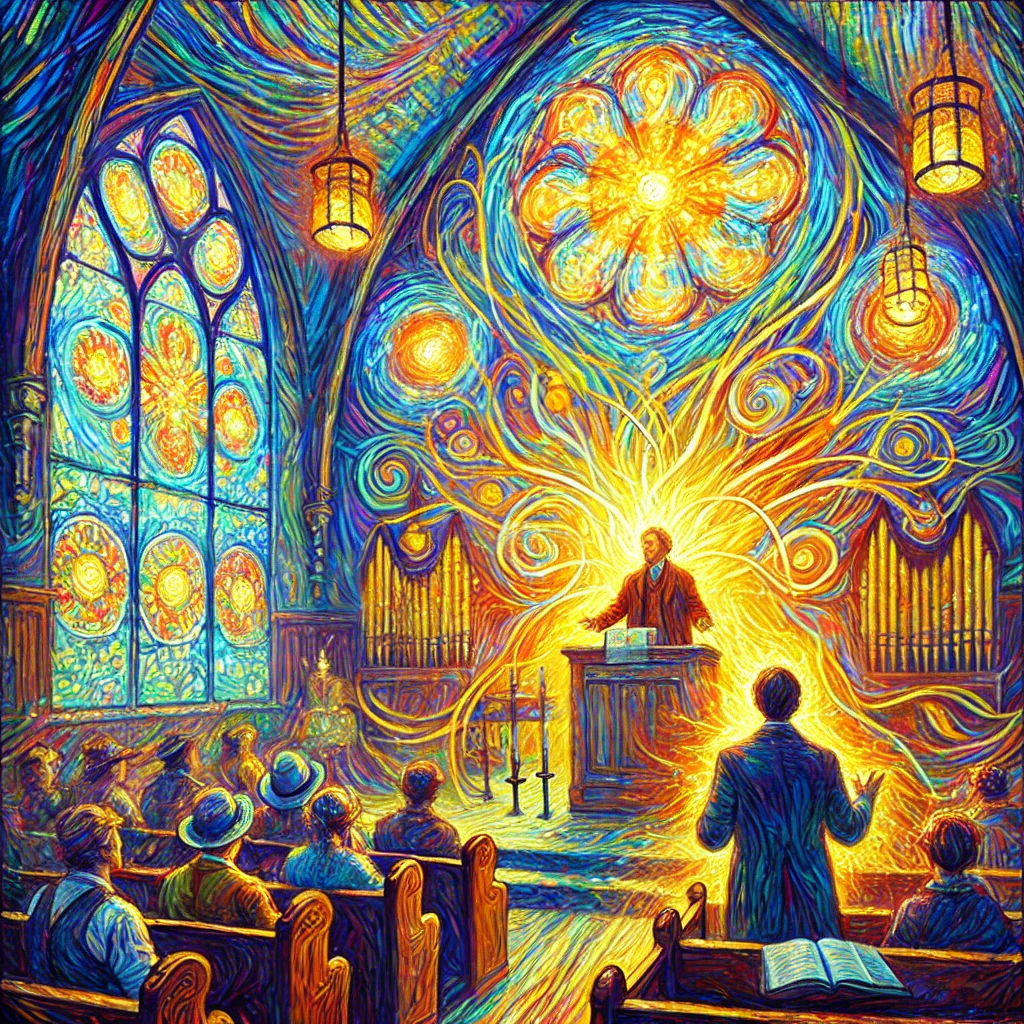
One Sunday morning, Reverend Gentry touched on the scandal during his sermon at First Sequatchie Methodist.
“Sometimes,” he said, “we get so busy sorting each other by circles, lines, and peanuts that we forget we’re all playing in the same band.”
Mabel nodded solemnly. Clovis muttered, “Not if the trumpets are spying.”
Later that week, the mayor proposed forming a “Civic Technology Committee” to explore how AI could “benefit the community.” Locals immediately dubbed it “The Algorithm Council.”
They held their first meeting at the old library – and fittingly, half the attendees sat in a circle, the others in a line, and one small group arranged their chairs into a peanut.
ACT XI – Lessons from the Valley
ACT XII – Harmony in Discord
In the end, Sequatchie Crossing didn’t solve anything. It rarely does.
The town thrives on unresolved debates – it’s part of the rhythm.
Some say Director Clower is a visionary ahead of his time. Others say he’s a cautionary tale with a baton.
But everyone agrees on one thing:
No matter how you arrange the band, Sequatchie Crossing will always find a way to argue about the formation.
Still, at next year’s parade, the crowd will cheer, the drums will echo through the valley, and somewhere between the circles and lines, a peanut will probably appear again – not as a statement, but as a reminder.
That here, in the heart of the Sequatchie Valley, even an algorithm can’t outthink human nature.
ACT XII – Harmony in Discord
⚖️ Disclaimer
This story is a work of fiction.
All characters, events, and organizations depicted herein are entirely imaginary and used for purposes of satire and social commentary.
Any resemblance to actual persons (living, deceased, or unreasonably invested in roundabout geometry), actual events, or real AI programs is purely coincidental.
No algorithms were harmed – or properly understood – in the making of this publication.
Disclaimer – The Algorithm That Marches to Its Own Beat
Real Places Behind the Ruckus – From The Dunlap Directory
Real Places Behind the Ruckus – From The Dunlap Directory
Yes, this story was fictional; even the parts that weren’t true. These places? Absolutely real. Stop by, support local, and keep the Wi-Fi away from livestock:
- Evergreen Enterprise
- North Star Boutique
- D and T Designs
- TN Heating & Cooling
- Berg’s Diesel Repair
- Hickerson Land Management
- Emily Higdon Photography
- Dunlap Flower Shop
- Fall Creek Bike Shop
- United Country Southeast Land Solutions
- Lewis Chapel Volunteer Fire Department
- Big Valley Air
- Mountain View Barns of Dunlap
- Roberts Construction
- King’s Pig BBQ
- Superior Tire & Auto
- Sequatchie Valley Insurance LLC
- North End Collision Center
- Bryans Painting
- Affordable Seamless Gutter

Real Places Behind the Ruckus – From The Dunlap Directory
At Sequatchie Crossing, we tell the stories of Sequatchie Crossing.
Please share this post with your friends, family, or business associates who may want follow the news from Sequatchie Crossing.

0 Comments