


Town Shuts Down for Two Months. Nobody Notices. Some Demand It Stay That Way.
By Tom Seest
At Sequatchie Crossing, we tell the stories of Sequatchie Crossing.
Please share this post with your friends, family, or business associates who may want follow the news from Sequatchie Crossing.
🎤 Audio Overview
The Budget That Never Was and Apparently Never Needed to Be
I. The Great Fiscal Freeze
When the Sequatchie Crossing Town Council failed to pass its annual budget—again—most assumed it’d be the usual weeklong standoff. A few tense meetings. Some passive-aggressive notes on Facebook. Then, a last-minute “compromise” that amounted to rearranging the same $87,000 in the same spreadsheet.
But this time was different.
This time, the council didn’t just fail to pass a budget. They failed to meet.
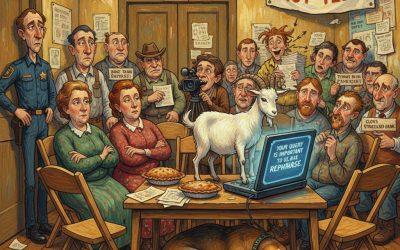
After two weeks of arguing over who should bring the donuts (and whether donut purchases counted as “refreshments” or “consulting expenses”), the entire government quietly shut down. Technically. Legally. Bureaucratically.
And yet—absolutely nothing changed.
I. The Great Fiscal Freeze
II. Two Months of Total Government Silence
At first, a few people noticed something might be off.
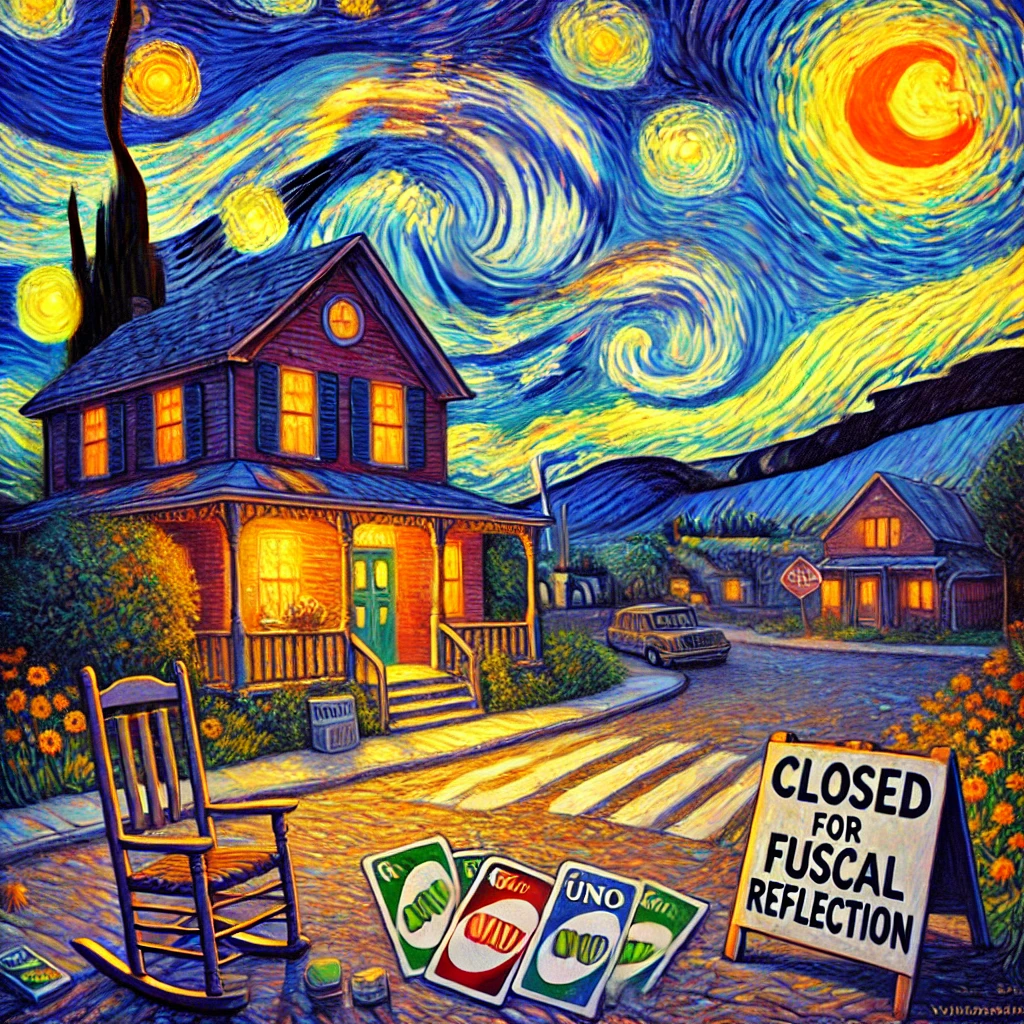
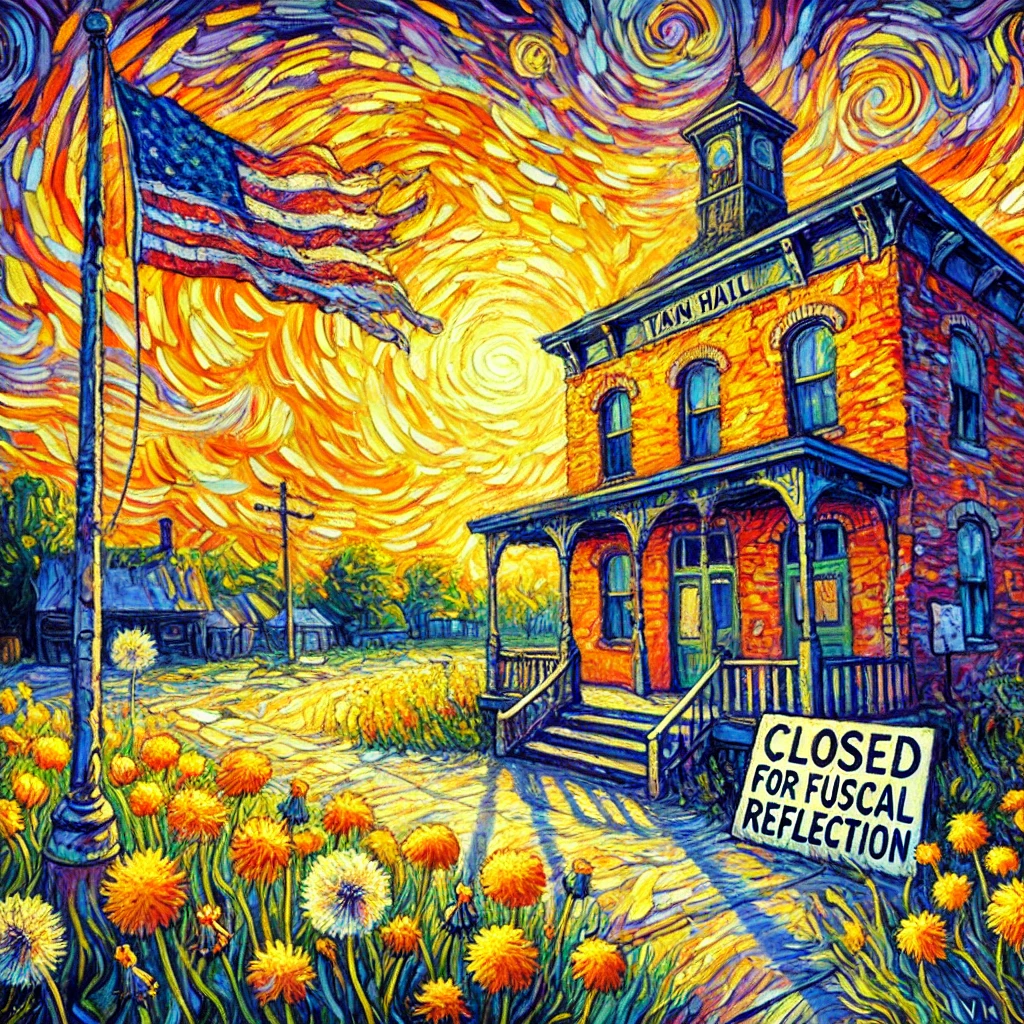
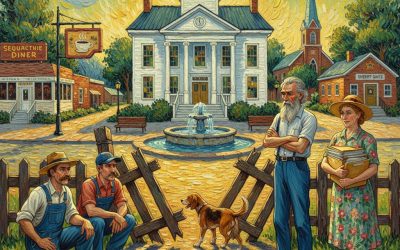
The “Closed for Fiscal Reflection” sign taped to Town Hall’s door drew a few puzzled looks. The mayor’s parking spot grew wild with dandelions. The American flag out front drooped at half-mast for reasons no one could quite recall.
By week three, even the “concerned citizens” Facebook group ran out of outrage.
“Honestly,” wrote local resident Brenda Tilson, “I thought it’d be worse. The trash still gets picked up. Streetlights still work. The grass out front of City Hall looks… actually better?”
It turned out that almost every “government service” had already been contracted, automated, or handled by volunteers years ago.
-
The animal control department? Run by a retired mail carrier with a tranquilizer gun and a Facebook page.
-
The parks department? Just two teenagers mowing for gas money.
-
Public safety? Sheriff Peeler and his deputies, who hadn’t realized the shutdown applied to them and kept right on writing speeding tickets.

II. Two Months of Total Government Silence
III. The Day the Lights Didn’t Go Out
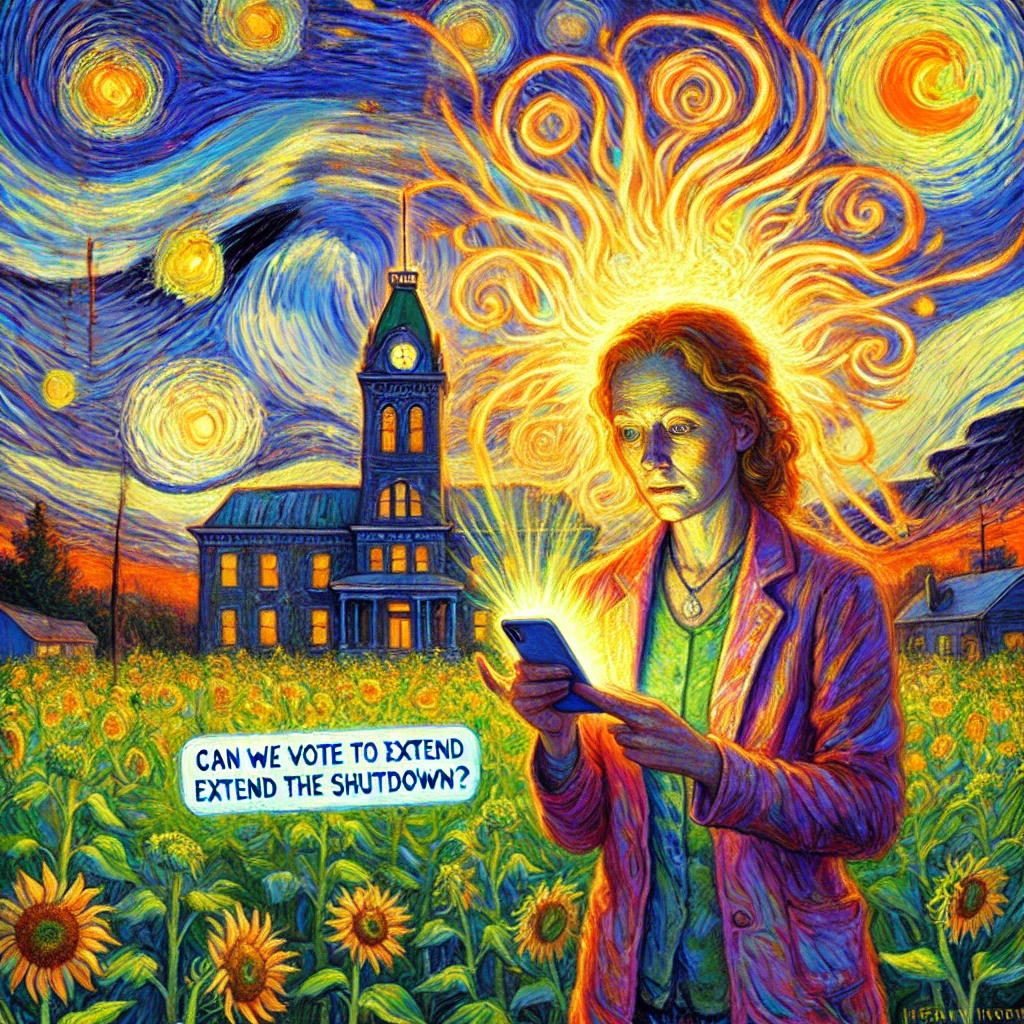
Midway through the second month, Councilwoman Doris Clay attempted to “restart” the government with a dramatic motion to reconvene.
“We must restore normal operations,” she declared in a Facebook Live broadcast from her recliner. “The people deserve the leadership they elected!”
Her feed’s comments said it all:
“What leadership?”
“Can we vote to extend the shutdown?”
“If it means fewer committees, I say make it permanent.”
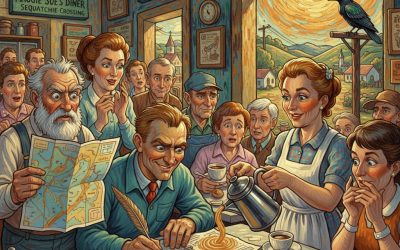
The most damning revelation came from accountant-turned-town-historian Floyd Bennett, who discovered that the town’s financial software had automatically renewed all essential contracts months earlier.
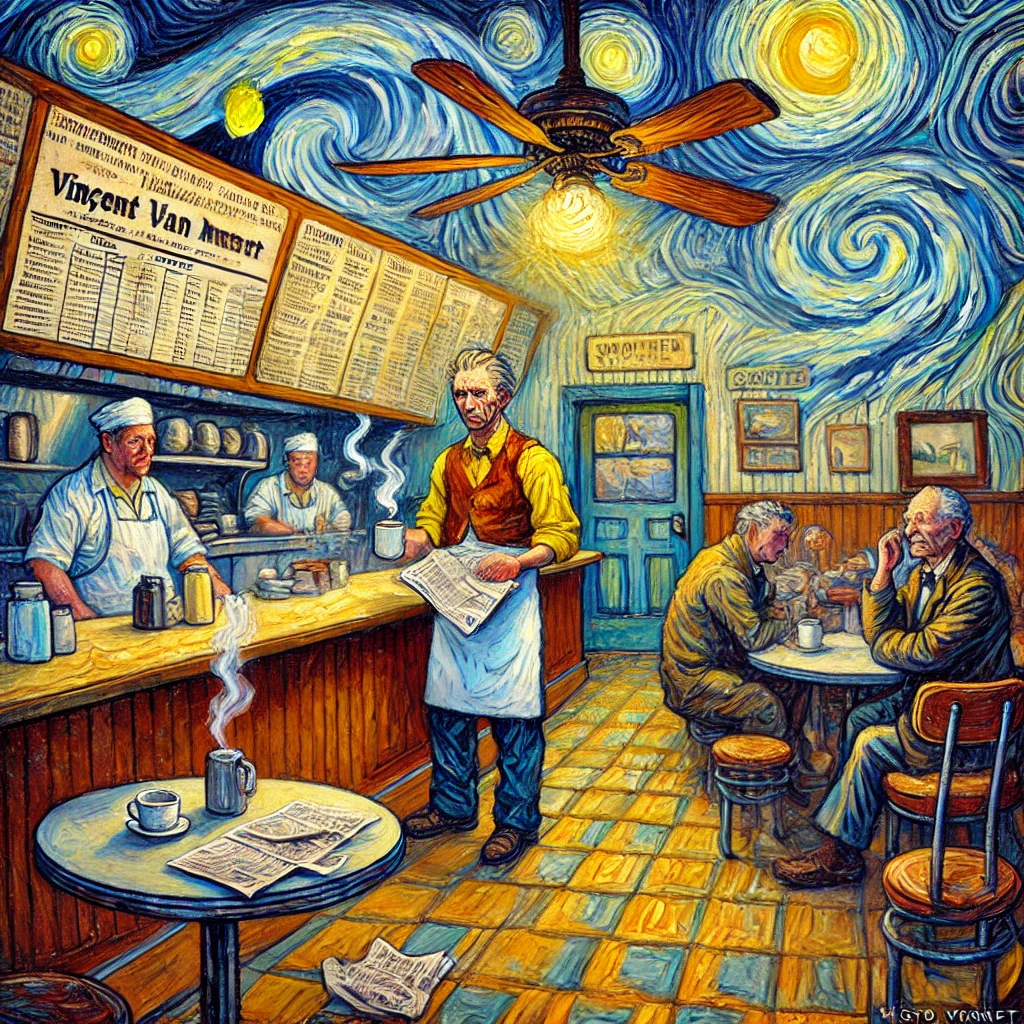
“The system basically passed its own budget,” Floyd explained at the Sequatchie Diner, holding up a crumpled printout. “It turns out we didn’t need any of ‘em. Not the meetings, not the debates, not even the pizza budget.”
That line got him a free slice from the cook, who declared him “Treasurer of Common Sense.”
III. The Day the Lights Didn’t Go Out
IV. When Nothing Becomes Everything
As the shutdown entered week seven, the town’s peace and quiet grew suspiciously suspicious.
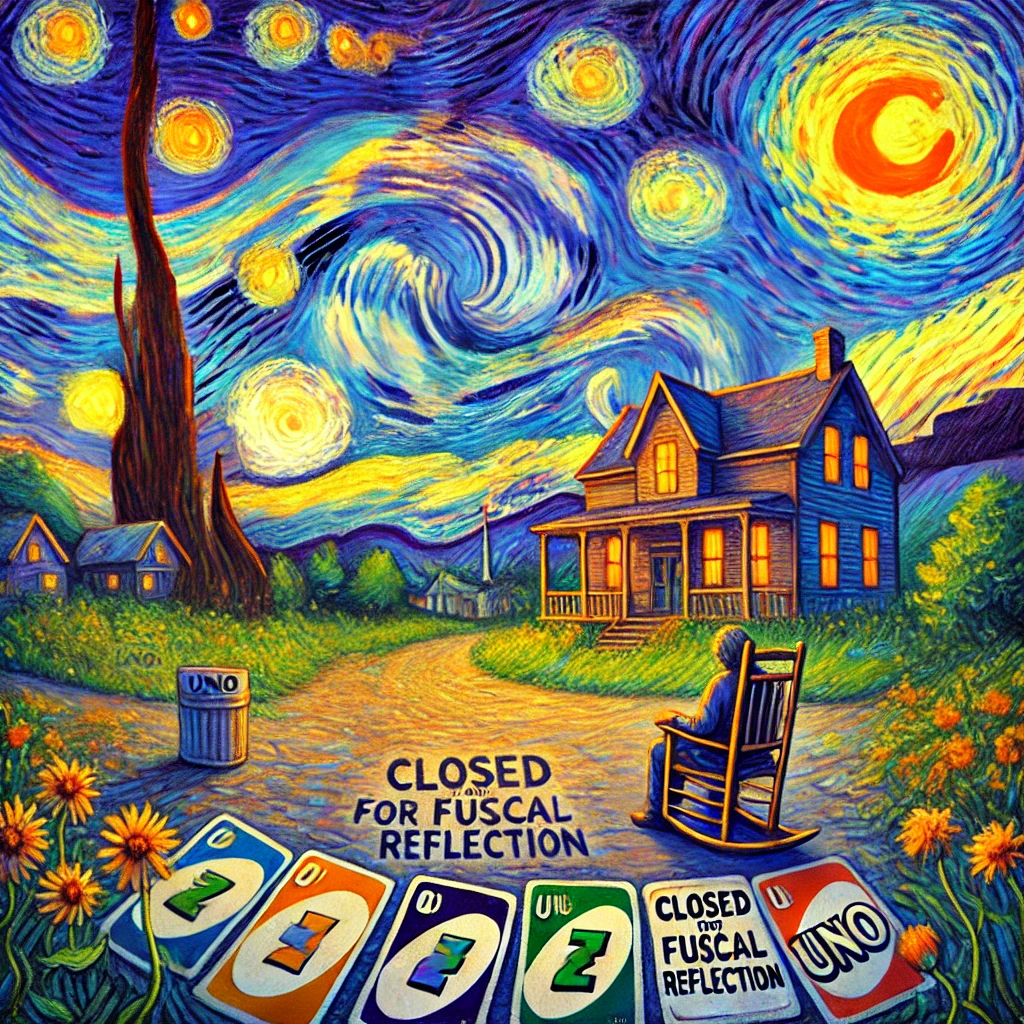
Without permits to issue, the zoning board began playing Uno in the parking lot. The Chamber of Commerce started marketing the “Great Sequatchie Crossing Government Shutdown Experience” as a tourism event.
Local influencer Hazel McCutchen posted a viral video titled “Living My Best Life Under Anarchy”, sipping sweet tea in front of Town Hall while her husband grilled ribs on what used to be the mayor’s decorative flowerbed.
The video tagline read:
“Day 47 without government. Still no potholes. Coincidence? I think not.”
Even Reverend Gentry weighed in during Sunday service:
“If the Lord rested on the seventh day, I reckon our council can rest on the forty-seventh.”
IV. When Nothing Becomes Everything
V. The “Emergency” Meeting
The crisis (if you could call it that) finally ended when someone noticed that the council members’ paychecks hadn’t gone out in eight weeks.
Suddenly, the urgency returned.
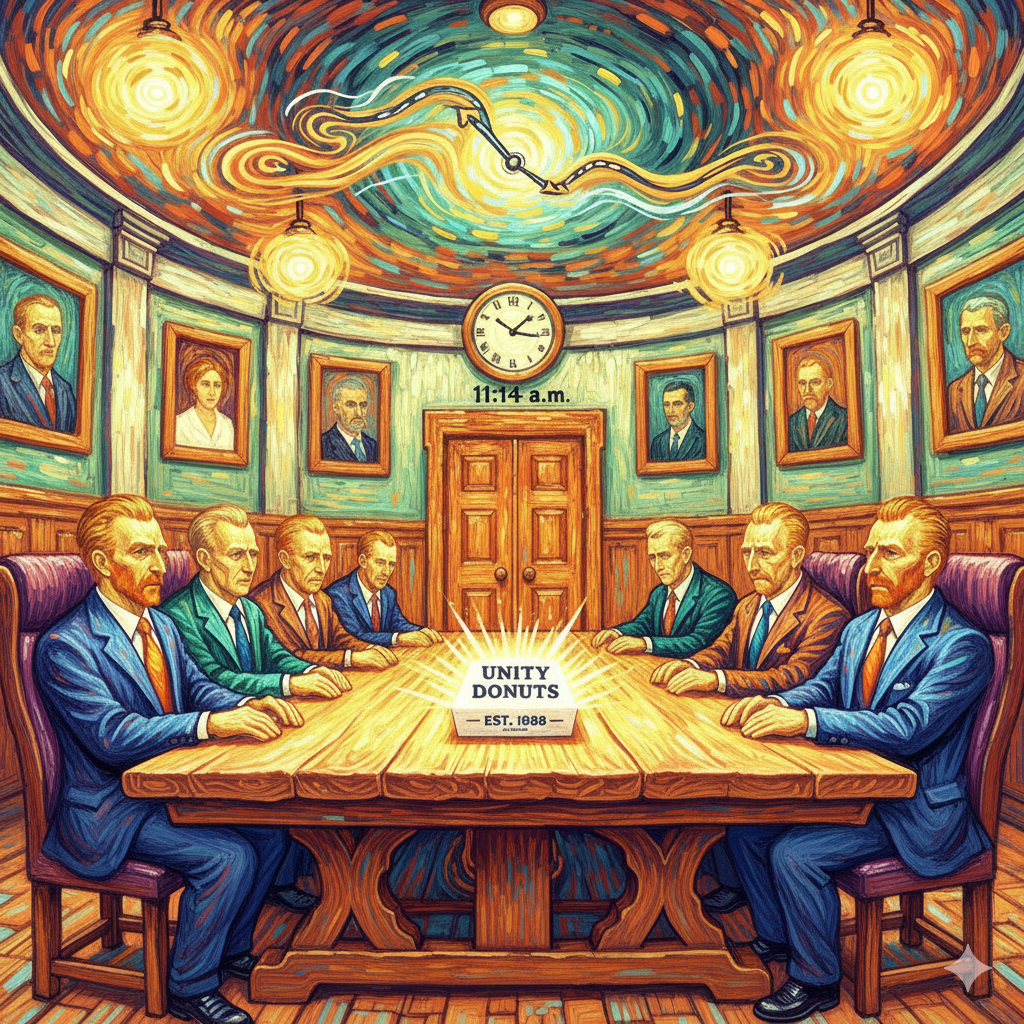
A special “Emergency Budget Meeting” was called. Attendance was full—for the first time in years. The agenda:
-
A vote to reinstate the budget.
-
A vote to approve back pay.
-
A motion to adjourn early for lunch.
The entire process took 14 minutes.
The only opposition came from resident Edna Purvis, who argued passionately that “government efficiency has never been higher than during this shutdown.”
She proposed a motion to “shut it down again just to keep things running smooth.” It received notable public support, though technically the meeting was already adjourned.

V. The Emergency Meeting
VI. Epilogue: The Best Government Is No Government (Apparently)
Two weeks after the government “reopened,” no one could tell the difference—except the parking lot was cleaner, and the local paper mill accidentally received an order for 600 new budget forms.
Mayor Land (referred to locally as “the guy who mostly signs things”) was last seen hosting a ribbon-cutting for the “Government Appreciation Garden,” which consisted of three plastic chairs, a potted fern, and a plaque reading:
“In honor of two months of peace and quiet.”
And thus, Sequatchie Crossing became the first town in Tennessee to accidentally prove that sometimes, when government takes a break… everything else just keeps humming right along.
VI. Epilogue – The Best Government Is No Government
Key Takeaways
-
Moral of the story: Bureaucracy is like coleslaw at a church picnic—you’ll miss it only if it’s gone too long.
-
Local wisdom: Never interrupt something that’s not working by working again.
-
Tourism slogan (proposed): Sequatchie Crossing—Where Government Went on Vacation, and Nobody Complained.

Disclaimer – The Budget That Never Was and Apparently Never Needed to Be
DISCLAIMER
All characters, events, and institutions in this story are entirely fictional and exist within the satirical world of Sequatchie Crossing. Any resemblance to real people, towns, or local governments is purely coincidental — though we can’t rule out the possibility that your town may have accidentally done the same thing.
This story is intended for entertainment and humor. No actual governments were harmed, closed, or improved in the making of this article.
Real Places Behind the Ruckus – From The Dunlap Directory
Real Places Behind the Ruckus – From The Dunlap Directory
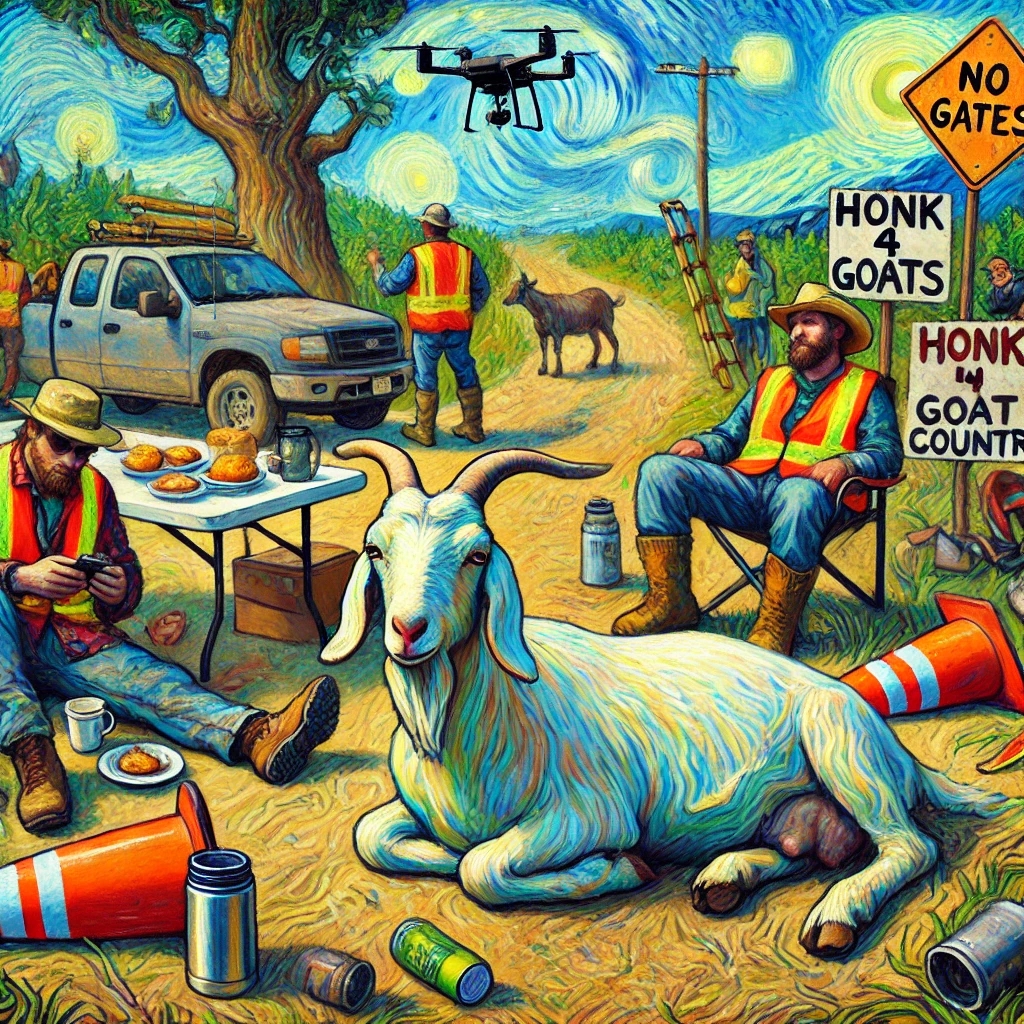
Yes, this story was fictional; even the parts that weren’t true. These places? Absolutely real. Stop by, support local, and keep the Wi-Fi away from livestock:
- W N Lofty Grading & Paving Co
- Sanders Associates
- Kosha Hibachi Chattanooga
- Flour & Bloom
- Jim Garren – State Farm Insurance Agent
- Sequatchie County Waste Tire Recycling Station
- Greenehouse Children’s Center
- The Game Shack
- United Country Southeast Land Solutions
- Impact Athletics Co.
- Dog Whisperette
- Little Caesars
- Tennessee Cumberland Plateau Campground
- Fast Pace Health
- Legend Wine And Spirits
- Tacos El Valle
- Standifer Orthodontics
Real Places Behind the Ruckus – From The Dunlap Directory
At Sequatchie Crossing, we tell the stories of Sequatchie Crossing.
Please share this post with your friends, family, or business associates who may want follow the news from Sequatchie Crossing.

0 Comments