


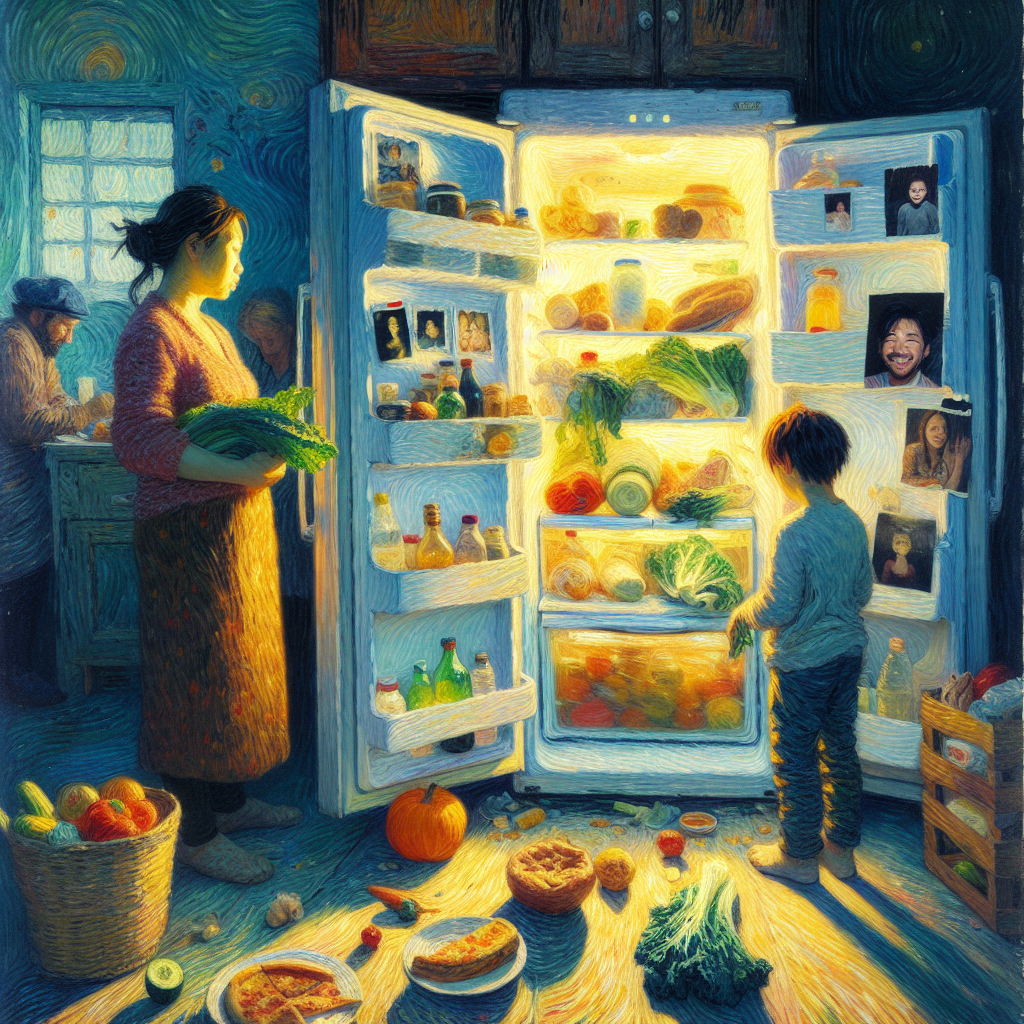
Sequatchie Crossed The Line Between Cool and Chaos When The Power Gave Out
By Tom Seest
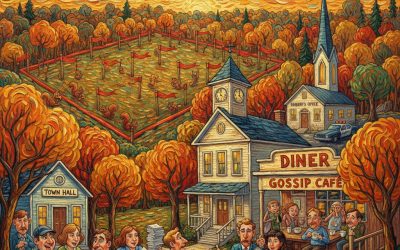
At Sequatchie Crossing, we tell the stories of Sequatchie Crossing.
Please share this post with your friends, family, or business associates who may want help telling the stories of their legacy.
🎤 Audio Overview
The Day The Fridge Went Feral
It began the way most Sequatchie crises do: too quietly. Friday the 13th of June, just as Maggie Sue Dillard was ladling her sin-erasing gumbo into mason jars for her weekly “Forgiveness Friday” pie lineup, the lights flickered once, twice, then sputtered into the sort of darkness that felt biblical.
At 11:25 PM, Sequatchie Crossing lost power.
By 11:31 PM, Pastor Peeler was already three verses into a sermon called “The Light Shall Not Be Artificial,” delivered from the front porch of First Unaffiliated Missionary Temple, megaphone powered by faith and nine C batteries.
Boot Barnes emerged from his porch fortress wrapped in suspicion and carrying his 1987 emergency candle kit, muttering about “infrastructure conspiracies” and “unsanctioned voltage alignment.”
Over at the Yoga Glade (officially renamed The Root Lounge by Brett and Alyssa Crenshaw), Alyssa sensed a vibrational disturbance. Their solar smoothie kiosk, programmed to play ambient whale sounds with every pour, now emitted only static and half a chant. Brett tried to reboot it using moon water and a backup chakra crystal. Nothing. They blamed Mercury, retrograde or not.
The outage was town-wide.

The Day The Fridge Went Feral
By 12:04 AM, Clovis Strickland had declared martial law on his ham radio channel and offered sanctuary inside his bunker refrigerator, which he had stocked entirely with canned sardines and string cheese labeled “noncompliant but immortal.”
Chester Ray Blevins taped an official paper notice (laminated, of course) on the door of Blevins Copy & Print:
“Due to the digital fragility of modernity, we are offline. But we are not out of toner.”
Meanwhile, over at the Dillard Diner, the late night gumbo was fine, the pie held, but the fridge… it wept. Maggie Sue took a ladle to the back, swirled a test sample from a container labeled “Pork Intuition,” sniffed it once, then said, “This meat has two hours before it testifies against me.”
Evelyn Grace Tipton, in her modest lace gloves and editorial frown, declared the potato salad to be in a “state of aesthetic and microbial uncertainty.”
A town-wide fridge check was declared by 1:00 AM. Not officially, but spiritually.
The Day The Fridge Went Feral
By 2:30 AM, residents had gathered outside the Town Pavilion in what could only be described as a hybrid event: equal parts potluck, FEMA briefing, and nostalgia therapy. The parking lot was full of folding chairs, portable fans that didn’t work, and at least one inflatable kiddie pool full of melting popsicles.
Coach Freddie called the gathering a “Gridiron Grit Readiness Review.”
“Folks,” he hollered, whistle dangling from one hand and an expired mayonnaise tub in the other, “If your fridge ain’t got the grit to survive six hours without a power nap, then neither do your casseroles.”
Sister Lila Mae Pruitt brought olive oil and a tambourine, demanding to sanctify every fridge-to-pot transfer. A small group joined her in a revival of sorts, waving paper fans and shouting scripture over tuna salad.
Clovis Strickland arrived in full ham radio gear, waving a Geiger counter and claiming the outage was “caused by an alliance between smart meters and rogue pigeons working for the Big Dam Power Company.”
Maggie Sue solemnly announced that the refrigerated roadkill she kept for stew experiments had officially “crossed over.”
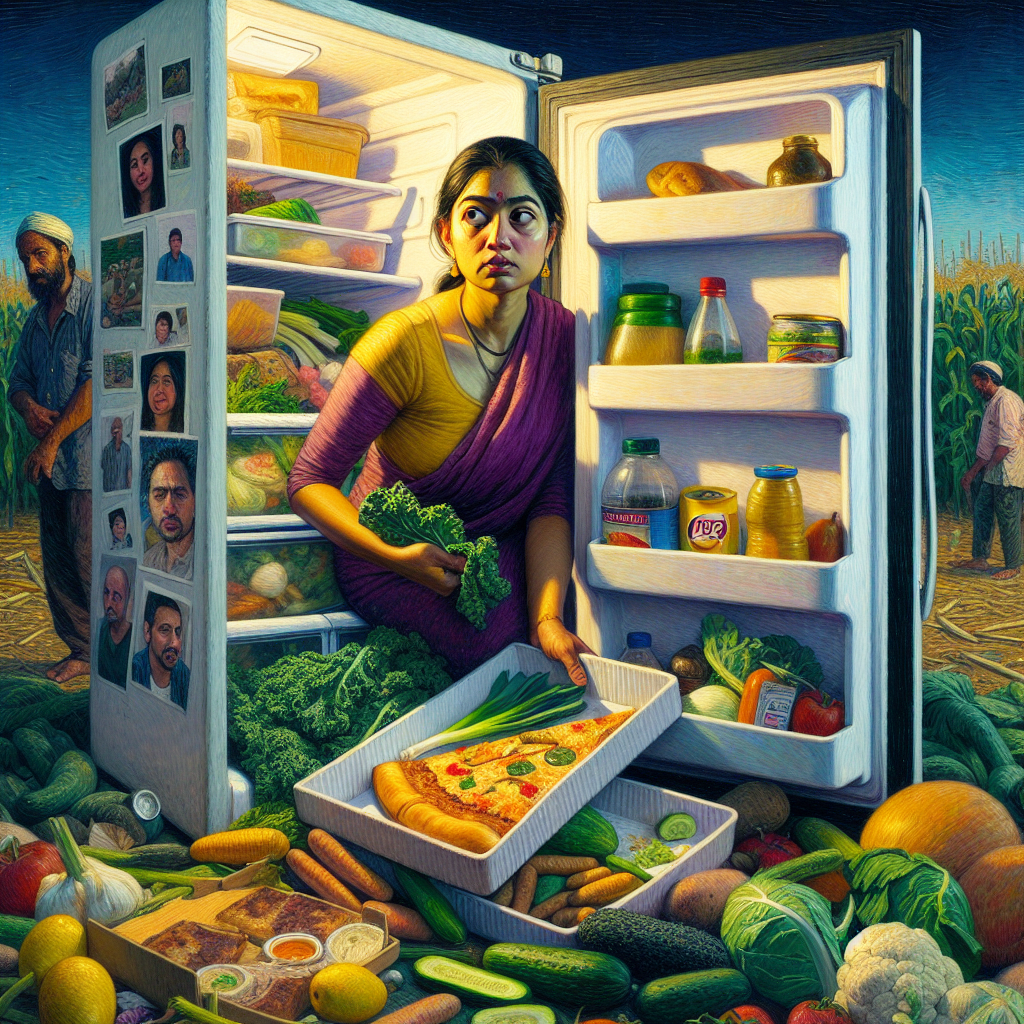
At 4:44 AM, Tiffany Roark live-streamed herself biting into a quiche brought by Shelley Wexler, tagged #PowerlessButPretty. Moments later, Tiffany—still streaming—sprinted behind the portable stage with what she later described as a “chakra-driven digestive protest.”
The footage hit 17,000 views. Within minutes, Evelyn Grace Tipton slipped a revised obituary draft into Tiffany’s purse, titled: “She Glimmered Bravely Into the Cheese Void.”
Meanwhile, Brett and Alyssa attempted a spontaneous “power alignment circle” with kombucha mist and hand drums. They managed to summon three deer, a confused crow, and what Clovis insisted was a surveillance possum.
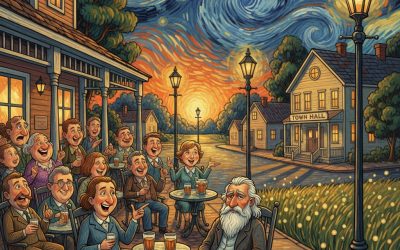
At this point, the generous fireflies of Sequatchie arrived in droves. For a full twenty minutes, they provided more illumination than the Big Dam Power Company ever had during town hall renovations.
Dr. Neil Cowgill delivered a lecture on symbolic darkness and the collapse of shared civic rituals through a portable speaker, which promptly died midway through his third reference to Durkheim. Nobody noticed.
Boot Barnes began reading aloud from a binder labeled “Municipal Power Outages, 1972–1999” until interrupted by RT Mullins, who offered to sell emergency ice cubes, three for $5, from his backup cooler. He accepted cash, Venmo, and emotional bribes.
Meanwhile, Doughboy Teeter launched a drone-mounted solar panel tethered to a wagon full of frozen mozzarella sticks. The drone caught fire above the gazebo, singeing Brett Crenshaw’s auric fringe and briefly setting the ceremonial compost pile aflame.
Coach Freddie took it as a sign to begin wind sprints.
Sister Lila Mae attempted to exorcise the grill.
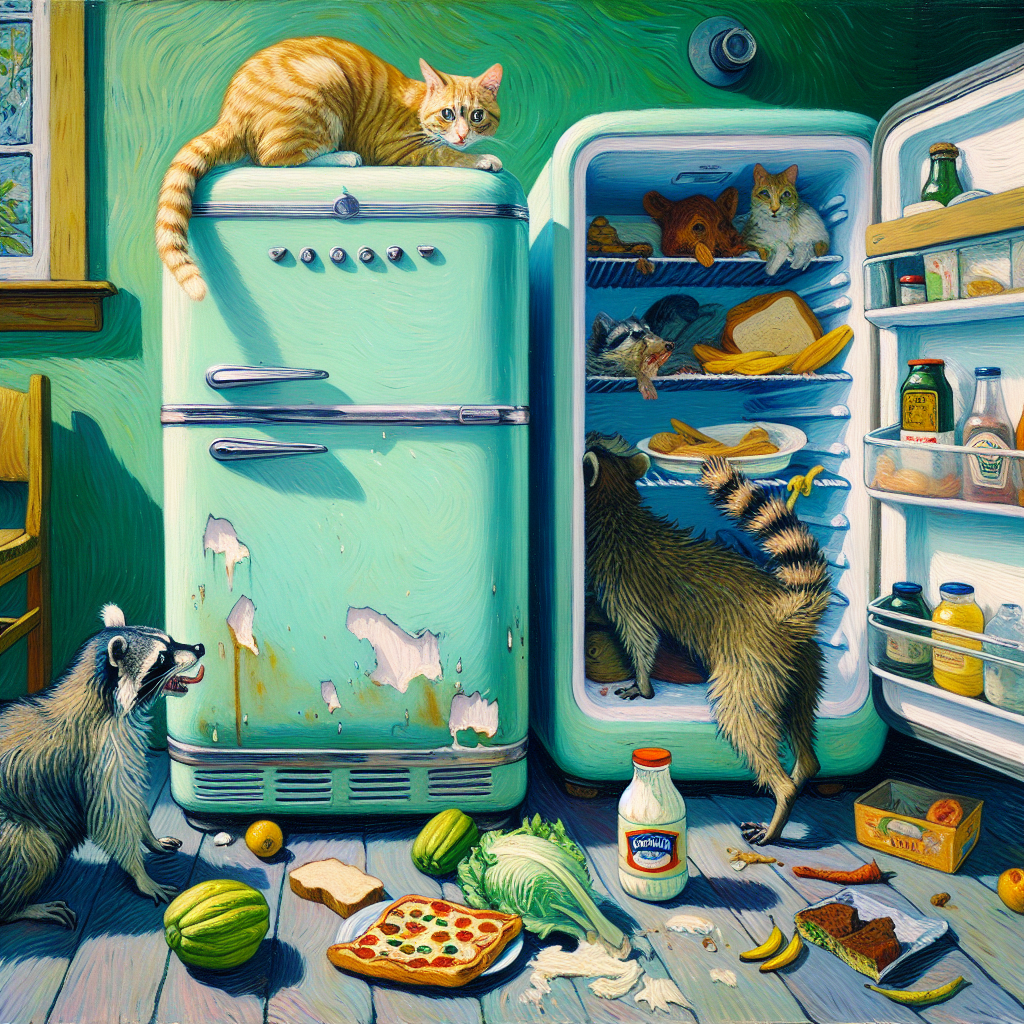
At exactly 5:25 AM on Saturday, the power hummed back on. Not with a roar, but with a quiet flicker of municipal guilt and distant TVA apology.
Evelyn Grace Tipton’s lace fan resumed its gentle whir.
Boot’s iPad (disguised in a Reader’s Digest jacket) dinged with a pigeon migration alert.
The Root Lounge let out a sound best described as a belching monk.
And Maggie Sue’s pork intuition finally turned.
Trixie Jo Bartlett emerged at sunrise, holding a glitter-dusted proclamation declaring the outage “a teachable moment in resilience, refrigeration ethics, and municipal aesthetics.”
Lurleen Davenport filed a handwritten complaint about the uneven candlelight during emergency prayer, citing “optical disharmony in crisis zones.”
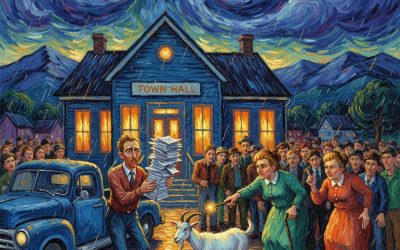
And Chester Blevins, eyes red from laminating by flashlight, proudly hung a flyer on Town Hall:
“Outage survived. Dignity compromised. Ink reserves: Strong.”
Sequatchie Crossing may not have a robust grid, but it does have a town-wide Tupperware intuition, a quorum of casserole testers, and exactly one drone-certified mozzarella escape system. Also: fireflies are better than floodlights, if you squint.
And that, friends, is resilience.
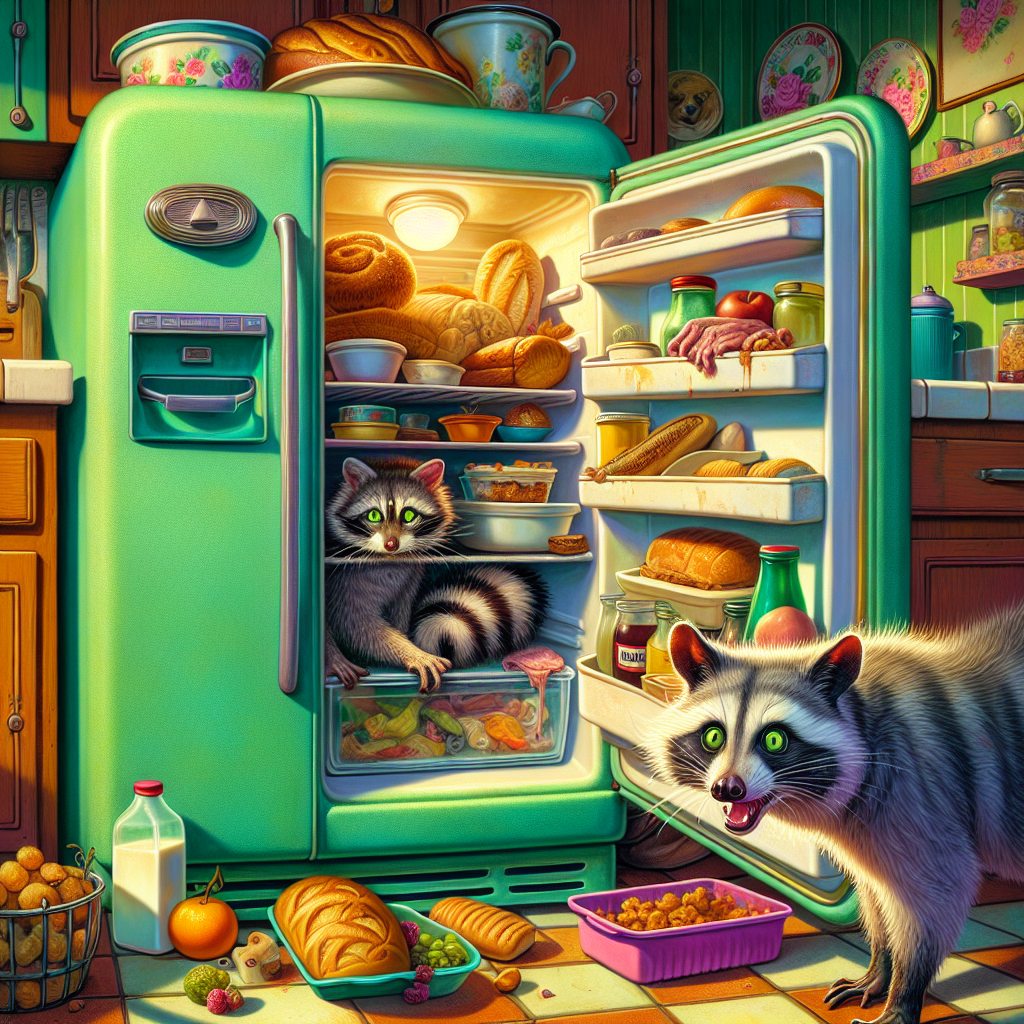
At Sequatchie Crossing, we tell the stories of Sequatchie Crossing.
Please share this post with your friends, family, or business associates who may want help telling the stories of their legacy.
Disclaimer: This story is 100% fictional and entirely unverified. Any resemblance to real people, living or just stubborn, is purely accidental—but also maybe a little flattering. Sequatchie Crossing exists only in the minds of those brave enough to imagine a town where zoning laws, casseroles, and conspiracy cassettes collide in glorious disarray. If you recognize yourself in here, maybe check your fridge, your drone permits, and your emergency casserole ethics. Also: Tiffany’s fine…

0 Comments