


A Deep Dive Into Who Gets Labeled too Loud
By Tom Seest
At Sequatchie Crossing, we tell the stories of Sequatchie Crossing.
Please share this post with your friends, family, or business associates who may want follow the news from Sequatchie Crossing.
🎤 Audio Overview
The Silent Majority Asked to Speak, Then Asked to Stop
Act I – The Problem of Silence (As Identified by the Loud)
For years – no one could quite remember how many, but everyone agreed it had been too many – the central complaint in Sequatchie Crossing had been civic silence.
“People just don’t care anymore,” said people who cared very much about saying that.
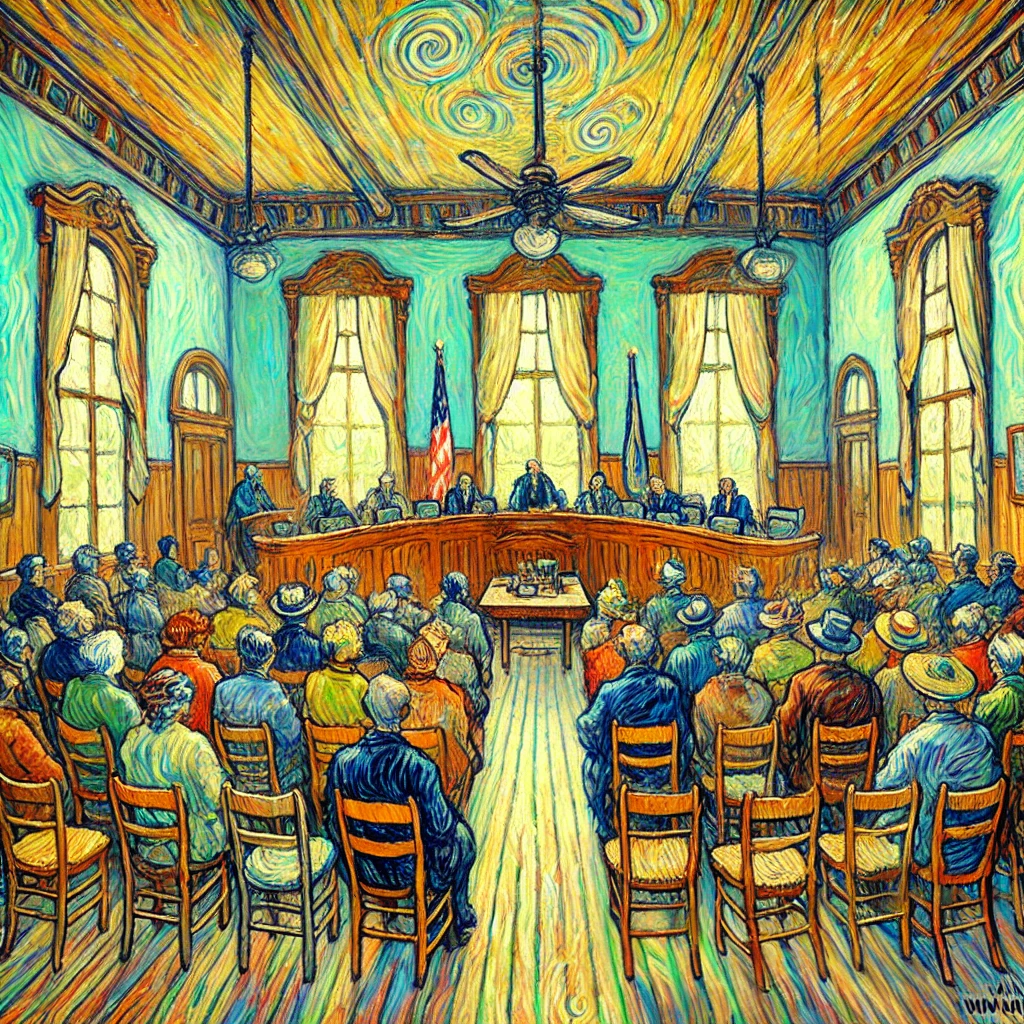
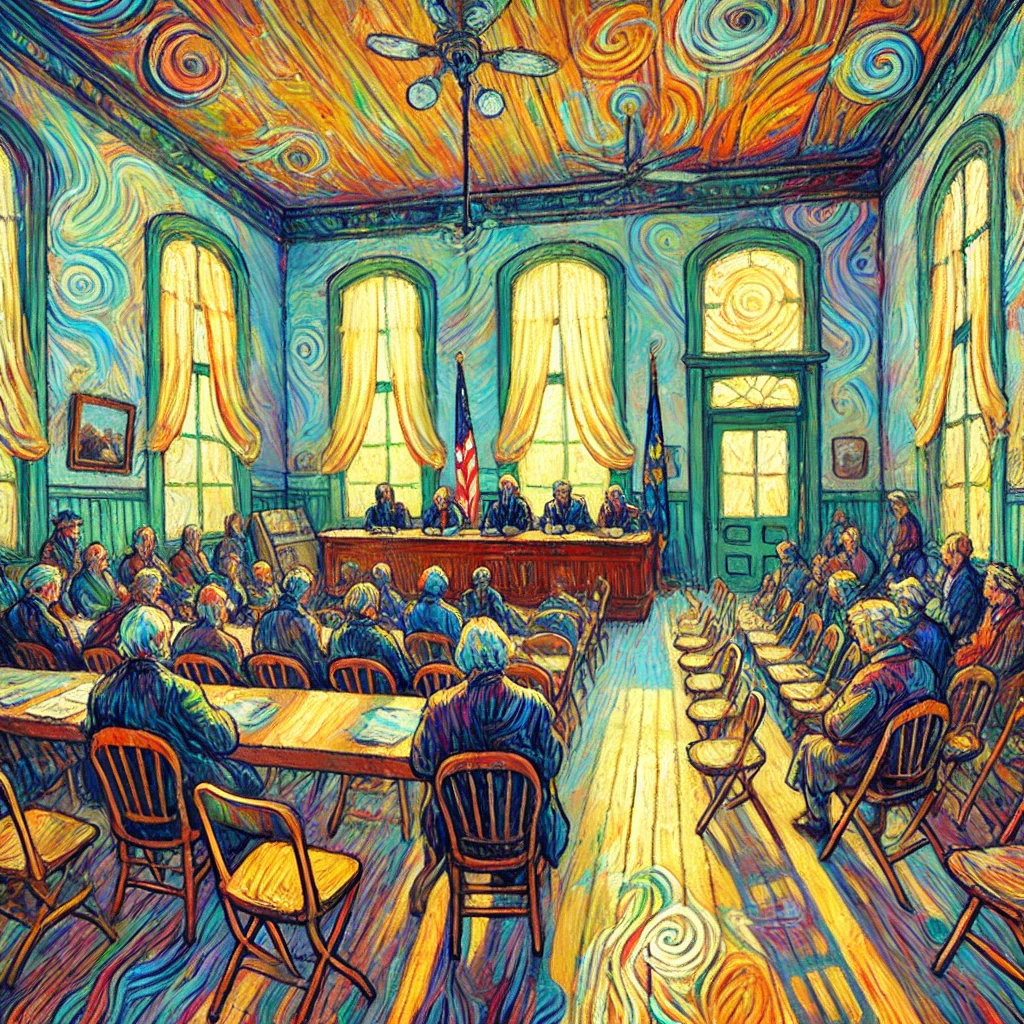
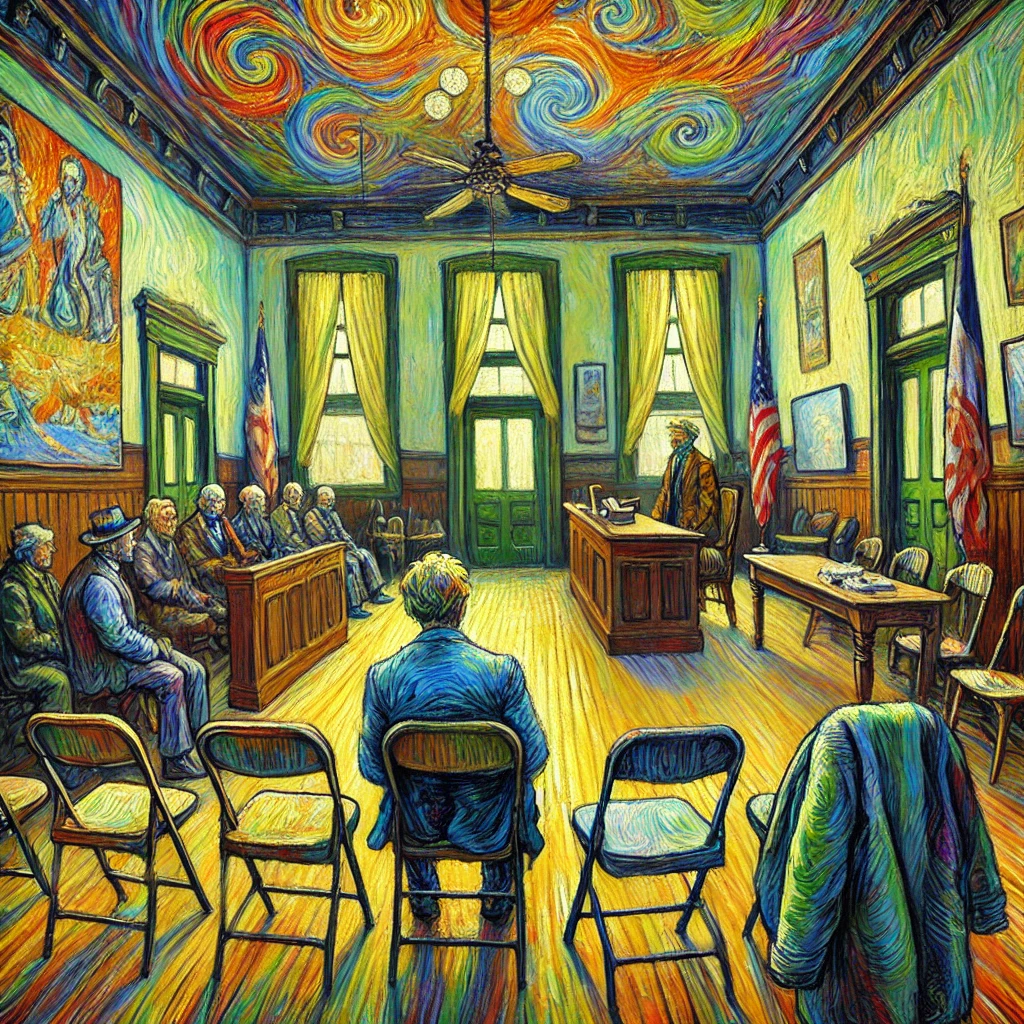
Attendance at town meetings hovered somewhere between “symbolic” and “accidental.” The same five folding chairs were set up each month, and the same four of them were used. The fifth was for coats. Or sometimes for Clovis Strickland, who insisted on sitting sideways, as though prepared to leave at any moment should the meeting take an unexpected turn toward productivity.
Letters to the editor were scarce. Comments on official announcements were even scarcer. The town Facebook group existed, but mostly as a place where people posted weather photos five hours after the weather had already happened.
The diagnosis was unanimous: apathy.
“It’s the silent majority,” folks said.
“They don’t show up.”
“They don’t participate.”
“They don’t say anything.”
This silence was treated like a moral failing. It was discussed with the same tone usually reserved for overgrown weeds or teenagers who didn’t wave back.
At council meetings, speakers regularly lamented the absence of voices.
“We’d love input,” said the mayor, earnestly, into a microphone that had been tested twelve times already that evening.
“We just wish more people would get involved.”
The phrase get involved floated around town like an open invitation taped to a locked door.
No one questioned whether the door was actually open.
Act I – The Problem of Silence
Act II – Outreach Season
Eventually, Sequatchie Crossing decided to do something about the silence.
This was known as Outreach Season, though it mostly consisted of strongly worded encouragement.
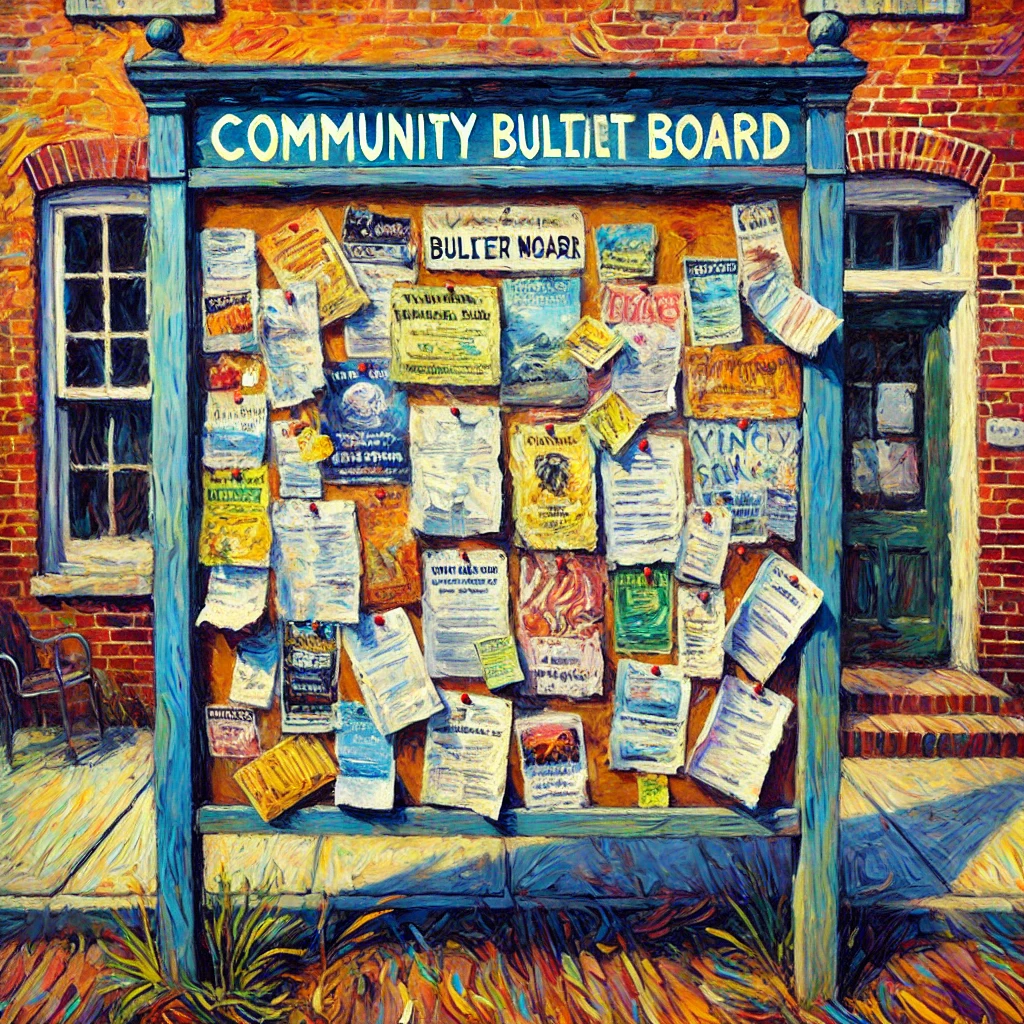
Flyers appeared in windows:
YOUR VOICE MATTERS
COME TO THE NEXT MEETING
The flyers did not specify what the meeting was about. They did not list an agenda. They did not say whether anyone would listen. But they were laminated, which gave them authority.
A social media post followed:
“We can’t fix things if nobody speaks up.”
This post received 47 likes, mostly from people who had already spoken up plenty.
The mayor gave an interview to the local radio station (which no longer reached half the valley but was still quoted out of habit), explaining that the town was eager to hear from residents.
“We’re listening,” he said, leaning forward for emphasis.
“We just need folks to come to us respectfully.”
The word respectfully landed gently, like a warning disguised as a hug.
And then – slowly, hesitantly – the silent majority began to stir.
Act II – Outreach Season
Act III – The First Voices
It didn’t start dramatically.
It never does.
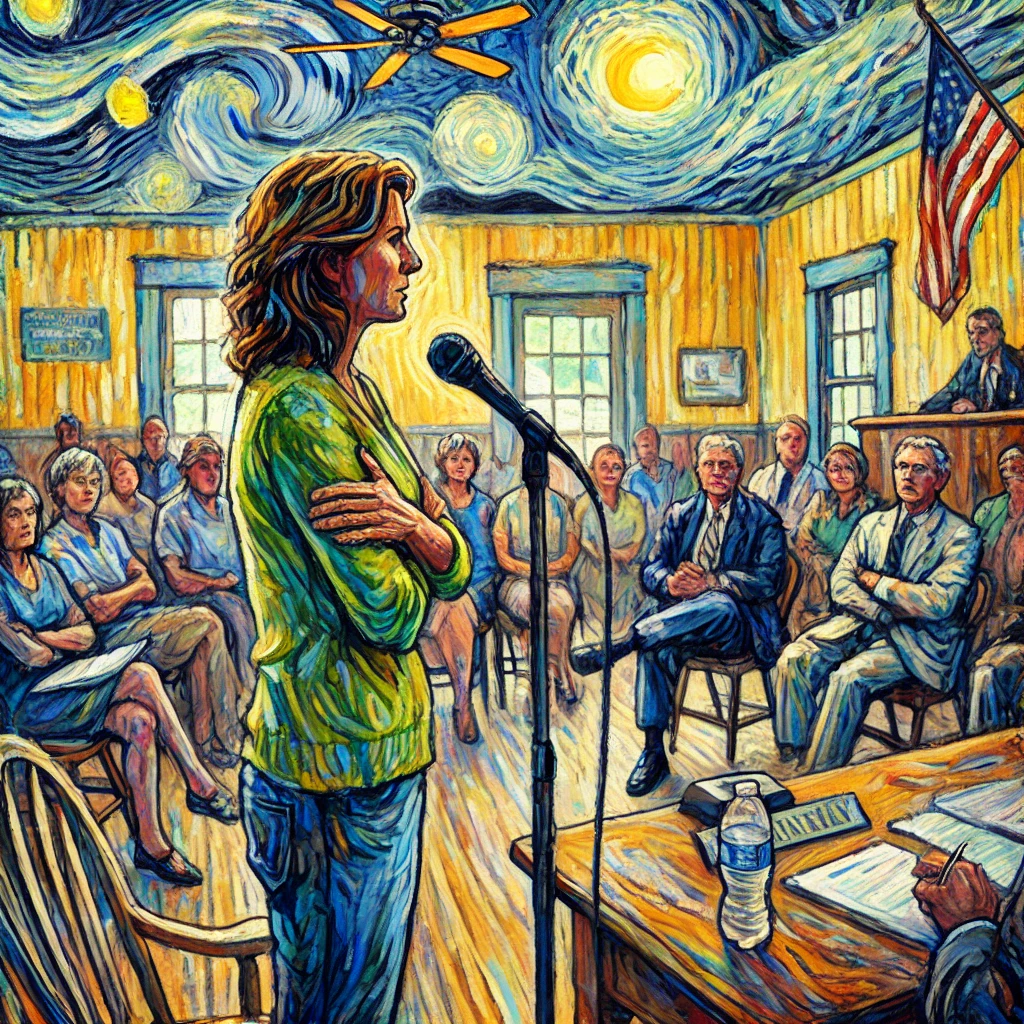
A woman named Lila stood up at a meeting and asked why the road near her house had been patched four times but never fixed.
A man named Gerald sent an email asking about property tax assessments that seemed to rise even when nothing else did.
Someone else posted a polite comment asking why a new committee had been formed to “study” a problem that had already been studied by three previous committees, one of which had produced a binder no one could now locate.
Act III – The First Voices
These were not rants.
They were not insults.
They were questions.
The room shifted.
Council members exchanged looks – not alarmed, exactly, but alert, like dogs who had heard a sound they weren’t sure was real.
“Well,” someone said, “that’s a lot to unpack.”
It wasn’t. But saying it bought time.
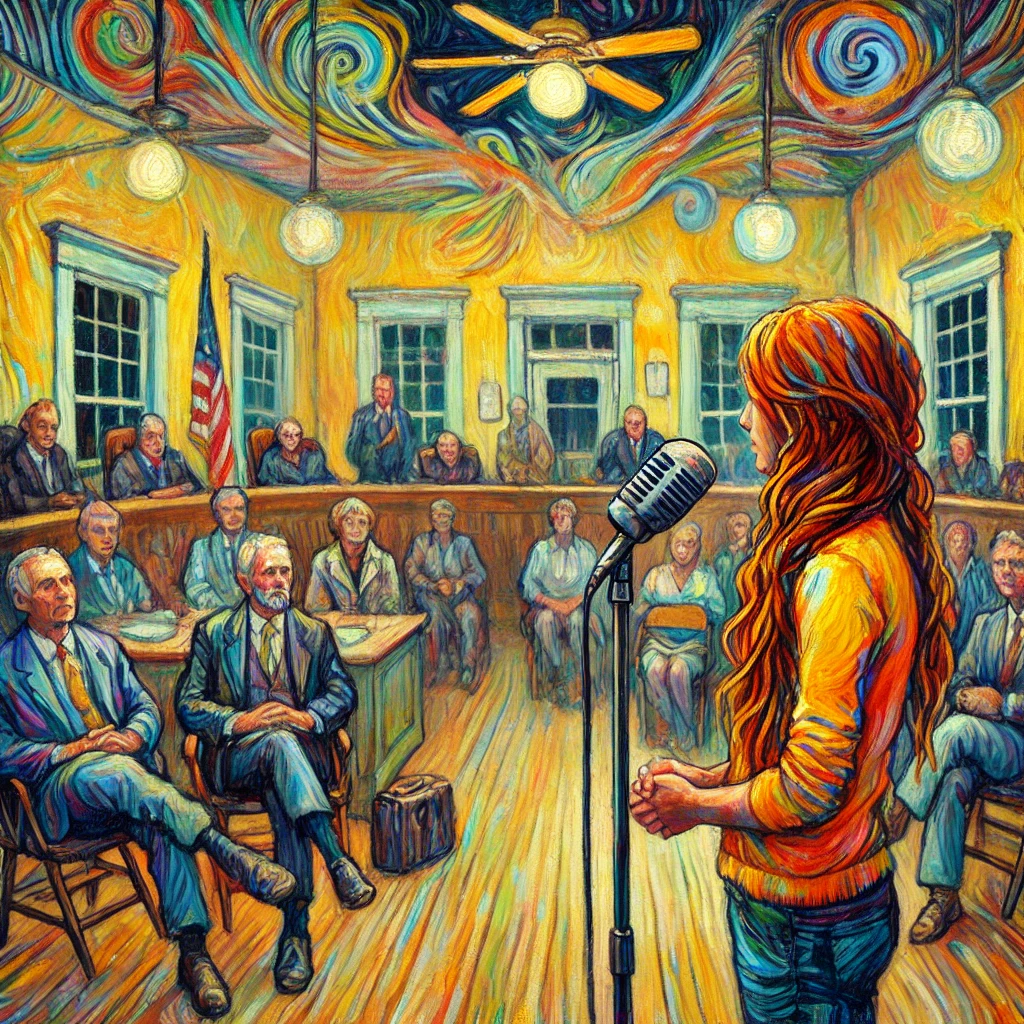
More people spoke. Still politely. Still calmly. Still unsure whether they were doing this right.
Each speaker prefaced their comments with reassurance.
“I’m not trying to cause trouble.”
“I just want to understand.”
“I don’t mean this disrespectfully.”
They apologized for existing before saying anything.
This was noticed.
Act III – The First Voices
Act IV – When Participation Becomes a Pattern
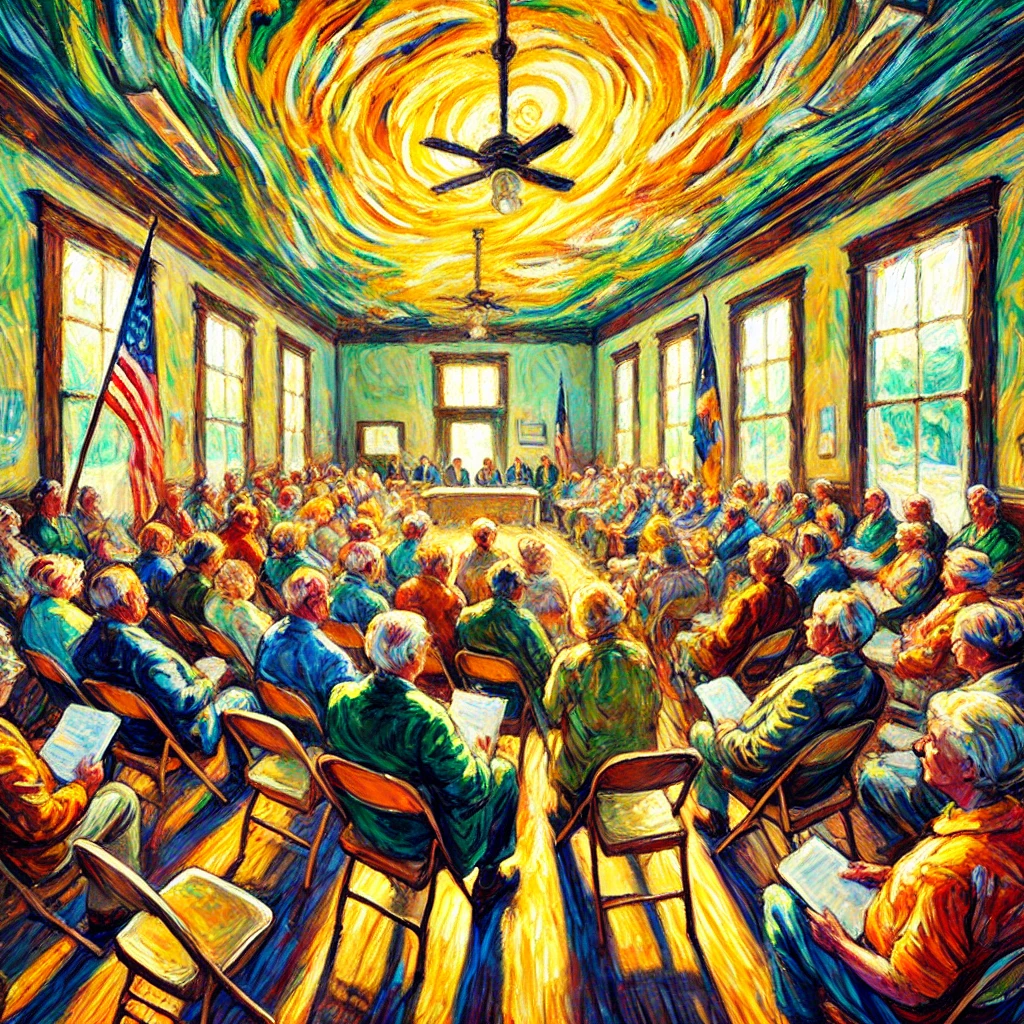
By the third meeting, participation had grown.
Not chaos – just presence.
More chairs were needed. Someone unfolded two from the storage closet, disturbing a stack of outdated maps and a single traffic cone whose purpose had been forgotten but whose importance was still assumed.
People began referencing previous meetings.
“As we discussed last month…”
“Following up on what was raised before…”
This was new.
The town was used to one-off complaints, not continuity.
Continuity implied memory.
Memory implied accountability.
The tone changed – not in volume, but in density.
Meetings ran longer. Agendas slipped. Side conversations emerged. Someone brought notes. Another person brought printouts.
The phrase “Let’s stay on topic” was deployed early and often.
The silent majority was no longer silent.
And that, it turned out, was a problem.
Act IV – When Participation Becomes a Pattern
Act V – The Birth of “Too Loud”
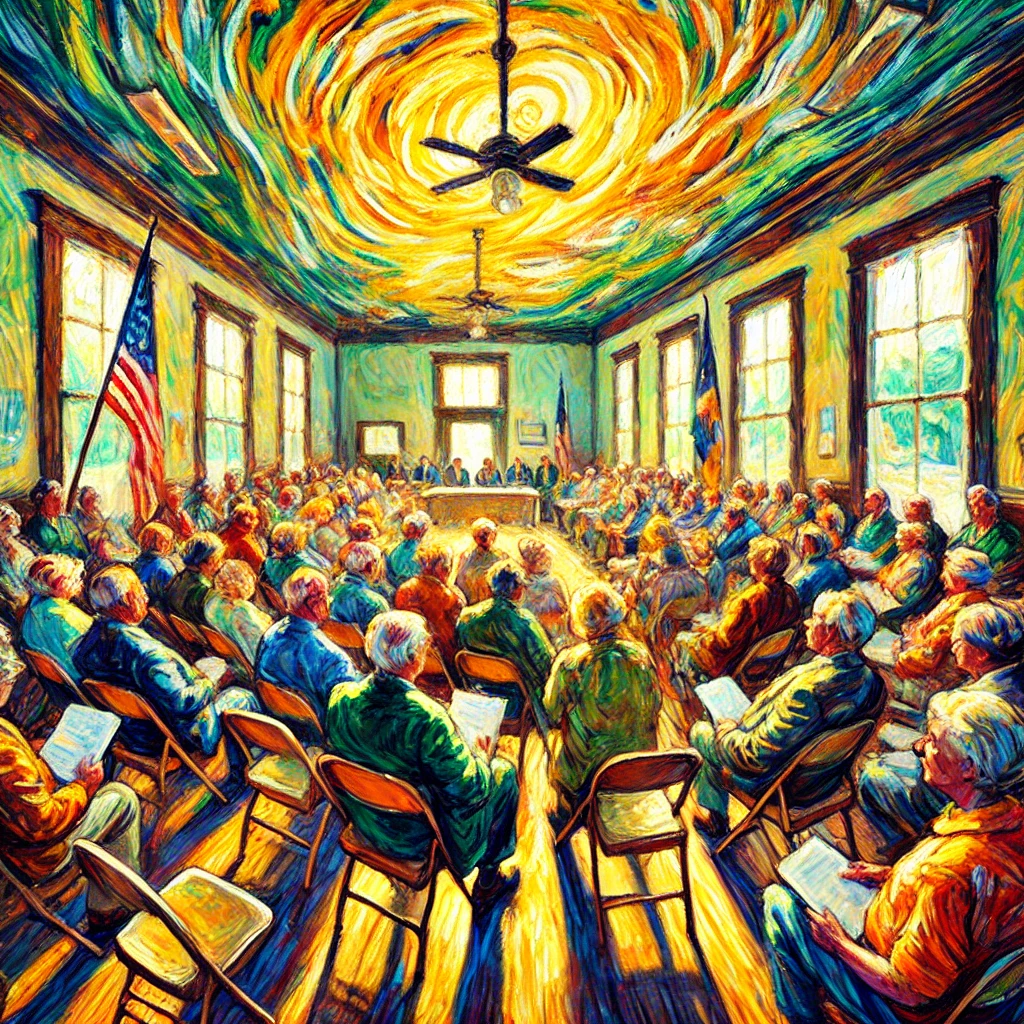
The first time the word loud was used, no one objected.
“We’re hearing a lot of loud voices lately,” said a council member, with a smile that suggested appreciation and concern in equal measure.
No one raised their voice at that meeting.
But loud had arrived, and it stuck.
It became shorthand for something harder to say:
Persistent.
Prepared.
Uncomfortable.
Soon, the phrase a vocal minority began circulating.
It was unclear how many people qualified as a minority, but it was clear they were now being counted.
Social media commentary shifted.
“Some folks just like to complain.”
“Why are the same people always talking?”
“Meetings aren’t supposed to be therapy sessions.”
This was curious, given that for years the complaint had been that no one talked.
Now the issue was who was talking – and how often.
Act V – The Birth of “Too Loud”
Act VI – Tone Policing, Local Edition
As engagement continued, so did guidance.
Residents were reminded to:
-
Keep comments brief
-
Avoid repeating points
-
Stay respectful
-
Trust the process
The process, however, remained undefined.
A new rule limited public comment time. Another required comments to relate directly to agenda items, which were written broadly enough to exclude anything specific.
Someone suggested forming a subcommittee to gather feedback “offline.”
Offline turned out to mean quietly.
A woman who had spoken three meetings in a row was gently advised to “let others have a chance,” despite the fact that others were not raising their hands.
A man who asked a follow-up question was told, “We’ve already addressed that,” even though no one could recall when.
The word passionate began appearing in official summaries.
“Several passionate residents spoke.”
Passionate, here, meant inconvenient.

Act VI – Tone Policing
Act VII – The Return of the Silent Majority (As a Concept)
Ironically, once people began speaking, the silent majority returned – but now as a rhetorical tool.
“We have to remember the silent majority,” officials said, gesturing vaguely outward, as though toward an invisible crowd who definitely agreed with them.
This silent majority:
-
Did not attend meetings
-
Did not comment
-
Did not email
-
But was assumed to be watching approvingly
Anyone who spoke too often was accused of not representing them.
The silent majority had opinions, apparently – but only the right people could infer them.
This was comforting.
Silence was once again valuable.
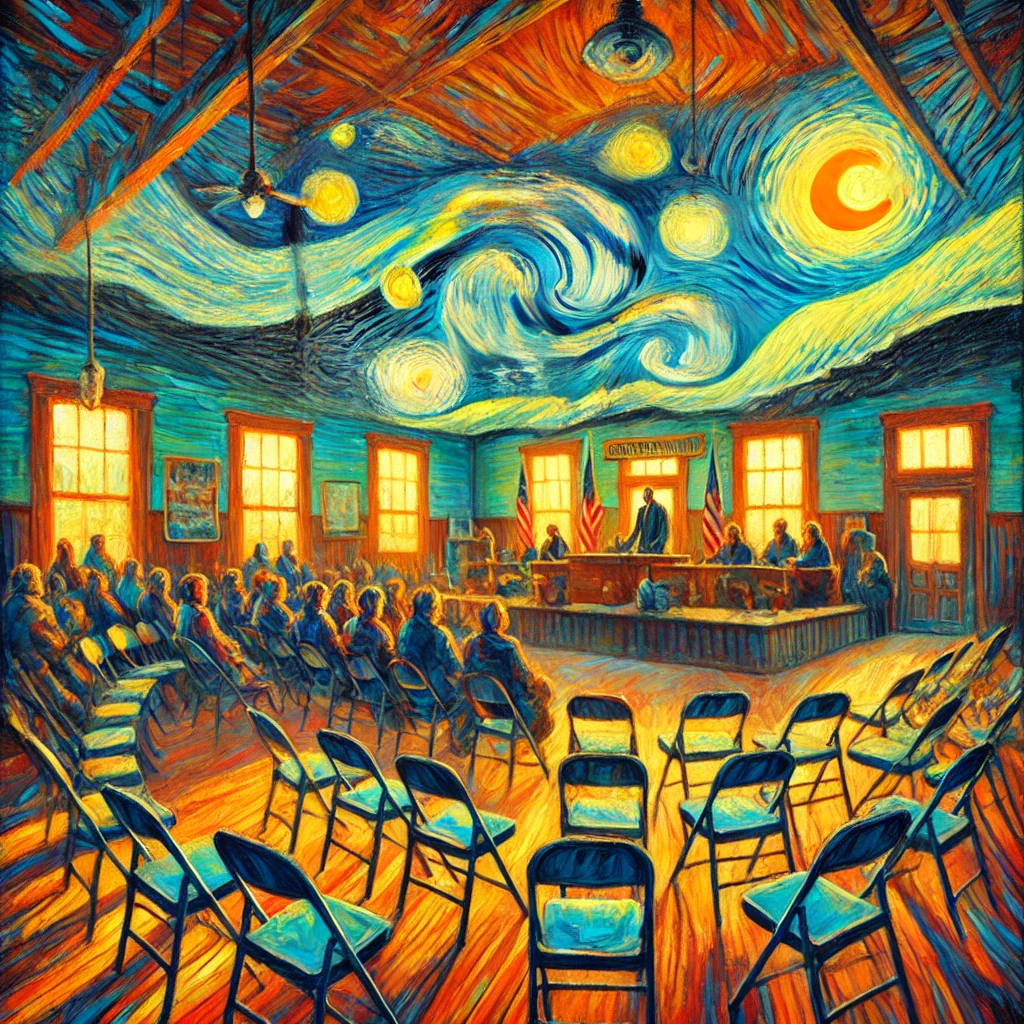
Act VII – The Return of the Silent Majority
Act VIII – Burnout and Withdrawal
Some speakers stopped coming.
Not because they were heard – but because they were tired.
They had learned the rules too late.
Speak, but not too much.
Ask questions, but not follow-ups.
Care, but quietly.
A few wrote final emails.
“Thanks for listening,” they said, though it wasn’t clear anyone had.
Meetings grew shorter again. Chairs went unused. The fifth folding chair returned to coat duty.
The problem of silence quietly resumed its original position.
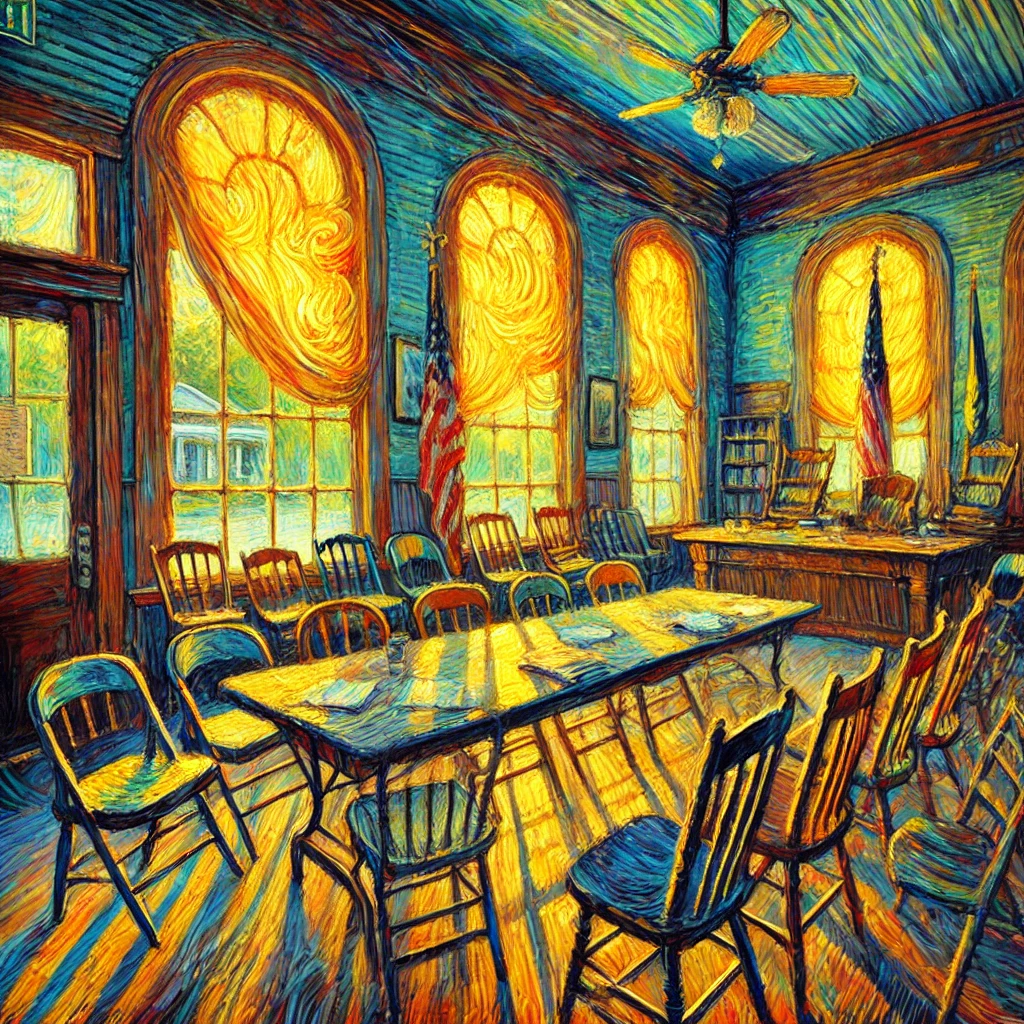
Act VIII – Burnout and Withdrawal
Act IX – Official Reflections
At the end of the year, Sequatchie Crossing released a community engagement report.
It praised transparency.
It praised dialogue.
It praised listening.
It noted that “public participation remains a challenge.”
No mention was made of those who had tried.

Act IX – Official Reflections
Epilogue – The Volume Was Never the Issue
In Sequatchie Crossing, silence is praised until it breaks.
Speech is welcomed until it persists.
The loud are not measured in decibels, but in duration.
A single comment is feedback.
A pattern is a problem.
The silent majority is most useful when it stays silent.
And so the invitation remains posted – laminated, official, and slightly warped from the sun.
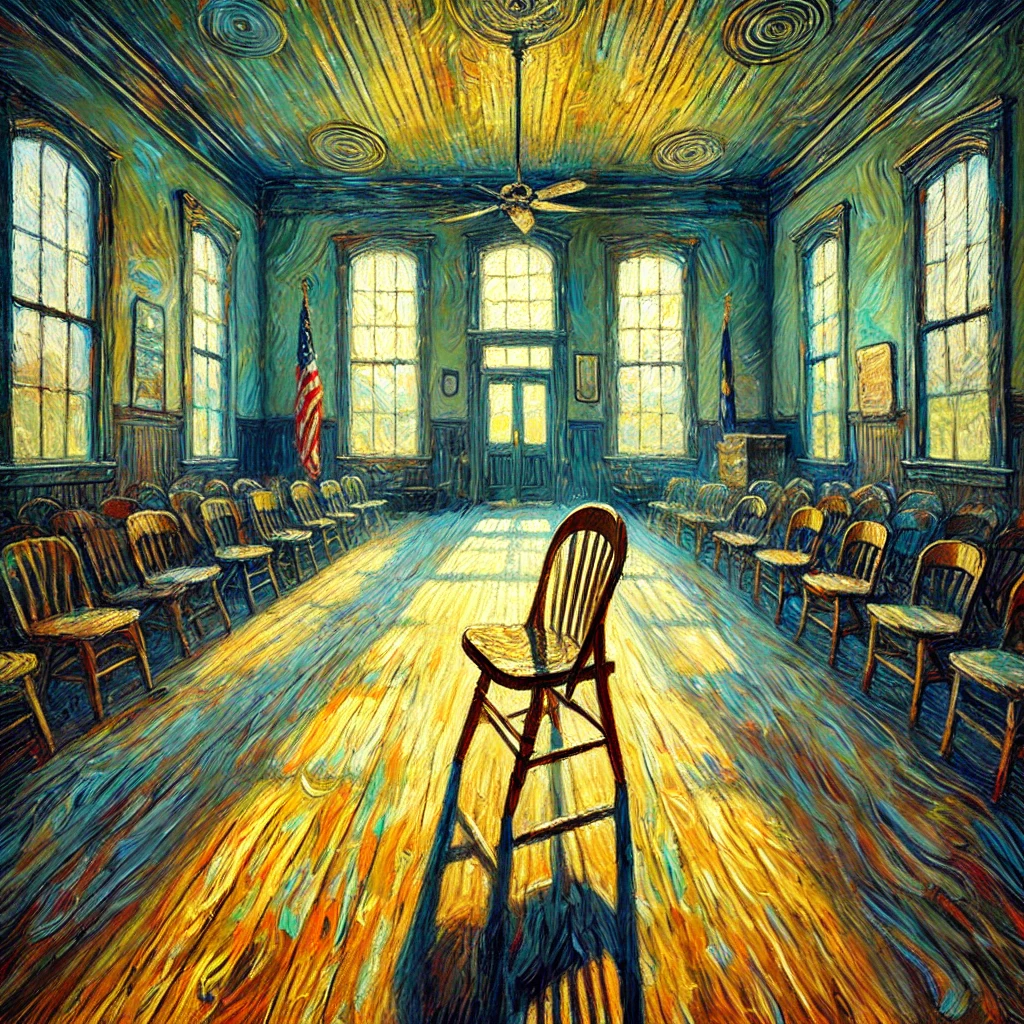
Epilogue – The Volume Was Never the Issue
Disclaimer
This story is a work of fiction.
Sequatchie Crossing is not a real town, though it may feel familiar to anyone who has attended a meeting, read a summary, or been thanked for their input shortly before it was set aside.
All characters, committees, chairs, and comment periods are fictional. Any resemblance to actual towns, officials, neighbors, or recurring public frustrations is coincidental – or the unavoidable result of systems that repeat themselves with impressive consistency.
The narrative is not intended to criticize civic participation, public service, or community engagement. It merely observes what can happen when silence is discouraged, speech is invited, and persistence is mistaken for volume.
No folding chairs were harmed in the making of this story.

Disclaimer – The Silent Majority Asked to Speak, Then Asked to Stop
Real Places Behind the Ruckus – From The Dunlap Directory
Real Places Behind the Ruckus – From The Dunlap Directory
Yes, this story was fictional; even the parts that weren’t true. These places? Absolutely real. Stop by, support local, and keep the Wi-Fi away from livestock:
- Bryans Painting & Decorating
- Hardee’s Dunlap
- Ponderosa Construction Company
- Rigsby Farm Equipment
- Shellmound Campground
- Jiffy Junction Market
- Colonial Cabins & RV Park
- Waldemar Design & Machine
- Carolyn’s Acres Farm
- Dunlap Grapevine 2.0
- Bledsoe Telephone Co-Op
- Montes Stone Products
- Hughes Produce Dunlap
- Cane Creek Camp
- Dennis Auto Glass Mobile Service
- The Grove at Center Point
Real Places Behind the Ruckus – From The Dunlap Directory
At Sequatchie Crossing, we tell the stories of Sequatchie Crossing.
Please share this post with your friends, family, or business associates who may want follow the news from Sequatchie Crossing.


0 Comments