


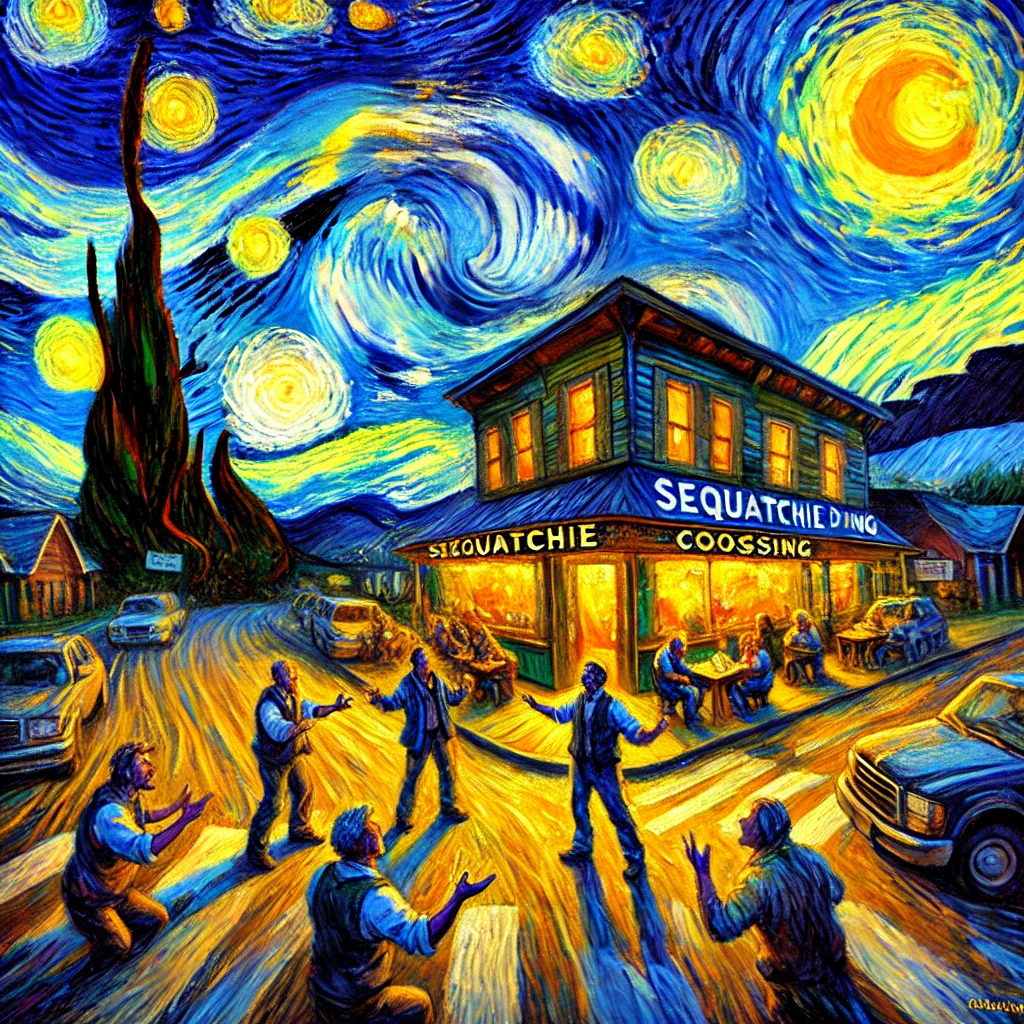
Locals Say Outsiders Should Stop Whining About Whining – Or Leave Quietly and Whine Somewhere Else
By Tom Seest
At Sequatchie Crossing, we tell the stories of Sequatchie Crossing.
Please share this post with your friends, family, or business associates who may want follow the news from Sequatchie Crossing.
🎤 Audio Overview
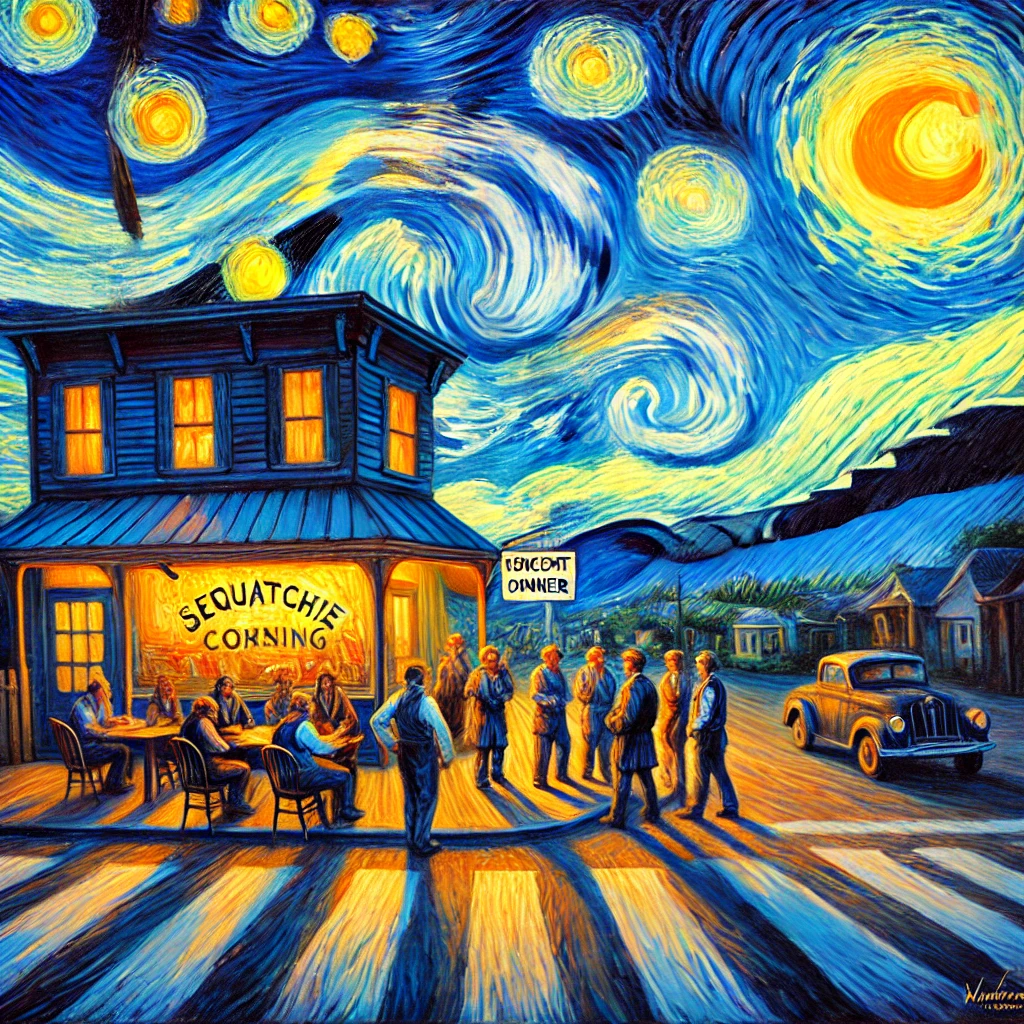
Complaining About Complainers Complaining
Act I – The Circle of Complaint
By nine o’clock Monday morning, Sequatchie Crossing was already in uproar — not over taxes or scandals, but over a pothole on Ridge Road.
A couple who’d just moved in from Knoxville posted a photo of it to Sequatchie Concerns & Solutions, captioned, “This could hurt somebody — who’s responsible for fixing it?”
Within a minute, Clovis Hargis fired back: “Nobody’s been killed yet. You don’t like it, move back to the city!”
That was all it took.
By lunchtime, the thread had reached 147 comments, 32 angry reacts, and three GIFs of people rolling their eyes.
The town split cleanly in two: the new folks who wanted change, and the old guard who considered change a form of treason.
That evening, in a fit of irony invisible to everyone involved, a new Facebook group appeared:
Locals Against Outsider Complaining.
Its cover photo showed Sequatchie’s Main Street circa 1978, captioned:
“Back When Folks Worked Hard and Didn’t Need to Type About It.”
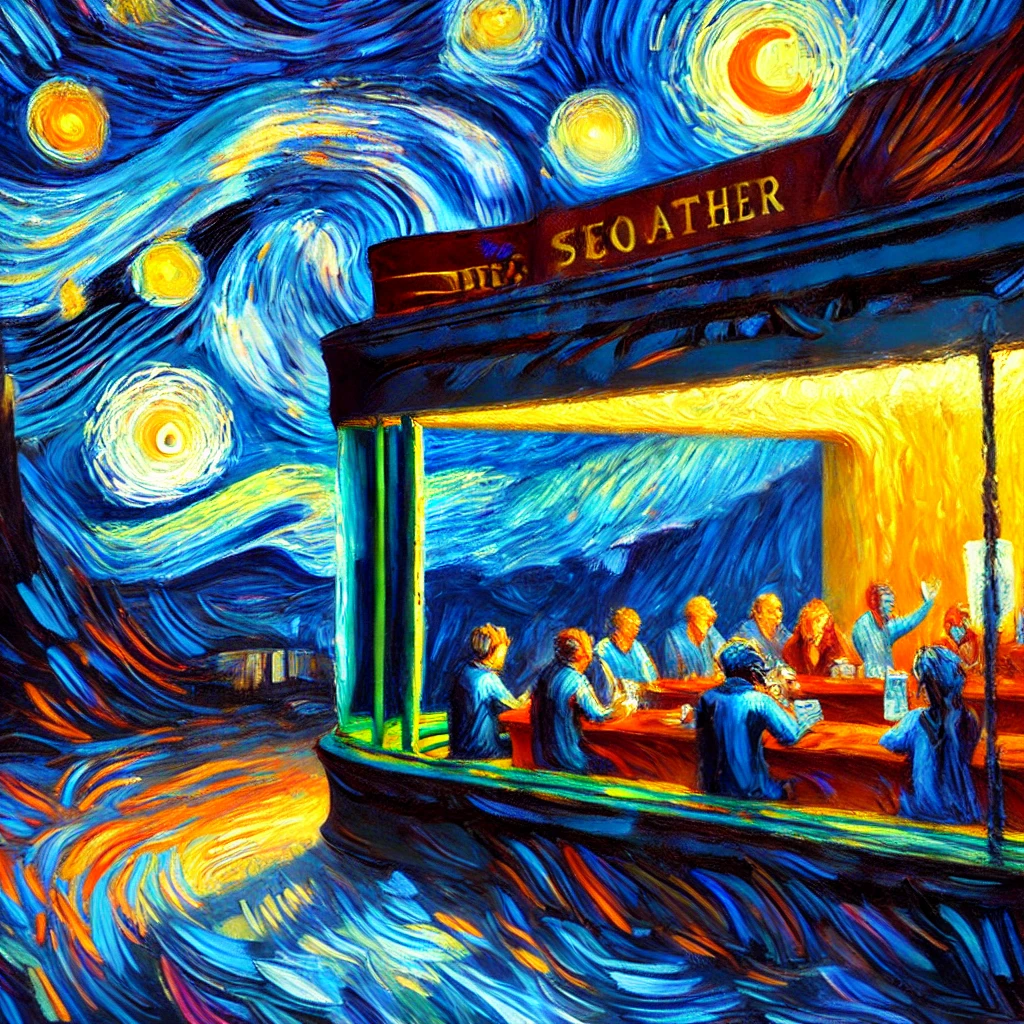
Act I – The Circle of Complaint
Act II – The Complaint Economy
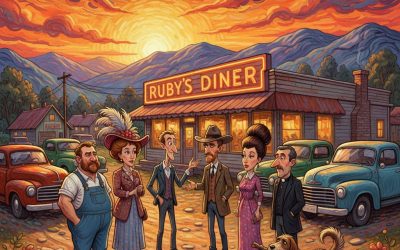
Loretta June, waitress at the Sequatchie Diner, had front-row seats to the uprising.
“Business is up 40%,” she told Boot Barnes while refilling his coffee. “Folks come in mad, talk loud, order pie, and forget their change. I call that local stimulus.”
Boot nodded, notebook in hand. “Sequatchie runs on diesel, caffeine, and grievances. It’s our three-fuel system.”
At the corner booth, Mabel Dean buttered her biscuit with grim precision.
“I don’t mind newcomers,” she said to no one in particular. “But you move here, you take the potholes with the blessings. It’s called balance.”
Across from her, Reverend Gentry scrolled through Facebook and prayed softly, “Lord, grant us serenity — and maybe Wi-Fi strong enough to delete this page.”
Sheriff Peeler stopped by for pie.
“You’d think folks would calm down after all that talk,” he said. “But I swear, complaining’s got an addictive curve steeper than moonshine.”
Loretta smirked. “You reckon we could bottle it?”
Boot didn’t look up. “Already done. It’s called Facebook Live.”

Act II – The Complaint Economy
Act III – The Meeting of the Grievance Committee
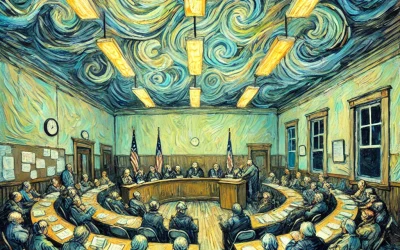
By Thursday, Mayor Dalton Creed decided it was time to lead.
He called a special town meeting at the Community Center — folding chairs, stale coffee, fluorescent lights buzzing like moral tension.
“Sequatchie Crossing,” he began, gripping the podium, “has always been a place where folks speak their minds. But lately, it’s become a bit too… expressive.”
A murmur rippled through the crowd.
“To restore order,” he continued, “I’m introducing the Complaint Permit Program. Each citizen may file three official complaints per month. After that, additional grievances will require a five-dollar fee and a signed form stating you brought a covered dish to the last potluck.”
“That’s government overreach!” yelled Clovis.
“That’s long overdue!” shouted Boot.
“That’s gonna need a subcommittee!” volunteered Mabel.
The Reverend stood, Bible in hand. “Mr. Mayor, if you start charging for complaints, how will we tithe our dissatisfaction?”
Dalton adjusted his glasses. “It’s not taxation, it’s organization.”
From the back, Daisy the dog barked once, twice — a sound halfway between agreement and protest.
By meeting’s end, half the town stormed out, the other half stayed to complain about them.
Next morning’s Sequatchie Gazette headline:
MAYOR CREED PROPOSES TAX ON COMPLAINTS — PUBLIC OUTRAGED IN SUPPORT AND OUTRAGED IN OPPOSITION.

Act III – The Grievance Committee:
Act IV – The Social Media Schism
Online, everything went nuclear.
Sequatchie Concerns & Solutions fractured into rival factions:
-
Sequatchie Solutions Only (No Negativity)
-
Real Sequatchie Concerns (Not the Other Ones)
-
Keep Sequatchie Sequatchie
Each banned the others and accused them of censorship.
Mabel Dean posted a meme of a chicken holding a protest sign reading “Keep Your Beak Outta My Business.” It went locally viral, spawning T-shirts and an argument over whether chickens counted as natives.
Boot Barnes wrote a column titled The Complaint Cycle: Renewable Energy for Rural America:
“We’ve reached equilibrium,” he wrote. “For every complaint silenced, two more shall rise, each louder and less specific than the first.”
The Reverend’s Sunday sermon on peace was derailed when Microsoft Copilot offered to “rewrite for engagement.” The AI’s version included three hashtags and an emoji. The congregation applauded anyway.

Act IV – The Social Media Schism
Act V – The County-Wide Complaint Festival
Sensing economic potential, the Chamber of Commerce launched the First Annual Sequatchie Complaint Festival.
Main Street came alive with irony and fried dough.
There was a dunk tank labeled Accountability Pool featuring Mayor Creed in floral swim trunks. You could pay $2 to complain and throw a baseball simultaneously — a civic multitasking exercise.
Food vendors offered Funnel Grievances, Corn Dogs of Dissent, and Hot Takes on a Stick.
Loretta June ran the Longest Complaint contest. “We’re judging on stamina, bitterness, and volume,” she announced.
Boot Barnes won Most Constructive Complaint for his rant about directional signage that “discriminates against left-handed drivers.”
Reverend Gentry offered a Blessing of the Booths, asking for “less wrath and more receipts.”
And Daisy the dog, freshly bathed and wearing a sash reading Good Girl of the People, stole a corn dog mid-speech and became an instant folk hero.
By sundown, folks agreed it was the happiest the town had been in years — though they complained about parking on the way out.
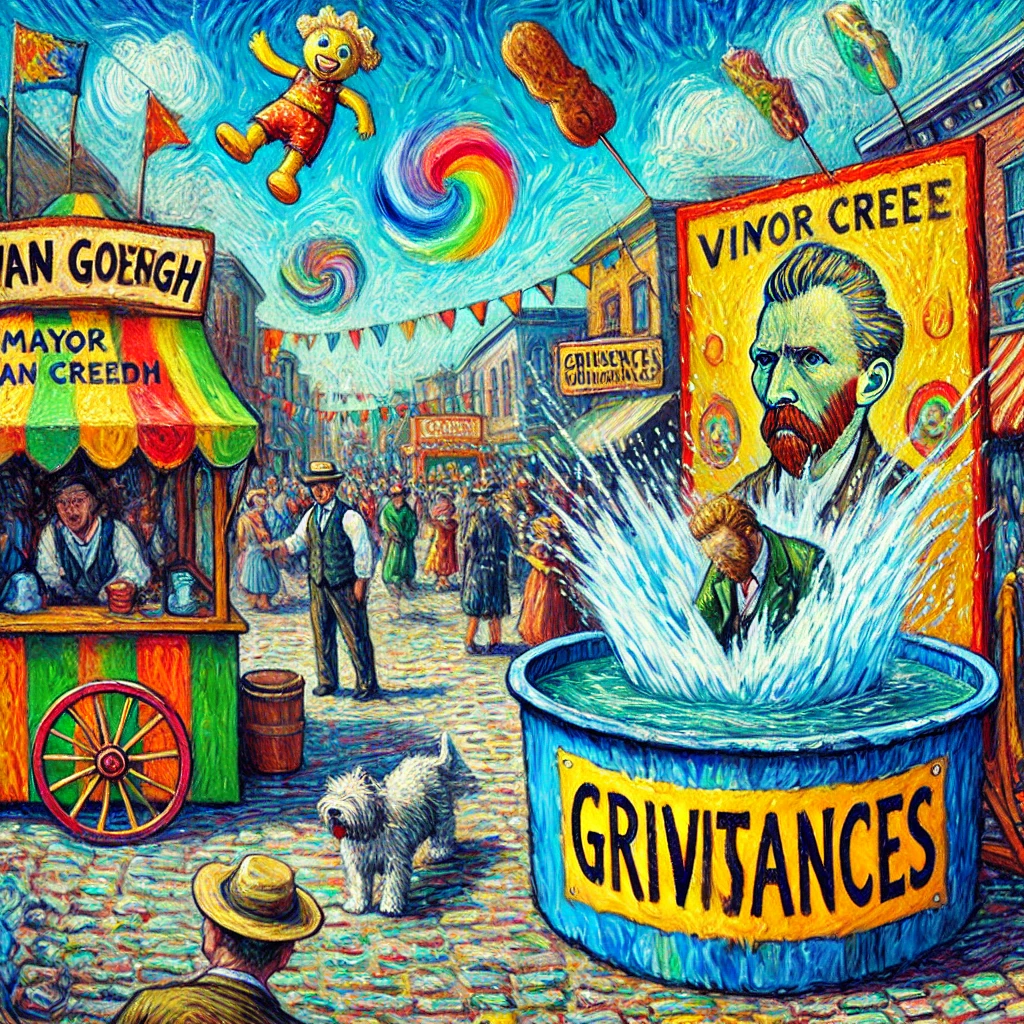
Act V – Complaint Festival
Act VI – The Philosophical Resolution
Weeks later, the town’s noise simmered down to a low, comfortable murmur.
At the Diner, Boot, Mabel, Clovis, and Reverend Gentry shared coffee and quiet.
Boot sighed. “You ever think maybe complaining isn’t a flaw? Maybe it’s our local dialect.”
Mabel nodded. “Sequatchie’s built on limestone and opinions — both hard, both unmovable.”
The Reverend smiled. “Blessed are the dissatisfied, for they shall always have conversation.”
Clovis leaned back. “Well, I’m satisfied being unsatisfied. That’s balance.”
Loretta poured more coffee. “If y’all ever stop complaining, I’ll know the world’s ending.”
Outside, the church bell rang over Ridge Road, echoing across the valley.
The pothole still sat there — proudly unfilled, a monument to civic endurance.
By morning, someone posted a photo with the caption:
“Leave it be. It’s part of who we are.”
Comments were disabled for public safety.
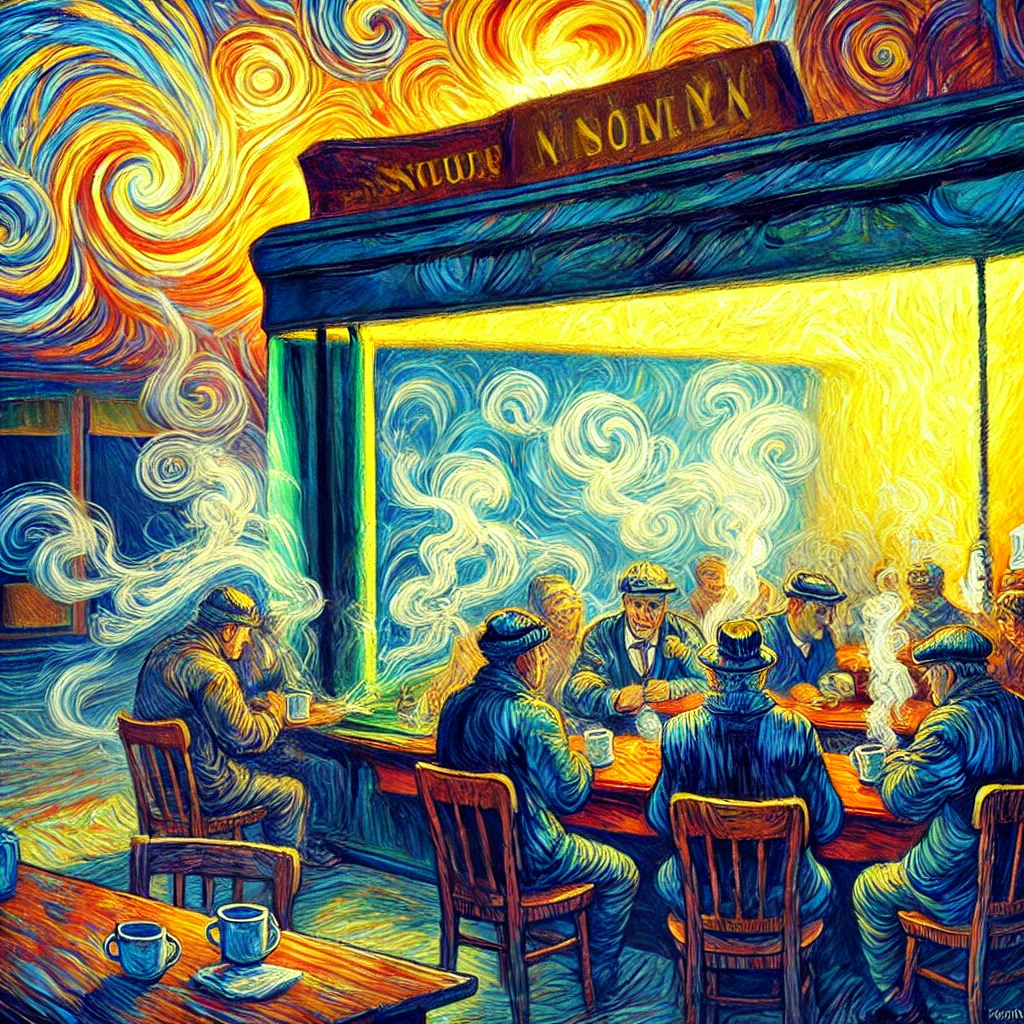
Act VI – Philosophical Resolution
Epilogue – The Eternal Return
A month later, peace seemed permanent. Then, as sure as the sunrise, a new post appeared online:
“Why doesn’t anyone post here anymore? Is Sequatchie dead?”
And thus, the wheel began again — a perfect, circular motion of complaint, belonging, and blissful futility.
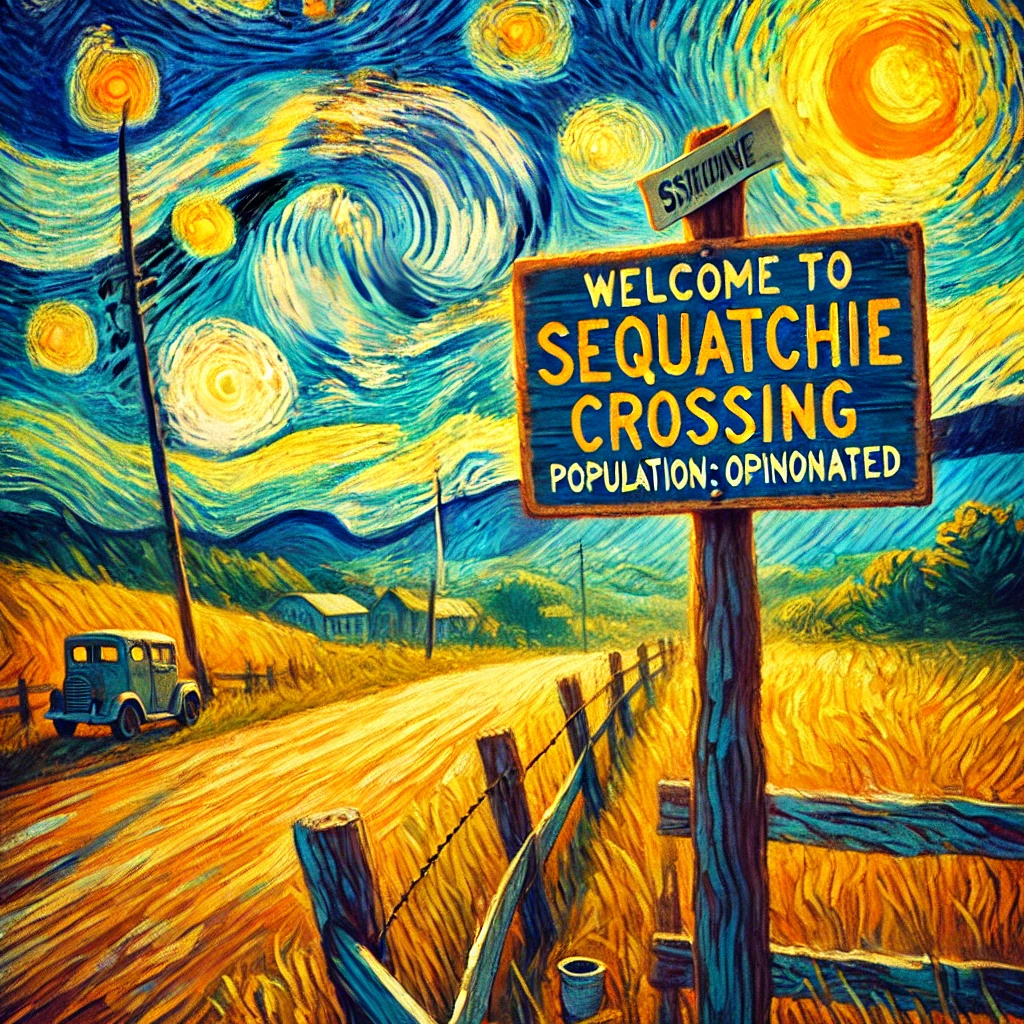
Complaining About Complainers Complaining – Disclaimer
Disclaimer
All characters, events, and grievances depicted in this story are entirely fictional. Sequatchie Crossing exists as a mirror, not a map — a playful reflection of the small-town human condition, where every pothole has a personality and every argument is a community sport. Any resemblance to real persons, living or perpetually griping, is purely coincidental, though probably inevitable.
Real Places Behind the Ruckus – From The Dunlap Directory
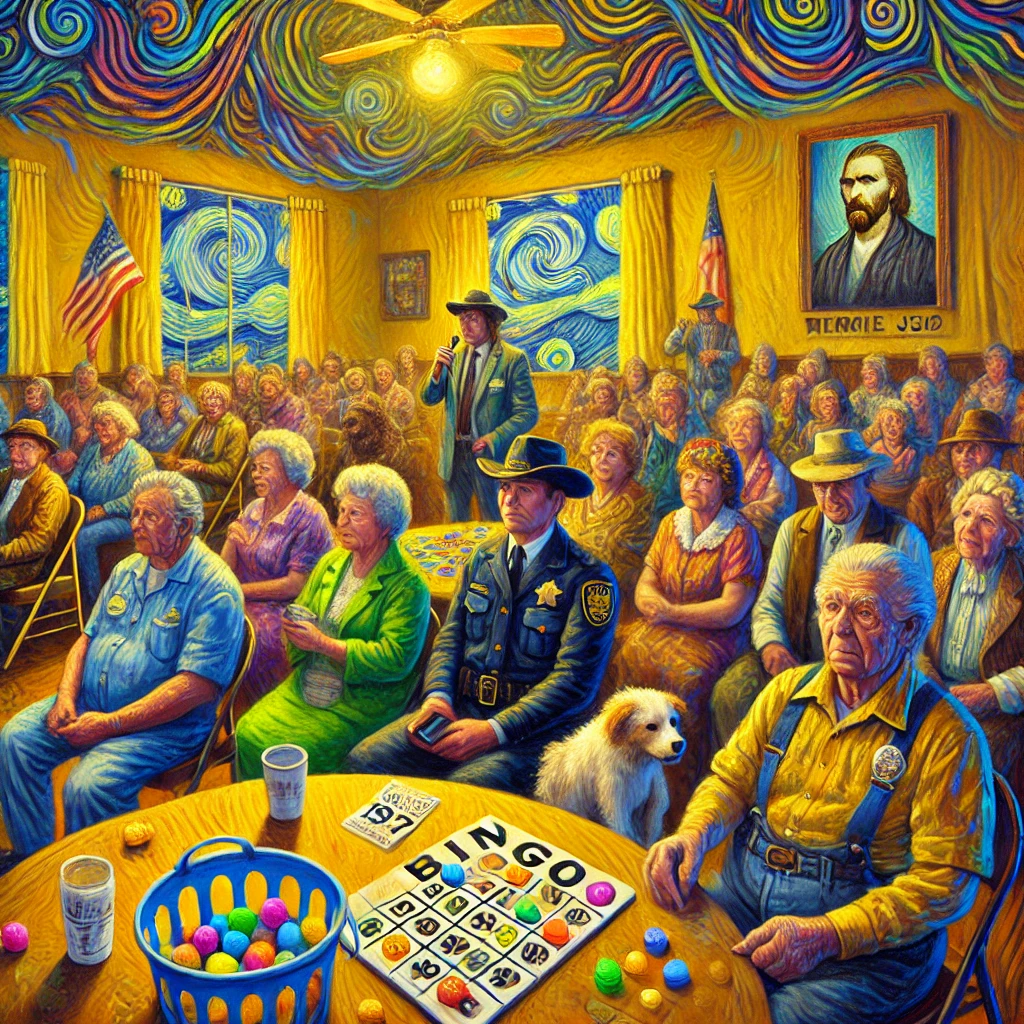
Real Places Behind the Ruckus – From The Dunlap Directory
Yes, this story was fictional; even the parts that weren’t true. These places? Absolutely real. Stop by, support local, and keep the Wi-Fi away from livestock:
- Keith’s Affordable Plumbing Service
- Sequatchie Valley Homestead
- Lee Outdoors
- Mountain Valley Bank
- Manderley Farms
- Waterfall Car Wash
- A-1 Excavation
- Land’s Properties
- Heatwave
- Berg’s Diesel Repair
- Udder Yum Ice Cream Shoppe
- Coldwell Banker Pryor Realty Inc.
- Ginger’s Car Detail
- Valhalla Acres Campground
- Creekside Cow Palace
- The Chef’s Restaurant

Real Places Behind the Ruckus – From The Dunlap Directory
At Sequatchie Crossing, we tell the stories of Sequatchie Crossing.
Please share this post with your friends, family, or business associates who may want follow the news from Sequatchie Crossing.

0 Comments