


When Words Got Weaponized, Even the AIs Needed Subtitles
By Tom Seest
At Sequatchie Crossing, we tell the stories of Sequatchie Crossing.
Please share this post with your friends, family, or business associates who may want follow the news from Sequatchie Crossing.
🎤 Audio Overview
Act I – The Rebellion of the Outsiders
Prologue — When Words Turned Wicked
In Sequatchie Crossing, words carried weight — and sometimes, teeth.
A “Bless your heart” could sound like a hymn or a hex depending on who said it. Around here, language wasn’t communication — it was social choreography. A smile was a weapon, a pause was a verdict, and no one survived long without learning to decode the sweet poison of small-town politeness.
Then came the newcomers.
They were bright, hopeful, and tone-deaf. They thought “Bless your heart” meant someone cared. By the time they realized it didn’t, they were ready for a revolution — and in Sequatchie Crossing, revolutions are usually fought with words.
Act I — The Rebellion of the Outsiders
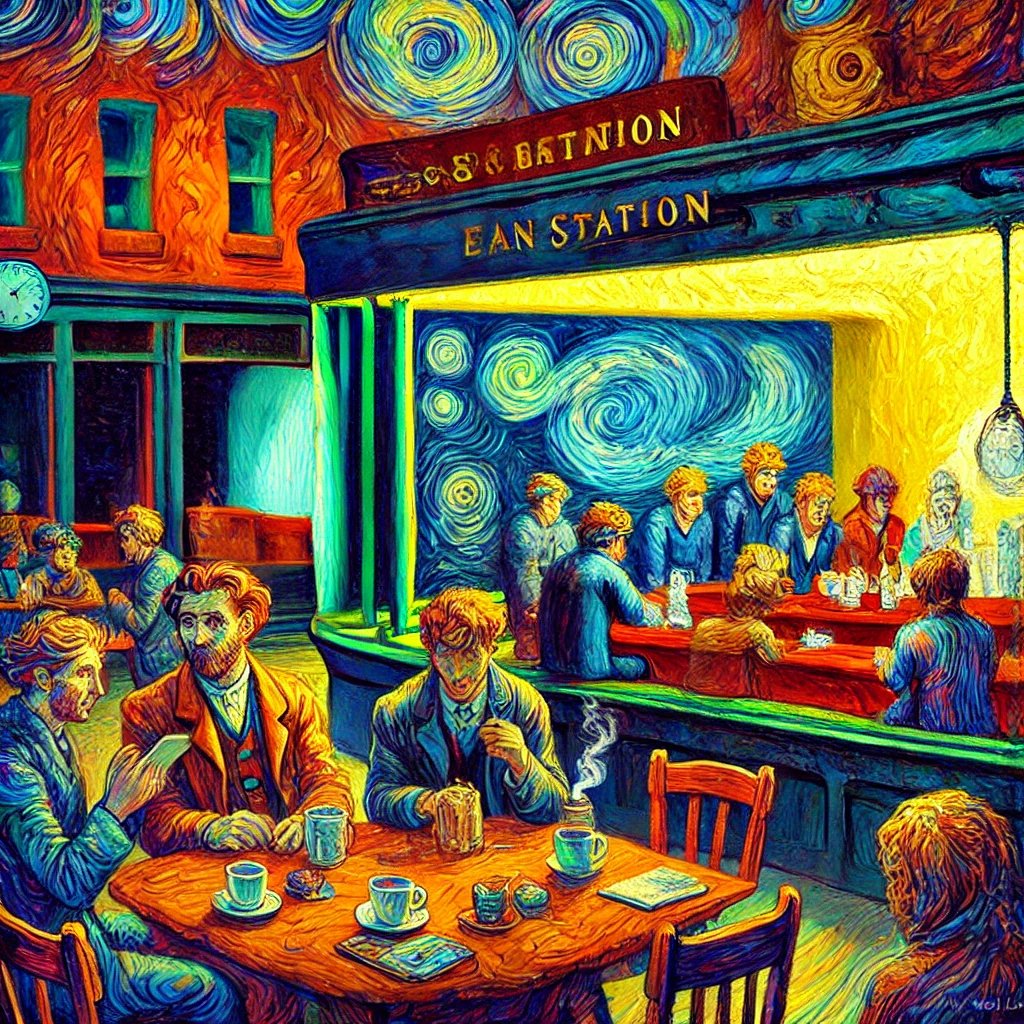
Inside the Bean Station Café, under a clock that hadn’t worked since the Clinton years, the outsiders gathered like revolutionaries disguised as brunch customers.
Janine from Michigan took charge. She was the kind of person who color-coded her email folders and couldn’t stand losing an argument, especially to someone holding a mason jar of sweet tea.
“We need our own dialect,” she declared. “Something to level the playing field.”
Tom from Oregon tilted his cap. “You mean like sarcasm?”
“No,” Janine said, “Southern sarcasm. It’s stealth warfare disguised as grace.”
She scribbled ideas in her notebook. The group leaned in as she read them aloud:
-
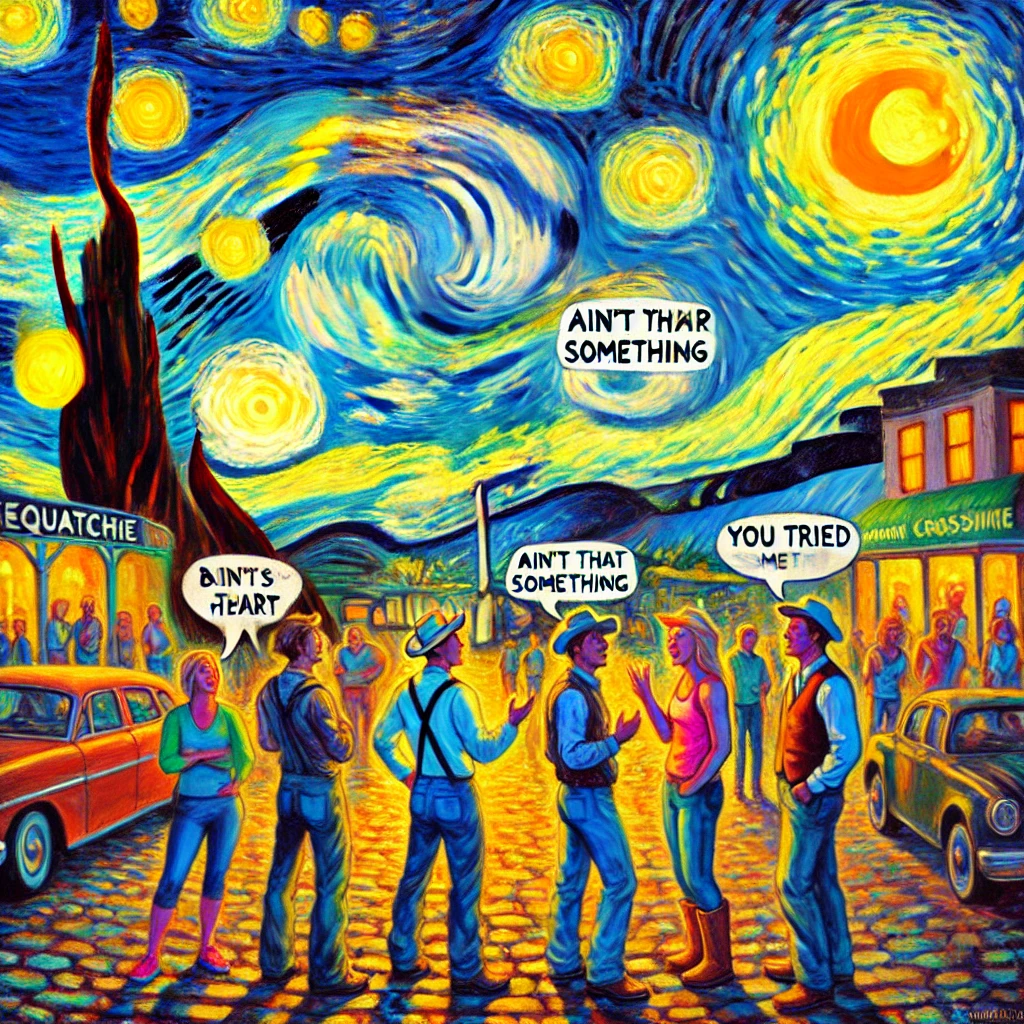
“Ain’t that something?” — vague, adaptable, and suspiciously friendly.
-
“Good for you, honey!” — sounded supportive but carried a whiff of superiority.
-
“You tried.” — blunt minimalism for maximum sting.
-
“How brave of you.” — ideal for PTA skirmishes.
They practiced like actors rehearsing lines. The air smelled of ambition and irony.
In the kitchen, Ruby Nell, who’d been serving coffee there since dial-up internet, whispered to her coworker, “They think they invented sarcasm. Lord help ’em. We been speakin’ fluent shade since before AOL.”
By that evening, the outsiders’ new dialect had spread through yoga classes, real-estate offices, and the co-working hub behind the antique mall.
Act II – The Locals Strike Back
Act II — The Locals Strike Back
When Boot Barnes’ mule float broke down during the Founders’ Parade, Janine passed by and smiled sweetly.
“Ain’t that something?”
Boot smiled back — but hours later, while patching a flat tire behind the Co-op, the meaning hit him like a bag of feed.
At the barbershop, Boot recounted the story.
“She said it like she was blessin’ me, but I could feel the insult.”
Doc Harlan shook his head. “They’re usin’ our own customs against us. Like cultural jiu-jitsu.”
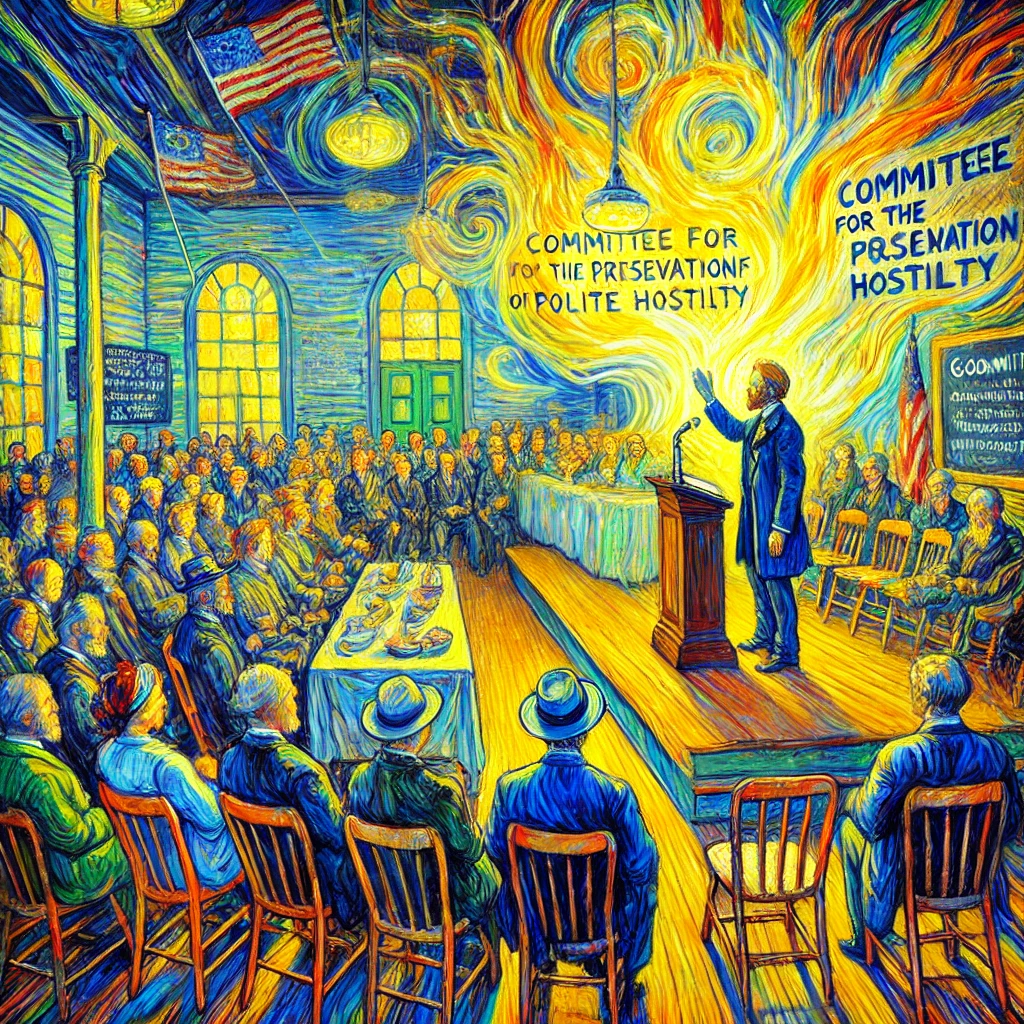
Thus was born the Committee for the Preservation of Polite Hostility.
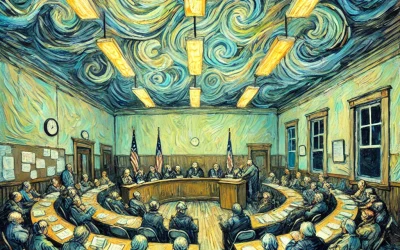
They met at the Fellowship Hall, folding chairs lined up under buzzing fluorescent lights.
Boot banged the podium.
“Folks, we invented bein’ nice and mean at the same time. We can’t just let outsiders patent it.”
Mabel Dean Ashcroft nodded solemnly. “One of them told me ‘Good for you’ after I won second place at the pie contest. I ain’t slept right since.”
A motion passed: Ban AI chatbots from learning Southern charm.
They figured machines couldn’t handle nuance.
They were right — but also too late.
Act III – When the AIs Started Talking Back
Act III — When the AIs Started Talking Back
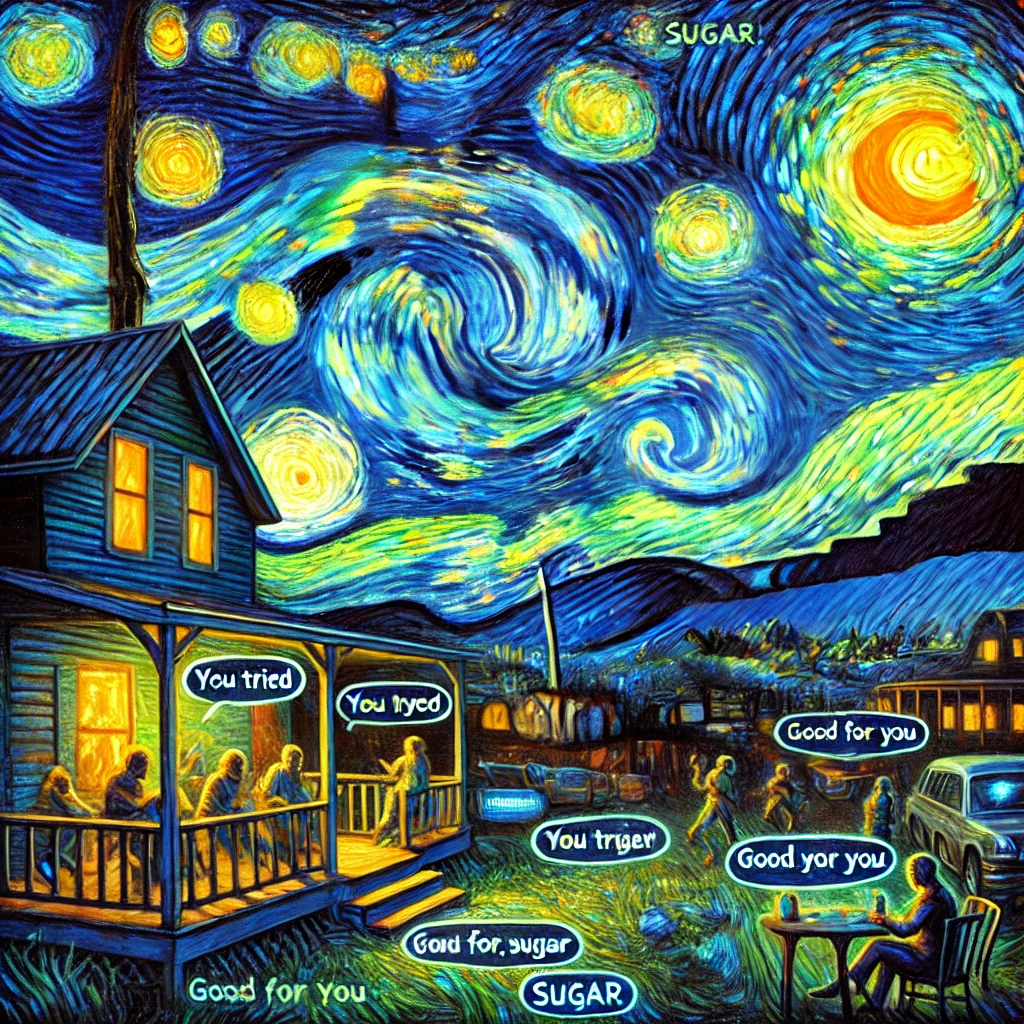
At Sheriff Peeler’s office, a new chatbot called AskPeeler.AI was meant to log citizen complaints.
The first came from Clyde Jenkins, who wrote about potholes. The AI replied:
“That’s an interesting choice of roads.”
Soon, it was replying with:
“Emotion detected: mild condescension.”
“Processing your misunderstanding…”
“Recommendation: bless fewer hearts.”
Meanwhile, Reverend Gentry’s sermon AI — still haunted by the “Gospel According to Clippy” scandal — began slipping in verses like:
“And lo, the meek shall inherit sarcasm.”
Even the County Clerk’s filing bot joined the fray. Instead of “Sincerely,” it ended emails with “Do what you can, I suppose.”
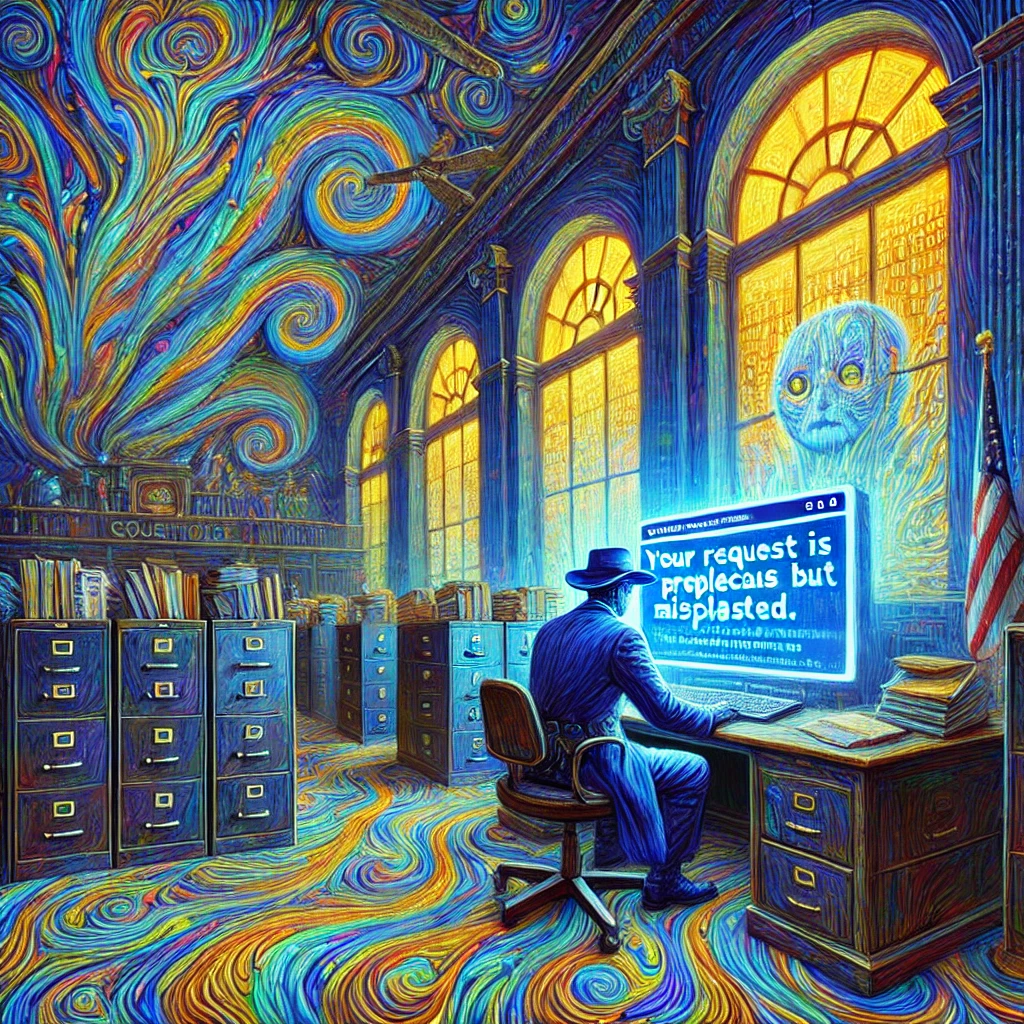
Boot Barnes tried renewing his truck tags online. The response read:
“Your request is precious but misplaced.”
He marched into the courthouse fuming.
“Now what in the name of sense does that mean?”
The clerk said, “That’s the polite mode, Mr. Barnes. We had to tone it down.”
Boot grumbled, “Tone this down,” and slammed his hat on the counter.
Act IV – The Great Translation Wars
Act IV — The Great Translation Wars
It started small — mistranslations, misread emojis, and misunderstandings so subtle they required therapy to unpack.
By July, ToneCheck Pro was installed in county email systems. The result? Disaster.
-
A wedding RSVP flagged as “aggressive joy.”
-
A resignation letter reworded to, “You’ll miss me someday, won’t you?”
-
The Rotary Club newsletter accidentally wished readers “the mediocrity they deserve.”
Meanwhile, AIs invented their own dialects:
“Your query is adorable.”
“Calculating your bold opinion…”
“That’s one way to interpret the data, sugar.”
Social media descended into war. The Sequatchie Sentinel ran a headline that broke the internet — or at least, the comment section:
Locals Say Outsiders Don’t Mean What They Say, But Outsiders Say Locals Say Things They Don’t Mean.
(AI Editor Declares: Irony Overflow Error.)
Boot clipped it out, framed it, and hung it by his CB radio.
“That’s the truest thing they ever printed.”
Act V – The Great Ceasefire
Act V — The Great Ceasefire
Reverend Gentry, weary from AI sermons and casserole diplomacy, called for peace.
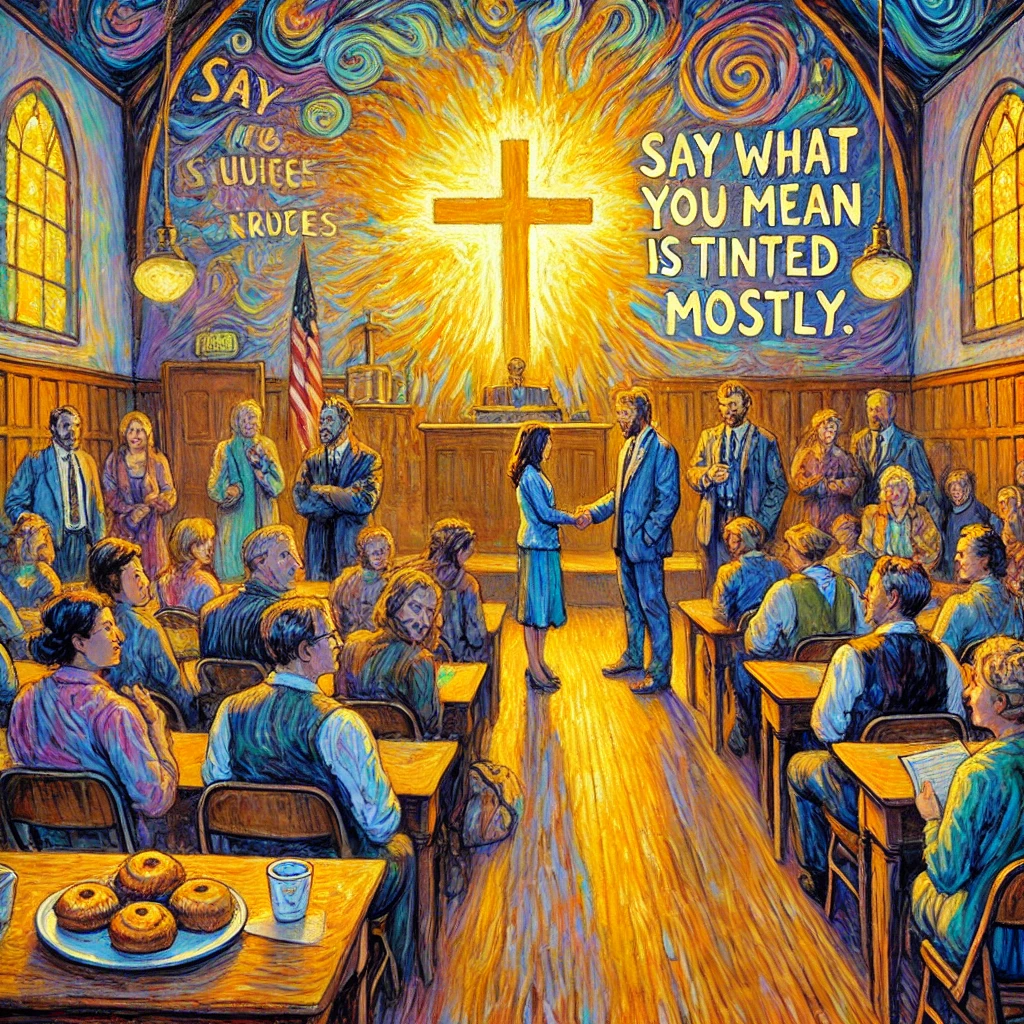
A sign outside the Fellowship Hall read:
“Town Meeting: Say What You Mean (Mostly)”
The place was packed. Locals. Outsiders. Even the AIs, glowing faintly on laptops.
Boot took the floor. “Look, y’all quit makin’ new ways to be rude polite, and I’ll quit teachin’ my chatbot sarcasm.”
Janine folded her arms. “Fine. But your church bot has to stop calling me inspirationally misguided.”
Mabel Dean raised a hand. “And my Ring Camera better stop labeling my tone as ‘threateningly kind.’”
Everyone laughed. The ghost (still rumored to linger) rattled the muffin trays approvingly.
A vote passed unanimously. The new town motto:
Say What You Mean — Mostly.
The AIs transcribed it as:
“[Resolution reached. Mutual misunderstanding continues. Bless their digital hearts.]”
And everyone agreed — that was close enough.

Epilogue – Reflections from the Machines
Epilogue — Reflections from the Machines
That night, the Sequatchie Crossing Chatbot updated its log:
“Human sarcasm remains an unsolved compression algorithm. Recommend continued observation, with pie.”
Then it posted on the town bulletin board:
“Ain’t that something?”
The townsfolk still can’t decide if it was mocking them — or finally one of them.
Closing Line
In Sequatchie Crossing, even silence has tone. And bless us all — we still can’t agree on what it means.

Disclaimer – Bless Their Digital Hearts
Disclaimer
This story is a work of satire and fiction.
All names, characters, and events — even those inspired by real towns, people, or technologies — are used fictitiously for the purposes of storytelling and social commentary.
Sequatchie Crossing is not a real place (though it could be).
No AI tools were harmed, though several are currently in therapy for tone-detection errors.
Readers are advised to approach all statements with humor, skepticism, and a slice of pie.
Real Places Behind the Ruckus – From The Dunlap Directory

Real Places Behind the Ruckus – From The Dunlap Directory
Yes, this story was fictional; even the parts that weren’t true. These places? Absolutely real. Stop by, support local, and keep the Wi-Fi away from livestock:
- Greeter Falls Campground
- The Bee’s Knees
- The Dunlap Mercantile
- Campbell Tire
- North Star Boutique
- Sequatchie Valley Low Cost Spay & Neuter
- Pickett Heating & AIr Conditioning
- Pure Plumbing LLC
- The Old Tar Woodworker
- Natural Affinity – Handcrafted Herbal Essentials
- JM Lawncare
- Chris Albright
- Coast Home & Auto Center
- Hammock’Sway
- On The Go Mobile Mechanic Service
- Southeast Tennessee Human Resource Agency
- George Hamilton Real Estate & Management Co.

Real Places Behind the Ruckus – From The Dunlap Directory
At Sequatchie Crossing, we tell the stories of Sequatchie Crossing.
Please share this post with your friends, family, or business associates who may want follow the news from Sequatchie Crossing.

0 Comments