


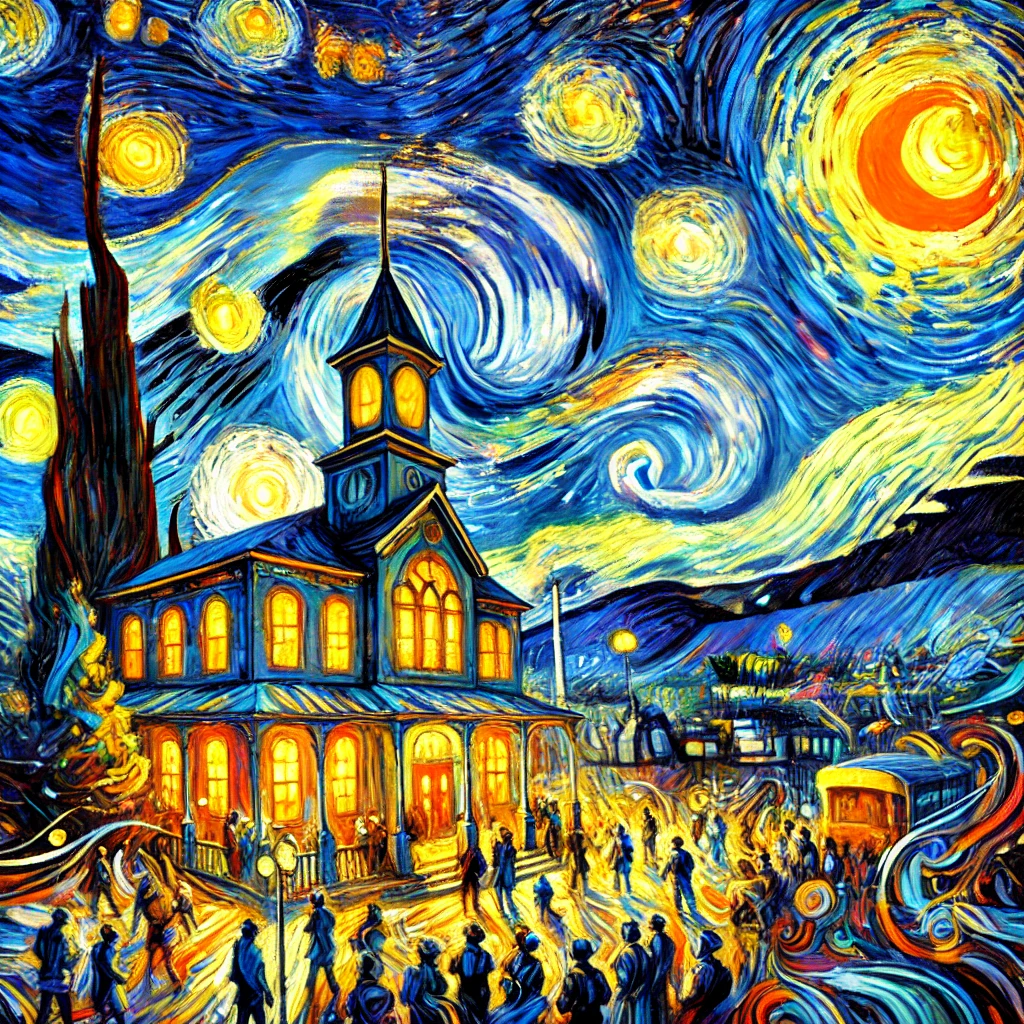
Decision Delayed Until They Can Agree Whether Counting Outsiders Requires Different Math.
By Tom Seest
At Sequatchie Crossing, we tell the stories of Sequatchie Crossing.
Please share this post with your friends, family, or business associates who may want follow the news from Sequatchie Crossing.
🎤 Audio Overview
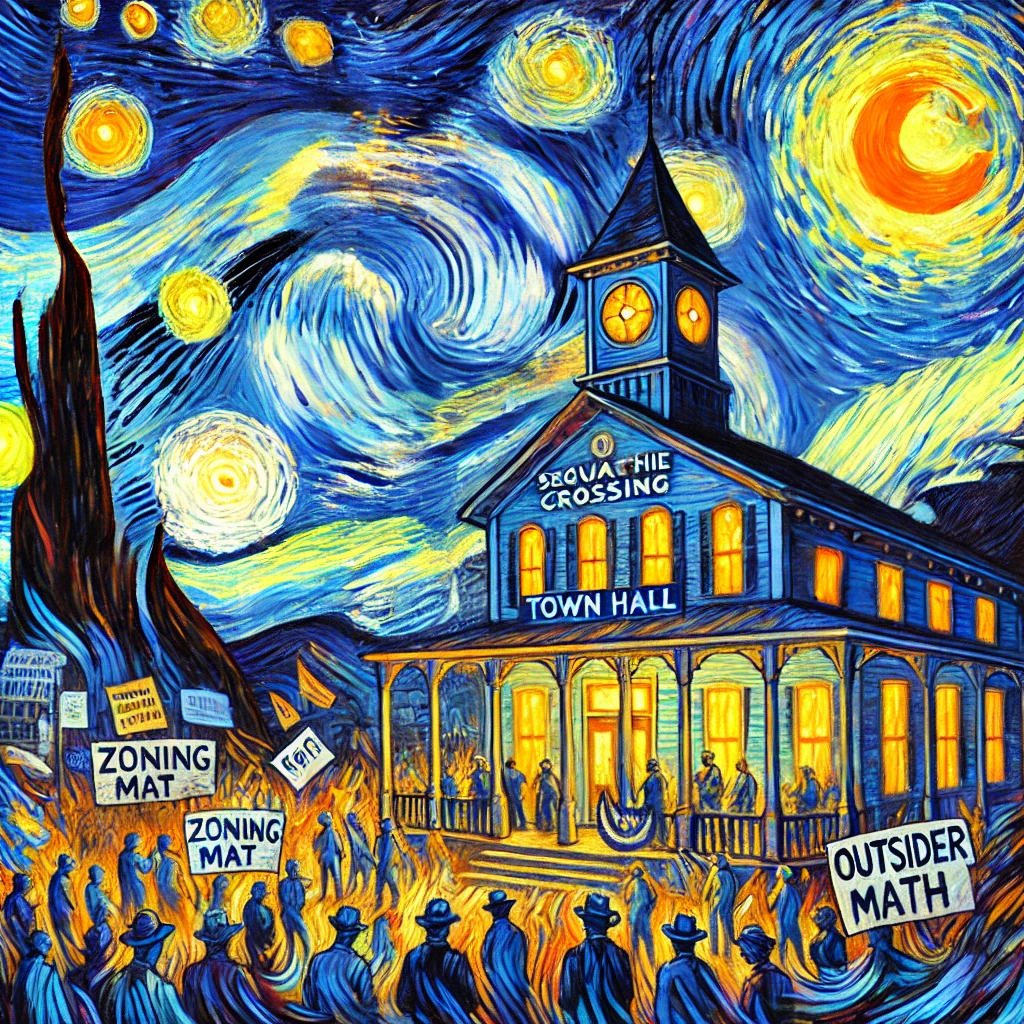
Zoning Board Forms Special Committee to Determine What too Many People Actually Means
ACT I – The Meeting Before the Meeting
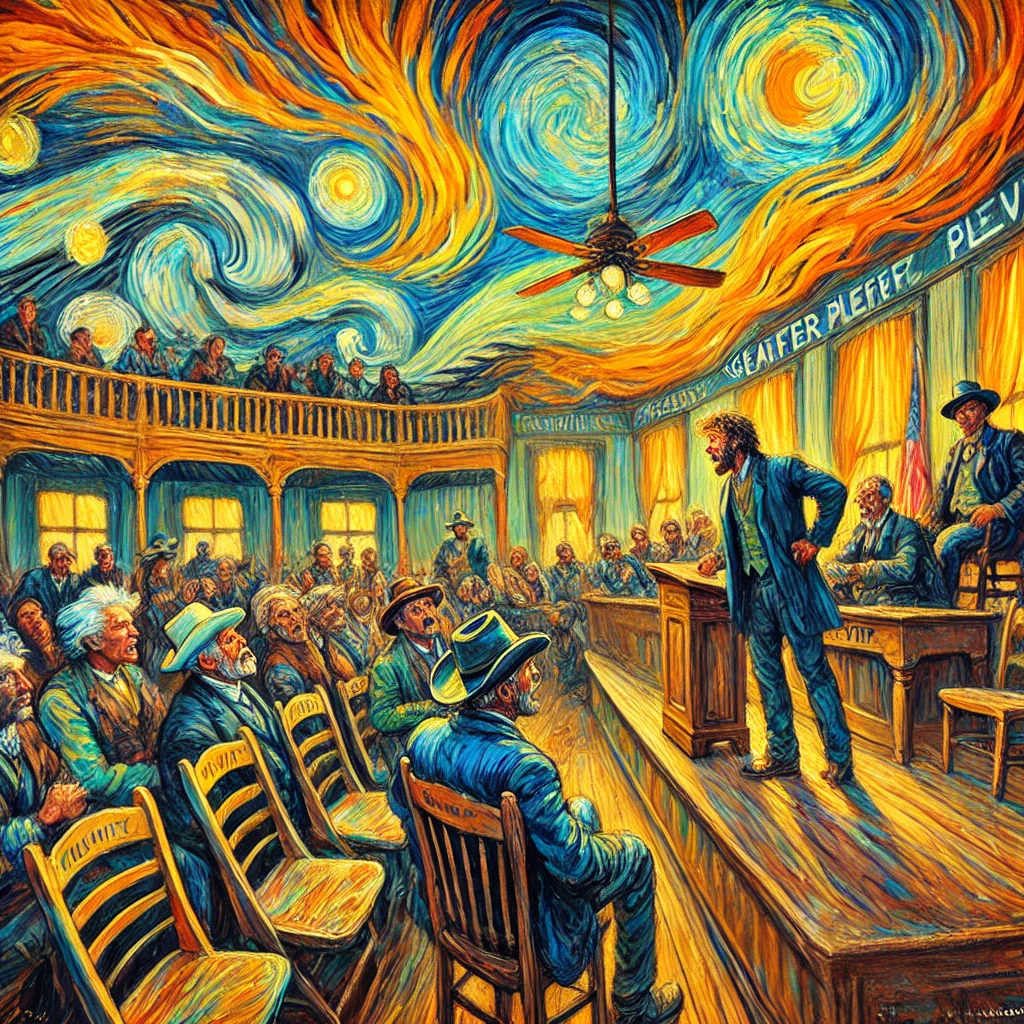
The official Zoning Board meeting was scheduled for 6:00 p.m. sharp, which in Sequatchie Crossing meant somewhere between 6:10 and whenever Boot Barnes finished scraping mud off his boots loud enough for everyone to hear. The chairs in the Town Hall meeting room were arranged in rows that politely suggested order but never maintained it. Every meeting eventually became standing room only, but only because nobody wanted to sit next to Clovis Strickland after he had his ceremonial “pre-meeting bean dip,” which no one asked him to bring and even fewer asked him to eat.
Mabel Dean positioned herself in the third row – her usual seat since 1987 – because the second row was “for people who want to make trouble,” and the fourth row was “for people who already have.” She brought her quilted binder labeled TOWN BUSINESS 1954–PRESENT, which she updated with the seriousness of a Supreme Court clerk.
Clovis ambled into the room like he was the headliner at a comedy club.
“Evenin’, folks,” he whispered loudly, which is to say he yelled. “Anyone here got an opinion about population growth they haven’t screamed on Facebook yet? Tonight’s your night!”
Sheriff Peeler, seated near the front to maintain what he called “the illusion of law,” rubbed his forehead. He’d already mediated three arguments that day over whether new people moving into the county were stealing parking spaces or merely occupying them by existing.
The issue on the agenda was simple on paper:
Define what ‘too many people’ meant for Sequatchie Crossing.
But like all issues in town, simplicity was illegal without a unanimous vote.
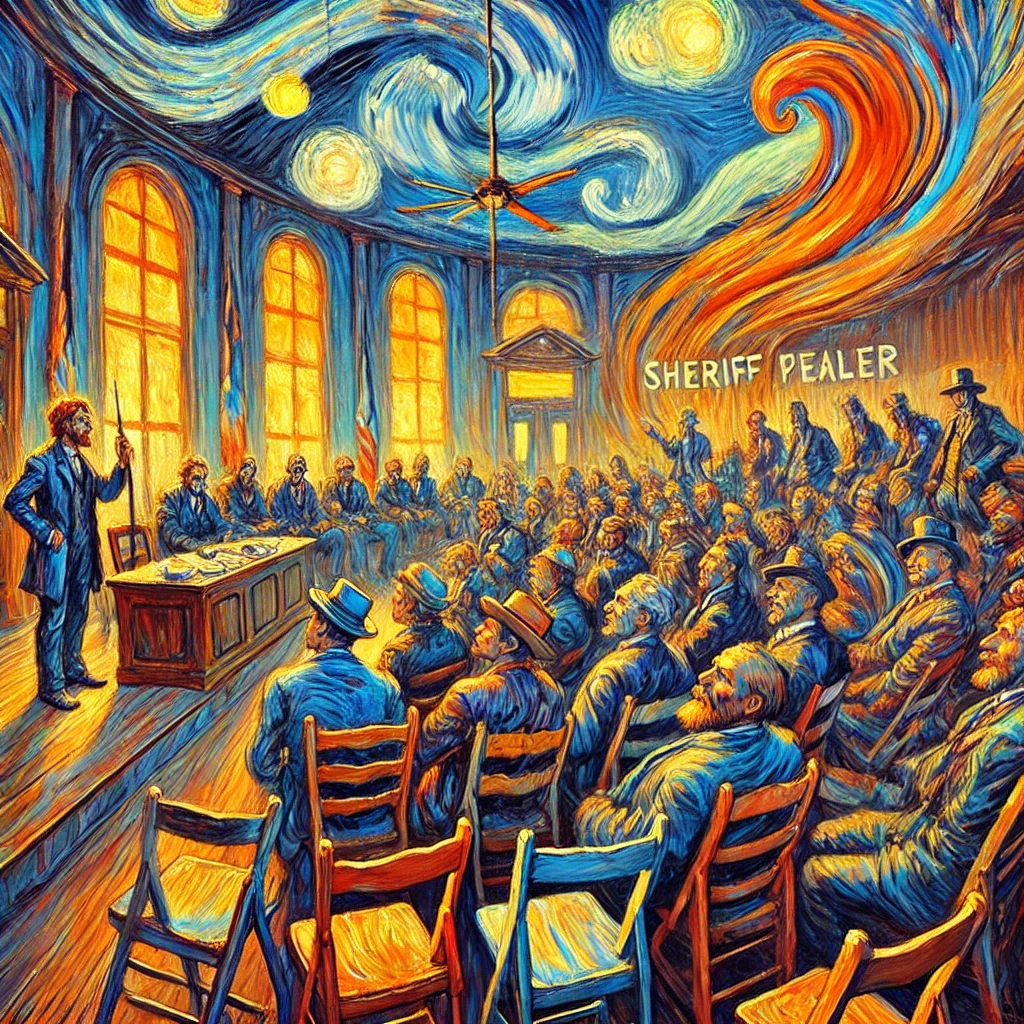
Boot Barnes opened the meeting by tapping the microphone, which was unnecessary because it wasn’t connected to anything. The tapping was purely symbolic – Sequatchie’s version of banging a gavel.
“Alright,” Boot said. “We’re here to determine if we’ve got too many people, not enough people, or the wrong combination of people. The Mayor asked us to get clarity on account of the number of residents complainin’ that the town ‘feels full.’”
Mabel Dean raised her hand.
“Is this based on real numbers,” she asked, “or the emotional math folks have been usin’ lately? Because emotional math is what gave us a 43-person estimate at last year’s potluck but 97 dessert plates in the trash.”
Boot cleared his throat. “Good question, Mabel. And that leads us to tonight’s first item. The Mayor insists we count everyone, but no one can agree whether outsiders are counted as people, partial people, temporary people, or conditional people.”
The room murmured. Counting outsiders had become the most divisive mathematical problem since that year Clovis tried to calculate his taxes using “common sense rounding.”
“Outsiders should count double!” someone shouted from the back – likely Brenda Tate, the self-appointed guardian of neighborhood integrity, and the only person who believed local air was “not suited to regional lungs.”
“No, half!” shouted someone else.
“Negative numbers if they’re from California!” came another.
Sheriff Peeler wrote none of it down. He had learned his lesson that documenting public opinion only ensured someone would demand he enforce it.
ACT I – The Meeting Before the Meeting
Boot sighed. “Well, you can see our challenge.”
Clovis stood, already swelling with self-assigned authority.
“I propose,” he announced, “that we form a Special Committee to Determine What Too Many People Actually Means.”
The crowd gasped – not because it was controversial, but because Sequatchie loved a subcommittee more than it loved casseroles.
Boot nodded slowly. “And what exactly would the committee do?”
Clovis smirked. “Simple. They’ll decide how to count outsiders. Straight math? Emotional math? Generational math? Internet math? We need options.”
Sheriff Peeler muttered, “Internet math ain’t math. It’s just yelling with numbers.”
Boot ignored him. “Any objections to forming a Special Committee?”
Half the room raised objections. The other half raised objections to those objections. One man raised a hand just to say his wife had texted him to object on her behalf.
Boot Barnes sighed again – he had already reached his monthly sigh quota, and it was only the first Tuesday. “Alright. Motion carries. Committee formed.”
The town clapped, because forming committees gave them the same feeling sports did for other places.
“And now,” Boot said, “we need volunteers.”
Everyone suddenly found their shoes fascinating. Everyone except Clovis.
“I’ll chair it,” he said.
Of course he would.
ACT I – The Meeting Before the Meeting
ACT II – Math, But Worse
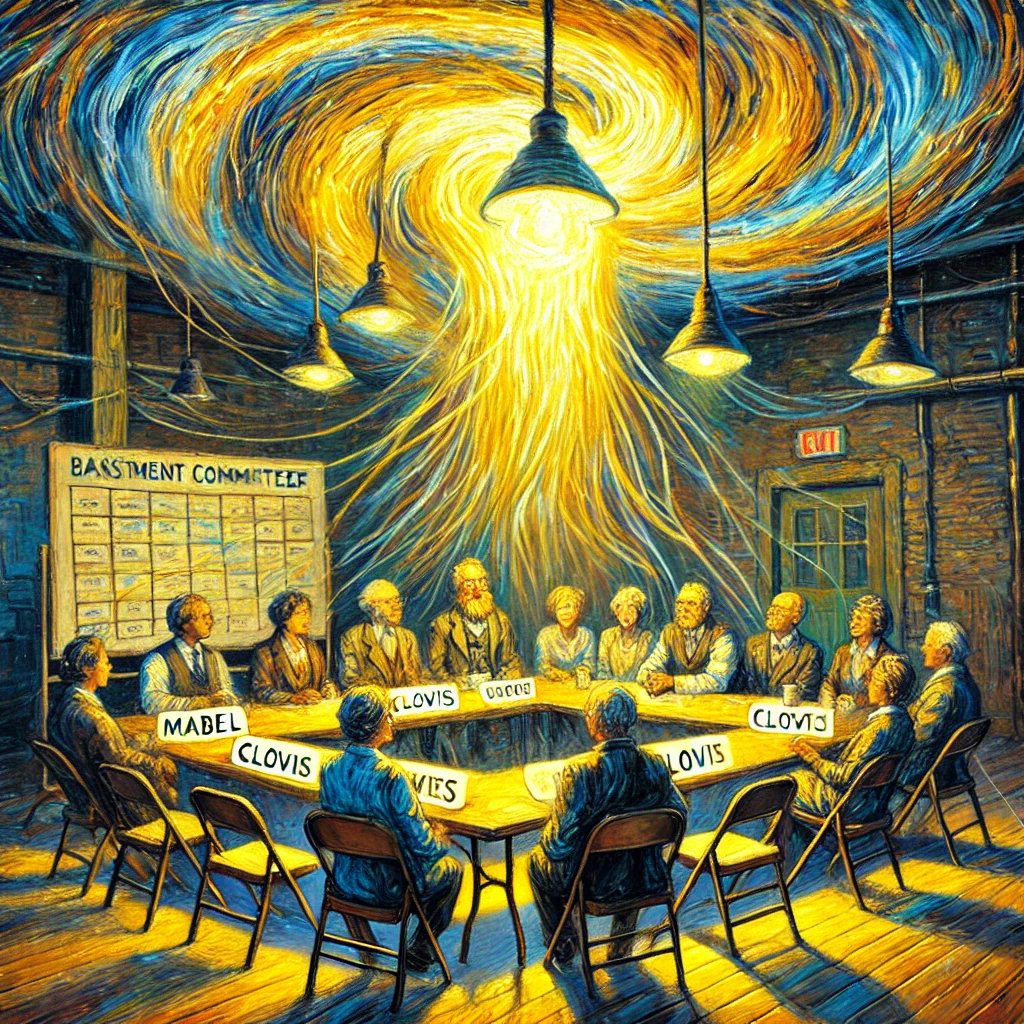
The newly formed Special Committee to Determine What Too Many People Actually Means met the following morning in the basement of the Fellowship Hall, mostly because it smelled like old hymnals and biscuits, which encouraged cooperation.
Clovis presided at the folding table like a man born for bureaucracy. Beside him sat:
-
Mabel Dean, appointed Recorder because no one else could spell “quantitative.”
-
Boot Barnes, appointed Liaison because he was the only one who could tolerate Clovis for more than 18 minutes.
-
Sheriff Peeler, appointed for “observational oversight,” which actually meant “so he could stop fights.”
-
Trixie Jo Bartlett, representing “new residents who want to fit in but aren’t sure if they’re allowed to.”
Clovis slapped his file folder on the table. “We need definitions, people. Definitions! Without ‘em we’re just wanderin’ around makin’ assumptions like the Facebook group.”
Mabel wrote the word DEFINITIONS in her binder, underlining it so aggressively her pen squeaked.
“We first must determine,” Clovis continued, “what constitutes a person for counting purposes. Do outsiders count the same as locals?”
Trixie Jo raised her hand timidly. “I moved here three years ago. Does that make me an outsider?”
Clovis grinned. “Depends. Do you own a kayak?”
She blinked. “No?”
“Then you’re fine. Outsiders always bring kayaks. It’s like an instinct.”
Boot groaned. “Clovis, you can’t base municipal math on kayaking.”
Clovis leaned back proudly. “Says who?”
“Says reality!” Peeler barked. “And the county auditor.”
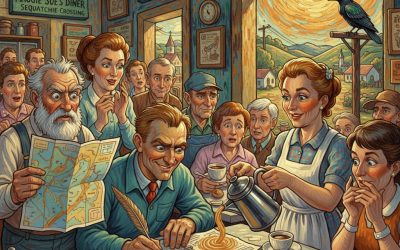
Mabel Dean cleared her throat. “Let’s break this into categories. We have locals, outsiders, newcomers, stay-awhilers, seasonal residents, passers-through, well-meaning wanderers, and mysterious strangers who come into the diner askin’ questions ‘bout land prices.”
Boot nodded. “Good categories. But we need numbers. That’s the whole point.”
“What if,” Trixie Jo offered, “we count everyone equally?”
Silence.
Absolute horror.
Clovis whispered, “That’s… radical.”
ACT II – Math, But Worse
Boot rubbed his temples. “Trixie, I appreciate the spirit, but that’s not how Sequatchie Crossing does things. We’ve been emotionally adjusting headcounts for decades.”
“Exactly!” Clovis said. “Some people feel like more people. Like my cousin Buford? That man is five people by presence alone.”
Peeler muttered, “Buford is five people by smell alone.”
Mabel Dean began scribbling something. “I propose we adopt a Weighted Residency Scale. Locals count as one full unit. Outsiders count as 0.75 unless they volunteer at the Apple Festival, in which case they increase to 1.2. Newcomers count as 0.5 their first year, increasing annually based on how many church potlucks they attend.”
Boot stared at her. “Mabel, that’s… astonishingly well thought out.”
“I’ve been waiting for the day someone asked,” she said, eyes bright.
Trixie Jo looked hopeful. “Would this help me become more of a local?”
Mabel nodded. “Have you ever helped stack chairs after a community event?”
“Yes,” Trixie said.
“Then you’re already 0.9.”
Clovis slammed his hand on the table. “I object! Weightin’ residents encourages favoritism!”
Boot raised an eyebrow. “Clovis, you run the annual ‘Clovis Strickland Memorial Clovis Strickland Look-Alike Contest.’ You thrive on favoritism.”
Clovis frowned. “That’s different. That’s talent-based.”
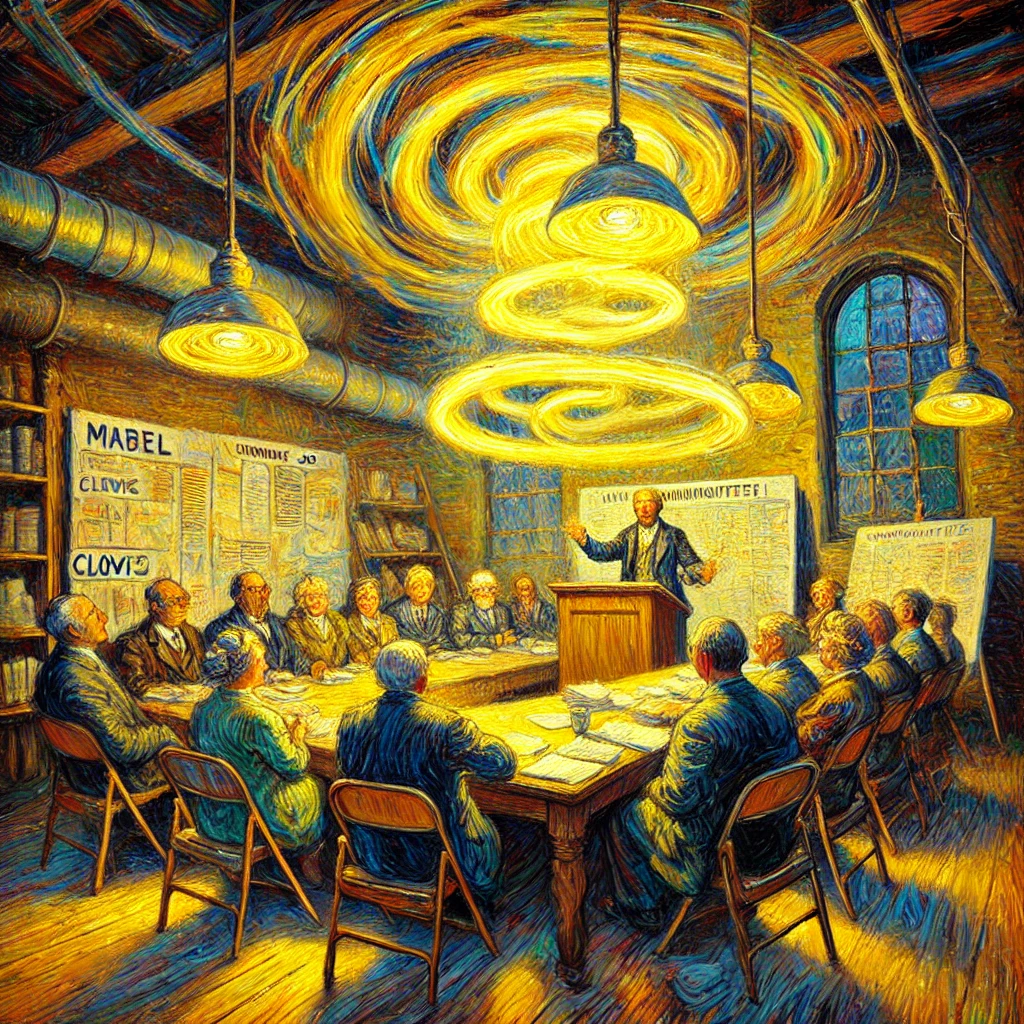
The debate raged for three hours, circling around everything from town density to spiritual population (“how many people does the Lord count us as?” asked one very committed member of the public).
By the end, the Committee had drafted three possible definitions for “too many people”:
1. Too many people = more people than we personally feel comfortable seeing in the produce aisle.
2. Too many people = when parking near the post office requires parallel parking, which Sequatchie considers an unnatural act.
3. Too many people = when the number of kayaks on car roofs exceeds the number of family reunions scheduled that week.
Mabel Dean sighed. “We can’t take any of this to the Zoning Board.”
Boot agreed. “We need actual numbers.”
Clovis shrugged. “Fine. We’ll count people the old-fashioned way.”
“By census?” Boot asked.
“No,” Clovis said proudly. “By goin’ door to door and askin’, ‘Y’all locals or what?’”
Sheriff Peeler stood. “That’s it. Field trip cancelled. Nobody doin’ this.”
But Clovis had already printed laminated badges that read OFFICIAL POPULATION COUNTER (UNTRAINED).
ACT II – Math, But Worse
ACT III – The Count That Couldn’t Count
Rumors spread faster than the committee could control. Within a day, half the town believed the county was planning to bar outsiders entirely, while the other half believed outsiders were being given voting advantages to offset local negativity.
Boot Barnes tried to calm folks by posting a notice on the Town Hall bulletin board clarifying that the Special Committee was only counting residents, not judging them.
Unfortunately, Boot had used the wrong bulletin board – the one designated for Lost Pets and Conspiracy Theories – so his notice ended up pinned between a picture of a suspicious hoofprint and a request for information about “who keeps takin’ my tomatoes.”
Meanwhile, Trixie Jo found herself in the unusual position of mediator between locals and newcomers.
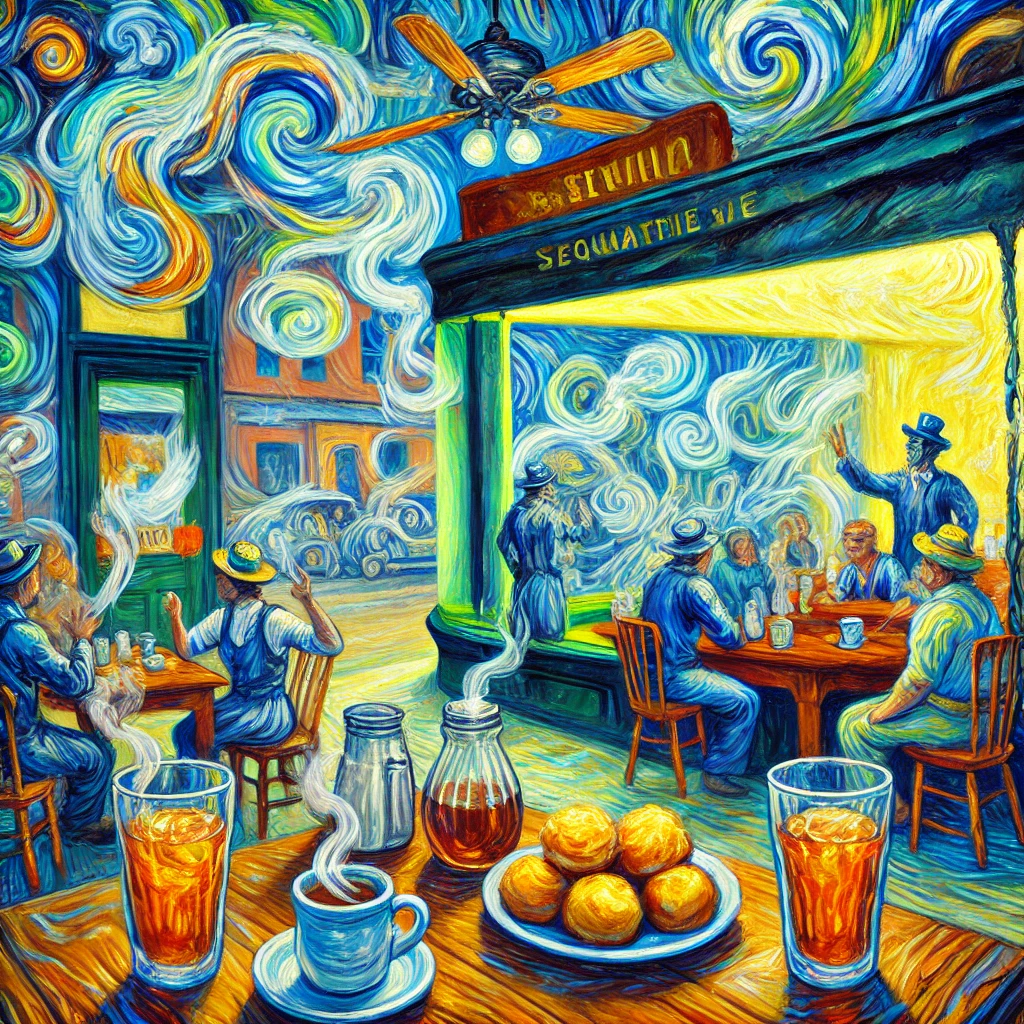
At Mabel’s diner, while serving sweet tea, she overheard two longtime residents arguing.
“They sayin’ we’re full!” one declared.
“They sayin’ we got room!” the other countered.
“They sayin’ outsiders count double!”
“They sayin’ outsiders count half!”
Trixie stepped between them. “No one’s sayin’ any of that. Well… not officially.”
Mabel Dean, overhearing, slammed a plate of biscuits down. “Sequatchie Crossing will never be full. We’ve been makin’ room for nonsense for a hundred years; we can certainly make room for people.”
The diner applauded.
Mabel waved them off. “Eat your biscuits.”
ACT III – The Count That Couldn’t Count
Meanwhile… Sheriff Peeler Intervenes
Sheriff Peeler was dealing with a separate crisis: people had begun self-reporting their residency category, demanding he notarize their claims.
A man from Whitwell insisted he was a “provisional local.”
A woman from Cincinnati argued that she was “emotionally local” because her grandmother once waved at someone near Dunlap.
One particularly ambitious couple insisted on declaring themselves “local by destiny.”
Peeler refused all paperwork. “Residency ain’t spiritual,” he said, though he later admitted he wasn’t entirely sure anymore.
Boot Barnes Tries Logic (It Doesn’t Work)
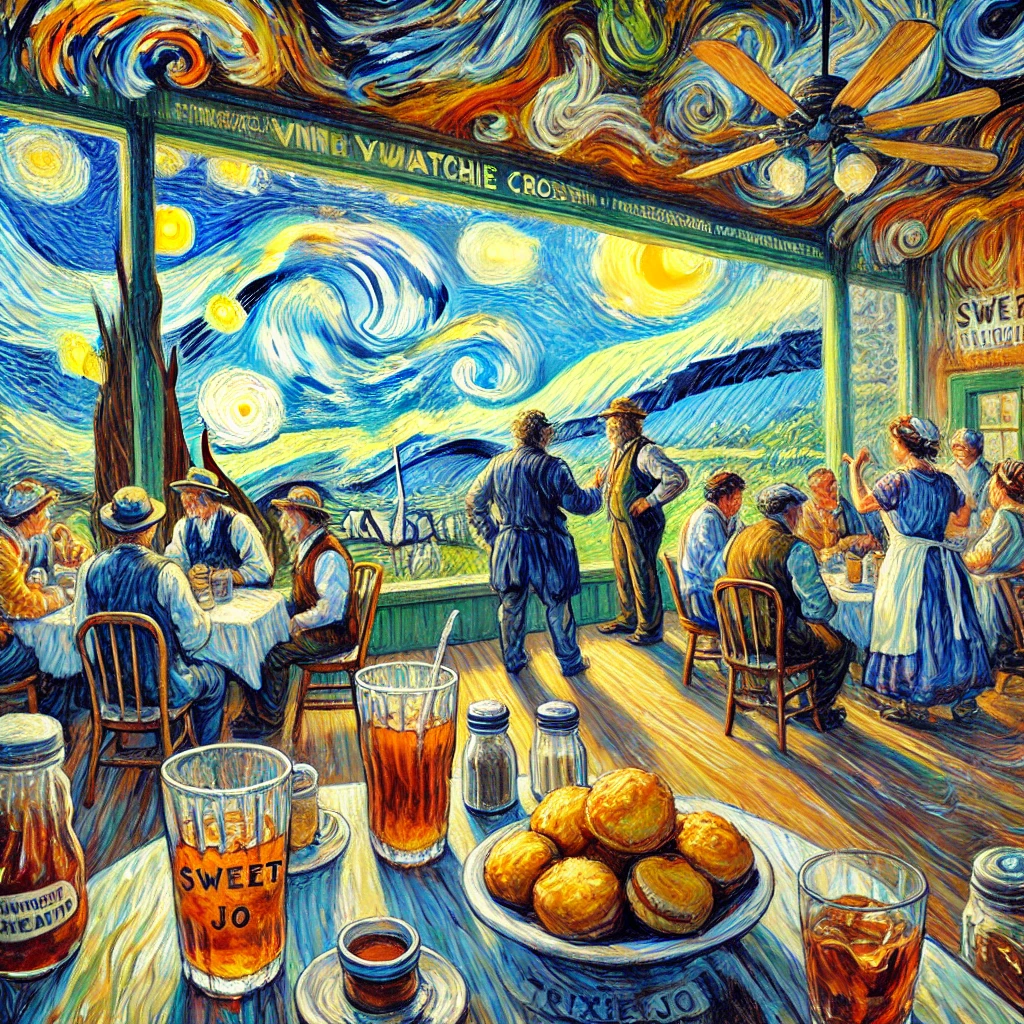
Boot scheduled a public forum to explain the purpose of the Special Committee.
Only nine people showed up in person, but more than 300 watched the livestream, which was mostly keyboard warriors screaming “EXPLAIN THE MATH!” from behind unmuted microphones.
Boot attempted charts.
He attempted graphics.
He attempted metaphors.
He finally attempted asking politely.
Nothing worked.
Clovis hijacked the presentation with a slide titled THE PROBLEM WITH TOO MANY PEOPLE IS… followed by a bullet list that simply read:
-
PARKING
-
BICYCLES
-
PEOPLE FROM CITIES
-
NO ONE WAVES ANYMORE
-
KAYAKS (AGAIN)
Boot Barnes turned off the projector.
ACT III – The Count That Couldn’t Count
ACT IV – The Outsider Question Explodes
The biggest plot twist came two weeks into the committee’s work when Trixie Jo revealed a simple but devastating truth:
Outsiders weren’t the ones causing crowding. Locals were just going out more.
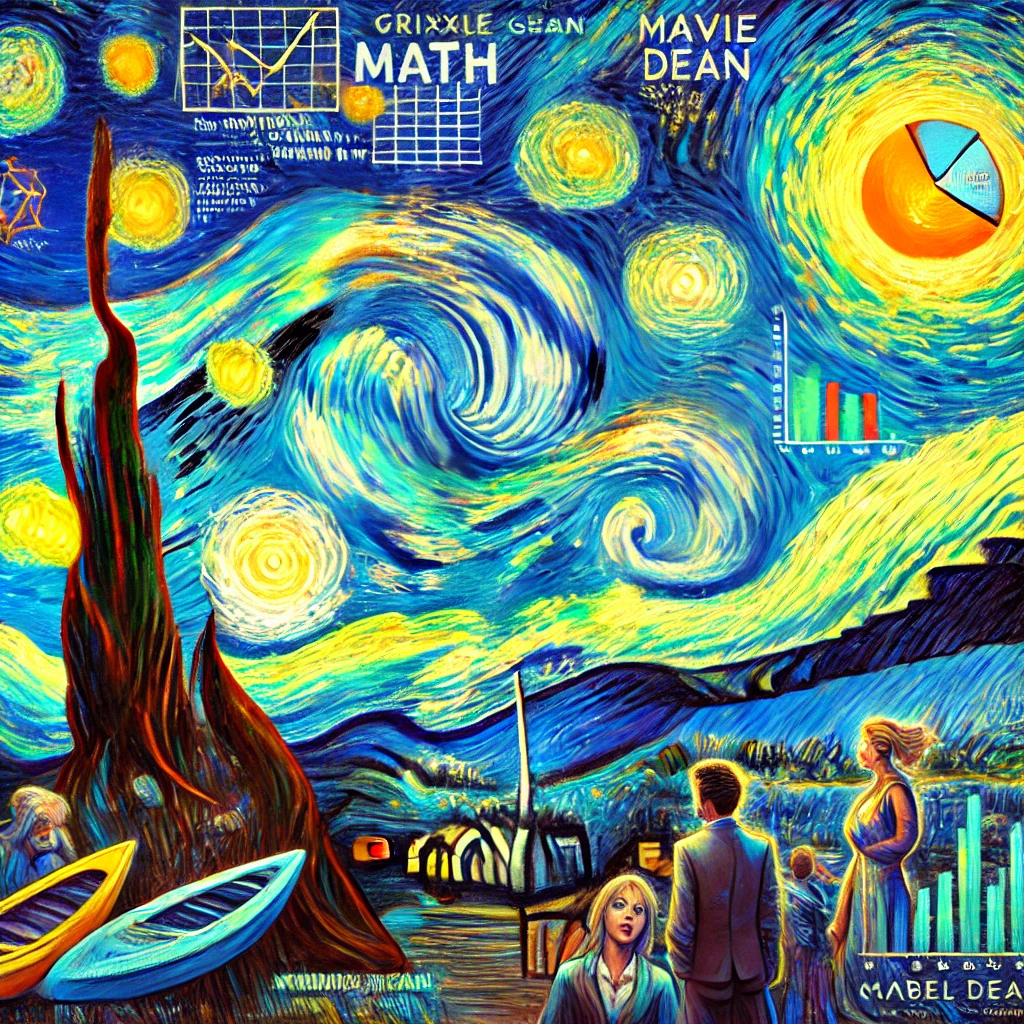
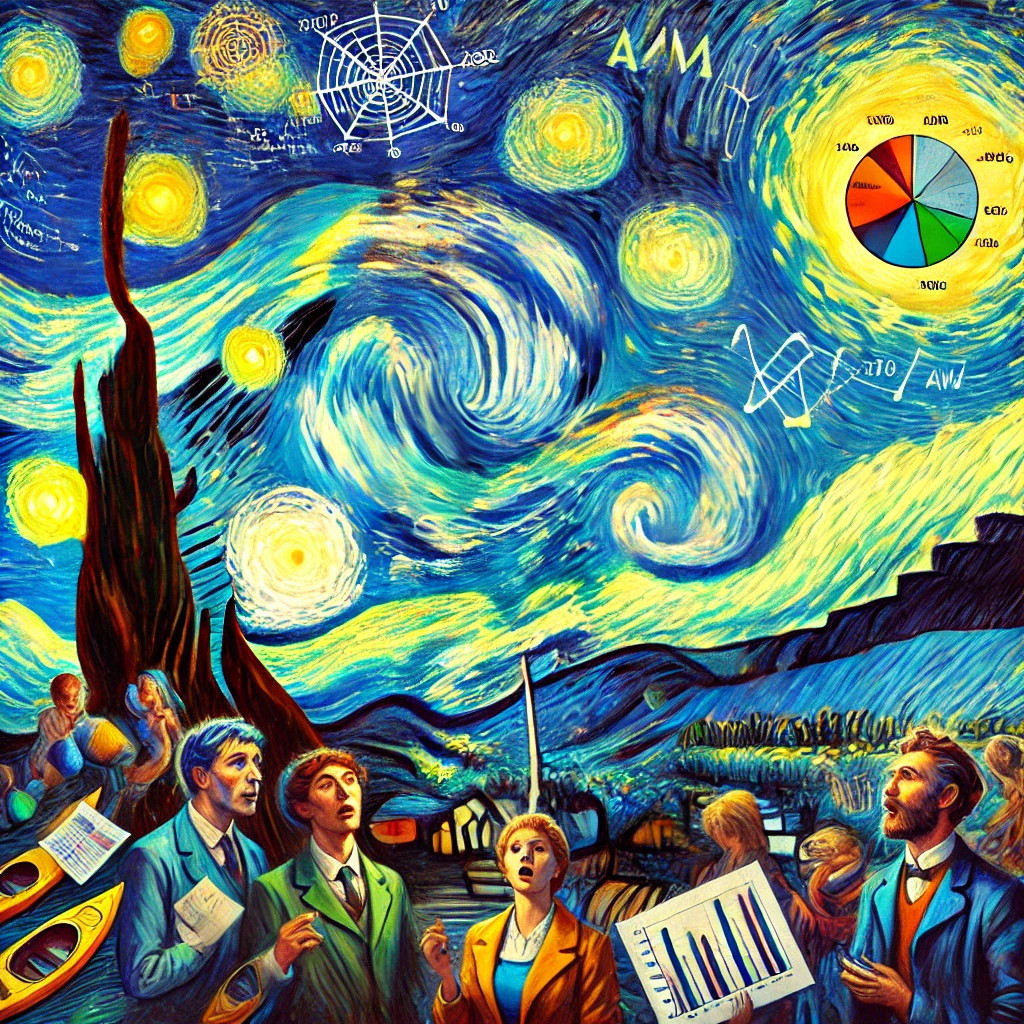
She produced a chart (made on Canva, which Mabel distrusted for being “too colorful to be reputable”) showing that residents who previously stayed home now attended:
-
every festival
-
every meeting
-
every protest about meetings
-
every event advertised as “limited seating”
“Population didn’t grow,” Trixie said. “Participation did.”
The room fell silent.
Mabel looked personally offended. “You mean to tell me we’re the too many people?”
“Sometimes,” Trixie said gently.
Boot leaned back. “Well, that would explain why Walmart feels impossible.”
Clovis folded his arms. “Nope. Outsiders. Gotta be the outsiders.”
ACT IV – The Outsider Question Explodes
Then came the data bombshell.
Sheriff Peeler reported that kayak sales had not, in fact, increased.
“Son,” Boot said to Clovis, “your entire argument hinges on kayak-related suspicion.”
Clovis stammered. “Maybe they’re hidin’ ‘em.”
Boot sighed. “People don’t hide kayaks, Clovis. They show ‘em off.”
A New Theory Emerges
As tension thickened, Mabel suggested a possibility no one wanted to hear:
“What if the town just feels smaller because we complain more loudly now? Like… the volume makes everything seem crowded?”
Boot nodded. “Facebook does amplify things.”
Clovis gasped. “You sayin’ the town ain’t full – just loud?”
“Yes,” Mabel said. “Overwhelmingly loud.”
Peeler nodded. “I’ve been tryin’ to arrest the noise for years.”
ACT IV – The Outsider Question Explodes
ACT V – The Final Vote That Wasn’t
After multiple meetings, a dozen charts, three community potlucks, and a heated debate over whether marrying a local automatically increased one’s residency score, the committee finally drafted its proposed definition:
Too many people = the precise number at which Sequatchie Crossing no longer feels like Sequatchie Crossing.
Boot Barnes read the statement aloud.
The room loved it.
Until Trixie Jo asked the fatal follow-up:
“And how do we measure that?”
Silence.
Boot cleared his throat. “Emotionally?”
Clovis nodded. “Spiritually.”
Mabel frowned. “Scientifically.”
Peeler sighed. “Apocalyptically.”
ACT V – The Final Vote That Wasn’t
They realized they had created a definition that was both perfect and unusable – Sequatchie’s signature achievement.
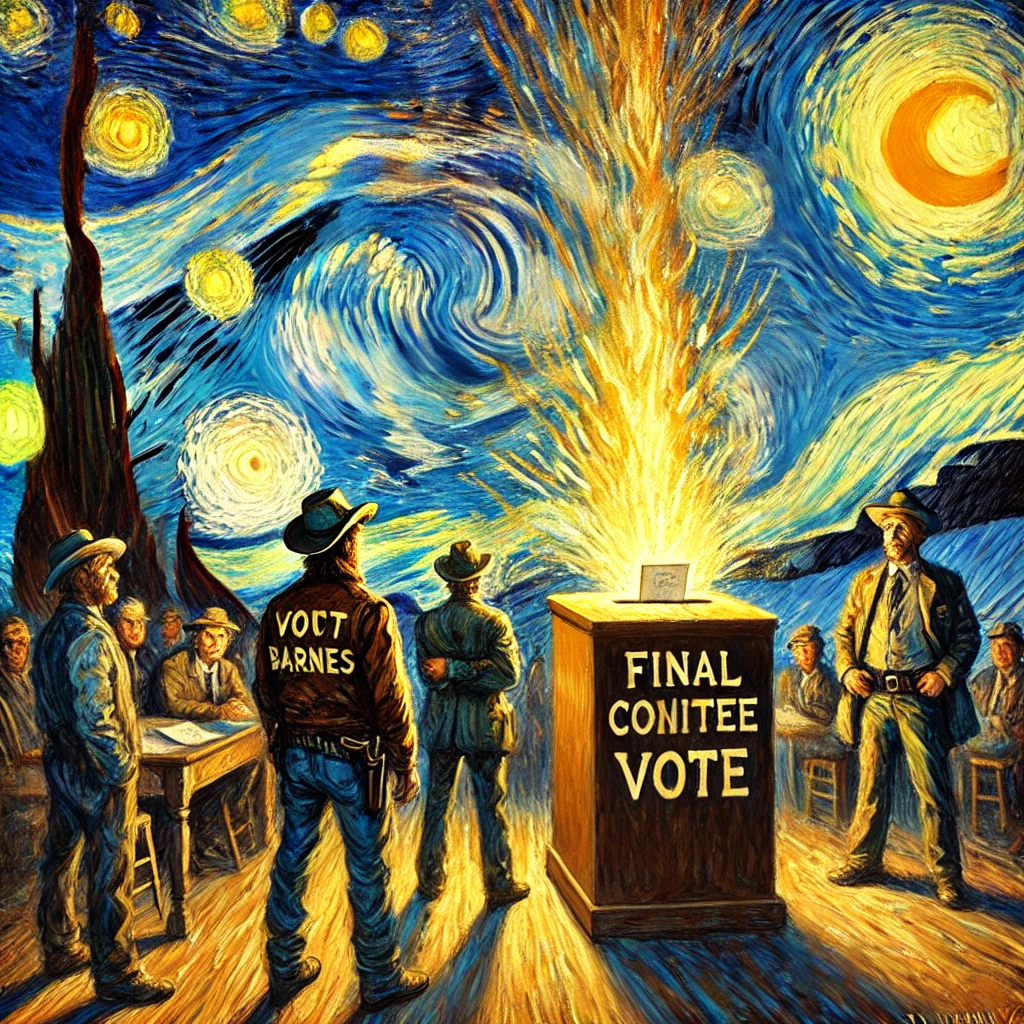
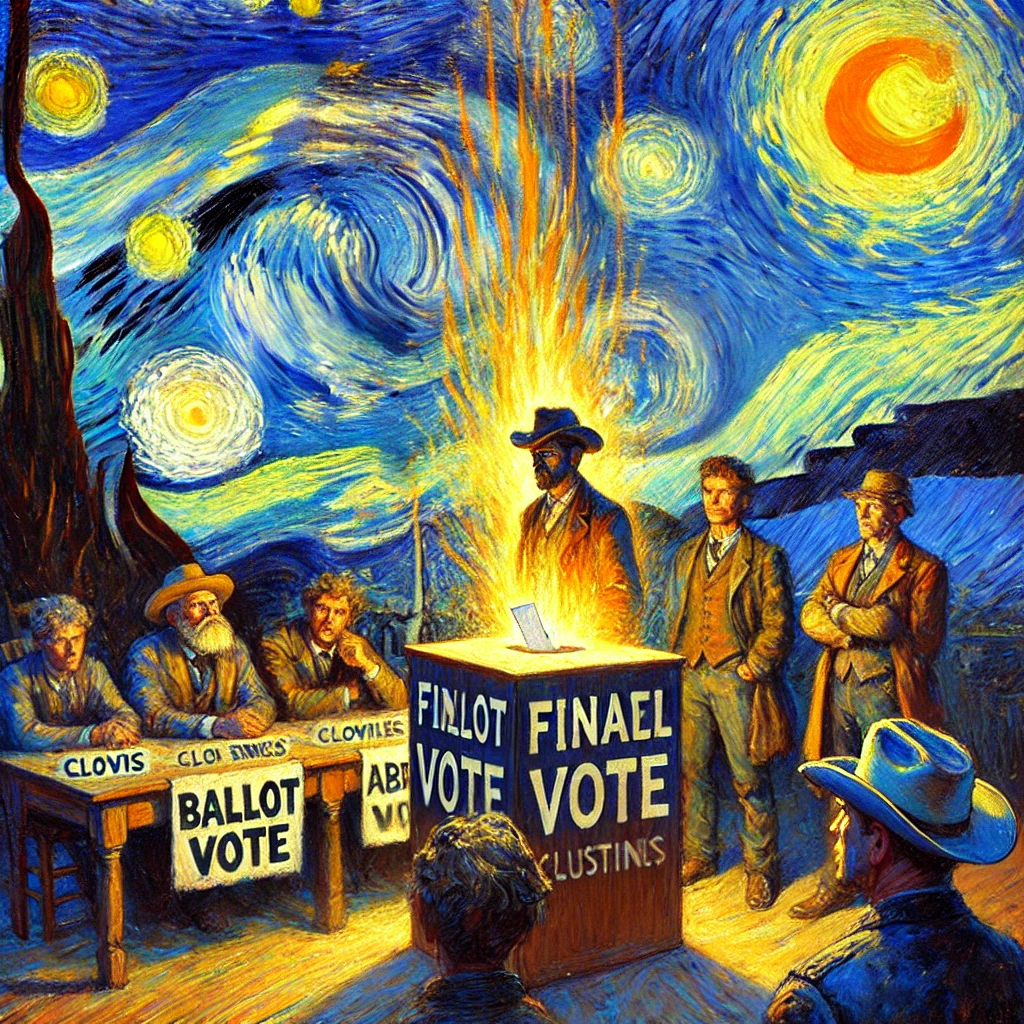
Boot took a vote.
The tally was 2 yes, 2 no, 1 abstain (Clovis abstained from his own proposal because he was suddenly unsure if he counted as a full person).
A tie.
Decision delayed.
Indefinitely.
Boot adjourned the meeting. “We’ll revisit this next year when emotions settle.”
“They won’t,” Mabel said.
“No,” Boot agreed. “But hope springs eternal.”
Sheriff Peeler added, “And paperwork multiplies eternal.”
Trixie Jo sighed. “So… no decision?”
Boot smiled. “In Sequatchie Crossing, indecision is decision.”
The townspeople accepted this completely. Most had expected it from the start.
ACT V – The Final Vote That Wasn’t
EPILOGUE – A Town That Counts in Its Own Way
Word spread that the zoning board had delayed the decision, but no one was upset. In Sequatchie Crossing, unfinished business was practically a heritage craft.
Some locals celebrated by claiming victory.
Some outsiders celebrated by continuing not to understand what the debate was about.
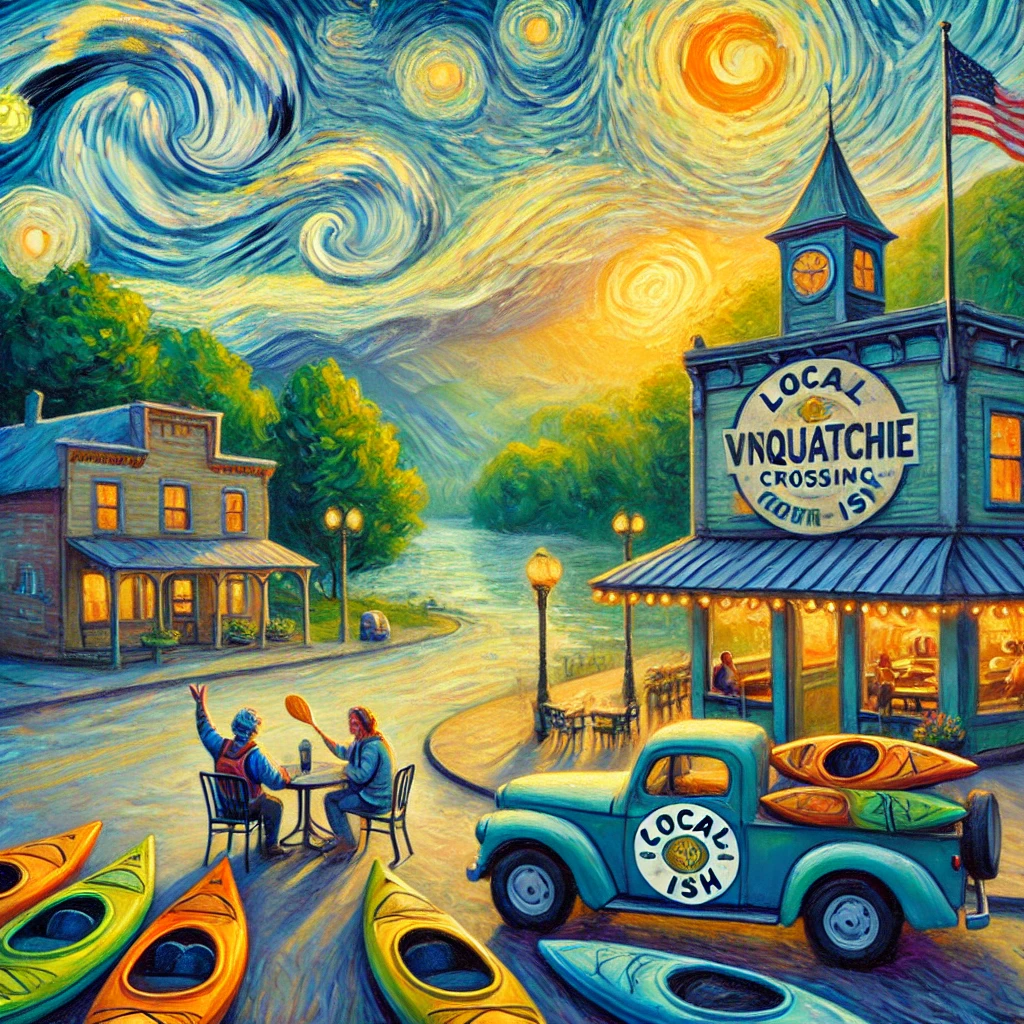
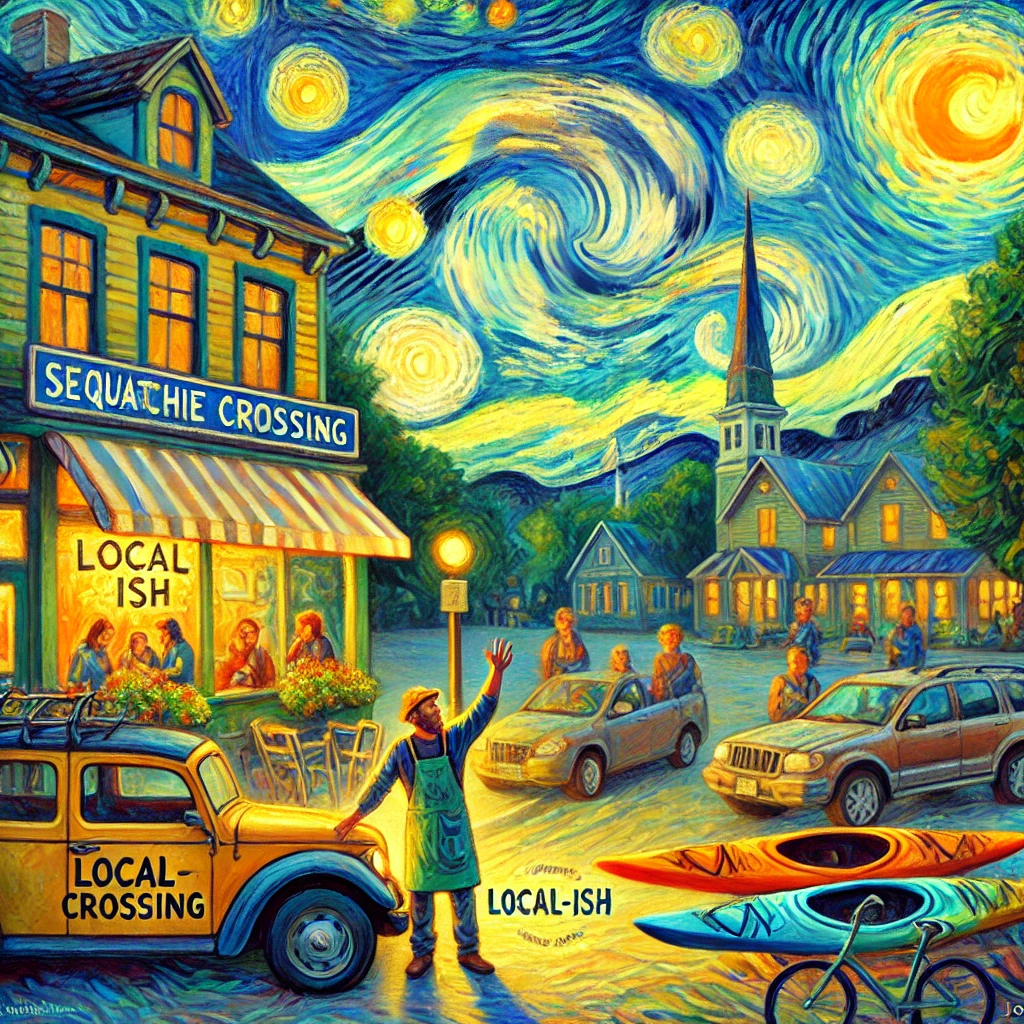
And Trixie Jo was seen in Mabel’s diner later that week, proudly wearing a sticker Mabel had given her:
LOCAL-ISH (ADJUSTED FOR POTLUCK ATTENDANCE).
EPILOGUE – A Town That Counts in Its Own Way
Clovis began designing new laminated badges.
Boot Barnes drafted a new notice clarifying the outcome but never posted it, fearing it would get stapled to the Conspiracy Board again.
Sheriff Peeler, relieved, went fishing for two days.
Sequatchie Crossing returned to its routine: friendly chaos, argument-based recreation, and uncountable people who sometimes felt too many and sometimes felt too few, but always – always – felt like home.
EPILOGUE – A Town That Counts in Its Own Way
DISCLAIMER
The Sequatchie Crossing Dispatch is a fictional, satirical account featuring recurring characters, community dramatics, and events that did not happen, but easily could’ve, given the right combination of potlucks, zoning confusion, and neighborly suspicion. Any resemblance to real persons, living or dead, is purely coincidental – unless they also once tried to mathematically redefine outsider-hood, in which case we are simply reporting the cultural moment.

Disclaimer – Zoning Board Forms Special Committee to Determine What too Many People Actually Means
Real Places Behind the Ruckus – From The Dunlap Directory
Real Places Behind the Ruckus – From The Dunlap Directory
Yes, this story was fictional; even the parts that weren’t true. These places? Absolutely real. Stop by, support local, and keep the Wi-Fi away from livestock:
- Ruby Falls
- Stoker + Bro’s Mowing + More
- S & S Farmers Market
- Sonic Drive-In
- Dunlap Pizza King
- Krispy Krunchy Chicken
- Church Trainer
- Valley Family Dental
- Caring Hearts of Dunlap
- Bryans Painting
- Dunlap Airpark
- Farm Bureau Insurance
- Bryant Self Storage
- Cane Creek Camp
- Davis Pond Camping Area

Real Places Behind the Ruckus – From The Dunlap Directory
At Sequatchie Crossing, we tell the stories of Sequatchie Crossing.
Please share this post with your friends, family, or business associates who may want follow the news from Sequatchie Crossing.

0 Comments