


By Tom Seest
At Sequatchie Crossing, we tell the stories of Sequatchie Crossing.
🎤 Audio Overview
The Surveillance Scandal At Dollar General – Checkout Conspiracies and Aisle 3 Revelations
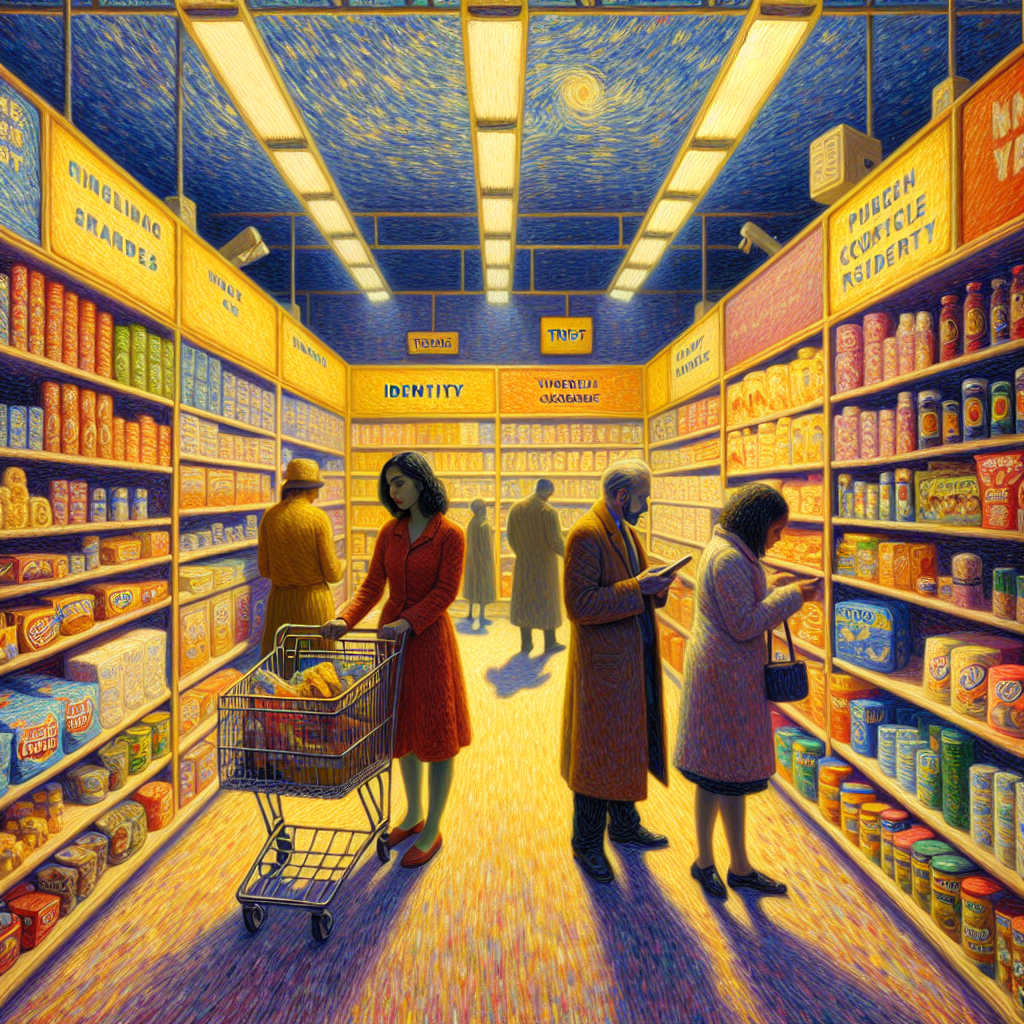
In Sequatchie Crossing, trust is earned slowly—like a crockpot dinner or Evelyn Grace Tipton’s forgiveness. So when whispers started circling about “eyes in the ceiling” down at the Dollar General, it only took about twelve minutes before the whole town was convinced they were starring in a live-action episode of Surveillance & Suspicion: Rural Edition.
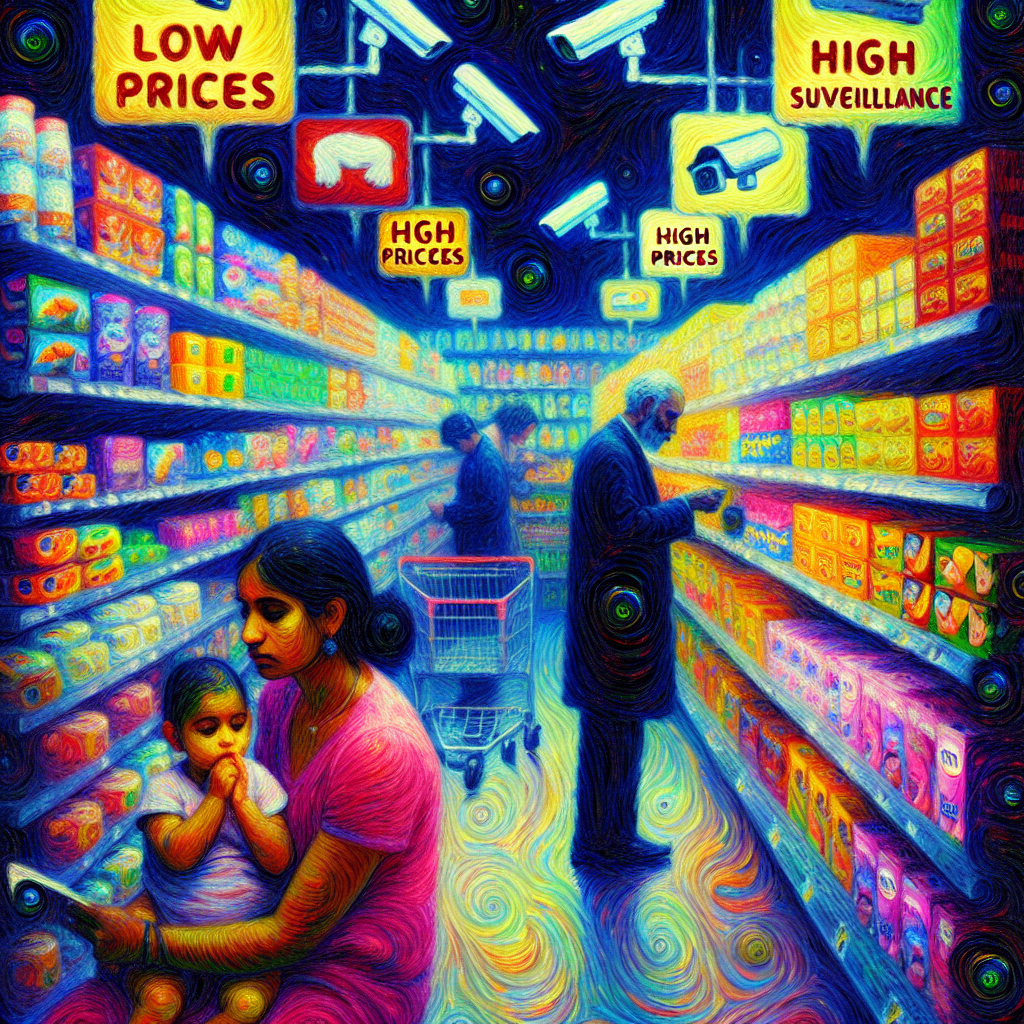
It all began when Clovis Strickland—our resident conspiracy enthusiast and amateur electrician—noticed a small black dome above Aisle 3. To most people, it looked like a security camera. To Clovis, it was a government-grade retinal scanner disguised as budget anti-theft equipment.
He brought it up at Coffee Club that morning, right between his theories on fluoride and his homemade lasagna coupon strategy. By noon, the story had evolved. It wasn’t just one camera—it was a “multi-agency surveillance grid targeting individuals who misuse BOGO offers.”
By 3 p.m., Boot Barnes was citing historical precedent, reminding everyone that during World War II, folks in Sequatchie “kept their curtains closed and their coupons close.” He then told a story about a ration-card forgery ring in 1944 that may or may not have involved his aunt and an illegal marmalade cartel.
Pastor Arnold Peeler added fuel to the fire when he mentioned during Wednesday prayer service that “the Devil’s always watching, even at the Dollar General.” He meant it spiritually. Folks took it literally.
That night, a small crowd gathered in the Dollar General parking lot with lawn chairs, binoculars, and one pair of night-vision goggles borrowed from Clovis’ cousin, who used them “strictly for wildlife observation.”
The Surveillance Scandal At Dollar General – Checkout Conspiracies and Aisle 3 Revelations
Doug “Doughboy” Teeter set up a laser pointer on a tripod to trace the “camera’s gaze trajectory,” which turned out to be aimed directly at the Pop-Tart shelf. Suspicious, indeed. Especially since it had recently been reorganized with an unexplained increase in toaster strudel offerings.
Mabel Dean Ashcroft cornered the assistant manager, a high school senior named Caleb, and demanded to know if the store was “selling our facial expressions to Walgreens.” When he said no, she asked if he’d put it in writing. He refused. She wrote it for him and filed it in her purse next to a list of known gluten-free heretics.
Shelley Wexler performed an aura cleansing in the freezer section using ethically sourced sage, a quartz cluster, and a Himalayan salt lamp plugged into the bread rack. Three customers slipped in the residual oils and had to be calmed with herbal tea from Aisle 5.
Lurleen Davenport tried to obtain security footage from the past 90 days under a self-declared “Freedom of Inquiry” act, which she printed at the public library and highlighted in three shades of red. She was politely redirected to the corporate website and not-so-politely to the exit by a part-time cashier with a nose ring named Tyler.
Meanwhile, Chester Ray “Print Shop” Blevins printed 200 flyers that read: “What’s Watching You While You Watch the Bargains?” and distributed them via windshield, library book returns, and passive-aggressive placement inside cereal boxes. He charged the city $0.15 per page.
But the real scandal broke when Clovis revealed he had installed his own camera inside a Tic-Tac display “to watch the watchers.” His evidence? A grainy 16-minute video of Mabel Dean practicing a speech to the town council while fondling a roll of paper towels and mouthing the word “infiltration.”
She was not amused. A cease-and-desist was read aloud in front of Aisle 7 while two employees quietly restocked beef jerky beside them.
The Surveillance Scandal At Dollar General – Checkout Conspiracies and Aisle 3 Revelations
Officer Kenny Joe Teeter, called in for peacekeeping, confiscated the Tic-Tac cam and announced, “I don’t know if it’s illegal, but it sure ain’t neighborly.” He then asked if anyone had seen his walkie-talkie, which he’d lost somewhere between the snack cakes and pet supplies.
The town council issued a temporary moratorium on self-appointed surveillance operations, including but not limited to drone footage, “espionage-themed scrapbooking,” and live-streaming from carts with cupholder GoPros.
Pastor Arnold preached a sermon titled “Eyes on the Lord, Not the Canned Goods,” which included a dramatic reenactment of the Book of Job in the seasonal aisle using pool noodles and duct tape.
Dollar General management responded by installing a new sign above the front entrance: “Smile, You’re Being Watched (By Jesus… and Also for Shoplifting).” It seemed to help.
As for Clovis? He now broadcasts a weekly YouTube show from his shed called “Aisle Truth: What They Don’t Want You to Know About Fluorescent Lighting.” It has 31 subscribers, one possum co-host, and a standing debate about whether frozen burritos can be used to triangulate surveillance frequencies.
In Sequatchie Crossing, the truth may be out there—but it’s probably wrapped in yellow price tags and hiding behind the cat litter.

Conclusion
At Sequatchie Crossing, we tell the stories of Sequatchie Crossing.
Disclaimer: This story is entirely fictional except for the parts that aren’t true. Any resemblance to real people, living or just stubborn, is purely accidental—but also maybe a little flattering. Sequatchie Crossing exists only in the minds of those brave enough to imagine a town where zoning laws, casseroles, and conspiracy cassettes collide in glorious disarray.


0 Comments