



Locals Divided Between Civic Pride and Existential Snack-Based Dread
By Tom Seest
At Sequatchie Crossing, we tell the stories of Sequatchie Crossing.
Please share this post with your friends, family, or business associates who may want follow the news from Sequatchie Crossing.
🎤 Audio Overview
Sequatchie Crossing Discovers Its True Shape – and It’s a Peanut
Dramatis Personae
-
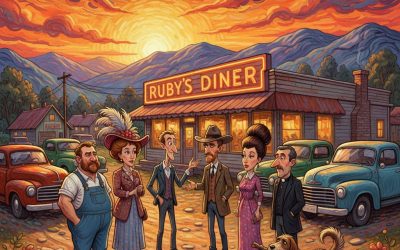
Wendell “Bud” Farley — early riser, reluctant discoverer of the Peanut.
-
Mayor Raylene Peeler — gavel-first leadership style, crisis-prone.
-
Sheriff Asa Peeler — Raylene’s cousin, constitutionally allergic to clipboards.
-
Pastor Lenwood Gentry — preacher with a fondness for visual aids and mixed metaphors.
-
Clovis Dillard — veteran of every committee since the Eisenhower administration.
-
Darlene Swofford — Chair, Bypass Committee; owns three highlighters and uses all of them.
-
Boot Barnes — town wild card; inexplicably crowned Miss Corn Festival one year and kept the sash.
-
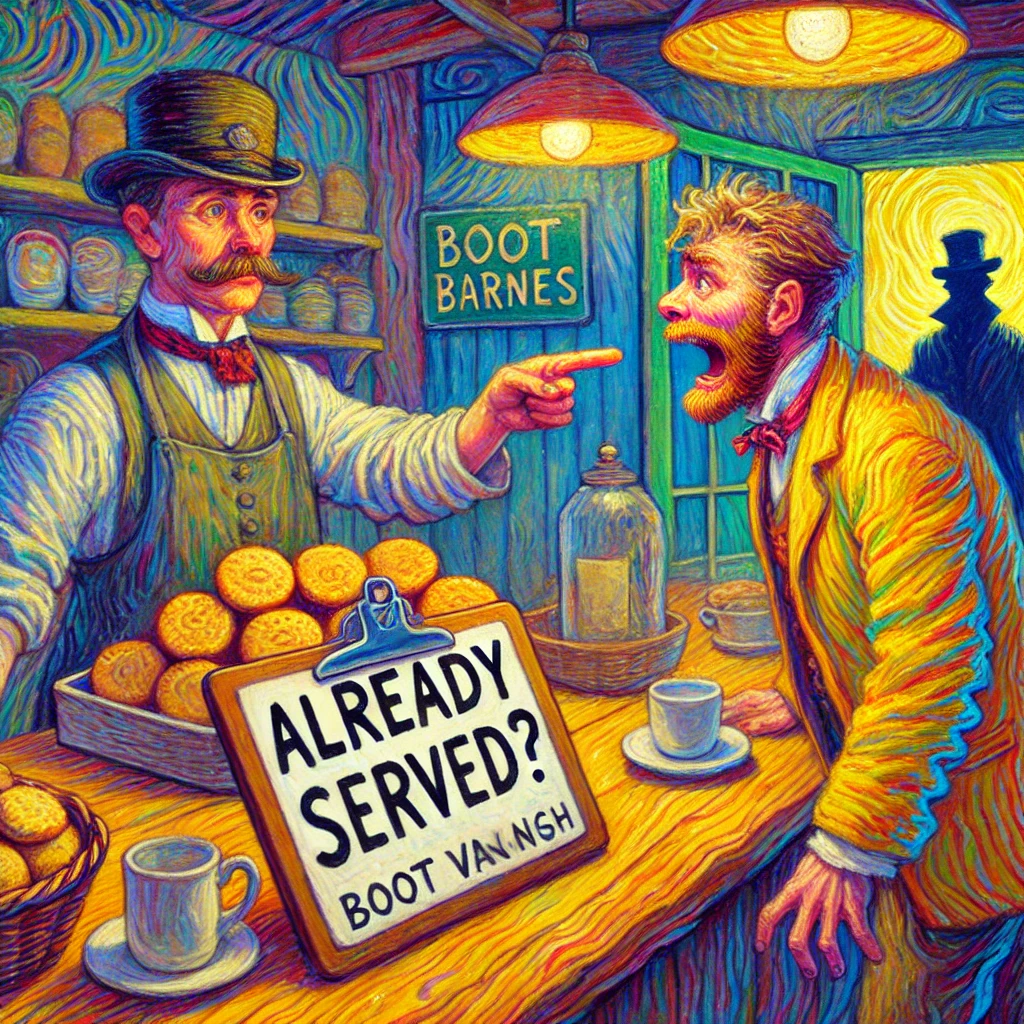
Mabel Dean — baker whose molasses muffins have moved policy, if not souls.
-
Marla Dean — Mabel’s niece; practical, brilliant, and dangerously persuasive with a whiteboard.
-
County Engineer Clint Mapes — human topographic map with an apologetic smile.

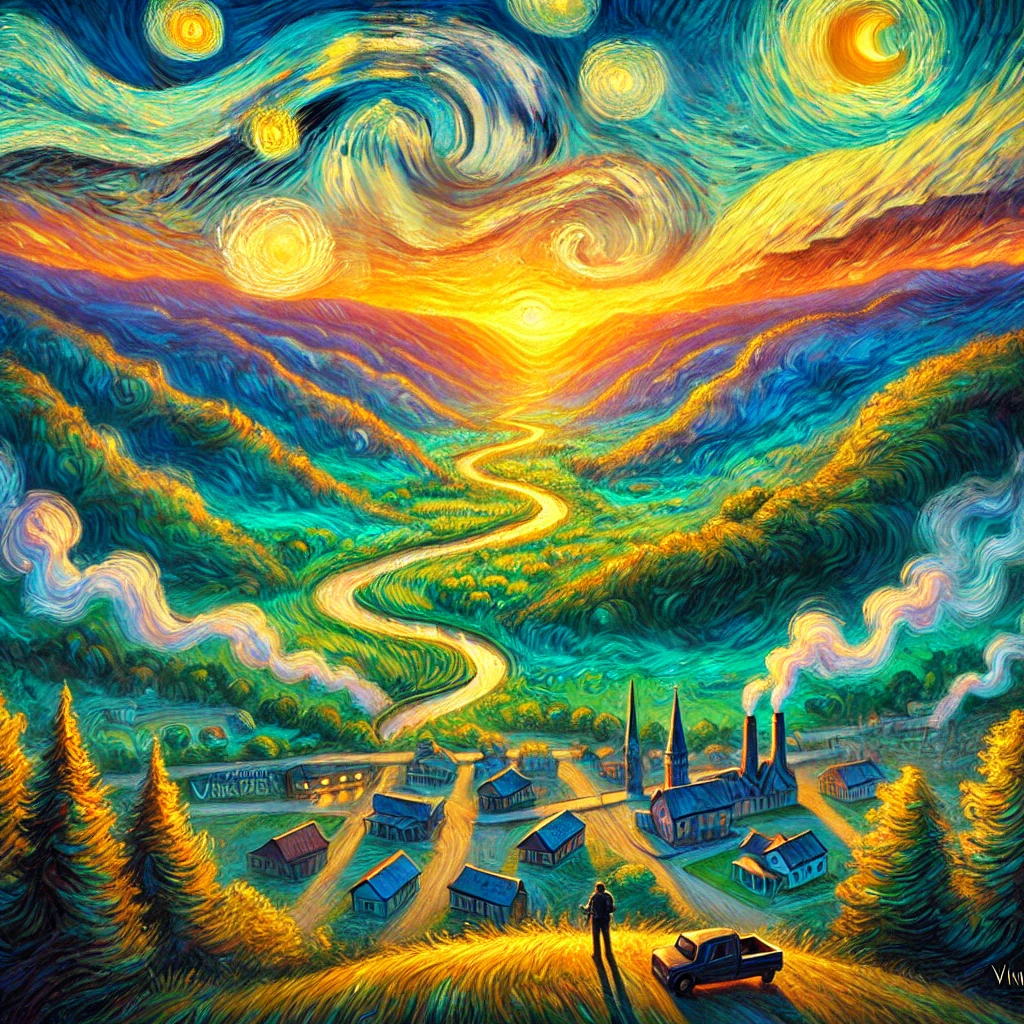
Excerpt Image – First Sight from the Ridge
Act I — The Revelation Atop the Ridge
Bud Farley had a ritual nobody respected but everybody relied on: every dawn he drove to the Sequatchie Scenic Overlook, parked his truck precisely halfway between the Scenic Overlook sign and the trash can that had never once contained trash, then stood with his thermos and listened to the big quiet.
On this particular morning the valley was stitched in fog, gray on gray, a comforter pulled up to the mountains’ chins. The first rays of sun slid down the ridgeline and set church steeples blinking awake. Bud shaded his eyes, took a long sip of coffee, and frowned. There it was—the town, two gentle lobes with a narrow waist, a perfect hourglass with aspirations of salt.
“Well, I’ll be dipped in peanut oil,” he said to the morning, which had so far been civil.
From the left side of the overlook came a rustle and a grunt. Clovis Dillard unfolded himself from a lawn chair that looked borrowed from a 1978 barbecue.
“You seein’ it?” Clovis asked without emphasis, as if he’d been waiting for years for someone else’s eyes to catch up.
Bud pointed. “That there. Two humps. Like a circus peanut, but God-made.”
Clovis nodded. “Knew it since ’93. Didn’t say nothin’. Folks weren’t ready.”
“You think they’re ready now?” Bud asked.
Clovis sighed. “Nope. But you discovered it officially, and you know how official discoveries go. Might as well get your speech pants on.”
By 8:10 a.m., Bud hadn’t finished his coffee before a teenager with a drone and a moral opposition to modesty captured aerial footage, uploaded it, and mislabeled the town as “Sequatchie Crossing (NUT SHAPED FR?)”. By 8:20 a.m., the video had more views than the Fire Department’s safety PSA about not deep-frying turkeys on porches. By 9:00 a.m., Mayor Raylene Peeler’s phone had 47 missed calls, all with the subject line EMERGENCY: WE ARE A PEANUT.
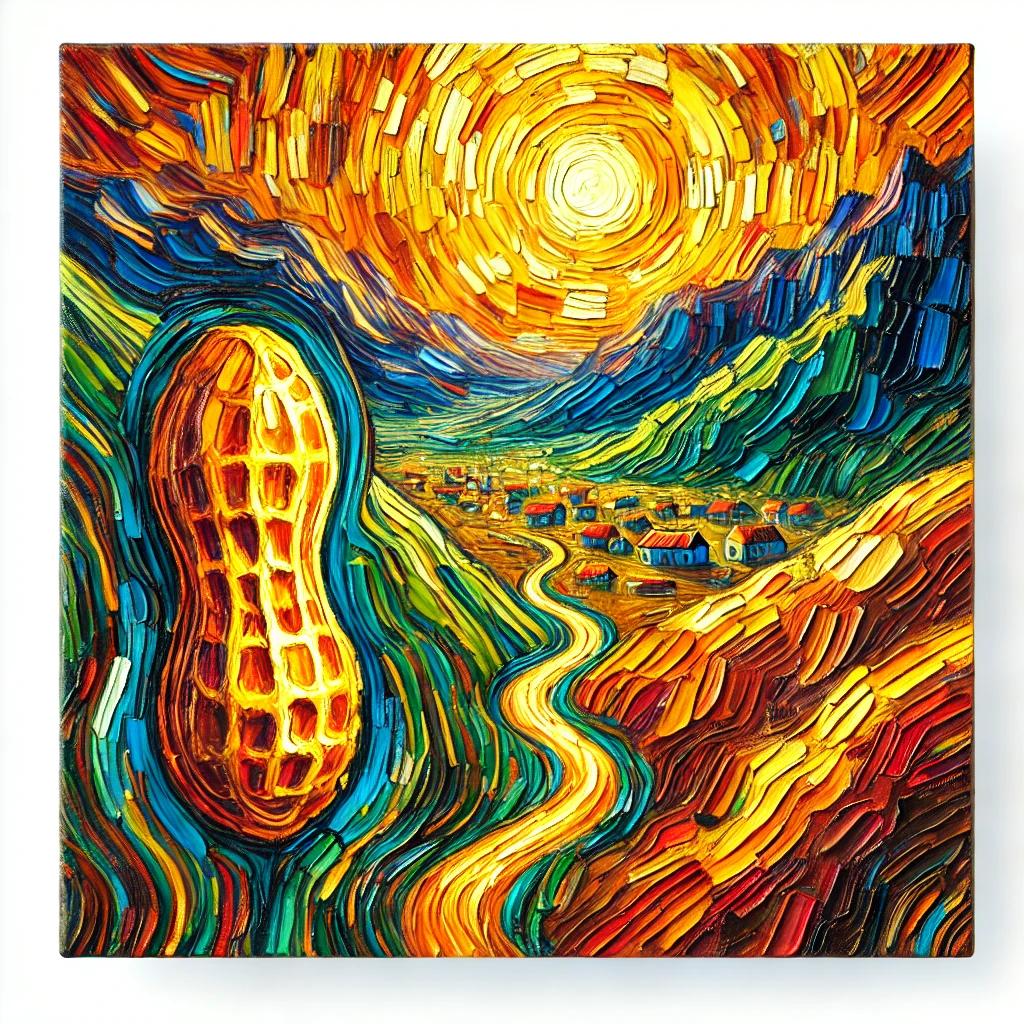
Act I – The Peanut Reveals Itself
Act II — Town Hall Opens the Jar
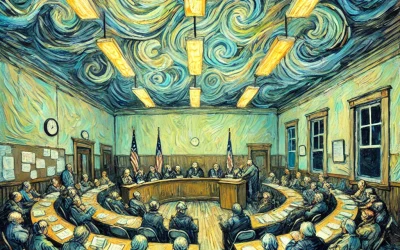
Mayor Raylene dropped her gavel so hard the dent looked litigious. The chamber was full of familiar faces arranged in unfamiliar alliances—Bypass Committee members sitting shoulder to shoulder with the Historical Society, diner waitresses flanking high school marching band kids who’d brought drums “in case rhythm was needed.”
“This emergency session will come to order,” Raylene declared. “First: I want the minutes to reflect that the town of Sequatchie Crossing did not consent to being legume-shaped.”
Councilman Harlan Bibb squinted over his half-moon glasses. “With respect, Mayor, nature don’t file consent forms.”
Darlene Swofford stood, neon highlighter like a lightsaber. “Madam Mayor, the Bypass Committee would like to note that if the town is peanut-shaped, then a bypass, logically, would circumnavigate the lobes and create—” she held up a laminated circle eight “—a Peanut Loop.”
A low growl collected from the gallery.
Boot Barnes leapt up, wearing the Miss Corn Festival sash. “I move we object in rhyming couplets—because if we’re gonna be ridiculous let’s be beautiful!” He cleared his throat:
“We beg you, do not make our map,
a snack that tourists long to tap.”
“Boot, please sit down,” Raylene said, but it lacked heat.
Clint Mapes—the county engineer who had the weary look of a man who’d tried to persuade streams to run straight—set a foam-core model on the table. It was unmistakable: two round-ish lobes joined by a curvy waist. A dotted line encircled it. Clint swallowed. “Ladies and gentlemen… the bypass follows existing contours to minimize cost and environmental impact. It… uh… it traces the valley. Which is, as you can clearly see, peanut-adjacent.”
“Adjacent?” Marla Dean said. “Clint, it’s a boiled peanut at a county fair.”
Gavel. Bang. Echo.
“Okay,” Raylene said. “Let’s hear the preacher before somebody writes a limerick about this.”
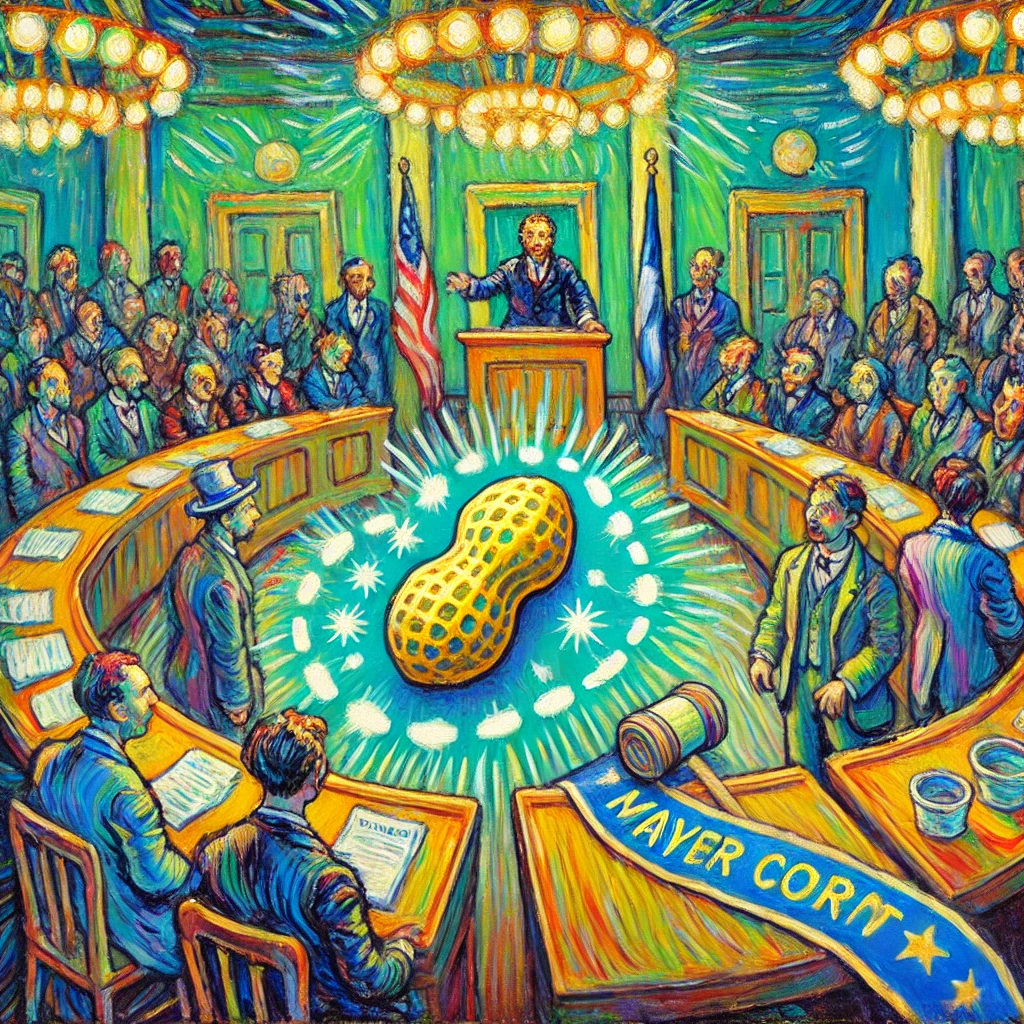
Act II – Gavel, Foam-Core, and Gasps
Act III — The Sermon of the Unshelled
Pastor Lenwood Gentry approached the lectern carrying a Bible, a laser pointer, and—God help the town—a chalkboard drawing of a peanut with arrows.
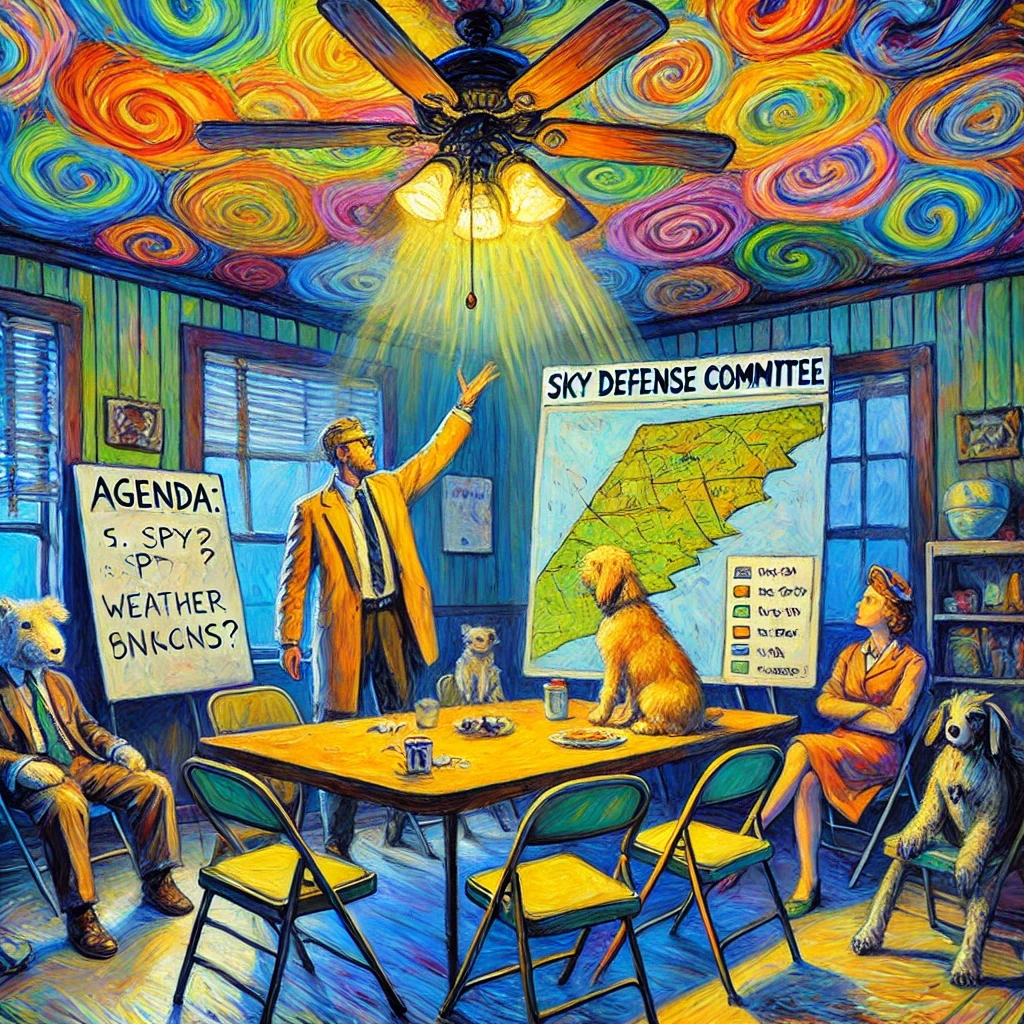
“My flock,” he began in a tone halfway between revival and weather report, “Scripture speaks of mustard seeds and lilies of the field. It does not mention peanuts. However—” He tapped the chalkboard. “—Paul reminds us that we are many members of one body. Friends, it appears we are also two lobes of one legume. The world will tell you this is comedy. I say it is covenant.”
Sheriff Asa Peeler coughed into his hand. “Preacher, you sayin’ the Lord wants a peanut bypass?”
“I’m saying the Lord wants unity,” Pastor Gentry intoned. “A bypass of bitterness, if you will. An inner circle of grace.” He drew, with drama, a loop around the peanut drawing. “If we must build a road, let it be the Inner Circle of the Roundabout—not a path around our neighbors, but a path that confirms we are connected.”
Boot whispered to Mabel, “Is he preaching infrastructure as sacrament?”
Mabel, who had smuggled in a pan of molasses muffins and was passing them out like communion, whispered back, “If it moves that man Clint to pick a lane, I’ll hand him two.”
Applause broke out—half devout, half desperate. The Bypass Committee sat like a jury in a cake trial.

Act III – Sermon of the Unshelled
Act IV — Peanut Panic in the Open Air
They held the first Peanut Bypass Rally in the Kroger parking lot because it had the loudest microphone and the most escape routes. The banner was handmade: “STRAIGHT ROADS FOR STRAIGHT TALK.” Right underneath, someone (Boot) had added, in cursive glitter glue: “…AND GENTLE CURVES FOR COMMUNITY.”
Darlene took the megaphone. “We reject the notion that a bypass must be comic. This town deserves dignity. We propose a Direct North–South Solution.”
Clint, invited to respond, lifted the mic like it weighed more than steel. “Direct routes require blasting the ridge on the north end, seizing three family farms, and building a bridge taller than the courthouse. That’s $38 million plus nightmares.” He tapped his foam-core again. “Or we can follow the valley and spend a fraction.”
A voice from the crowd: “But the shape, Clint! The shape!”
Clint nodded solemnly. “Roads don’t care about symbolism. Dirt does.”
Mabel stepped forward with a folding table draped in gingham. A handwritten sign: “Peanut Peace Treaties (Muffin Edition).” She passed muffins to both sides. The argument slowed into chewing, the time-honored Sequatchie de-escalation technique.
Then a high schooler fired up a projector and pointed at the drone footage paused on a perfect frame: the town’s pinched waist gleaming where the creek narrowed, neighborhoods swelling on either side like a cartoon cardio exam. Gasps scattered like sparrows.
A toddler pointed and shouted, delighted, “Pea-nut!”
The crowd went very still. It was one thing to hear it. Another to see it. The valley did not blink. It simply went on being what it had been long before asphalt had opinions.
Raylene took the megaphone, voice softer. “We are who we are. We can either spend the next ten years suing gravity or we can decide how to wear this.”
From the back of a pickup, Boot raised both hands. “I propose we wear it like a Saturday hat.”
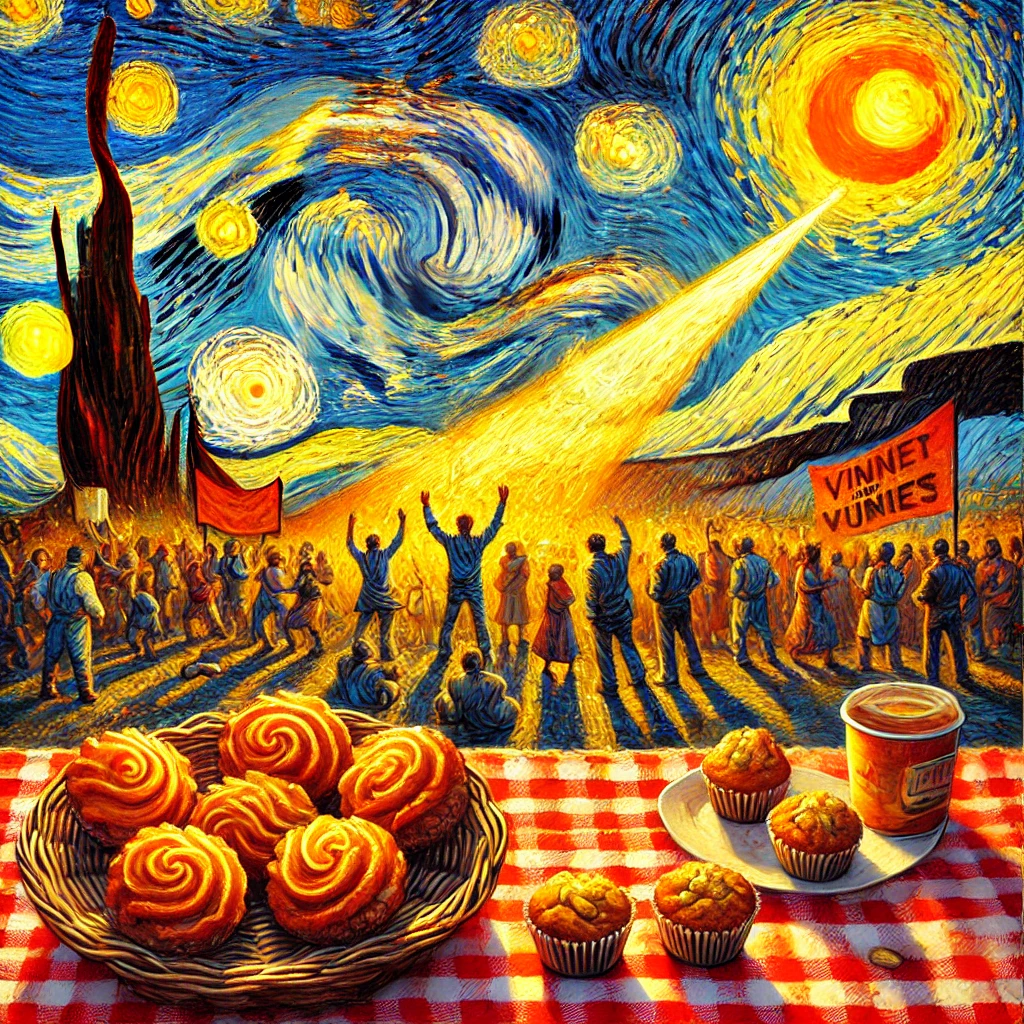
Act IV – Parking-Lot Rally
Act V — Bud Farley, Reluctant Prophet
Bud tried to hide by living his normal life louder. He re-mowed the lawn he’d mowed the day before. He re-stocked his own pantry, a hobby he didn’t know he had. It did not help. People found him because people will always find the person who didn’t ask to be important.
At Junior’s Barbershop, Bud got a trim that looked like someone had measured it for the council minutes. “Say the line,” Junior begged.
“Which line?”
“‘Dipped in peanut oil.’ Say it.”
Bud stared at the mirror. “Well, I’ll be dipped in—”
The shop erupted. Somebody popped a party popper. Someone else filmed. Bud paid and escaped through the back.
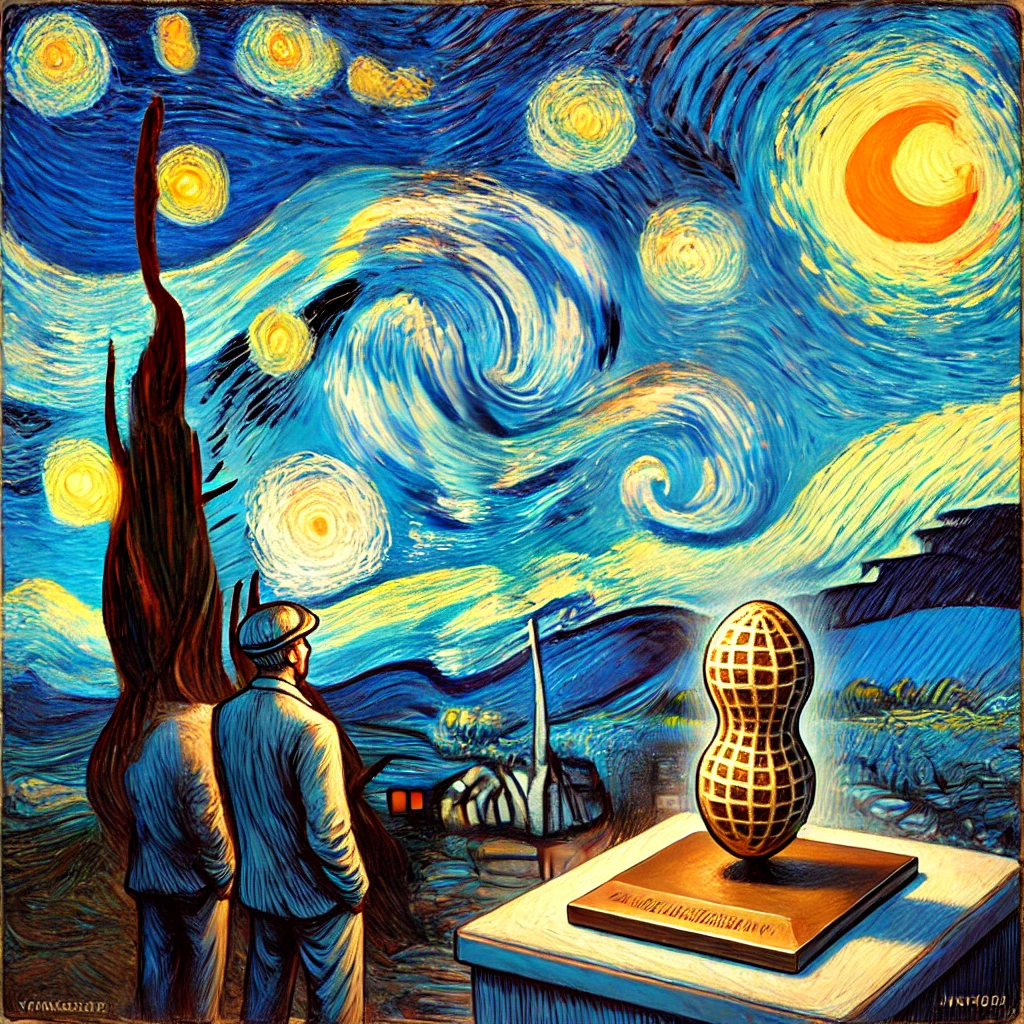
Two days later, Raylene called. “Bud, we’re dedicating a marker up at the overlook. Not a statue,” she added quickly, mindful of how Sequatchie had reacted to statues lately. “Just a tasteful bronze plaque. Says you made the discovery.”
“I didn’t make it,” Bud said. “I noticed it.”
“That’s discovery with paperwork,” she said. “We’ll keep it simple.”
When he arrived, the plaque had an embellishment he had not negotiated: a small bronze peanut at the corner, shiny and charming and unavoidable. The inscription read:
On this ridge, Wendell “Bud” Farley
Saw Sequatchie Crossing as it truly is,
And told the truth gently.
Bud swallowed around a feeling he did not have language for. It did not feel like pride. It felt like the warm ache of being accurately seen.
Clovis ambled up. “Not bad,” he said. “I figured they’d gussy it. They restrained themselves.”
“Clovis,” Bud asked, “why didn’t you tell folks in ’93?”
Clovis considered the mountains. “Because back then, we thought a shape could change us. Now I think we’re strong enough to change how we see a shape.”
Bud ran a finger over his own name in metal. “I hope you’re right.”
Act V – Plaque on the Ridge
Act VI — The Great Peanut Compromise
Weeks worked on the town like water on stone. The edge rubbed off the panic. Pastor Gentry’s “Inner Circle of the Roundabout” lingo slipped into ordinary speech. People started using “outer shell” and “inner nut” as unofficial neighborhood designations. The high school yearbook named the band’s halftime routine “The Shell Game.”
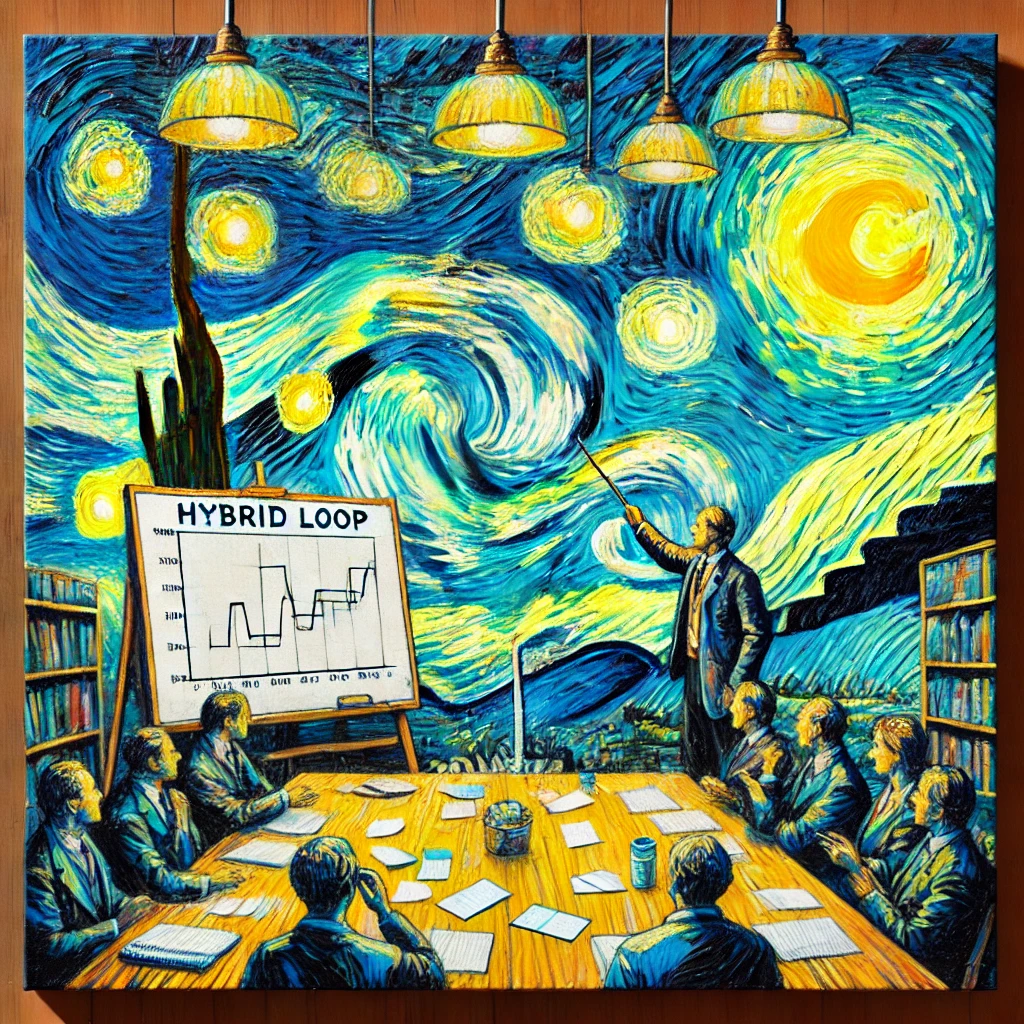
The Bypass Committee didn’t fold—their brand had grit baked in—but they rebranded: “The Alignment Coalition.” Marla, given a whiteboard and a captive audience at the library, drew a hybrid plan that won gasps and not a few amens.
“We do not have to lean into kitsch,” she said. “No giant smiling peanut statues on every corner. But we can acknowledge geometry without surrendering dignity. Here’s the pitch: The Sequatchie Crossing Heritage Loop.” She drew the peanut outline again, then overlaid three clean arcs. “A modest, curved bypass that follows the land. Four quiet exits, each serving a cluster: Schoolhouse Gate, Millbank, Overlook Turn, and Riverbend.”
Clint leaned forward, engineer’s eyes hungry. “Grade is doable. Drainage is friendly. These radii won’t scare the DOT.” He looked up at the room, almost pleading. “This isn’t comedy. It’s harmony.”
Darlene capped her highlighter like she was holstering a weapon. “We’ll want straight sectors labeled ‘honor segments.’ For morale.”
“Fine,” Clint said. “Short straight segments between curves. Like a hymn with verses.”
Pastor Gentry clapped once, involuntarily. “We accept the liturgy!”
Raylene stood. “Then let’s do the work. No more memes for a month. Meetings, surveys, stakes in the ground. We will walk the curve before we pave it.”
Boot whispered to Mabel, “If they ban memes, does that affect me personally?”
Mabel handed him a muffin. “Eat your feelings, dear.”
Act VI – Whiteboard Harmony
Act VII — The Peanut Festival Nobody Intended
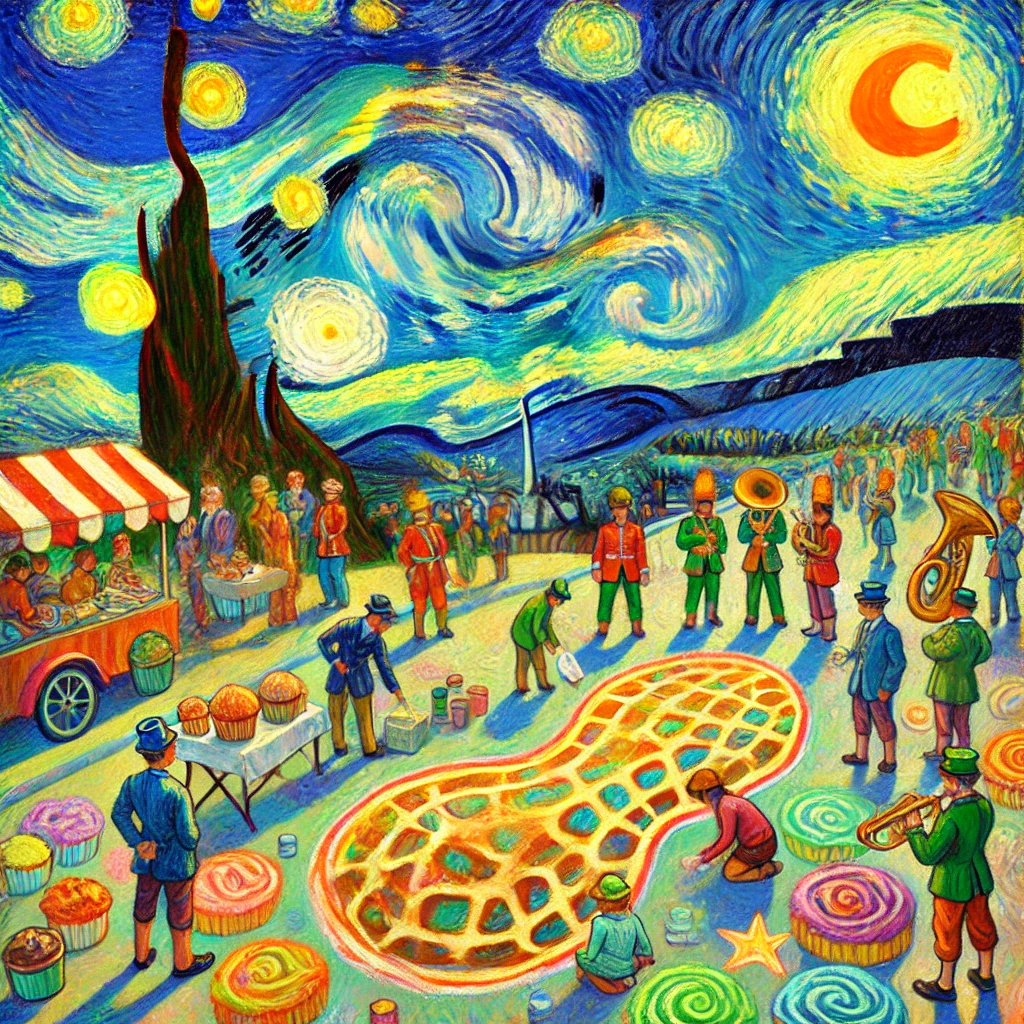
Sequatchie had not planned a festival. It simply woke into one Saturday in late September when the light was gold and the temperature did not demand an opinion. The Historical Society set up a table at the Overlook with sepia photos of the valley decades before, the same twin-lobed logic hidden in plain sight. The marching band played a medley suspiciously titled “Kind of Salty.” Kids chalked peanut outlines on the sidewalk and filled them with swirls like tiny Van Goghs. Someone roasted actual peanuts, and then someone else (Boot) roasted the roasters with a megaphone: “We are more than our legume!”
Vendors were warned off anything tacky and ignored the warning in tastefully creative ways: Peanut Brittle Britches sold aprons; Pea/Not sold shirts reading “Geometry, Not Destiny.” Mabel’s booth was mobbed; her sign read “Molasses Muffins — Shell Yes.” Sheriff Peeler confiscated the sign on principle, then bought two muffins and gave the sign back.
Marla set up an information tent with a scale model of the Heritage Loop. People traced the route with fingertips the way you trace a loved one’s handwriting. Every so often, someone would murmur, surprised by their own acceptance, “It’s… pretty.”
Bud kept to the edges, as was his way, until Raylene hauled him to the microphone.
“Say the line,” a teenager yelled.
Bud sighed. “No.”
The crowd laughed. The pressure lifted.
He cleared his throat. “All I did was look. I reckon we all did today. Seems to me the ridges been patient with us. Maybe we can be patient with each other. Roads ain’t just asphalt. They’re a promise you make to places you haven’t met yet.”
The applause had that layered tone—hands clapping for the words, the town, and the relief of not being a punchline.
Act VII – Unplanned Festival
Act VIII — The Satirical Ending We Deserve (and Secretly Want)
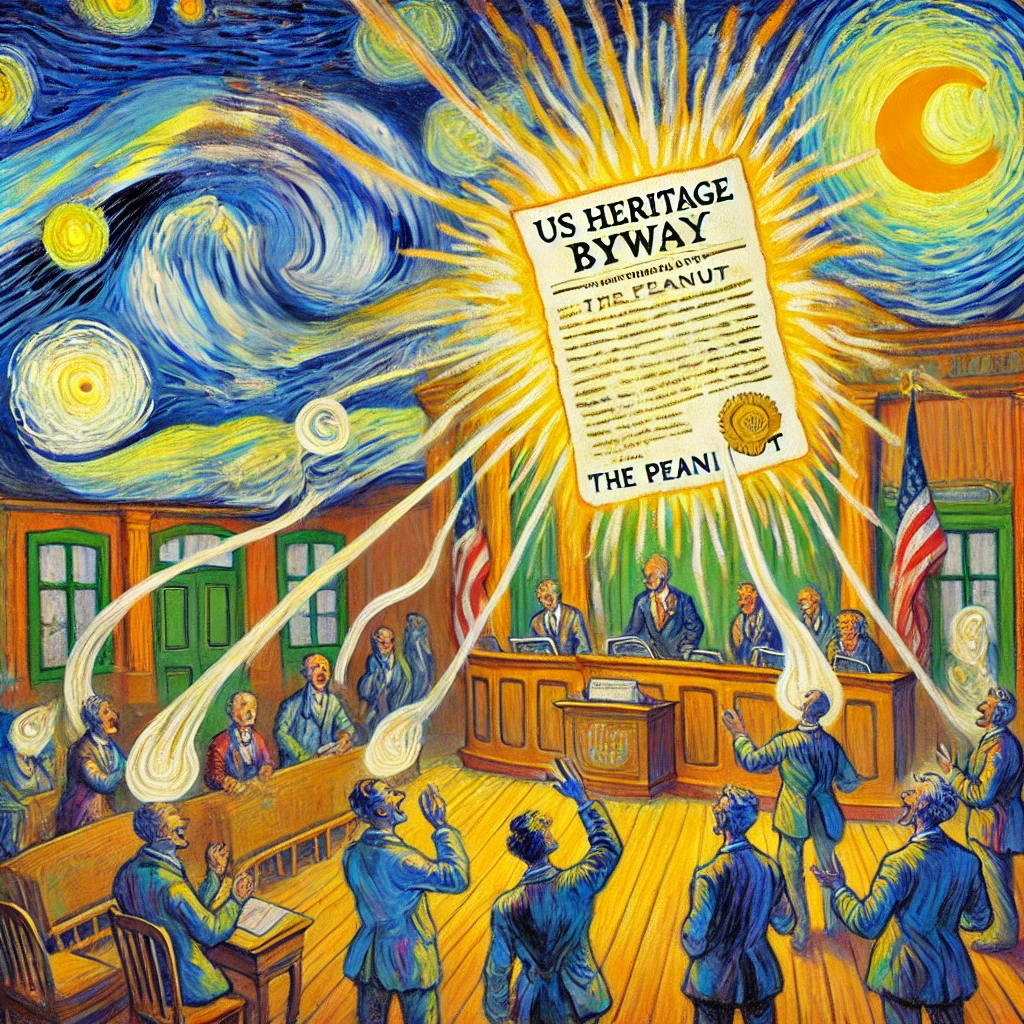
Three months later, Sequatchie Crossing received a letter thick with seals, ribbons, and bureaucratic cologne. Raylene read it aloud at Town Hall while Clint stared at it like it might sprout culverts.
Dear Mayor Peeler and Esteemed Residents of Sequatchie Crossing,
The U.S. Department of Transportation, in partnership with the Department of Agriculture and the National Museum of Peculiar Geography, is excited to award your town a grant under the brand-new Cultural Cartographies Initiative.
Your proposal for the Sequatchie Crossing Heritage Loop has been selected as a pilot for our Geometric Identities Program, Category: Natural Legumes.
Funding includes:
Construction of a Tasteful Interpretive Center (no mascots larger than a pickup).
Four artist-designed Gateway Markers acknowledging your valley’s twin-lobed form in an understated manner.
Educational signage titled “From Shell to Self: The Story of a Town Shaped by Land.”
Addendum: Due to federal naming conventions, the bypass—once constructed—must be cataloged in the National Scenic Byways Registry as “US Heritage Byway: The Peanut.”Congratulations. Please acknowledge within 30 days by signing the attached memorandum (Form 602-PNT).
Sincerely,
Acting Undersecretary for Shapes
Silence swallowed the room. Then: sputters. Then howls. Then, like rain turning to sun, laughter that refused to stop.
Boot raised a hand. “So… we spent all this time avoiding kitsch and the federal government just rolled in with a velvet sledgehammer named ‘Undersecretary for Shapes’?”
Clint pinched the bridge of his nose. “The sign package will be… substantial.”
Darlene stood slowly, highlighter trembling. “I want it known for the minutes that I opposed this before I knew it existed, and I support it because it is inevitable.”
Raylene exhaled through a smile that understood defeat and called it partnership. “Well, neighbors, I reckon we’re going to be on a map people actually keep.”
Pastor Gentry folded his hands. “The Lord moves in mysterious geometries.”
Sheriff Peeler squinted at the letter. “Says here the interpretive center’s gift shop must stock educational snacks.”
Mabel brightened. “I can live with that.”
And so it was that Sequatchie Crossing, having fought symbolism with sincerity and won only a tie, accepted federal funding for a future in which bus tours would stand at the overlook and a guide would say, “Behold the Peanut,” and locals would answer, with practiced dignity, “Welcome to the valley. We were always this shape.”
That night, Bud drove to the ridge. He parked in his exact spot. The plaque caught starshine. The valley rested, unbothered by letters, titles, or signage—two soft lobes with a creek for a waist and porches flickering like embers.
“Well,” Bud said to the quiet. “Alright then.”
The mountains said nothing, which is how mountains say amen.
Act VIII – Undersecretary for Shapes
Disclaimer
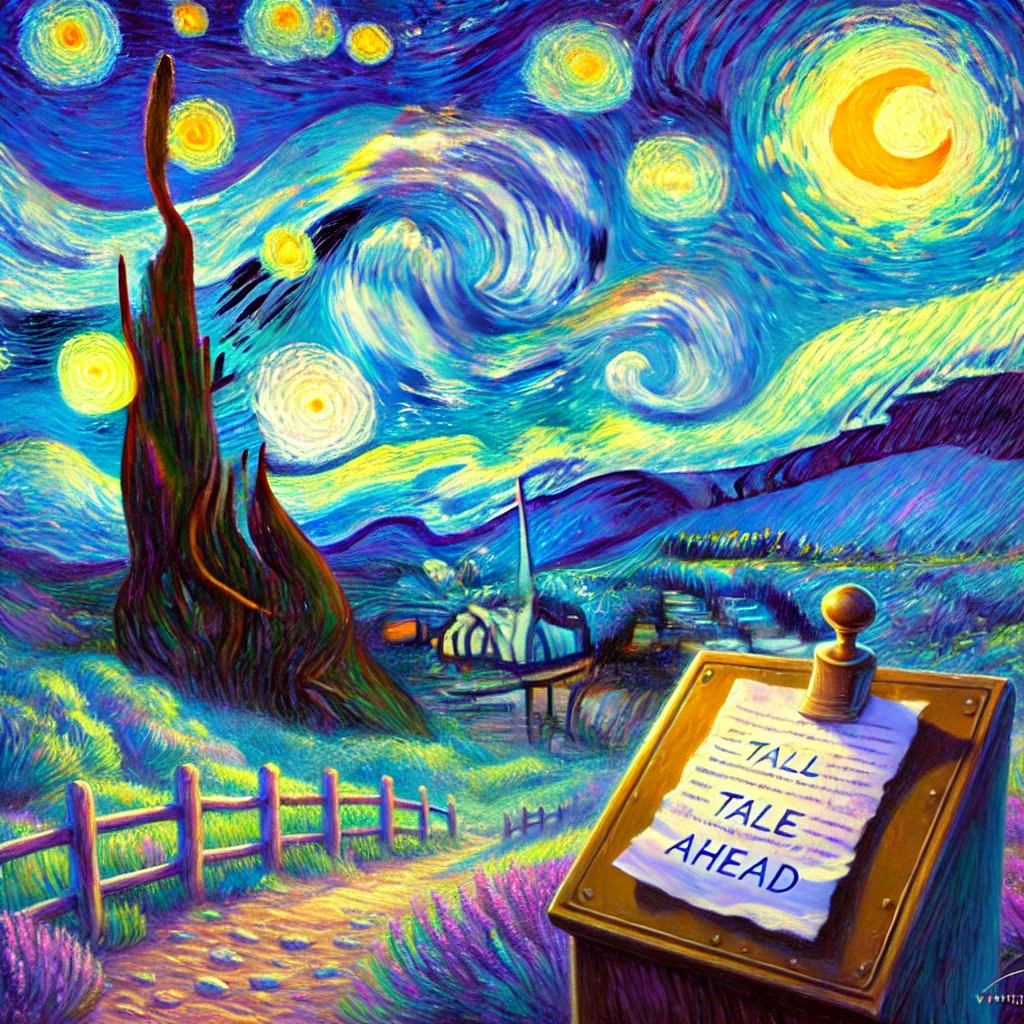
The following story is a work of fiction and satire set in the fictional town of Sequatchie Crossing. While inspired by real places and small-town life, all characters, names, and events are entirely fictional and used for humorous and narrative purposes only. Any resemblance to actual persons, living or dead, or to real businesses, organizations, or geographic sites, is purely coincidental. Sequatchie Crossing exists only in imagination — a place where humor, heart, and the occasional roundabout meet beneath the Tennessee sky.
Disclaimer
Real Places Behind the Ruckus – From The Dunlap Directory
Real Places Behind the Ruckus – From The Dunlap Directory
Yes, this story was fictional; even the parts that weren’t true. These places? Absolutely real. Stop by, support local, and keep the Wi-Fi away from livestock:
- Mt. Airy RV Park
- Brandon’s Tree Service
- John Paul’s Cycle Shop
- Dunlap Plumbing Company
- J & J Complete Car Care
- Agricultural Extension Services
- R and R RV Campground
- Sequachee Valley Electric Cooperative
- Sequatchie Valley Homestead
- Coops Creek Greenway
- Diane Mahoney
- Spee-D Tires
- First Farmers And Commercial Bank
- Deakins Underground
- Cedar Springs Bakery
- Sequatchie Valley Lodge
- Shadowlands RV
Real Places Behind the Ruckus – From The Dunlap Directory
At Sequatchie Crossing, we tell the stories of Sequatchie Crossing.
Please share this post with your friends, family, or business associates who may want follow the news from Sequatchie Crossing.

0 Comments