


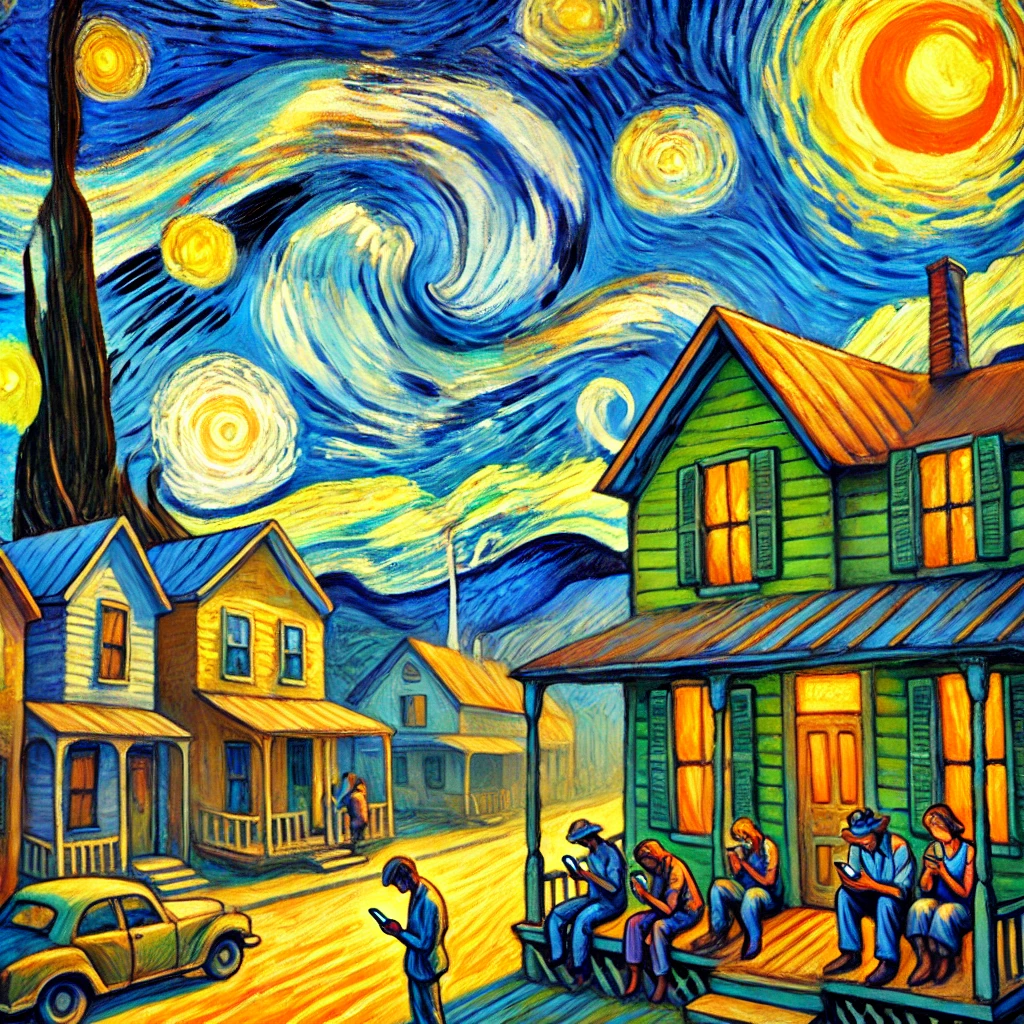
People Tag Neighbors Who Are Standing Ten Feet Away.
By Tom Seest
At Sequatchie Crossing, we tell the stories of Sequatchie Crossing.
Please share this post with your friends, family, or business associates who may want follow the news from Sequatchie Crossing.
🎤 Audio Overview
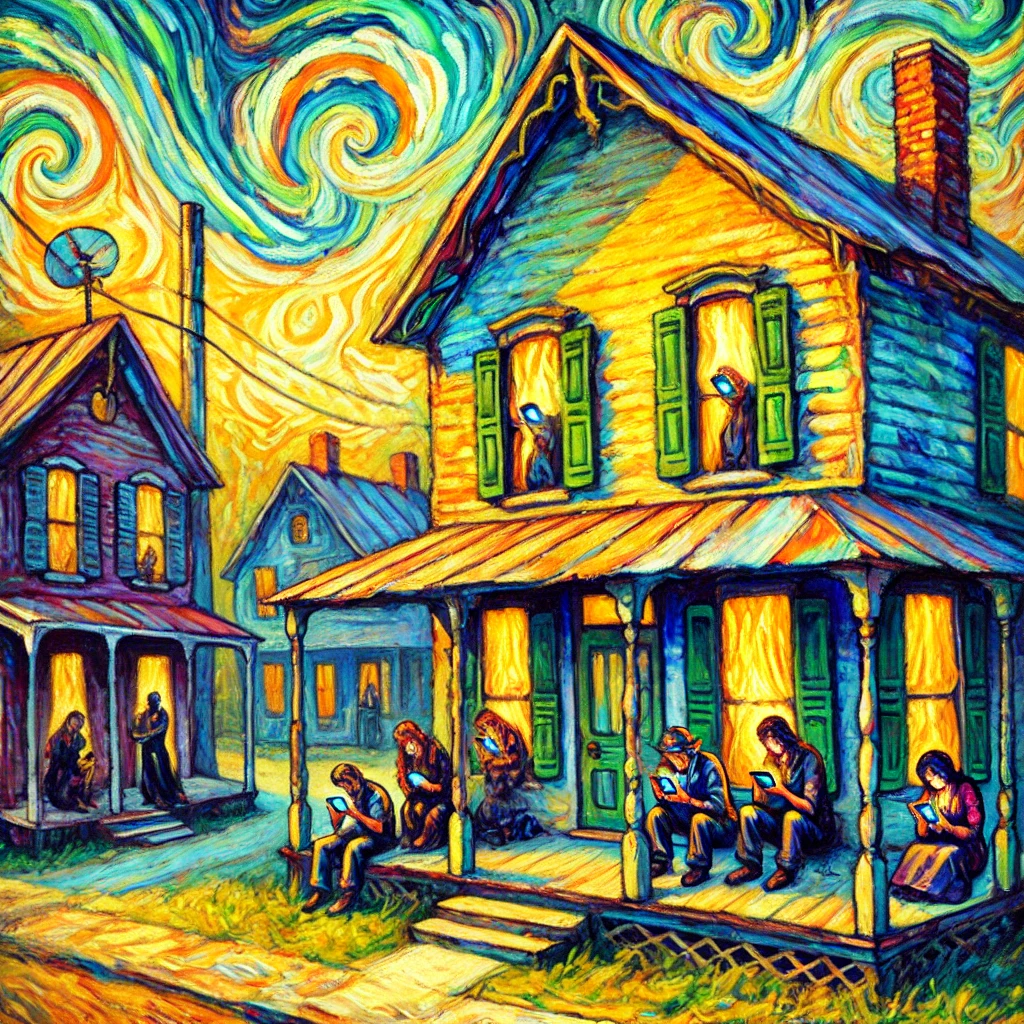
Sequatchie Residents Stop Knocking on Doors – Just Post Instead
Act I: The Last Knock
The last recorded door knock in Sequatchie Crossing happened on a Tuesday, which already put it at a disadvantage.
It was 3:42 p.m., warm but not ambitious about it, the kind of afternoon where nothing important was scheduled but everyone was alert just in case something tried. The knock itself was polite – two taps, a pause, then a single follow-up tap as if the knocker worried they’d come on too strong.
Inside the house, the response was immediate and defensive.
Lights were turned off.
The television was muted mid-sentence.
Someone whispered, “Are we expecting anybody?”
No one answered.
From the outside, the knocker – Harold Fentress, retired, harmless, holding a Tupperware container of deviled eggs – waited long enough to become suspicious of himself. He checked his phone to make sure he hadn’t already posted instead. He hadn’t. That, in hindsight, was the mistake.
Across the street, a curtain twitched.
Within three minutes, the local Facebook group Sequatchie Crossing Community Watch & Lost Items (NO DRAMA) had a new post:
“Does anyone recognize a man knocking on doors on Ridge View Drive?? Not accusing, just asking.”
By the time Harold made it back to his car – eggs unshared, reputation damaged – there were already fourteen comments, three screenshots, and one theory involving “marking houses.”
The door knock, once a social courtesy, had officially become an event.
ACT I — The Last Knock
Act II: The Rise of the Post
Sequatchie Crossing didn’t stop knocking on doors all at once. That would have required coordination.
Instead, the habit faded quietly, like handwriting or answering the phone without letting it ring twice. It was replaced not by silence, but by posting.
If you needed to borrow a ladder, you didn’t walk next door anymore. You posted:
“Does anyone on Maple Lane have a ladder I could borrow for, say, 20–30 minutes? Tagging my neighbors so they see this ❤️”
The neighbors, tagged and visible through the window, responded from their couches.
“We do, but it’s currently behind the shed.”
“We’d have to move the mower.”
“Is this for something urgent or more of a weekend thing?”
By the time consensus formed, the ladder felt emotionally unavailable.
Knocking had required immediacy. Posting allowed reflection, disclaimers, and the opportunity to be helpful without actually standing up.
It also created a record.
A knock disappeared the moment it happened. A post lived forever, searchable, screenshot-able, and open to interpretation by people who didn’t live anywhere near the situation but felt called to weigh in.
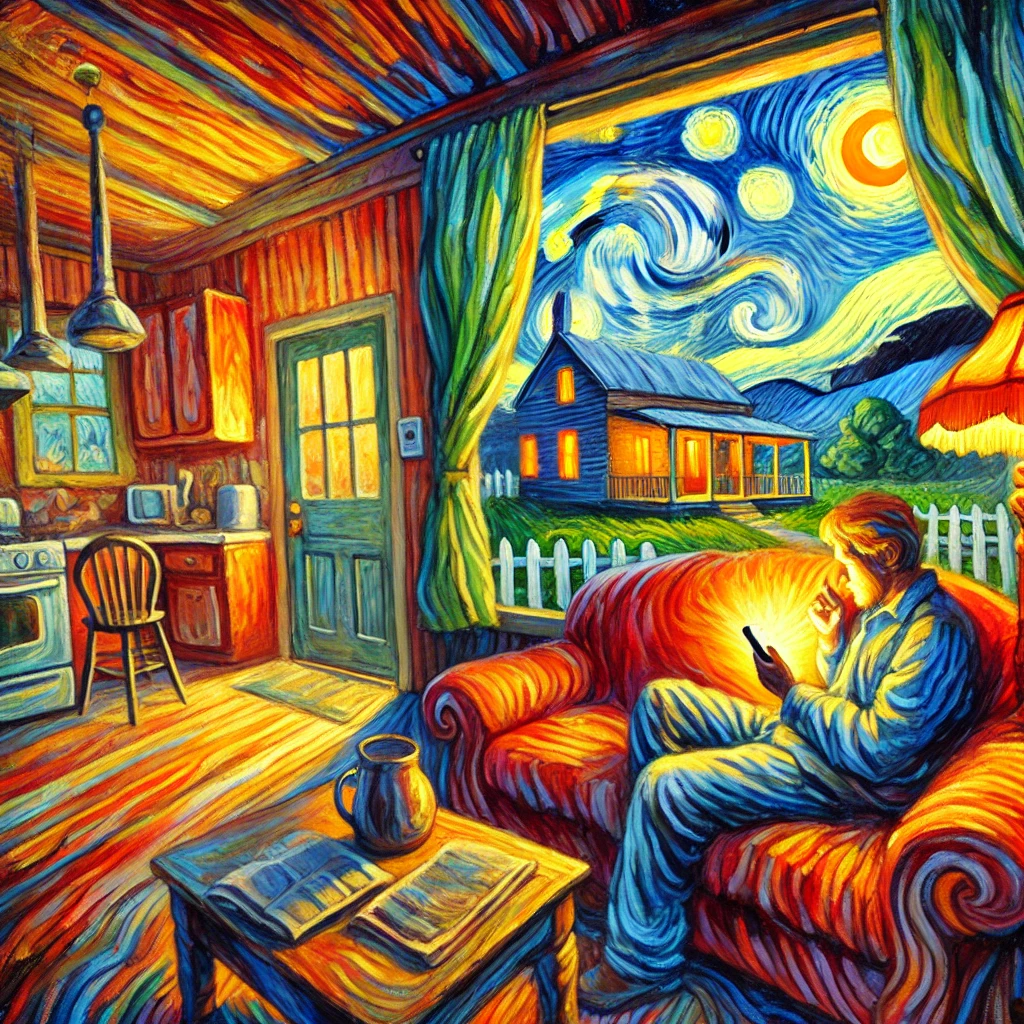
ACT II — The Rise of the Post
Act III: The Ten-Foot Rule
The moment everyone agreed something had shifted came during the Power Outage Incident, which technically lasted eight minutes but felt longer because it interrupted dinner.
When the lights went out on Oak Hollow Road, five neighbors immediately posted about it – each from within eyesight of one another.
“Anyone else lose power??”
“Oak Hollow dark over here.”
“Tagging my neighbors to see if it’s just us.”
Within seconds, they were all tagged in one another’s posts, confirming what they already knew while standing ten feet apart in their respective kitchens.
No one stepped outside.
No one yelled, “Hey, is your power out too?”
That would have required opening a door, which now carried implications.
Instead, they watched the comment count climb and felt reassured by engagement.
The power came back on without ceremony. No one posted that part.
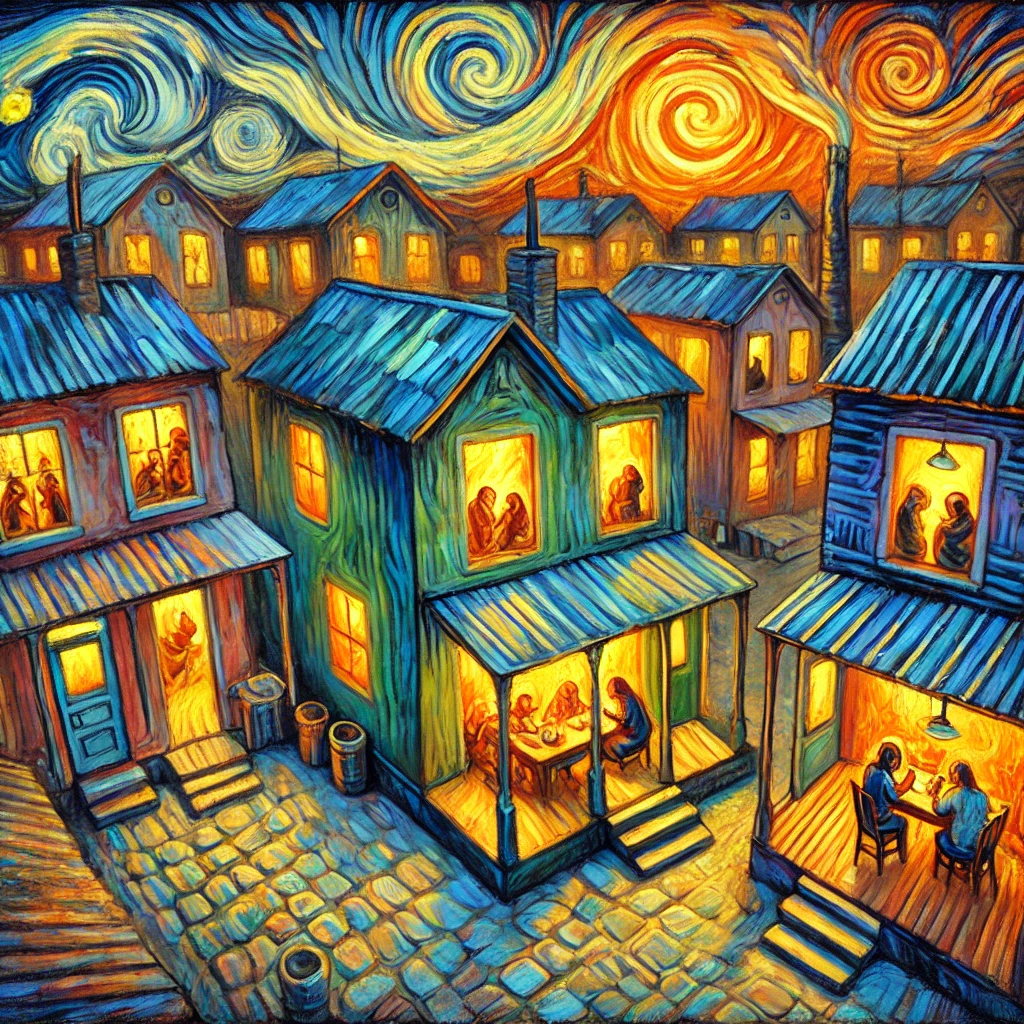
ACT III — The Ten-Foot Rule
Act IV: Mabel Dean’s Theory
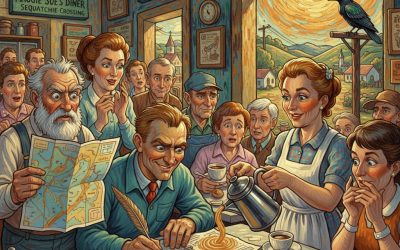
Mabel Dean, who remembered knocking on doors when knocking still meant something, offered a theory during coffee hour.
“It ain’t that folks are antisocial,” she said, stirring sugar she didn’t plan to drink. “It’s that knocking asks for permission to be present. Posting just asks for attention.”
Mabel had been the last person in town to knock without preamble. She’d knocked to return a casserole dish, to warn about a loose cow, once even to ask if someone had seen her mail.
That last one had not gone well.
Someone had filmed her through the peephole.
Since then, Mabel posted like everyone else. But she never liked it.
“You knock, you risk rejection quietly,” she said. “You post, you risk judgment publicly. Folks prefer the kind where everybody else is at fault.”
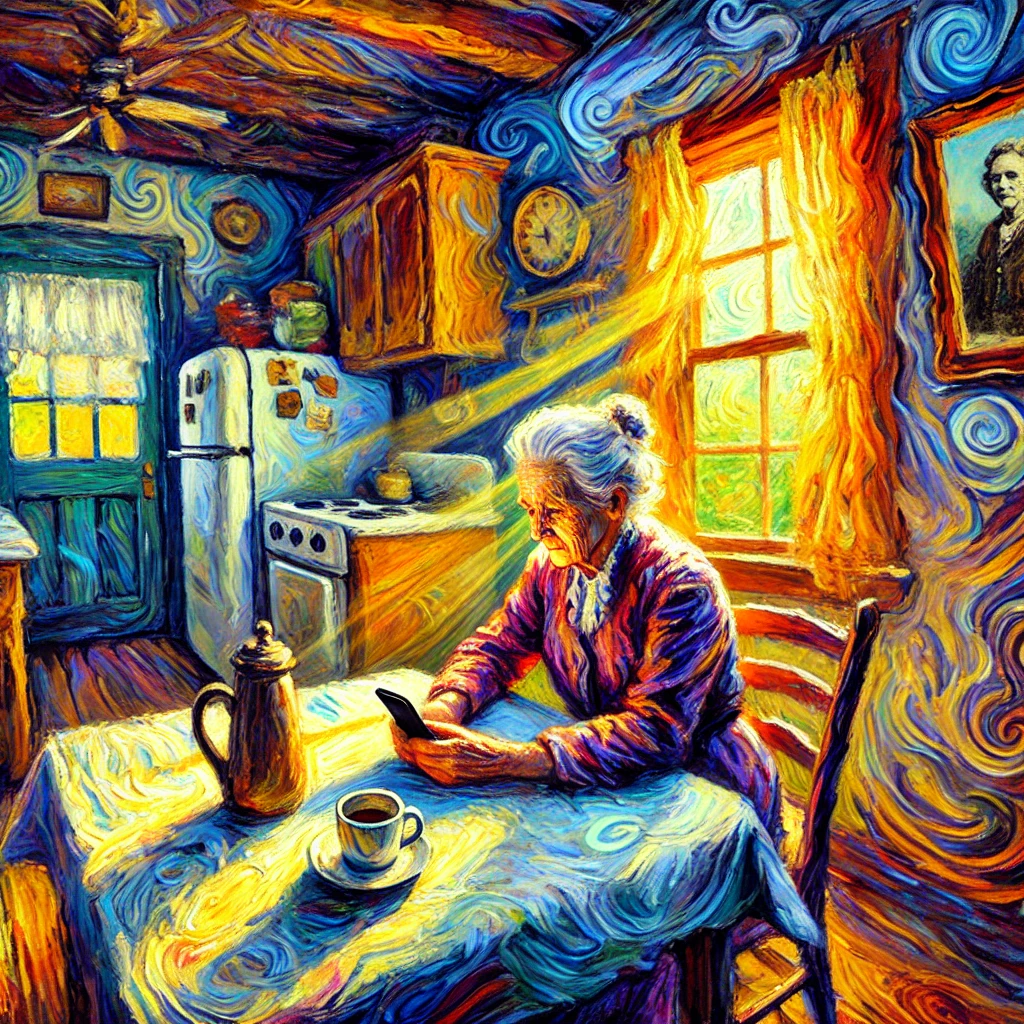
ACT IV – Mabel Dean’s Theory
Act V: Emergency Posting
The shift reached official status the day the Volunteer Fire Department issued a clarification.
A small brush fire had started behind the old Wilson place. Nothing dramatic – just smoke, some confusion, and a hose that kinked at the wrong moment.
Instead of alerting neighbors by yelling or knocking, someone posted:
“Not trying to panic but does anyone know why there’s smoke behind the Wilson property??”
That post traveled faster than the fire.
By the time the siren sounded, half the town already knew, had theories, and was emotionally prepared.
The fire chief later admitted the department was considering a Facebook-first alert policy.
“It’s not that knocking doesn’t work,” he said carefully. “It’s just slower than tagging.”
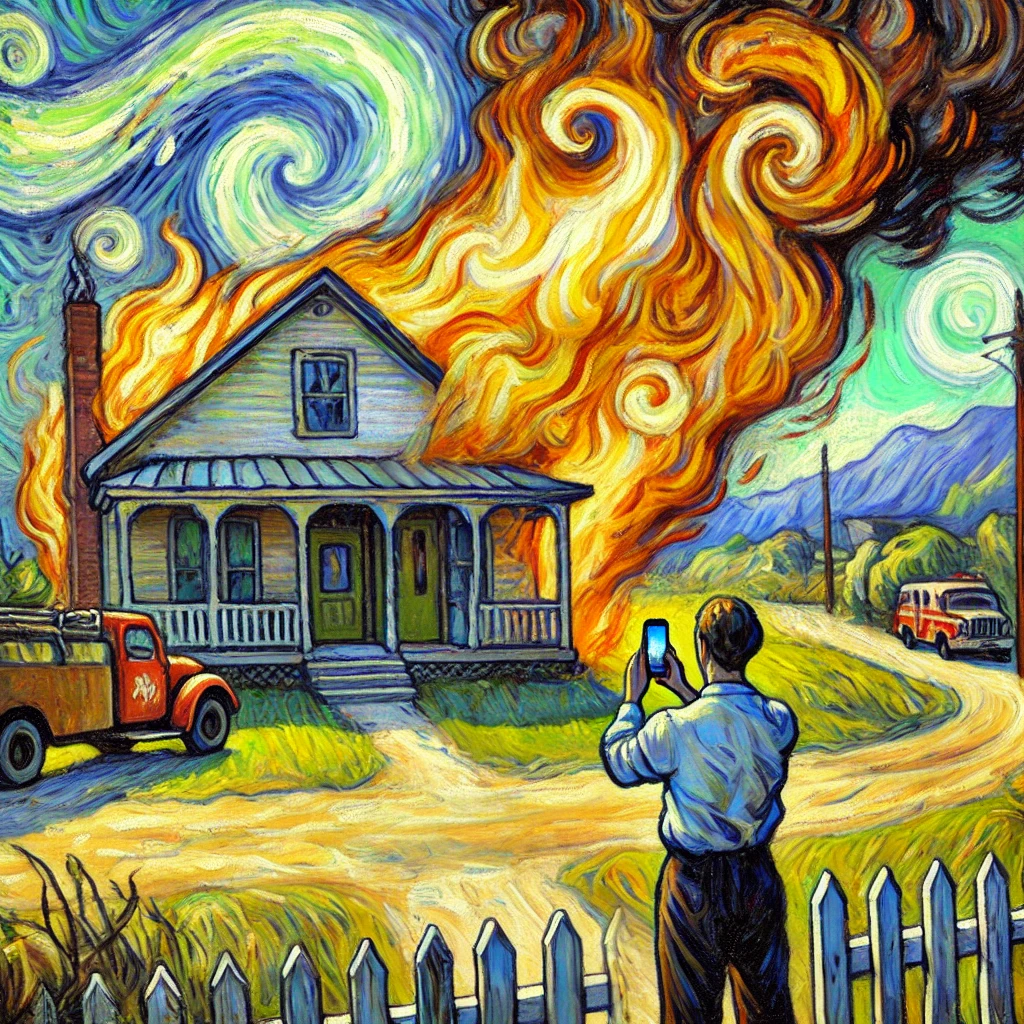
ACT V – Emergency Posting
Act VI: The Committee Forms
Sequatchie Crossing eventually did what it always did when confused: it formed a committee.
The Door-to-Door Communications Review Group met in the community room, which had excellent Wi-Fi but poor acoustics.
Attendance was strong, though half the members commented from home while watching the livestream of themselves sitting in the room.
Topics discussed:
-
Whether knocking constituted “unsolicited contact”
-
If doorbells were inherently aggressive
-
Whether posting counted as “notice”
-
If tagging someone without consent was equivalent to shouting their name across the street
No conclusions were reached, but a draft recommendation emerged:
“Residents are encouraged to use non-physical communication methods whenever possible to avoid misunderstandings, discomfort, or accusations of intent.”
The phrase “of intent” was underlined.
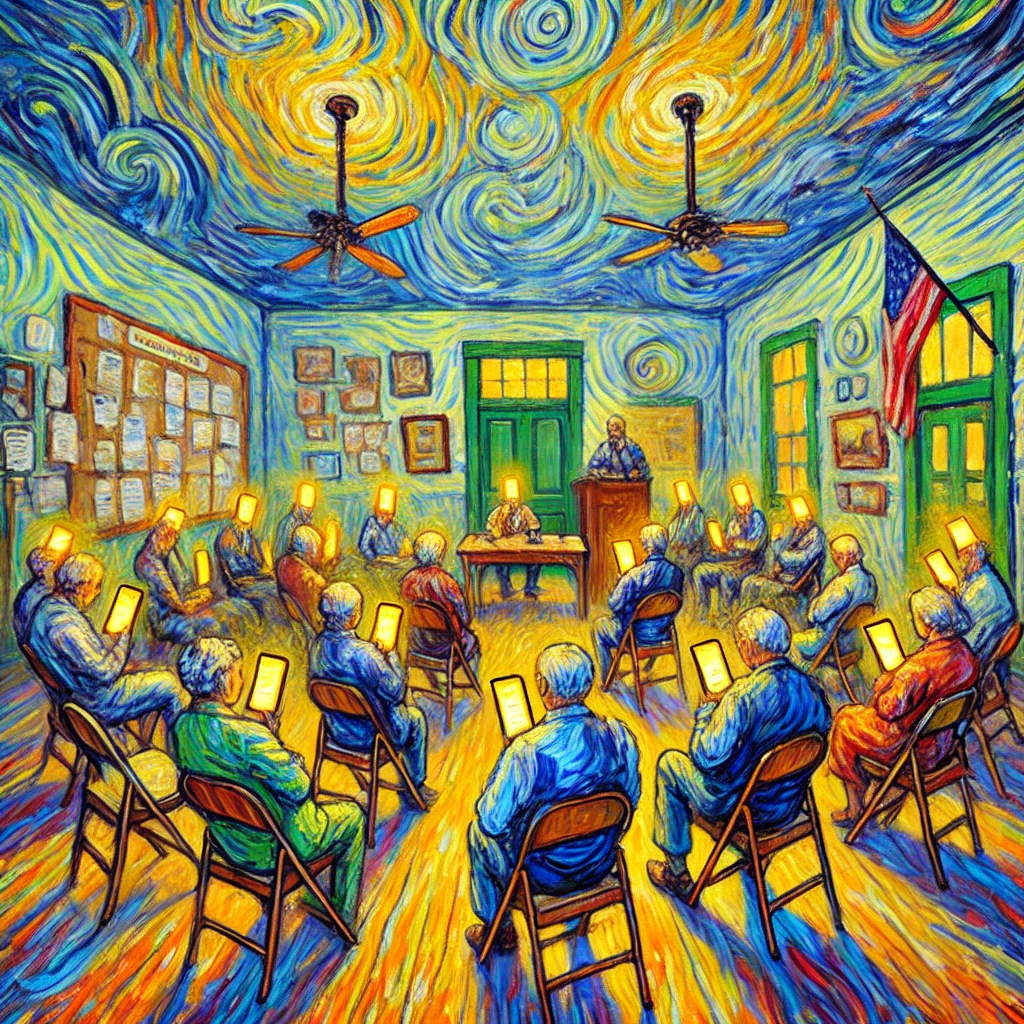
ACT VI – The Committee Forms
Act VII: The Neighbor Who Still Knocked
There was one holdout: Earl Pritchard.
Earl knocked on doors because he didn’t own a smartphone and refused to be “digitally inferred.” He believed if you needed something, you should ask it directly, with your body present.
This made him terrifying.
When Earl knocked, people froze.
Not because he was dangerous – but because there was no notification.
No profile photo.
No context.
No comment thread.
Just a sound.
Someone once posted:
“Does anyone else hear knocking??”
Earl waited three full minutes before someone finally opened the door, phone in hand, recording.
“What are you doing?” she asked.
“I’m asking if you’ve seen my dog,” Earl said.
She nodded sympathetically and replied, “You should post that.”
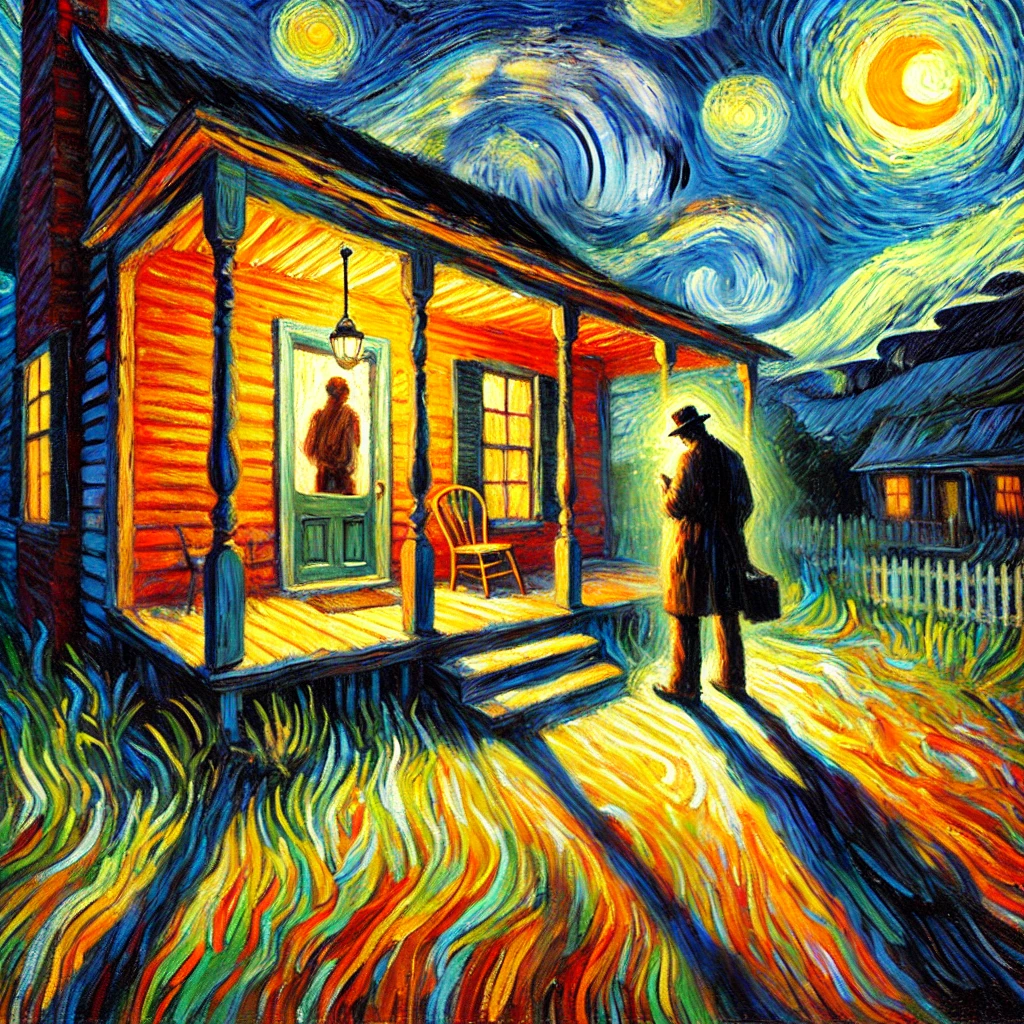
ACT VII – The Neighbor Who Still Knocked
Act VIII: The Incident at the Yard Sale
The annual yard sale was where theory met reality.
Hundreds of people wandered the roads, interacting in person like it was historical reenactment.
Someone knocked on the wrong door looking for a restroom.
The homeowner, startled, immediately posted:
“Someone just knocked asking to use the bathroom. Is this a new scam??”
Within minutes, the knock-asker was identified, tagged, defended, criticized, and advised to “plan better.”
The bathroom request was denied online before it was denied in person.
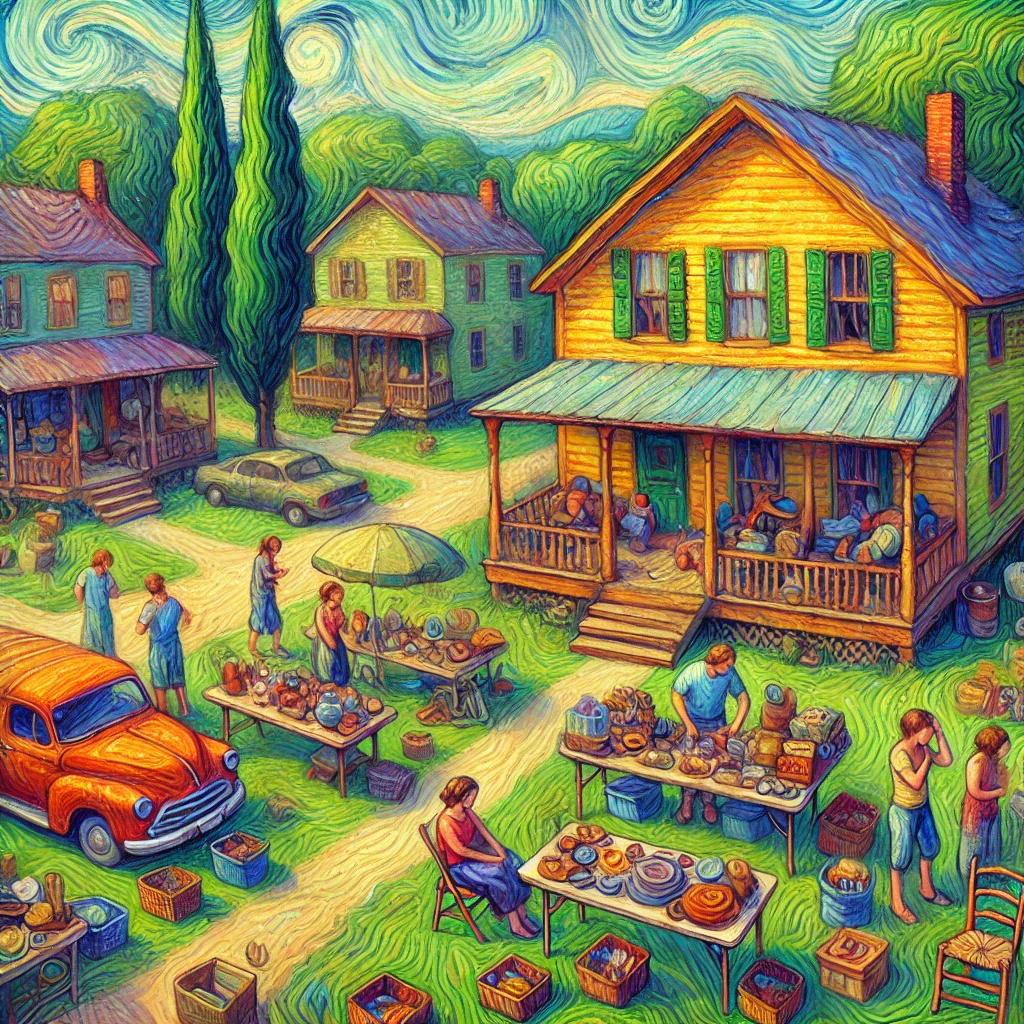
ACT VIII – The Incident at the Yard Sale
Act IX: Acceptance
Eventually, Sequatchie Crossing stopped talking about it.
No ordinance was passed. No signs were printed.
People just… posted.
If you arrived at a neighbor’s house, you messaged first – even if they could see you pulling into the driveway.
If you needed help, you tagged.
If you wanted to say hello, you reacted to a photo.
Doors remained decorative.
Knockers gathered dust.
Silence, it turned out, was less awkward when shared digitally.
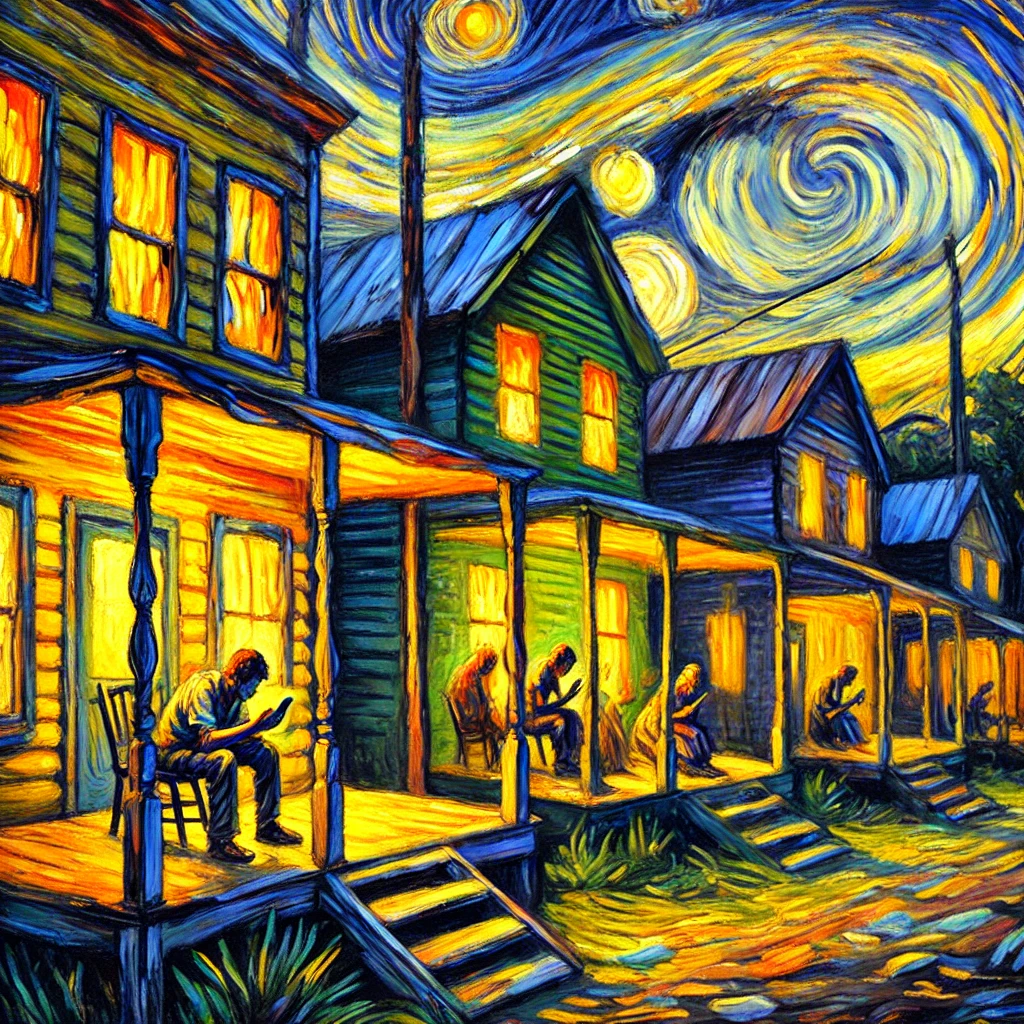
ACT IX – Acceptance
Epilogue: The Sound No One Missed
Months later, someone heard a knock during a storm.
They paused, phone in hand, waiting for the post that would explain it.
None came.
Eventually, they opened the door.
It was just the wind.
They closed it gently and made a note to post later, just in case anyone else heard it too.
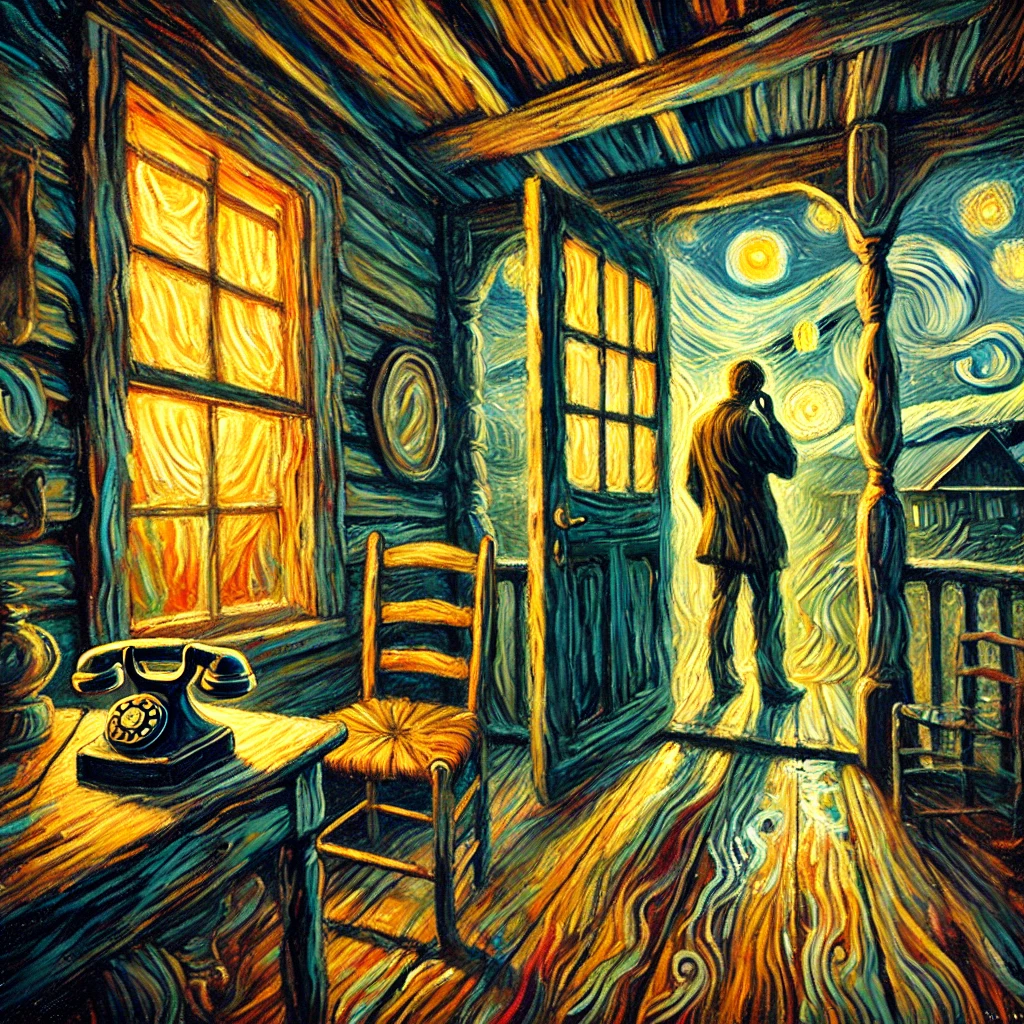
EPILOGUE – Sequatchie Residents Stop Knocking on Doors – Just Post Instead
Disclaimer
This story is a work of fiction.
Sequatchie Crossing is a fictional town, and all people, events, behaviors, porch configurations, and posting habits depicted here are imagined for satirical purposes. Any resemblance to real individuals, neighborhoods, social media groups, or recent community posts is purely coincidental – and almost certainly unavoidable.
No doors were harmed in the writing of this story.
No neighbors were intentionally avoided.
Any similarities to actual knocking incidents should be interpreted as commentary, not accusation.
If you recognized yourself while reading, it does not mean you are being criticized. It means you live in a time where people stand close together and communicate from a distance.
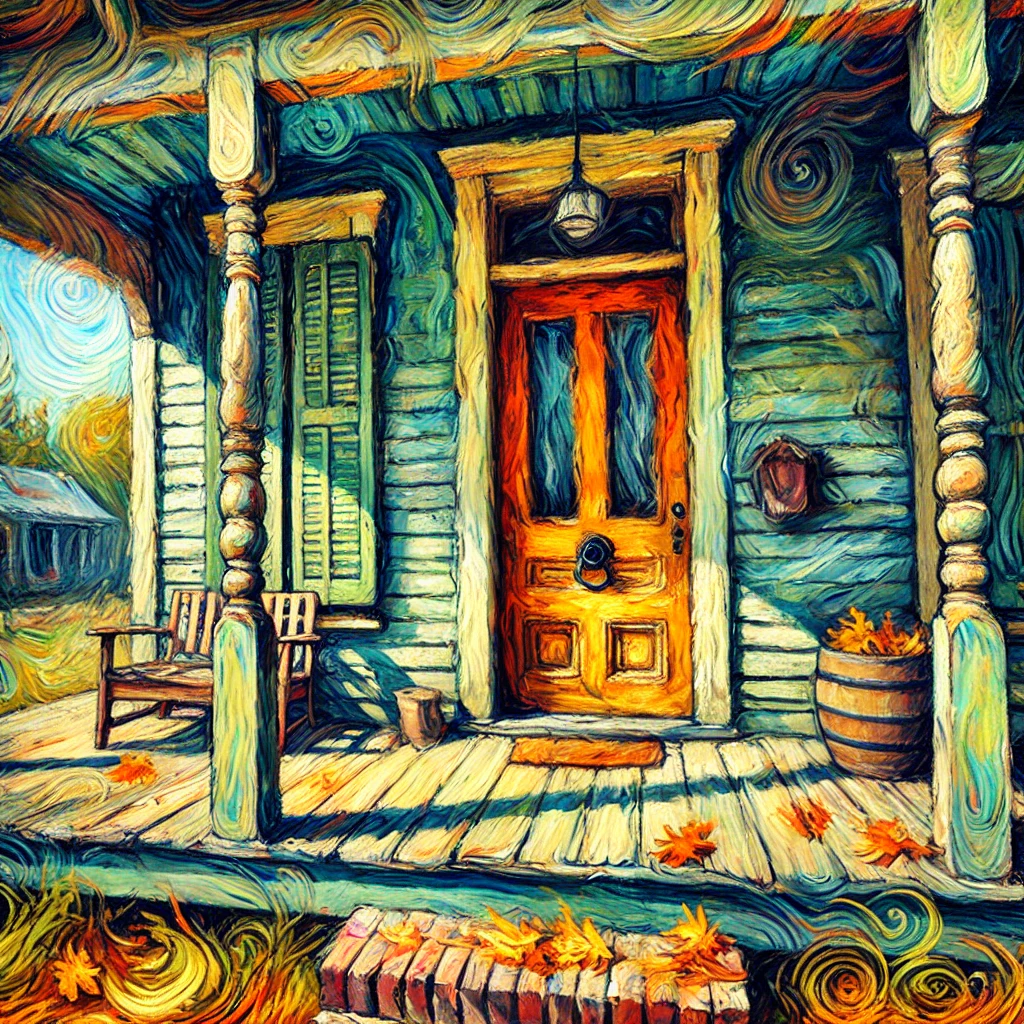
DISCLAIMER – Sequatchie Residents Stop Knocking on Doors – Just Post Instead
Real Places Behind the Ruckus – From The Dunlap Directory
Real Places Behind the Ruckus – From The Dunlap Directory
Yes, this story was fictional; even the parts that weren’t true. These places? Absolutely real. Stop by, support local, and keep the Wi-Fi away from livestock:
- Lee Outdoors
- Cravens House
- Helping Hands Estate Sales
- Local Depot
- Affordable Storage Guys – South Dunlap
- Marshall Renovations
- Lookout Mountain Battlefield Visitor Center
- Dunlap Buy Sell and Trade
- 580 Tactical Training
- Manderley-Farms
- Cagle Mountain Trading Post
- Pristine Auto-Detailing
- Little Caesars
- TN Waterfront Vacation Rental
- Sequatchie County Food Bank
- Flying Camp Paragliding
- Sequatchie County Veterans Service Office
- Animal Sitting by Chloe Holloway
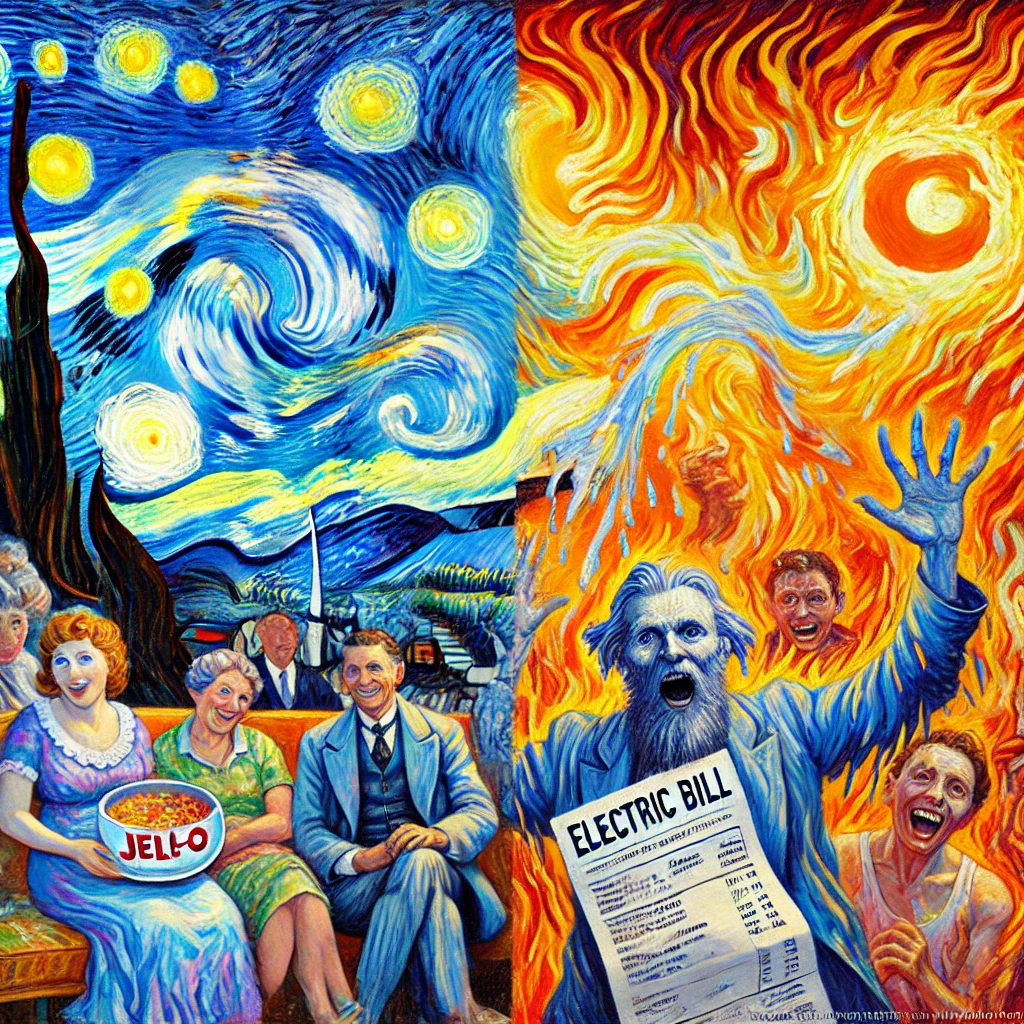
Real Places Behind the Ruckus – From The Dunlap Directory
At Sequatchie Crossing, we tell the stories of Sequatchie Crossing.
Please share this post with your friends, family, or business associates who may want follow the news from Sequatchie Crossing.

0 Comments