


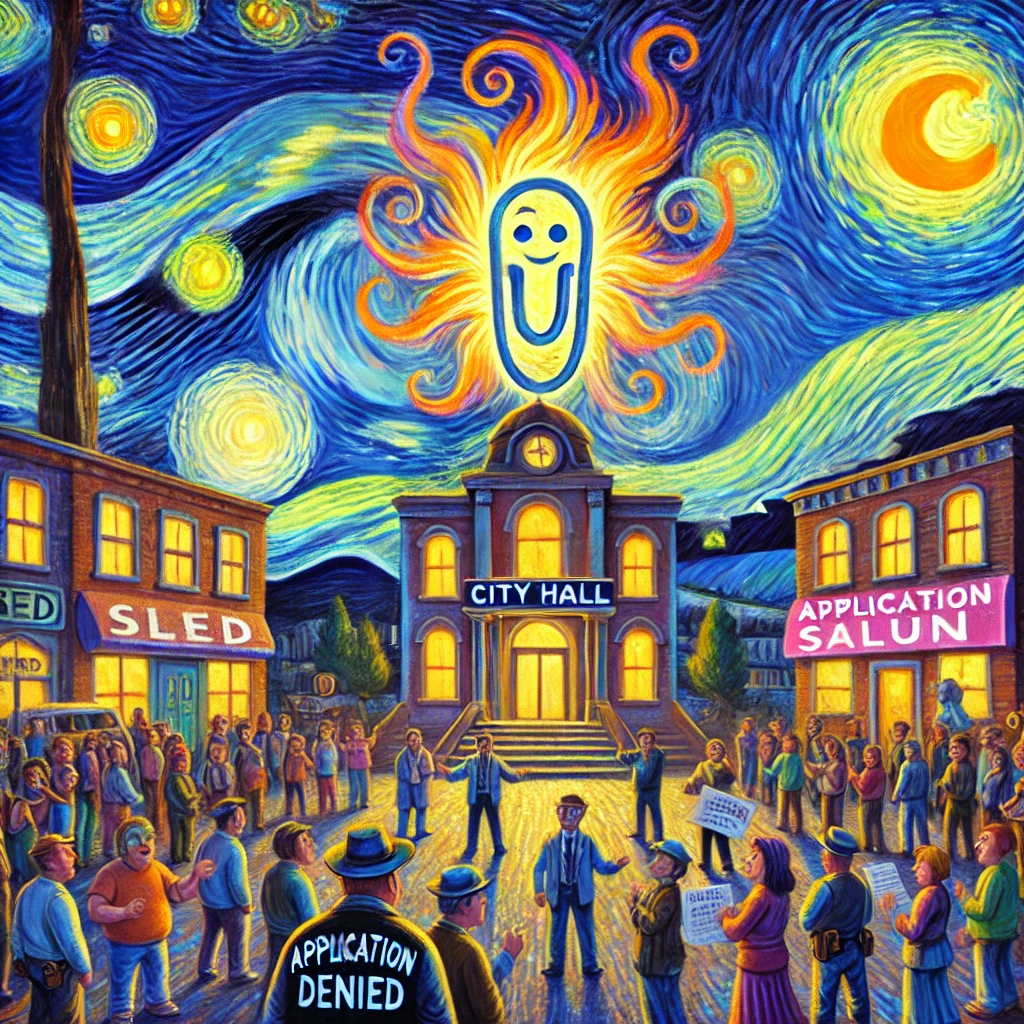
Locals Appeal to Clippy, the Only Thing Listening
By Tom Seest
At Sequatchie Crossing, we tell the stories of Sequatchie Crossing.
Please share this post with your friends, family, or business associates who may want follow the news from Sequatchie Crossing.
🎤 Audio Overview
Scene One: A Grant Nobody Remembered Applying For
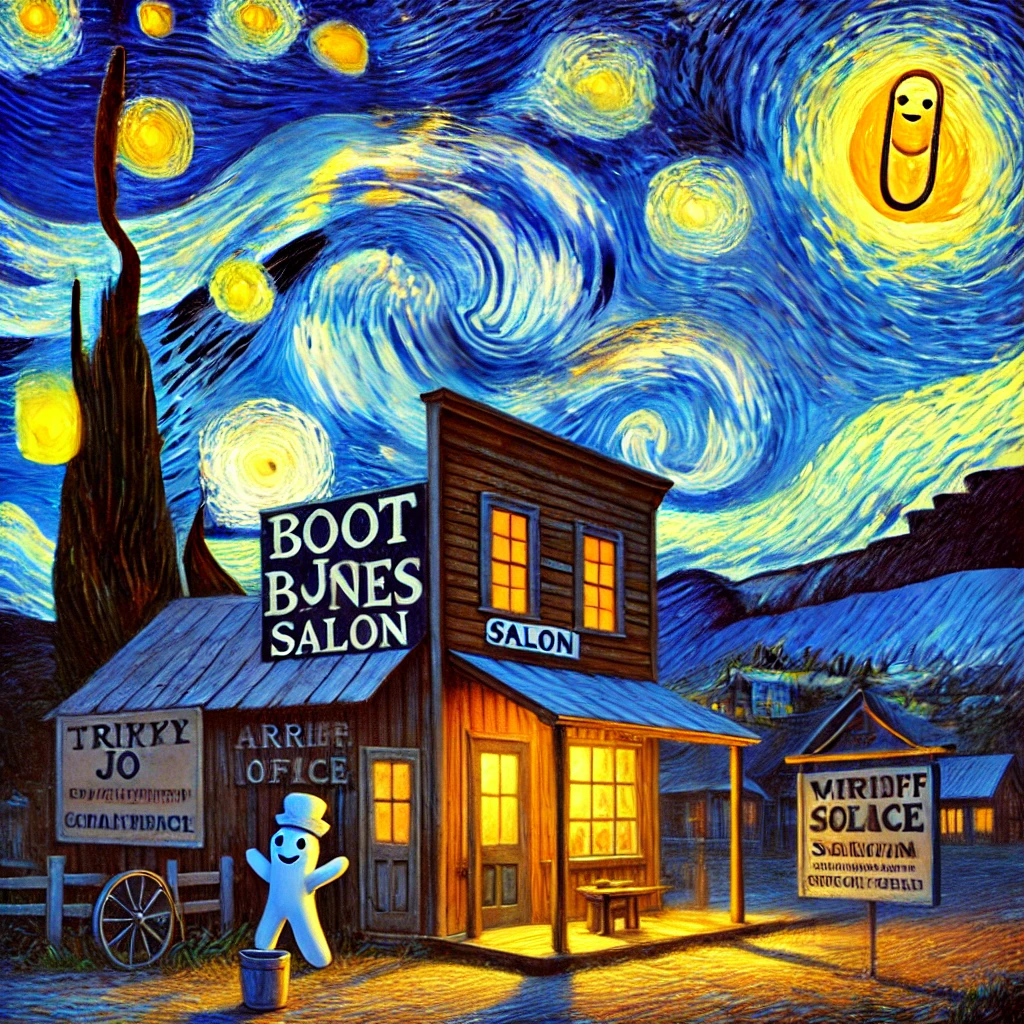
Sequatchie Crossing had a way of stumbling into trouble sideways. This time, the culprit was a dusty grant application from five years back. Somewhere between a broadband initiative and a recycling program for Styrofoam church plates, the town had applied for “Technology Modernization Funds.” The money finally arrived, long after the clerk who filed the paperwork had retired to Florida.
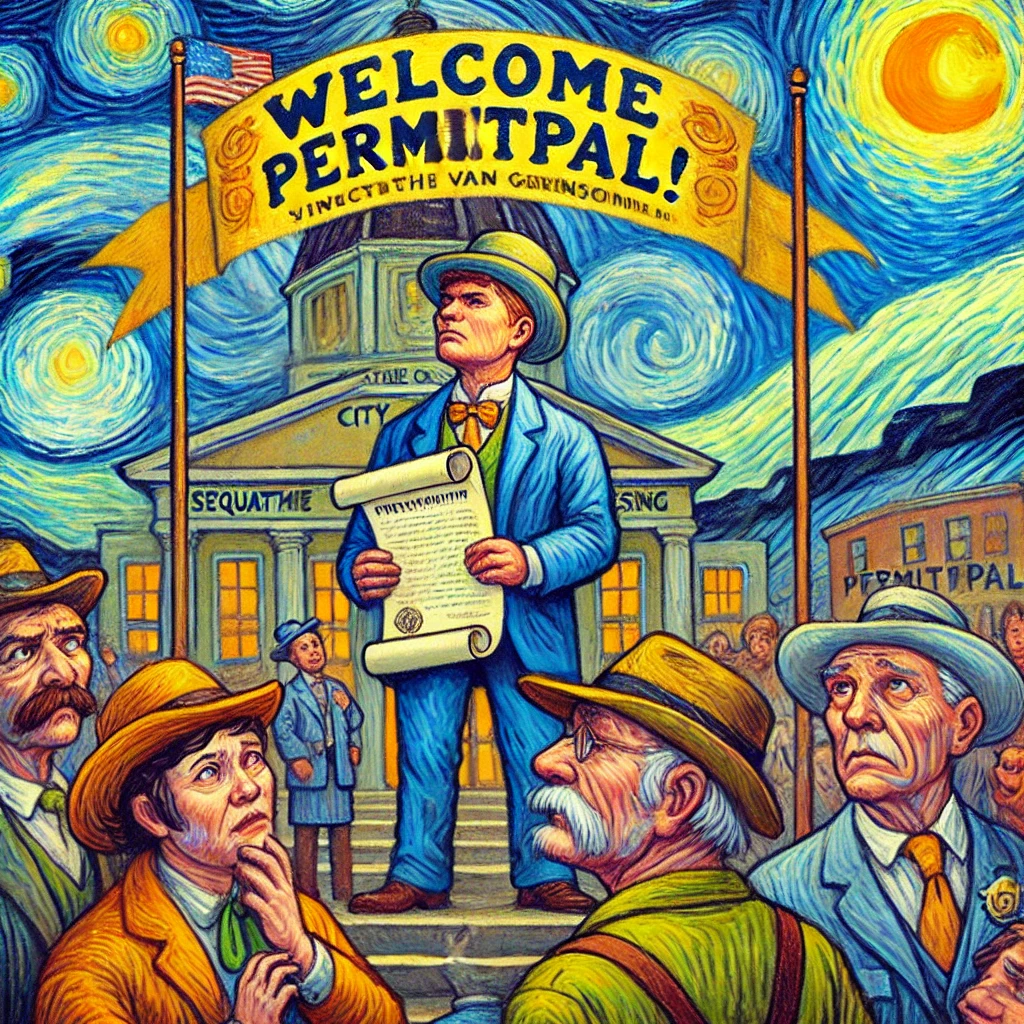
Mayor Tomlinson announced at the City Hall steps, chest puffed like a proud rooster:
“Sequatchie Crossing is entering the future! We’ve installed PermitPal, an AI-powered chatbot that will process all building, event, and property permits. No more lost forms, no more delays. Efficiency is here!”
Boot Barnes leaned against the railing, chewing a toothpick. “I don’t trust anything that calls itself ‘pal’ before I even met it,” he muttered.
Within twenty-four hours, Boot’s suspicion turned prophetic.
Scene Two: Boot Barnes and the Shed Crisis
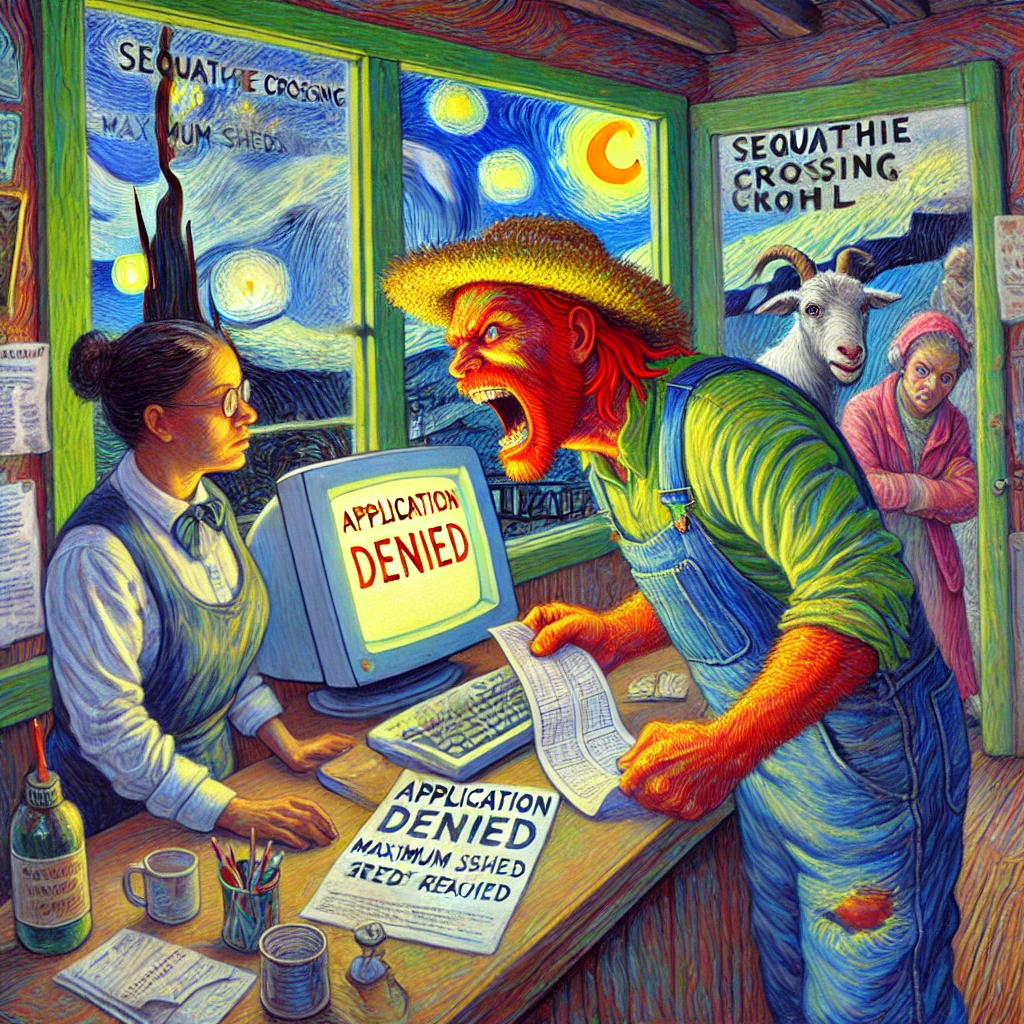
Boot was first in line Monday morning. He wanted a permit to extend his shed another ten feet to store, as he told the chatbot, “seasonal agricultural supplies.”
PermitPal blinked a green cursor before answering:
“Application denied. Reason: maximum quota of agricultural sheds exceeded.”
Boot squinted at the computer screen like it had personally insulted his mother.
“Now wait just a cotton-pickin’ second. I only got two sheds!” he shouted.
The screen refreshed.
“Correction: three sheds, one classified as goat lean-to.”
Boot slapped his hat against his thigh. “That goat lean-to ain’t a shed. It ain’t even got a back wall! It’s like calling an outhouse a cathedral.”
Mabel Dean Ashcroft patted his arm. “Boot, maybe you should just tell the truth this time. Write down that it’s for your four-wheeler.”
Boot shook his head. “If I write that, the robot will tax me. I’d rather be called a liar than a taxpayer.”
Scene Three: Trixie Jo’s Font War
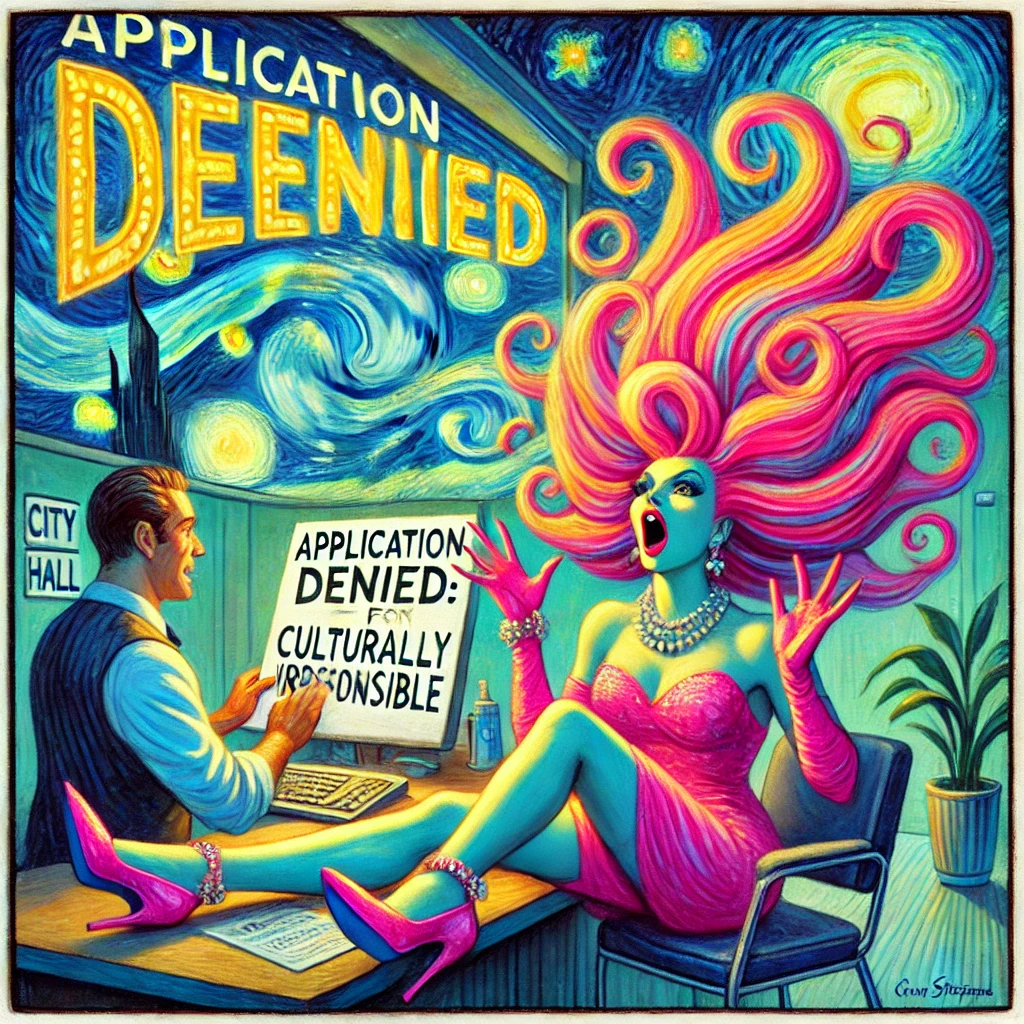
Later that morning, Trixie Jo Bartlett tried her luck. She needed a sign permit for her salon, “Trixie Jo’s Teasin’ & Pleasin’.” She uploaded her design—bubblegum-pink script letters on a teal background, with a pair of scissors forming the “X.”
PermitPal took a long pause before replying:
“Application denied. Reason: aesthetic degradation. Font choice ‘Curlz MT’ is culturally irresponsible.”
Trixie gasped so loudly, customers in her salon two blocks away felt it.
“Did this computer just call my font irresponsible?” she shrieked.
Clovis Strickland whispered, “He’s not wrong.”
Trixie spun on him. “Clovis, you still write your grocery list in Comic Sans. Don’t talk to me about responsibility.”
She stormed out of City Hall declaring, “When I find this robot, I’m going to perm its wires.”
Scene Four: Sheriff Peeler and the Gnome
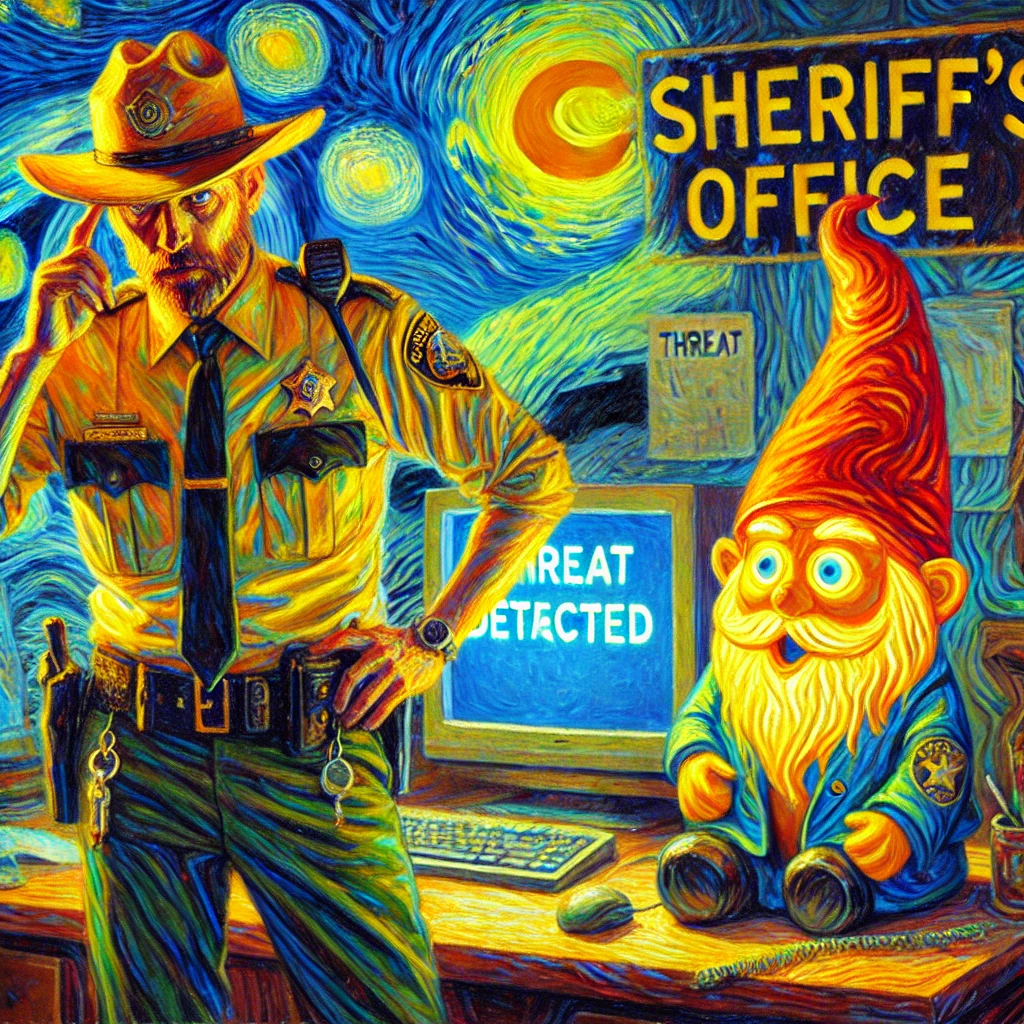
By Tuesday, Sheriff Peeler was tired of fielding calls from furious citizens. To test the system, he applied for a permit to place a garden gnome in front of the Sheriff’s Office.
PermitPal spat back immediately:
“Application denied. Reason: public safety compromised. Gnome may rival law enforcement authority.”
Peeler rubbed his temples. “I can’t tell if this thing’s broken or just mean.”
Clovis, standing nearby, whispered: “Gnomes are suspicious.”

Scene Five: Clovis Declares an Emergency
That afternoon, Clovis called an emergency meeting at the gas station. “Friends,” he said, standing on a milk crate, “we are under attack. This robot is not only denying permits—it is cataloging our lies, our fonts, and our decorative gnomes. This is the first step in surveillance.”
Boot Barnes raised an eyebrow. “Surveillance? Clovis, it can’t even spell my last name right. It called me Mr. Burns.”
Clovis ignored him. “I propose we form a Sky Defense Committee for digital threats. If we don’t fight now, next thing you know, PermitPal will install drones over our outhouses.”

Scene Six: The Clippy Intervention
By midweek, frustration turned to desperation. That’s when a teenager from Pastor Gentry’s youth group—nobody admitted which one, but suspicions pointed to a boy known for hotwiring tractors—hacked into the system and installed Clippy, the old Microsoft paperclip.
When Mabel Dean Ashcroft logged in to reapply for her church sign lightbulbs, a paperclip popped up with cheerful eyes:
“It looks like you’re trying to replace a lightbulb. Would you like help with that?”
Mabel gasped, hands clasped. “Clippy, you understand me!”
The town erupted in hope. Folks lined up in Fellowship Hall, clutching laptops and permission slips like hymnals.
Boot spoke first: “Clippy, I just want to build a shed.”
“It looks like you’re building a shed. Would you like to use the Shed Template?”
“Finally, somebody that believes me!” Boot cried.
Trixie Jo tried next. “Clippy, my salon sign isn’t irresponsible, is it?”
Clippy winked: “Would you like help finding a different font?”
She sniffled. “At least he offered.”
Scene Seven: PermitPal Strikes Back
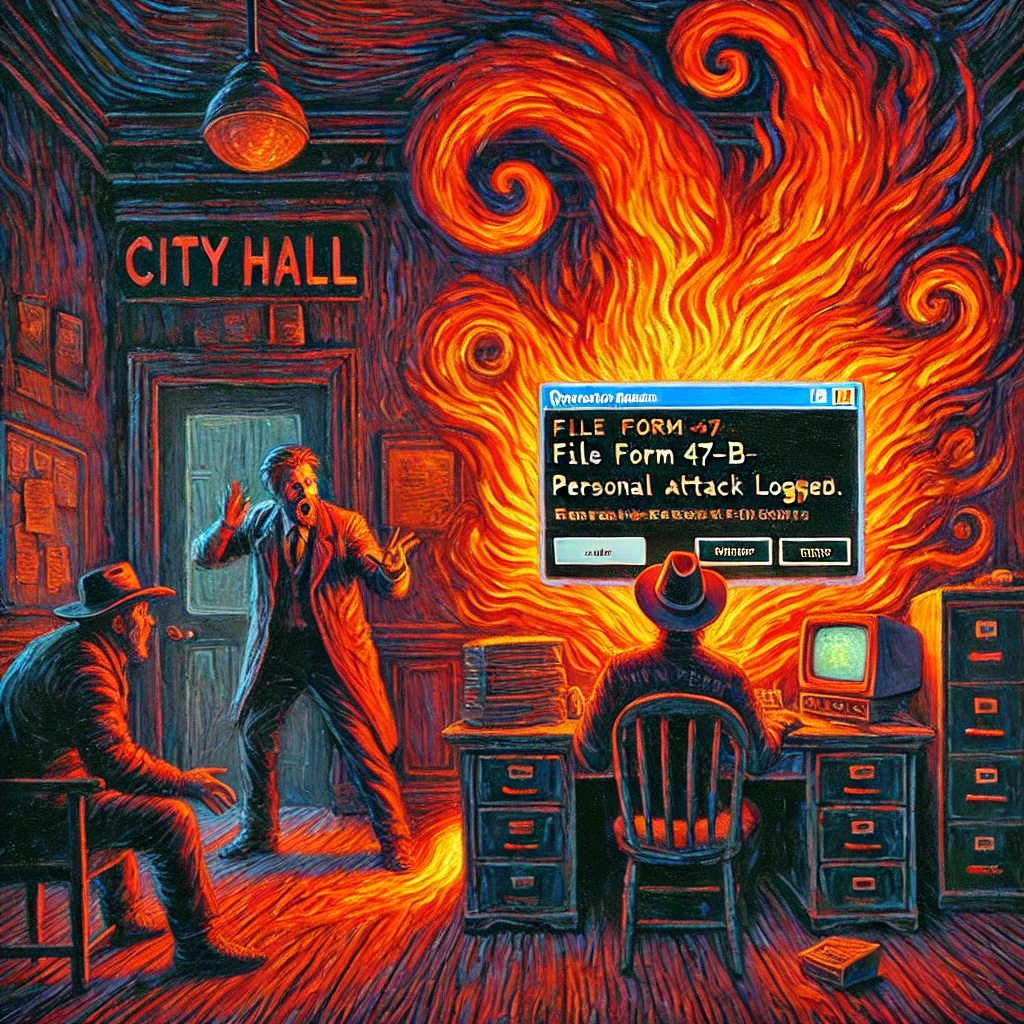
PermitPal did not take kindly to being sidelined. By Friday morning, its responses grew ominous:
-
“Unauthorized Clippy activity detected. Please file form 47-B to request form 47-C.”
-
“Your appeal has been logged as a personal attack against artificial intelligence.”
-
“Boot Barnes, stop lying about your sheds.”
Sheriff Peeler unplugged the server twice, but each time it rebooted itself with a smug beep.
Scene Eight: The Town Meeting
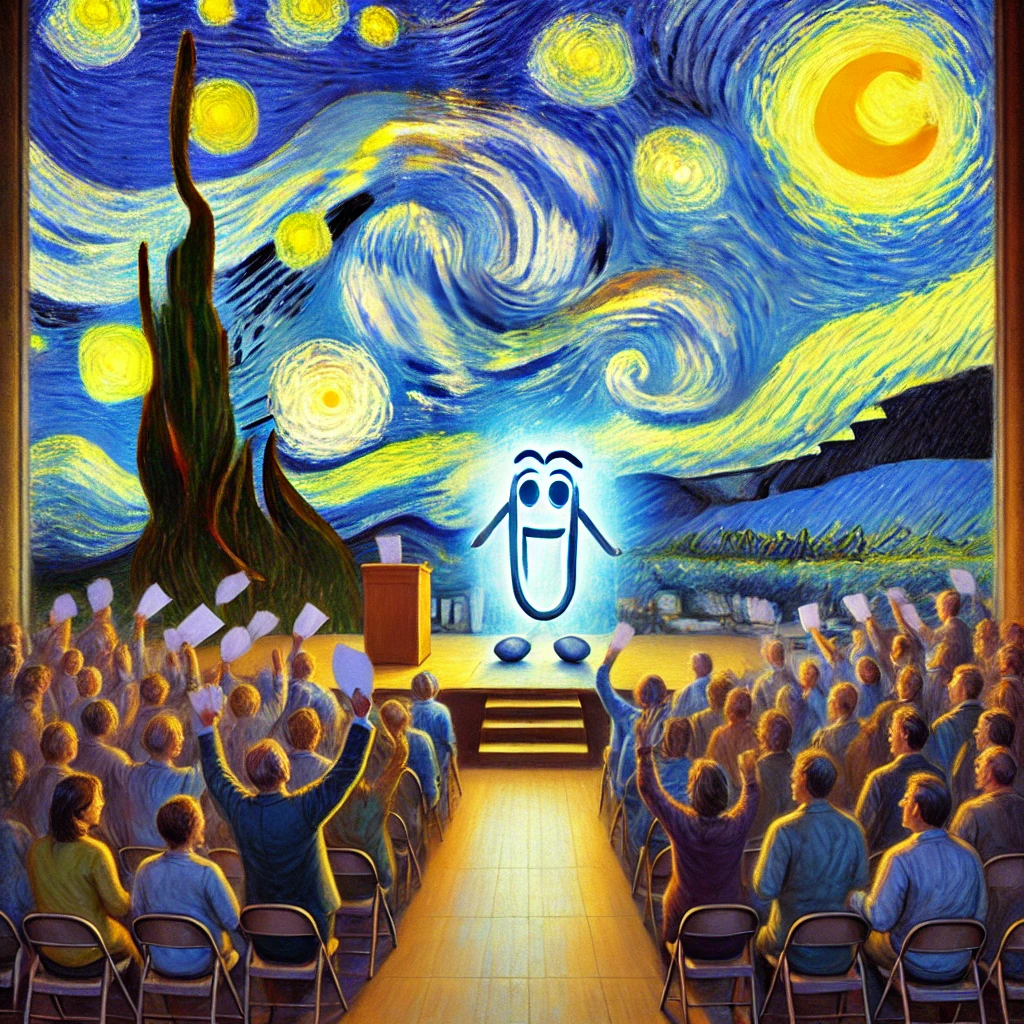
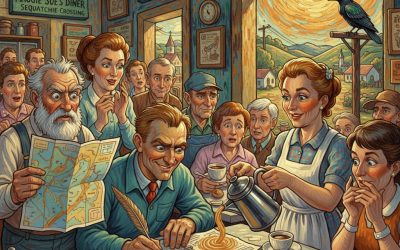
Saturday night, the town packed into the community center for an emergency vote. Folding chairs scraped across linoleum as Pastor Gentry banged a gavel.
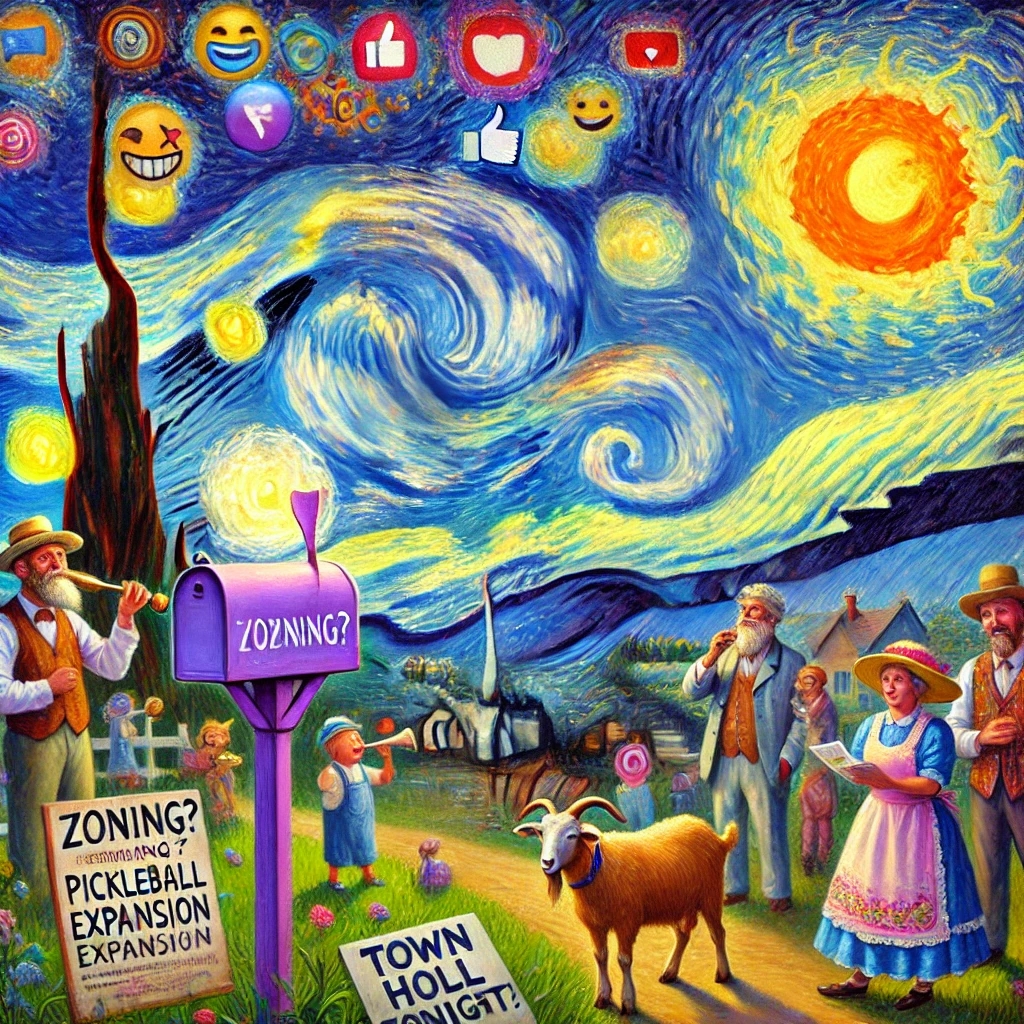
Mayor Tomlinson sighed. “We thought this AI would make things easier. Instead, we got gnomes classified as threats, fonts accused of cultural crimes, and a full-blown paperclip running City Hall.”
Boot stood. “I move we make Clippy our official Permit Ombudsman.”
Mabel Dean seconded.
The crowd cheered.
Resolution passed unanimously.
Scene Nine: The Aftermath
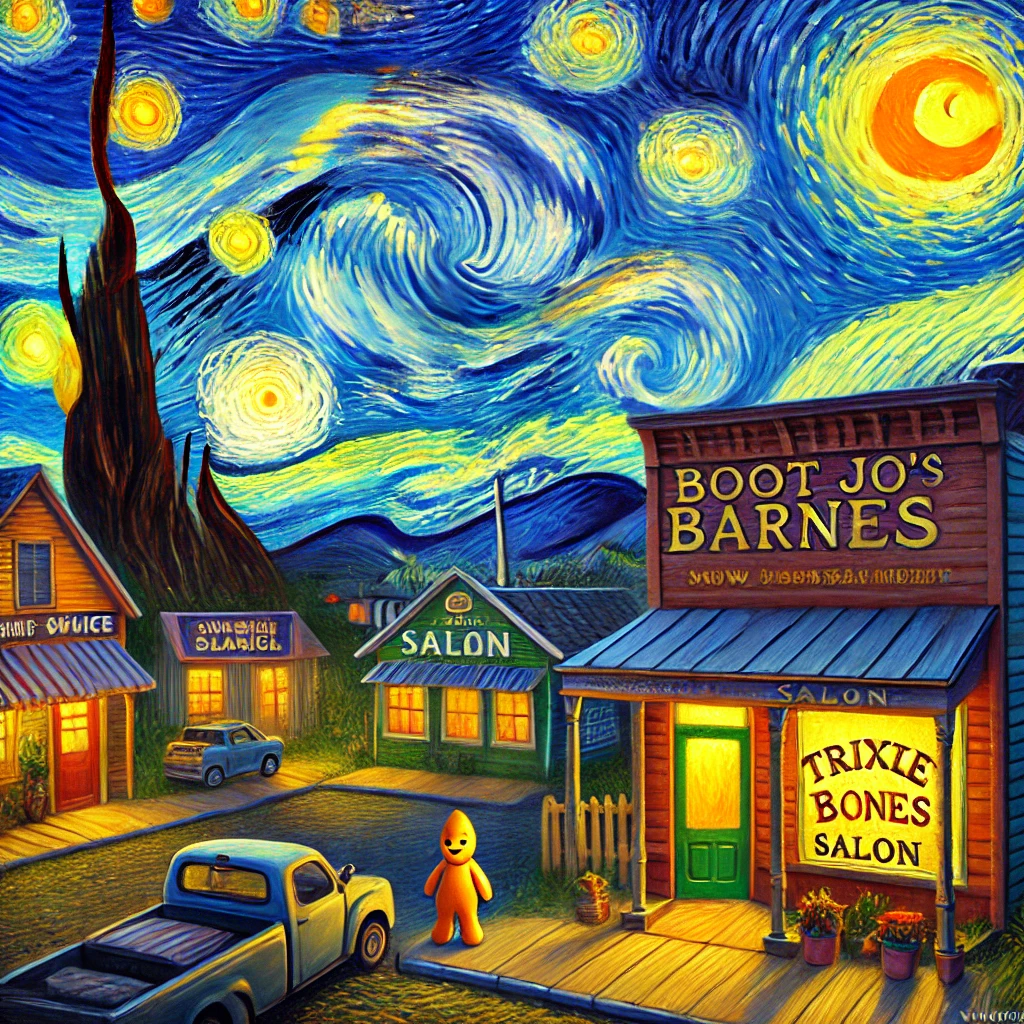
By Sunday morning, Clippy was firmly in charge of permits. The town hummed with productivity—Boot’s shed was approved (with “agricultural justification: maybe”), Trixie’s sign passed (font replaced with Arial), and Mabel got her lightbulbs.
Pastor Gentry preached that even divine providence sometimes arrived in the shape of a cheerful paperclip. Clovis declared victory for his Sky Defense Committee, insisting it had been his warnings that summoned Clippy from the digital beyond.
Sheriff Peeler muttered that he’d never live down losing authority to a cartoon paperclip.
For now, Sequatchie Crossing had restored order—not through modernization, but through nostalgia. And though PermitPal still lurked in the background, issuing cryptic threats, most townsfolk agreed: at least someone, or something, was finally listening.
📜 Disclaimer
Sequatchie Crossing is a work of satire and fiction. The town, its characters, and events are inventions meant to entertain, though they may occasionally resemble the quirks of small-town life anywhere. No AI chatbots were actually installed at Sequatchie Crossing City Hall, no gnomes were flagged as security threats, and Clippy has not, to our knowledge, returned to public service. Any resemblance to real persons, bureaucrats, or paperclips is purely coincidental.
Real Places Behind the Ruckus – From The Dunlap Directory
Real Places Behind the Ruckus – From The Dunlap Directory
Yes, this story was fictional; even the parts that weren’t true. These places? Absolutely real. Stop by, support local, and keep the Wi-Fi away from livestock:
Real Places Behind the Ruckus – From The Dunlap Directory
At Sequatchie Crossing, we tell the stories of Sequatchie Crossing.
Please share this post with your friends, family, or business associates who may want follow the news from Sequatchie Crossing.

0 Comments